





Food Safety Alert: How E. Coli Recalls Expose Critical Supply Chain Vulnerabilities
- Regulatory compliance becomes paramount as food distribution networks face escalating contamination risks





















Overview
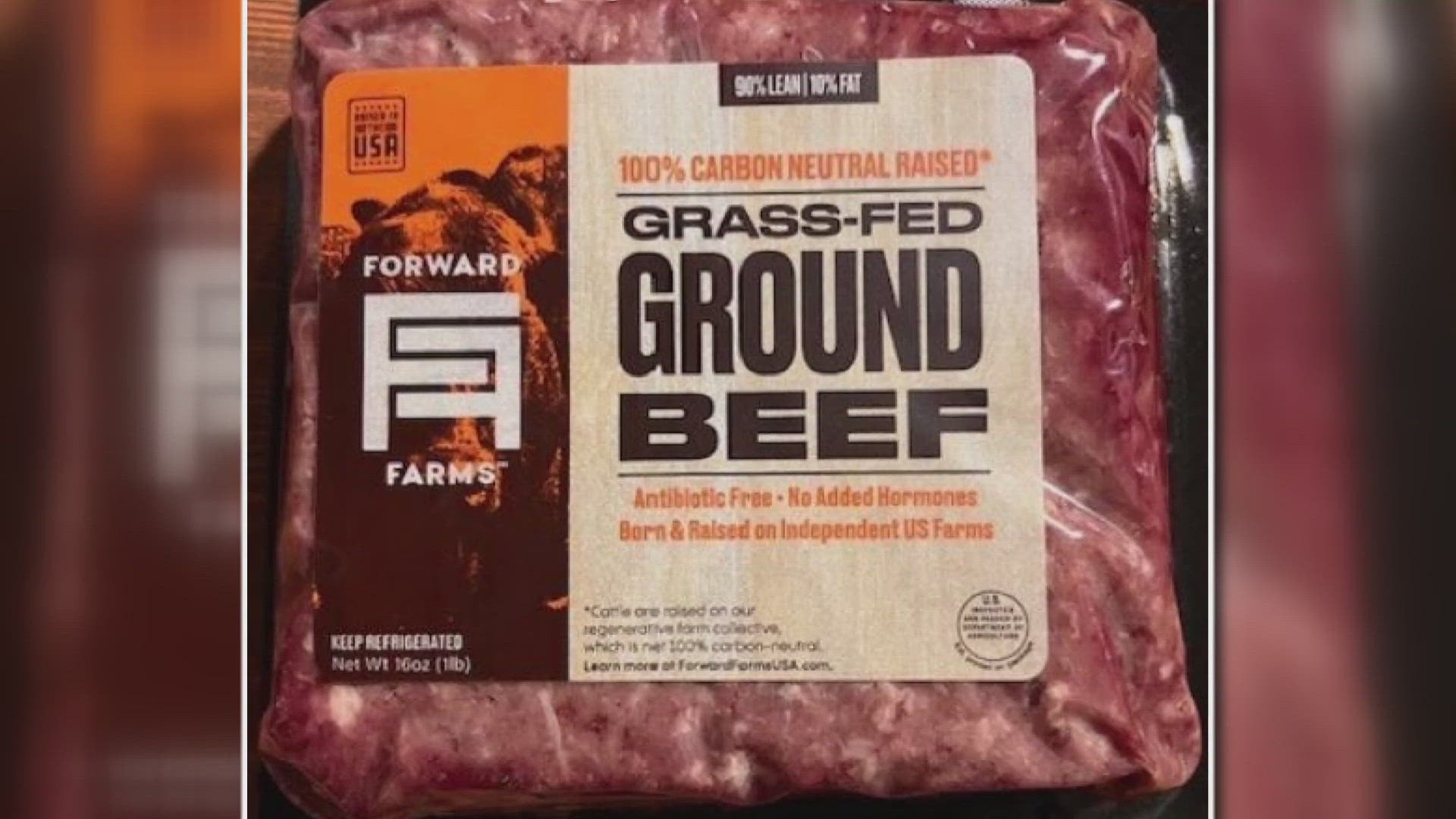
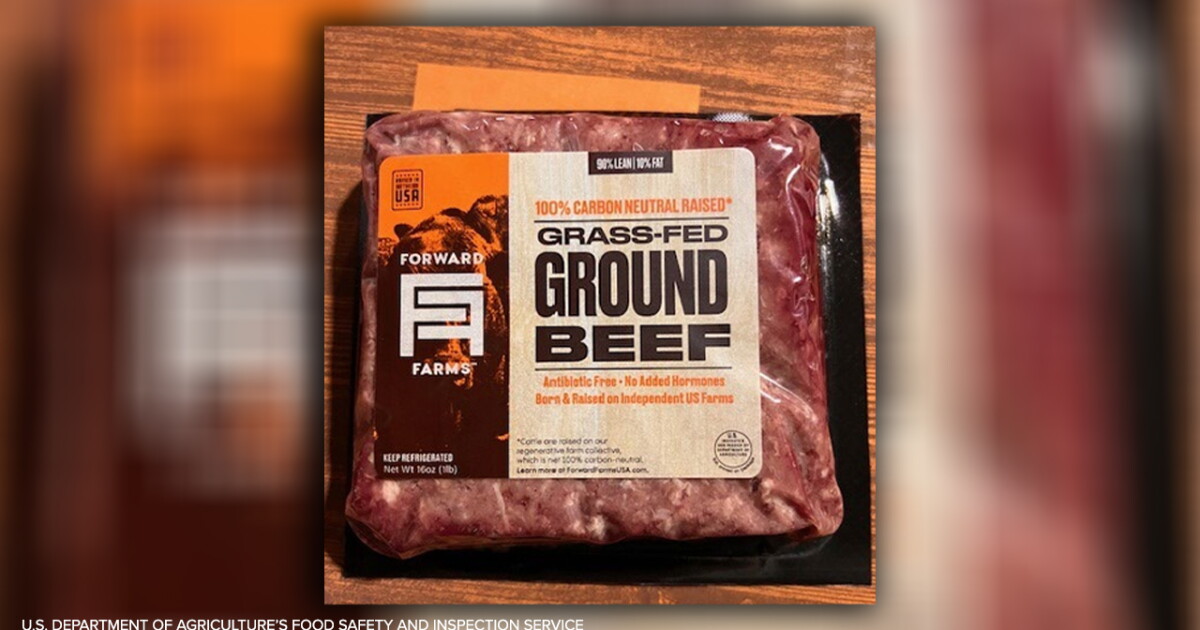
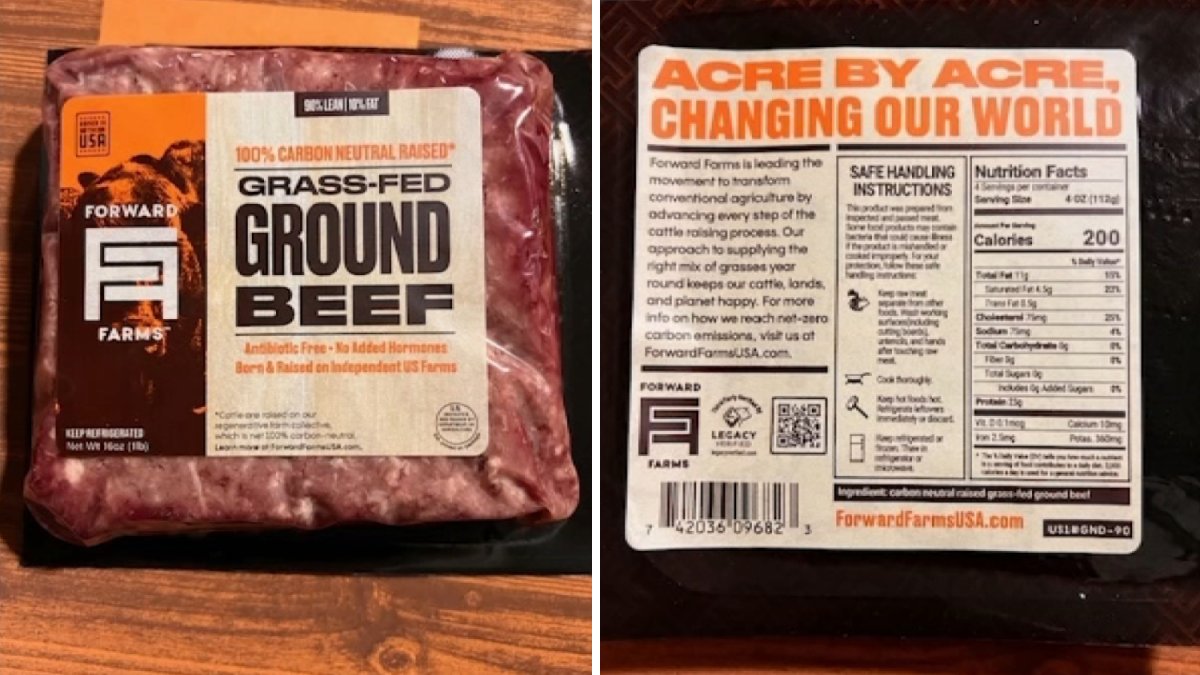
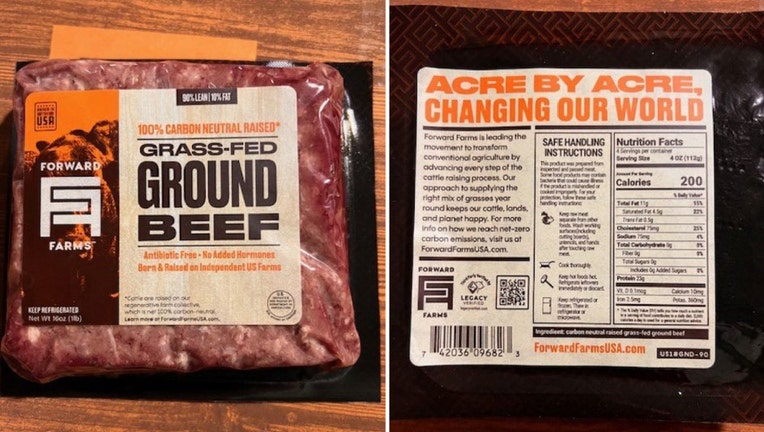
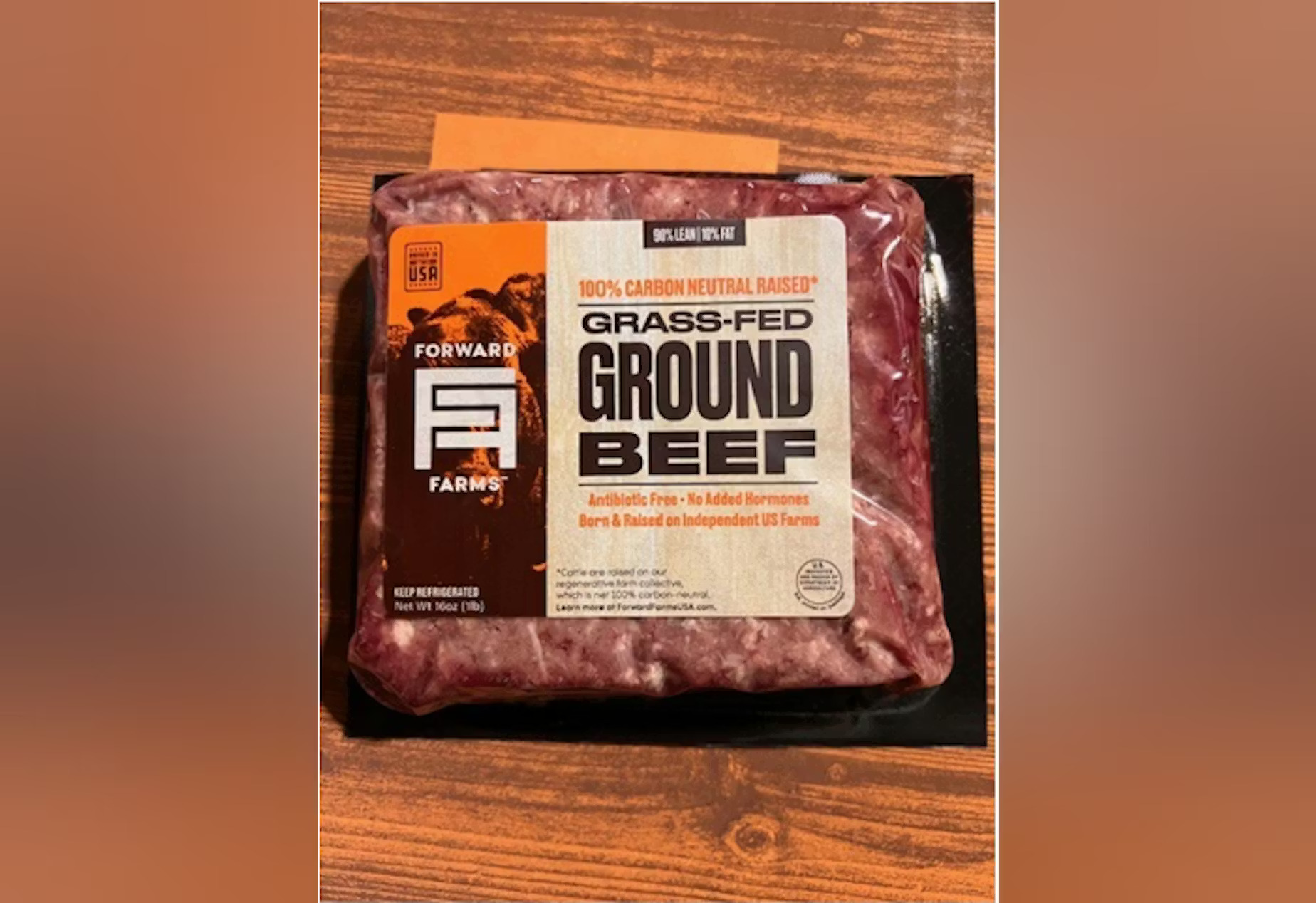
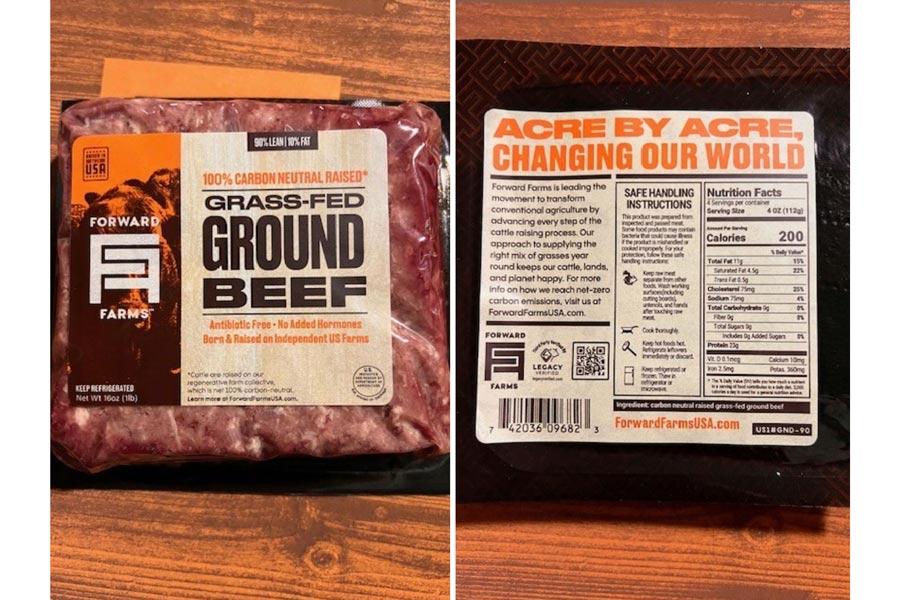
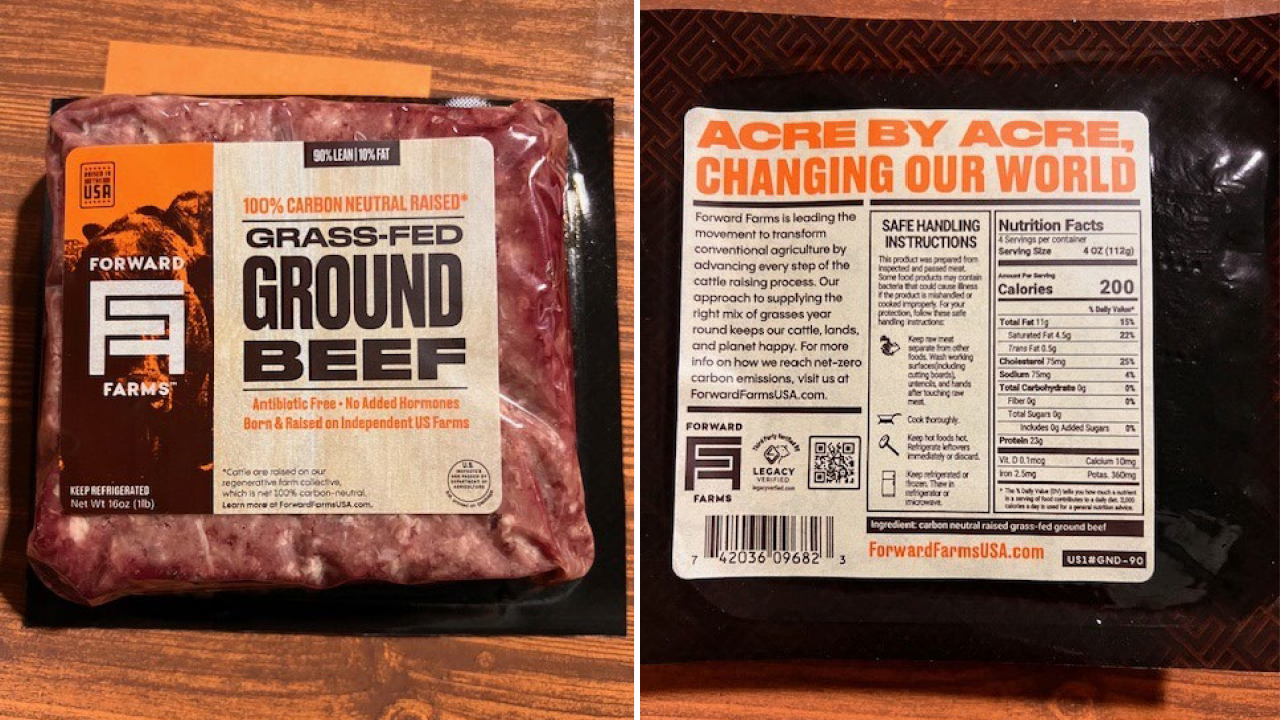
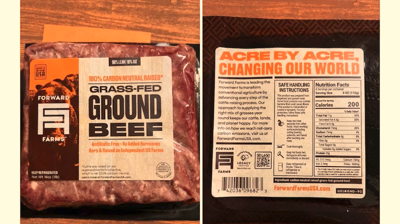
The recent ground beef recall by Mountain West Food Group reveals a critical inflection point in food safety regulation and supply chain management. With nearly 3,000 pounds of raw ground beef contaminated by Shiga toxin-producing E. coli O26, the incident exposes systemic vulnerabilities that extend far beyond a single product batch.
Regulatory compliance has transformed from a bureaucratic checkbox to a fundamental business survival strategy. The recall, spanning six states and involving Forward Farms Grass-Fed Ground Beef, demonstrates how rapidly a localized contamination can become a multi-state public health challenge. The U.S. Department of Agriculture's Food Safety and Inspection Service (FSIS) detected the pathogen through routine testing, highlighting the critical role of proactive monitoring in preventing widespread health risks.
Supply chain resilience emerges as a key strategic imperative. The contamination's potential 28-34 day exposure window underscores the complexity of tracking food products through intricate distribution networks. For cross-border e-commerce sellers and food distributors, this recall is a stark reminder that quality control is no longer optional but existential. The economic implications are profound: a single contamination event can trigger massive financial losses, reputational damage, and potential legal consequences.
The most significant insight is the evolving landscape of food safety regulation. Vulnerable populations—children under five, adults over 65, and immunocompromised individuals—face the highest risks. This demographic sensitivity is driving increasingly stringent testing protocols and rapid response mechanisms. Sellers must now invest in comprehensive tracking systems, real-time testing technologies, and immediate communication infrastructures to survive in this high-stakes environment.
Critically, the recall reveals a broader trend: regulatory bodies are shifting from reactive to predictive enforcement models. The FSIS's proactive testing and immediate public communication signal a new era where prevention trumps post-facto remediation. For food industry players, this means transforming compliance from a cost center to a strategic competitive advantage.
Questions 3
What are the potential long-term impacts of such food safety recalls?
These recalls can trigger significant economic consequences, including financial losses, reputational damage, and potential legal challenges. Moreover, they accelerate the development of more sophisticated tracking technologies and force food distributors to invest heavily in quality control and testing infrastructure.
How are regulatory bodies changing their approach to food safety?
Regulatory agencies like the USDA are shifting from reactive to predictive enforcement models. They're now conducting more proactive testing, implementing rapid communication strategies, and focusing on preventing contamination before it reaches consumers, transforming compliance from a bureaucratic requirement to a strategic business imperative.