


Pharmaceutical Pricing Defiance: How Big Pharma Outmaneuvers Regulatory Pressure
- Drugmakers leverage innovation costs to justify price increases amid regulatory challenges













Overview
The pharmaceutical industry is demonstrating remarkable resilience in the face of regulatory pressures, revealing a sophisticated strategy of price management that transcends political interventions. Pharmaceutical pricing has emerged as a complex battleground where companies like Pfizer, GSK, and Sanofi are strategically navigating regulatory constraints while maintaining their economic positioning.
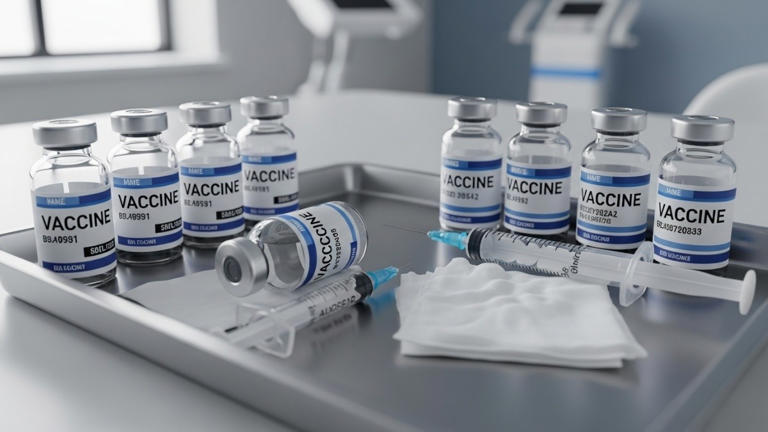
In a striking display of market power, drugmakers are planning price increases on approximately 350 branded medications for 2026, with a median increase around 4%. Pfizer leads this trend, announcing price adjustments on roughly 80 different drugs, including a notable 15% boost for its COVID-19 vaccine Comirnaty. This move occurs despite the Trump administration's Most Favored Nation (MFN) pricing policy and ongoing White House negotiations aimed at reducing drug costs.
The underlying dynamics reveal a nuanced regulatory landscape. While government efforts attempt to control pricing, pharmaceutical companies are adeptly using arguments about research investment and scientific innovation to justify increases. Experts like Dr. Benjamin Rome highlight that current negotiations are merely "nibbling around the margins" of a systemic pricing challenge. Americans continue to pay nearly three times more for prescription medicines compared to other developed nations, underscoring the persistent pricing disparities.
Critically, the pricing strategy extends beyond simple markup. Some hospital-administered drugs could see increases up to four-fold, while others like Jardiance might experience price reductions. This granular approach demonstrates the pharmaceutical industry's sophisticated pricing intelligence, strategically balancing market pressures, regulatory scrutiny, and investment requirements.
For cross-border e-commerce sellers and healthcare market participants, these developments signal a complex environment requiring adaptive strategies. The ability to navigate these intricate pricing mechanisms will become a key competitive differentiator in the pharmaceutical and healthcare markets.
Questions 3
How significant are the planned drug price increases for 2026?
The data shows approximately 350 branded medications will see price adjustments, with a median increase of 4%. Pfizer is leading with price hikes on about 80 drugs, including a 15% increase for its COVID-19 vaccine, indicating a substantial and coordinated pricing approach across the industry.
Why are pharmaceutical companies raising drug prices despite regulatory pressure?
Pharmaceutical companies argue that price increases are necessary to support ongoing research and innovation. They leverage complex arguments about research investment costs and the need to maintain scientific development, effectively using innovation as a justification for pricing strategies.