


NASCAR's Global Revolution: How International Drivers and Innovative Strategies Are Reshaping Motorsports Entertainment
- Emerging global talent and technological innovations signal a transformative era for racing industry stakeholders







Overview
The 2025 NASCAR season represents a pivotal moment of global transformation in motorsports, where traditional boundaries are being systematically dismantled through strategic internationalization and talent diversification. At the core of this revolution lies a compelling narrative of cross-border performance and innovative platform expansion.
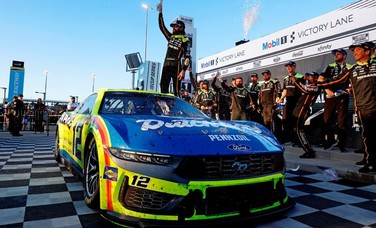
International driver integration emerges as the most significant trend, with Shane van Gisbergen's breakthrough performance symbolizing a new paradigm. By winning races across multiple venues—including the ToyotaSave Mart 350 at Sonoma Raceway and the historic Viva Mexico 250—van Gisbergen demonstrates that modern racing transcends national limitations. The inaugural NASCAR Cup Series race at Autódromo Hermanos Rodríguez in Mexico wasn't just an event; it was a strategic statement about NASCAR's global ambitions.
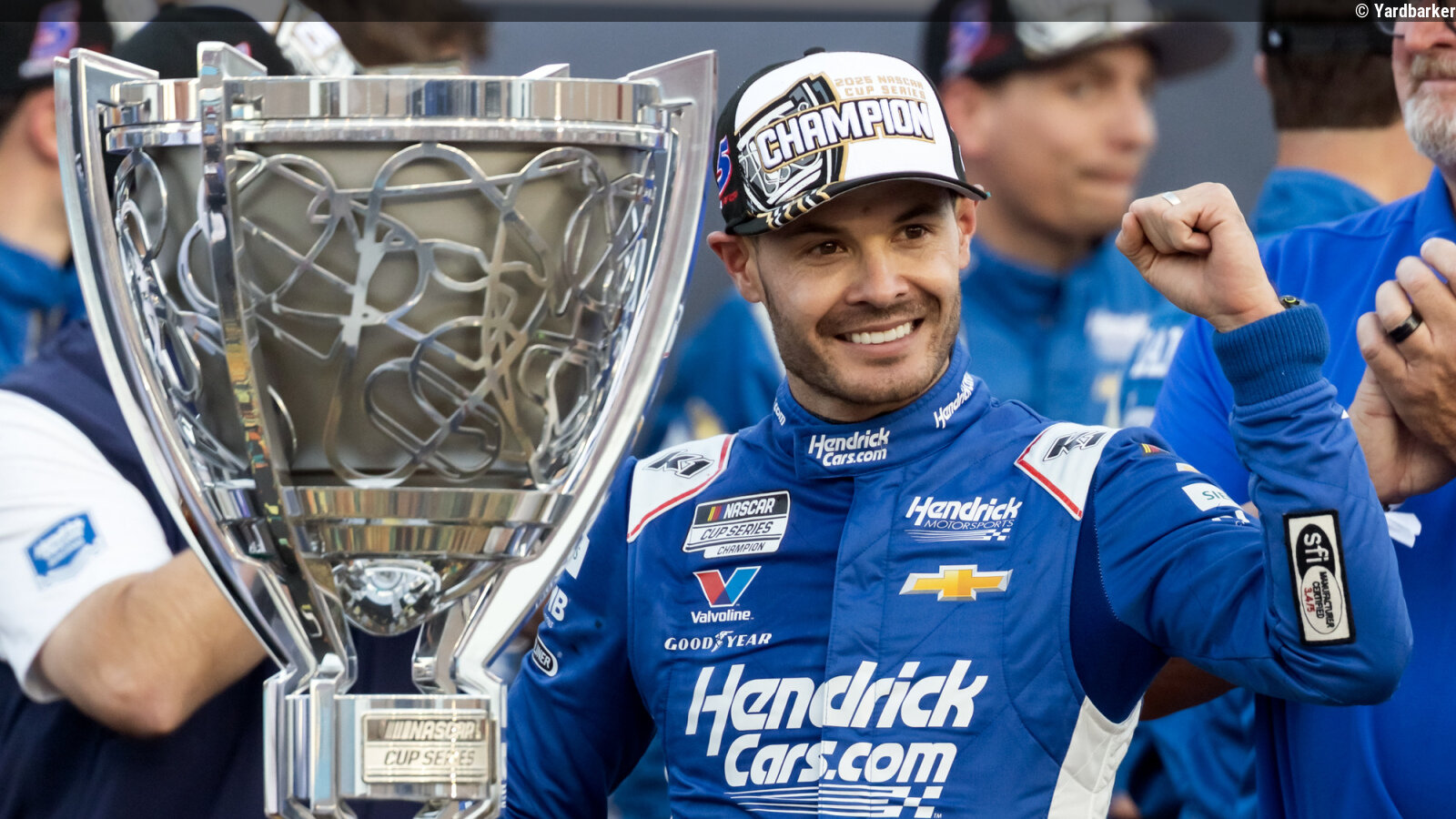
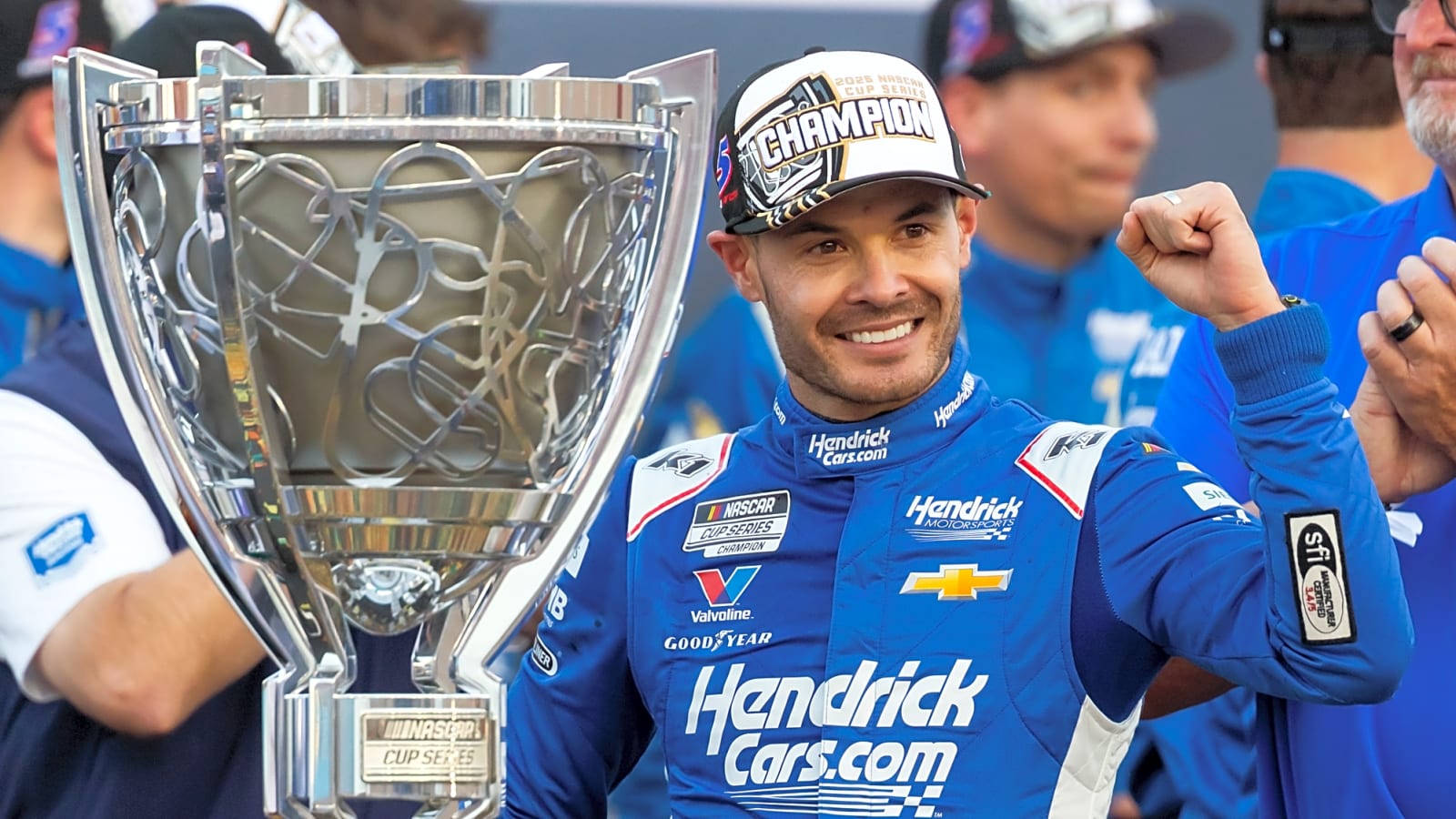
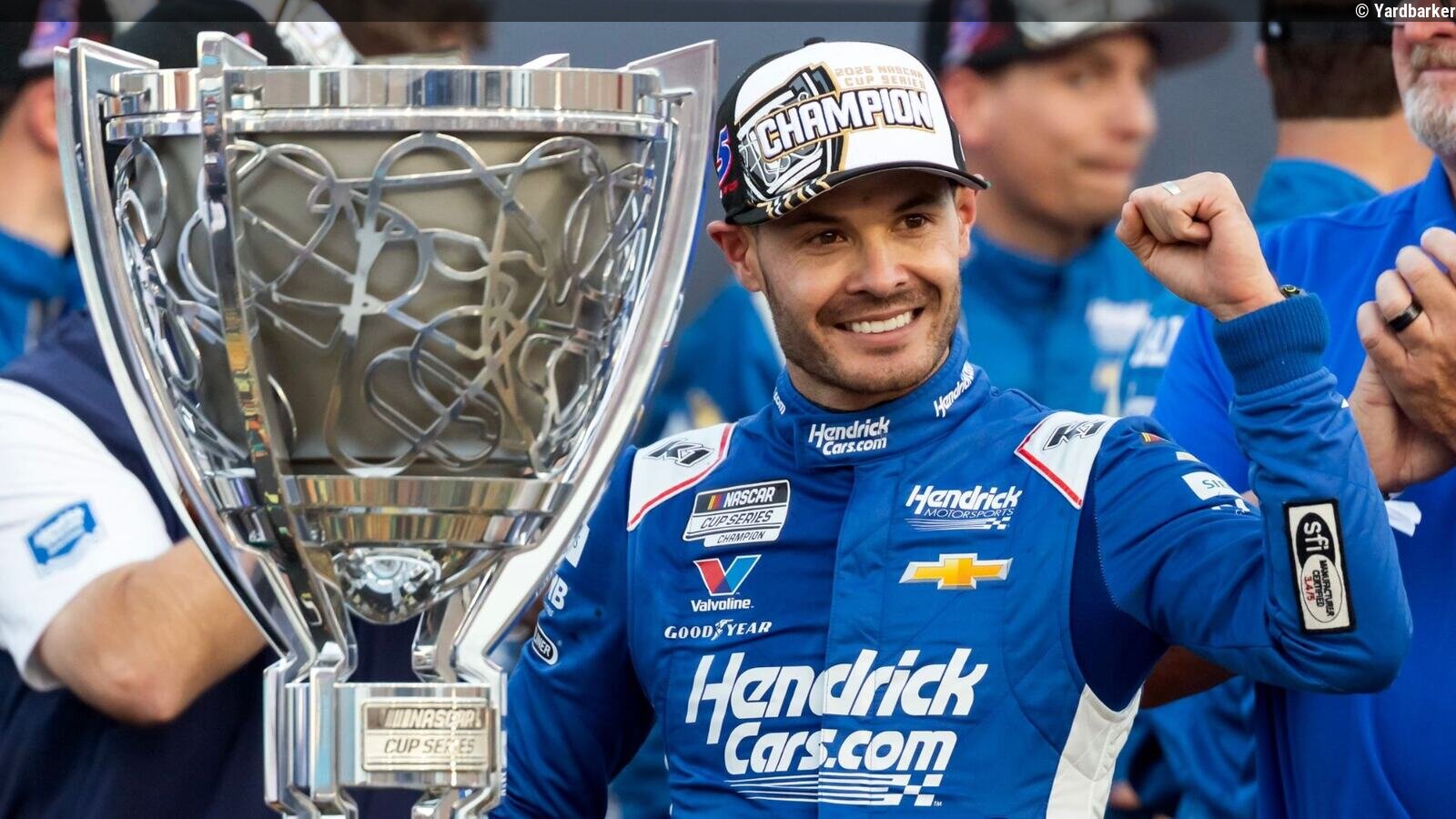
The season's competitive landscape reveals deeper strategic shifts. Technological innovations and diverse sponsorships are reshaping how racing entertainment is conceived and delivered. Amazon's broadcast coverage, praised for its innovative approach, signals a broader trend of media transformation. The integration of emerging talents like Connor Zilisch alongside established champions like Kyle Larson highlights a deliberate strategy of generational renewal and competitive depth.
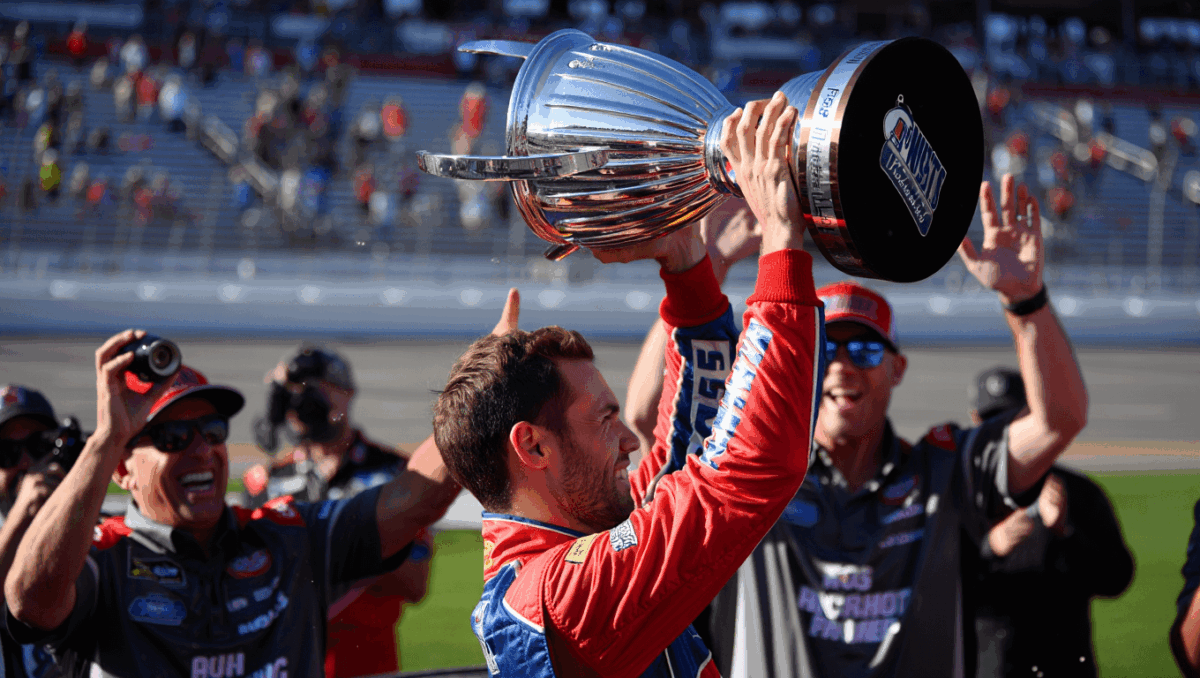
Critically, NASCAR is not merely expanding geographically but reimagining its entire competitive ecosystem. The introduction of talents like actor Frankie Muniz in the Truck Series and the breakthrough of drivers from diverse backgrounds suggest a calculated effort to broaden the sport's appeal. This isn't just about adding international races; it's about creating a more inclusive, globally relevant motorsports platform.
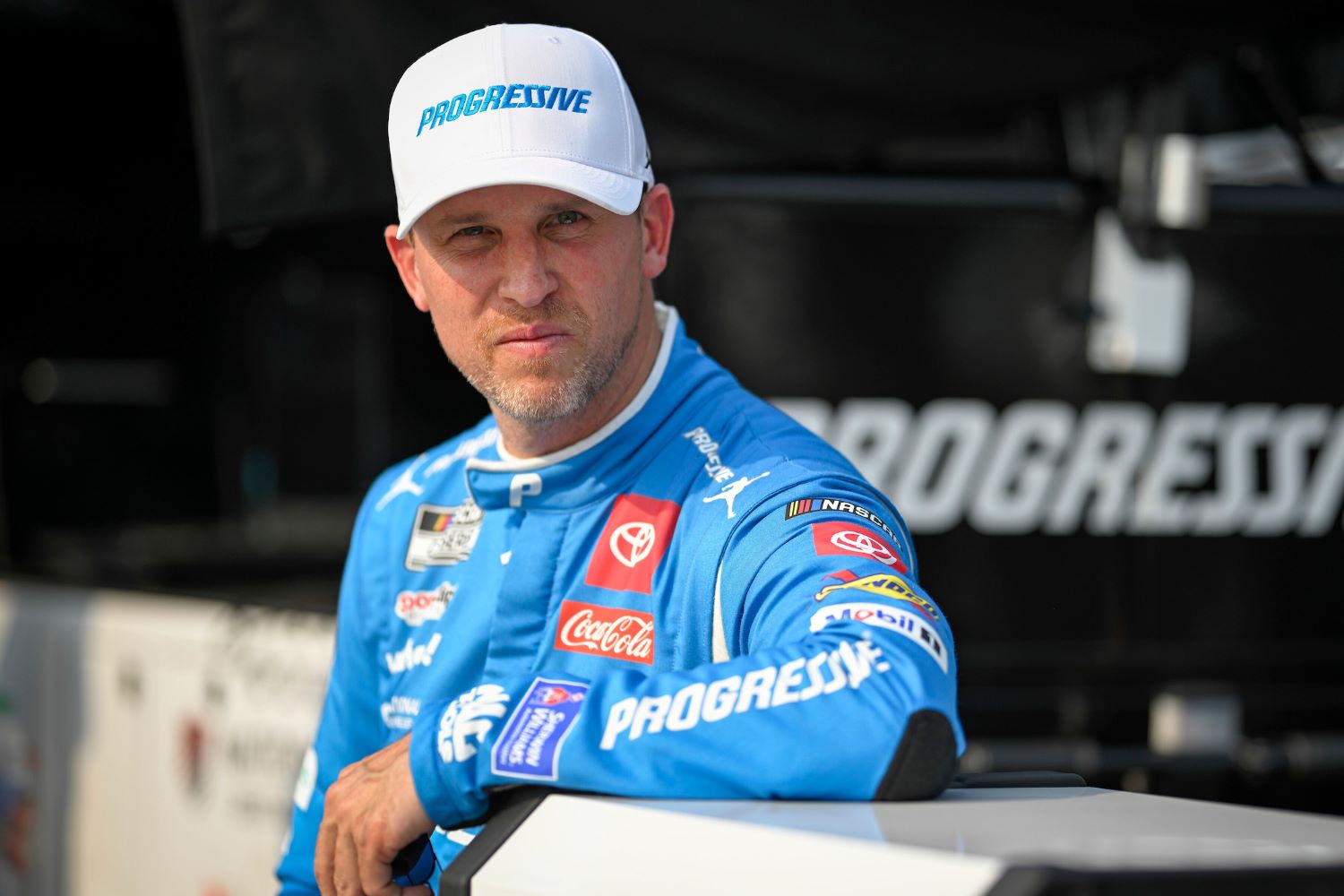
The competitive narrative is equally compelling. While established drivers like Denny Hamlin continue to demonstrate sustained performance, emerging talents like Bubba Wallace are rapidly changing team dynamics. The unexpected winless season for RFK Racing and Ty Gibbs's struggles at Joe Gibbs Racing underscore the increasingly competitive and unpredictable nature of modern NASCAR.
Questions 3
How is NASCAR transforming its global strategy through international driver integration?
NASCAR is actively breaking traditional geographic barriers by introducing international drivers like Shane van Gisbergen and hosting races in countries like Mexico. This strategy expands the sport's talent pool, increases global viewership, and creates new competitive dynamics that attract diverse audiences.
What are the competitive implications of NASCAR's international expansion?
The introduction of international drivers and races creates a more complex competitive landscape. Teams must now develop strategies that account for diverse driving styles, technological adaptations, and a broader talent pool, fundamentally changing team recruitment and performance optimization approaches.