




Digital Guardianship Emerges: Australia's Bold Stand on Teen Social Media Protection
- Landmark legislation signals global shift in youth digital rights and online safety


















)



)



















































Overview
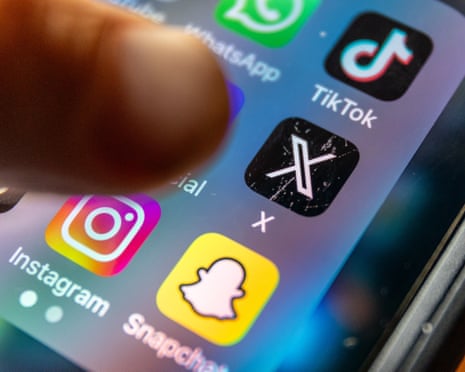
Australia's unprecedented social media legislation marks a critical inflection point in digital policy, challenging the unrestricted online access that has defined the past decade of youth digital engagement. By proposing a ban on social media access for children under 16, the country is pioneering a radical approach to digital child protection that could reshape global conversations about technology, adolescence, and consent.
The legislative move reveals deeper tensions between technological freedom and youth vulnerability. Teenage voices captured in the news—"we deserve to have a say"—highlight the complex dynamics at play. This isn't just about restricting access; it's a profound statement about digital citizenship, agency, and the evolving boundaries of online interaction. The legislation signals a transformative recognition that social media platforms are not neutral spaces, but powerful environments with significant psychological and developmental implications.
Strategic implications extend far beyond Australian borders. This policy represents an early warning for tech platforms about increasing regulatory scrutiny of their youth-facing products. Social media companies will likely need to develop more sophisticated age verification, content moderation, and developmental protection mechanisms. The move could trigger a domino effect, with other nations potentially adopting similar protective frameworks.
For policymakers and technology leaders, this represents a watershed moment in digital governance. It challenges the previous laissez-faire approach to youth online engagement, suggesting a more proactive, protective model of digital citizenship. The legislation implicitly acknowledges that current social media ecosystems may be fundamentally misaligned with adolescent psychological development and well-being.
Questions 3
How might this legislation impact social media platforms?
Platforms will likely need to develop more robust age verification systems, redesign user interfaces for younger audiences, and potentially create specialized, more controlled digital spaces for teens. This could drive significant innovation in content moderation and age-appropriate digital experiences.
Why is Australia implementing this social media ban for teens?
The legislation aims to protect minors from potential psychological harm, cyberbullying, and inappropriate content by restricting social media access until age 16. It reflects growing concerns about the negative impacts of unregulated digital environments on adolescent mental health and development.