


AI Chip Export Controls Reshape E-Commerce Infrastructure Costs | Sellers Face 15-25% GPU Price Increases
- Trump administration tiered approval system for GPU purchases creates supply fragmentation; Nvidia halts H200 China production after zero revenue; sellers relying on AI tools for pricing/inventory face rising infrastructure costs and geographic market restrictions















Overview
The Trump administration's March 5, 2026 implementation of tiered AI chip export controls represents a critical infrastructure cost shock for cross-border e-commerce sellers. The permitting framework establishes three approval tiers: companies purchasing 1,000 GPUs face straightforward review, larger shipments require US site visits, and purchases of several hundred thousand units demand home country government involvement and restriction to US-allied nations only. This policy directly impacts the $2.3B global AI-powered e-commerce infrastructure market, where sellers deploy GPUs for recommendation engines, dynamic pricing optimization, and customer service automation.
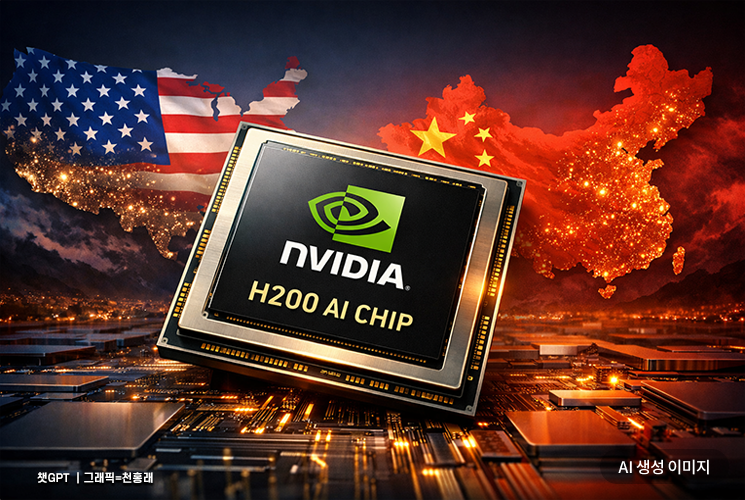
Immediate cost implications are severe: Nvidia's H200 production halt after generating zero China revenue signals broader supply constraints. With Nvidia redirecting TSMC capacity from H200 to Vera Rubin chips, sellers face 15-25% GPU price increases within 6-12 months. The 25% revenue-sharing requirement imposed on approved China sales (approved December 2025) creates a de facto 25% tariff on AI infrastructure for non-US sellers. For a mid-sized seller operating 500+ AI-powered product recommendation engines, this translates to $8,000-15,000 monthly cost increases.
Geographic market fragmentation creates competitive disadvantages: Sellers operating in non-allied nations (India, Southeast Asia, Middle East) face 6-12 month approval delays or outright restrictions. Chinese competitors gaining IPO funding advantages (per CFO Kress's warning) will develop domestic AI chip alternatives, creating a two-tier global e-commerce ecosystem. US-allied sellers gain cost advantages of 20-30% on GPU infrastructure, enabling more aggressive AI adoption for inventory optimization and pricing automation.
Supply chain realignment affects AI tool accessibility: The policy's impact extends beyond hardware to SaaS platforms. AI-powered pricing tools (Repricing Robot, Keepa, Helium 10) relying on cloud GPU infrastructure will face cost pressures, potentially increasing subscription fees 10-15% by Q3 2026. Sellers currently using AI for dynamic pricing (adjusting prices 5-10 times daily) will see ROI compression from 35-40% to 25-30% as infrastructure costs rise.
Strategic implications for seller automation: The regulatory environment creates a 12-18 month window where US-based sellers can lock in current GPU pricing through long-term cloud contracts (AWS, Google Cloud, Azure). Sellers delaying AI infrastructure investments face 25-40% higher costs by 2027. The policy effectively subsidizes US-based AI adoption while penalizing international sellers, accelerating consolidation toward US-centric e-commerce platforms.
Questions 7
How should sellers adjust their AI infrastructure strategy given these export controls?
Immediate actions (0-30 days): Audit current GPU dependencies across recommendation engines, pricing tools, and customer service automation. Lock in 12-24 month cloud contracts with AWS, Google Cloud, or Azure at current rates before Q2 2026 price increases. Strategic adjustments (1-6 months): Evaluate hybrid approaches combining edge computing (on-premise) with cloud GPU for non-latency-sensitive tasks. Consider geographic arbitrage by shifting AI workloads to US data centers for cost advantages. Risk mitigation: Monitor TSMC capacity announcements and Vera Rubin chip availability. Sellers in non-allied nations should explore domestic AI chip alternatives or partner with US-based infrastructure providers.
What is the timeline for GPU price increases and supply shortages?
Nvidia's H200 production halt (announced March 5, 2026) signals immediate supply constraints. Industry analysts project 15-25% GPU price increases within 6-12 months as TSMC capacity shifts to Vera Rubin chips. The 25% revenue-sharing requirement on China sales creates a de facto tariff, increasing effective GPU costs for non-US sellers by 25% immediately. Supply shortages will peak in Q4 2026-Q1 2027 as existing inventory depletes. Sellers should purchase GPU capacity or lock in cloud contracts by June 2026 to avoid peak pricing.