


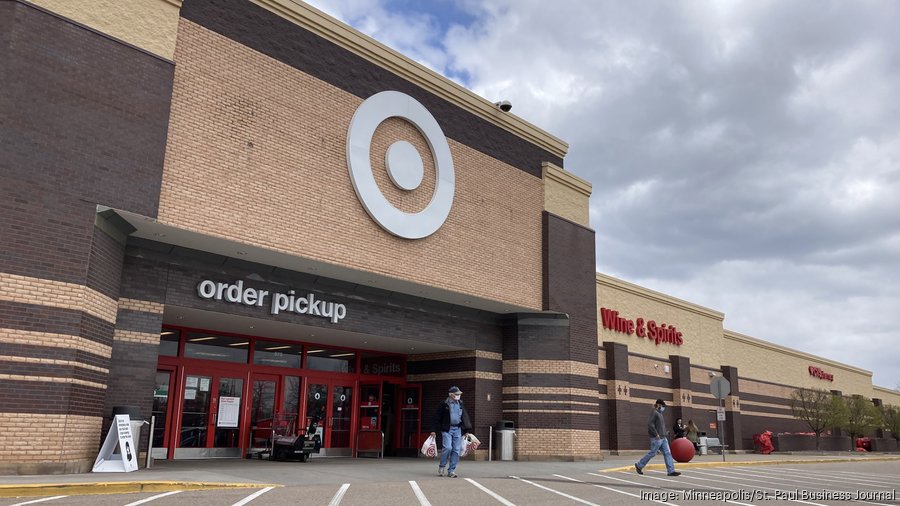


Target's $Billion Retail Overhaul 2025 | Supplier & Seller Opportunities
- New CEO invests billions in store refresh and design-led merchandise, opening major opportunities for home goods, apparel, and beauty suppliers to Target's 2,000-store network


















Overview
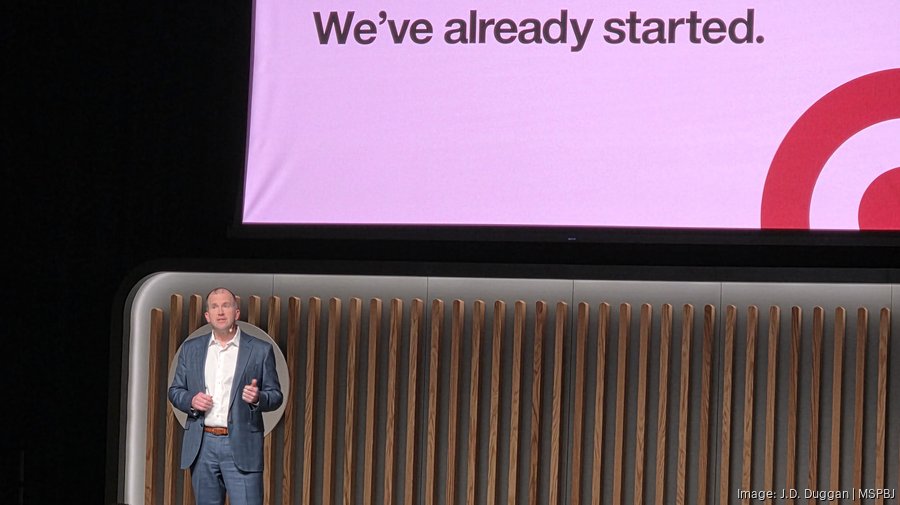
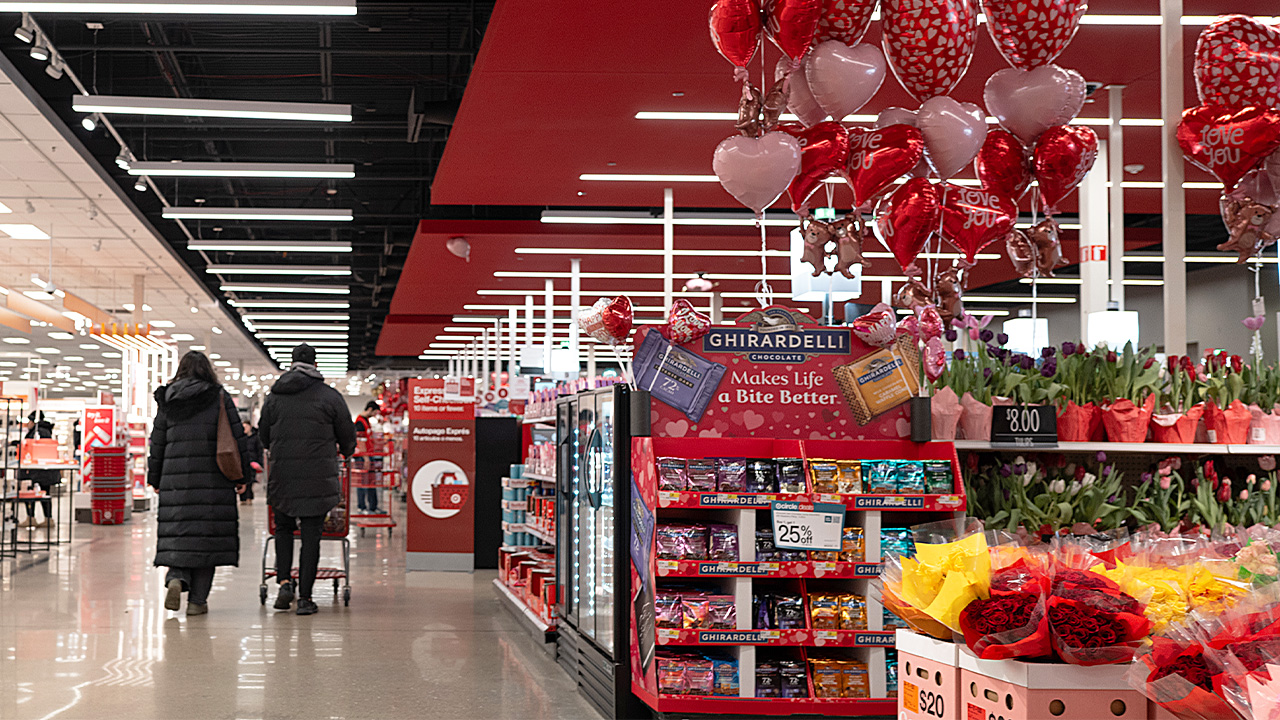
Target's newly appointed CEO Michael Fiddelke is executing a multi-billion dollar turnaround strategy in 2025 focused on reversing persistent sales declines and rebuilding customer trust across the retailer's 2,000-store network. The company's three-pillar strategy—refreshing physical store environments, revitalizing merchandise through design-led creativity, and rebuilding customer trust—creates immediate opportunities for third-party suppliers, cross-border sellers, and O2O retailers to position products within Target's aggressive merchandise refresh cycle.
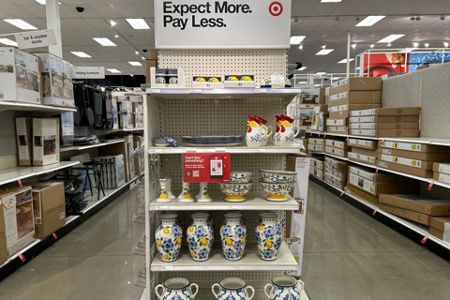
Key Strategic Shifts Creating Supplier Opportunities: Fiddelke's decision to restore buyer travel to international markets for design inspiration signals Target is actively sourcing new merchandise from global suppliers. This represents a significant reversal from pandemic-era restrictions and indicates the company is seeking fresh, design-forward products in core categories: stylish clothing, housewares, beauty products, and affordable packaged goods. For cross-border sellers and international suppliers, this creates a 6-12 month window to pitch new collections to Target's buying teams as they rebuild inventory assortments. The emphasis on "design-led creativity" suggests Target is moving away from commodity-focused sourcing toward differentiated, branded products—favoring suppliers with strong design credentials and brand equity.
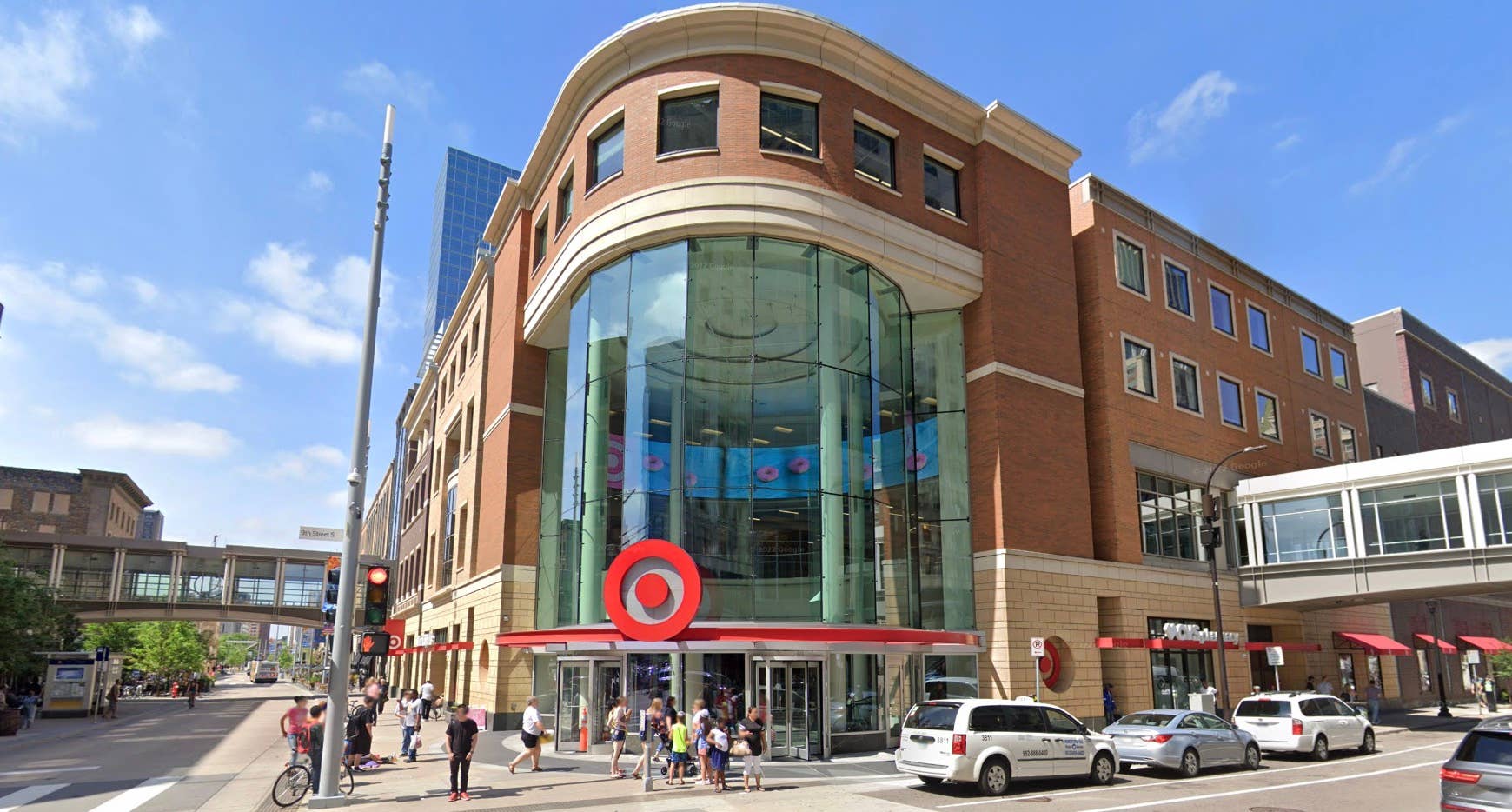
Retail Partnership & O2O Implications: Target's 2,000 stores serve as community anchors, and the store refresh initiative creates immediate opportunities for pop-up partnerships, in-store experiences, and O2O conversion strategies. Sellers can leverage Target's store network for temporary retail presence, particularly in high-traffic locations like Minneapolis (headquarters region), major metropolitan areas, and suburban markets where Target maintains strong foot traffic. The company's historical commitment to returning 5% of operating profits to local communities suggests receptiveness to community-focused retail partnerships. For online sellers, Target's store refresh presents an opportunity to establish offline touchpoints—pop-up shops, showrooms, or kiosk partnerships—that can drive brand awareness and boost online conversion rates by 15-25%, typical for omnichannel retail strategies.
Competitive Positioning & Margin Opportunities: Target's acknowledged performance challenges across all segments indicate the company is actively seeking new merchandise categories and suppliers to differentiate from competitors like Walmart and Amazon. Sellers in home décor, wellness products, sustainable goods, and emerging beauty brands have elevated negotiating power during this refresh cycle. The company's strong brand equity as an "emotional brand that customers love" means Target can command premium positioning for differentiated products, creating margin opportunities for suppliers willing to invest in exclusive designs or limited-edition collections that drive customer traffic and loyalty.
Questions 7
How can online sellers use Target's store network for O2O expansion?
Target's 2,000-store network and emphasis on stores as 'community anchors' creates immediate opportunities for pop-up partnerships, showroom placements, and experiential retail. Sellers can negotiate temporary retail presence in high-traffic Target locations to establish offline touchpoints that drive brand awareness and boost online conversion rates by 15-25%, typical for omnichannel strategies. The company's historical commitment to returning 5% of operating profits to local communities suggests receptiveness to community-focused partnerships. Pop-up stores in major metropolitan areas and suburban markets where Target maintains strong foot traffic can serve as testing grounds for new products before scaling on Amazon, Shopify, or other e-commerce platforms.
What specific merchandise categories is Target prioritizing in its 2025 turnaround?
Target's new CEO explicitly identified four core categories for the merchandise refresh: stylish clothing, housewares, beauty products, and affordable packaged goods. The company is investing billions in design-led creativity and restoring buyer travel to international markets for design inspiration—a practice limited during the pandemic. This signals Target is actively seeking new suppliers and fresh designs in these categories. For sellers, this creates a 6-12 month window to pitch new collections, particularly products with strong design credentials, sustainability features, or exclusive brand positioning that can differentiate Target's assortment from competitors like Walmart and Amazon.