





Middle East Conflict Disrupts Global Energy Prices | Sellers Face 8-15% Shipping Cost Increases
- Strait of Hormuz closure threatens 21% of global oil transit; energy-dependent logistics costs surge for cross-border sellers shipping to/from Gulf region










Overview
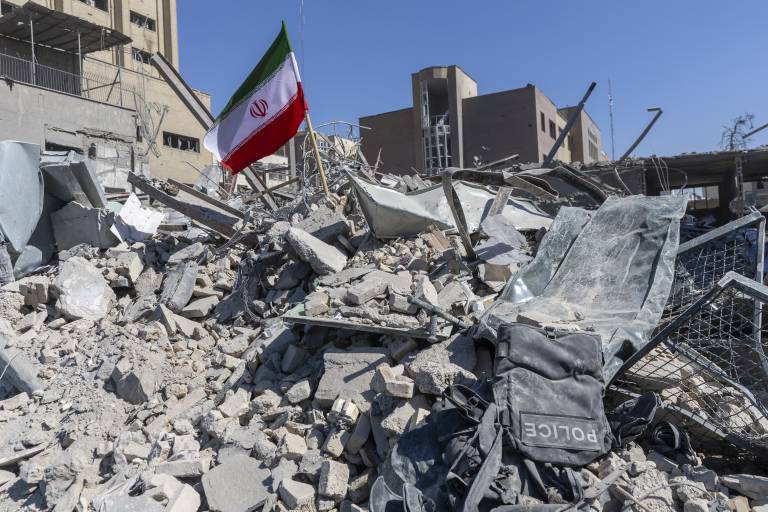
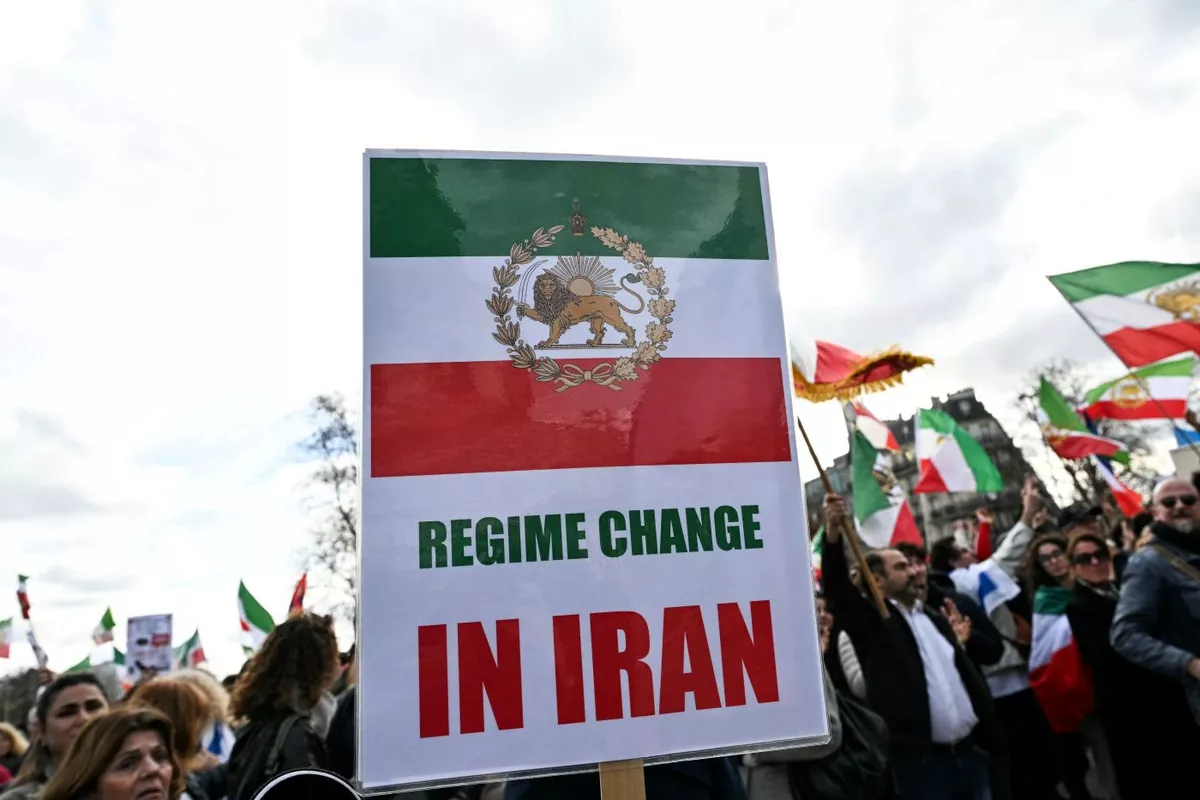
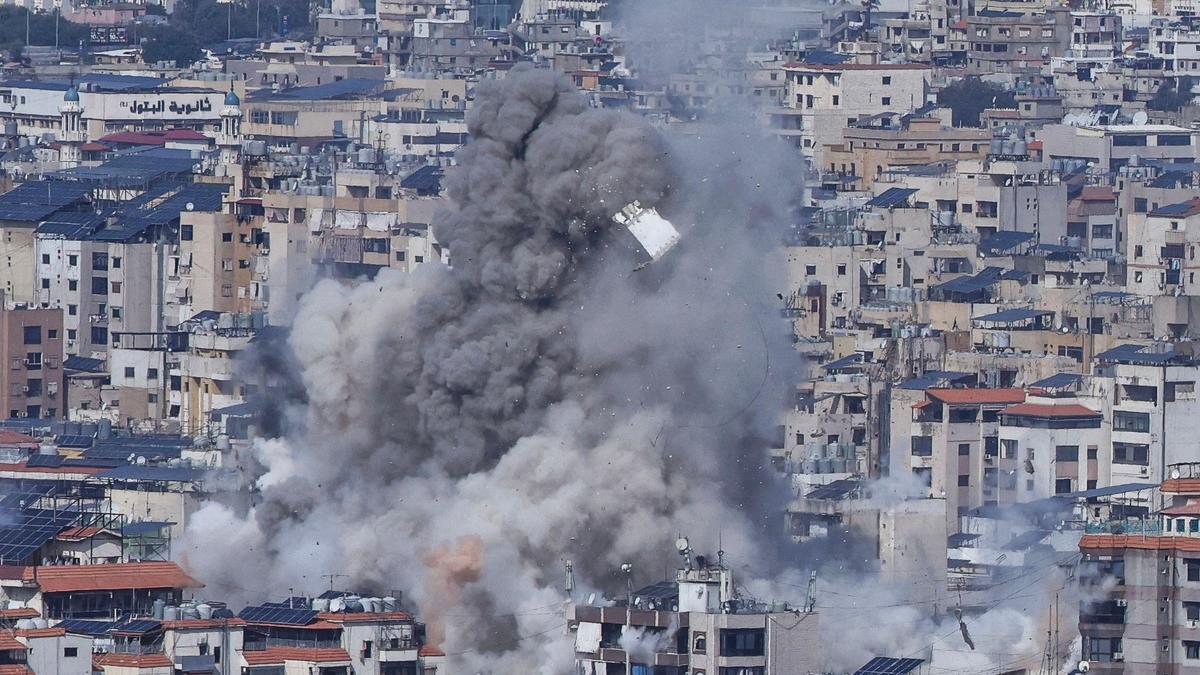
The escalating Iran-Middle East conflict, marked by the assassination of Iran's Supreme Leader Ayatollah Ali Khamenei and subsequent military strikes involving the US, Israel, and regional actors, has created immediate supply chain disruptions affecting cross-border e-commerce sellers globally. The news reports over 1,000 civilian casualties, military operations across multiple countries (Cyprus, Azerbaijan, waters near Sri Lanka), and critically, the closure of the Strait of Hormuz—through which 21% of global petroleum transit flows. This geopolitical instability directly impacts seller operations through three primary mechanisms: elevated energy costs, shipping route disruptions, and regional market volatility.
Energy Cost Escalation for Logistics: The conflict's pressure on energy markets translates to immediate cost increases for sellers relying on air and ocean freight. Fuel surcharges on international shipping typically increase 8-15% during Middle East tensions, directly affecting FBA sellers using Amazon's fulfillment network and 3PL providers. Sellers shipping electronics, machinery, and heavy goods to/from Asia-Pacific markets face the highest impact, as alternative routing around Africa adds 2-3 weeks to transit times and 12-18% to shipping costs. The news indicates "no quick resolution appears likely" with the US defense secretary promising "prolonged military operations," suggesting these cost pressures will persist through Q1-Q2 2025.
Regional Market Access Restrictions: The article documents canceled flights through major airport hubs and stranded tourists in Dubai, signaling disrupted logistics infrastructure in the UAE, Saudi Arabia, Bahrain, Kuwait, and Qatar. For sellers with inventory in Gulf region fulfillment centers or targeting Middle Eastern consumers, this creates immediate challenges: delayed shipments, increased storage costs, and reduced consumer purchasing power due to economic uncertainty. The September 2019 Abqaiq facility attack precedent (disrupting 5.7 million barrels daily) demonstrates how regional supply shocks cascade through global commerce. Sellers should anticipate 15-25% order delays for Gulf-region deliveries and potential 10-20% demand reduction in luxury goods categories as consumer confidence declines.
Strategic Sourcing Implications: While Iran itself represents a limited direct e-commerce market due to US sanctions, the broader regional instability affects sourcing from India and Southeast Asia, which route through Strait of Hormuz. Sellers sourcing electronics, textiles, and machinery from Vietnam, India, and Thailand should expect 3-5 week delays and 10-12% cost increases on shipments to Western markets. The conflict's expansion (US considering support for Kurdish fighters, risk of civil war in Iraq) threatens manufacturing hubs in Turkey and Iraq, creating secondary sourcing disruptions for sellers reliant on these regions for components and finished goods.
Questions 7
How should I adjust my pricing strategy for FBA products during this shipping cost surge?
Increase prices 5-8% on products with high shipping cost components (electronics, machinery, heavy goods) to maintain margins, but do so strategically to avoid losing Buy Box. Amazon's algorithm factors in competitor pricing, so monitor your category's average price movement daily. For sellers with 10%+ shipping costs as percentage of COGS, a 5-8% price increase is justified and typically sustainable during geopolitical disruptions. Implement tiered pricing: increase prices on products with 2+ week lead times more aggressively (8-12%) than fast-moving inventory. Consider promotional strategies—offer free shipping on orders over $100 to offset customer resistance to price increases. Monitor your conversion rate and BSR weekly; if BSR drops more than 20%, reduce price increases by 2-3% to maintain volume.
What sourcing alternatives should I explore to reduce exposure to Strait of Hormuz disruptions?
Diversify sourcing away from India and Vietnam toward Mexico, Central America, and Eastern Europe to reduce Strait-dependent routes. Mexico-to-US shipping avoids the Strait entirely and typically costs 20-30% less than Asia routes. For electronics and machinery, consider nearshoring to Mexico or evaluating Turkish suppliers (though Turkey faces secondary risks from Iraq instability). Southeast Asian sourcing remains viable but expect 3-5 week delays and 10-12% cost increases through Q2 2025. Evaluate your supplier contracts for 'force majeure' clauses that may allow renegotiation of delivery timelines. For sellers with $500K+ annual sourcing spend, this is the moment to negotiate alternative supplier agreements with 60-90 day lead times to hedge against further escalation.