



Ukraine Defense Tech Exports Signal Supply Chain Reshuffling | Cross-Border Sellers Face New Sourcing Opportunities in Eastern Europe
- Ukraine scales interceptor drone production to 10,000 units monthly, opening B2B export corridors; geopolitical realignment creates tariff arbitrage opportunities for sellers sourcing defense-adjacent electronics and components from emerging Ukrainian suppliers
















Overview
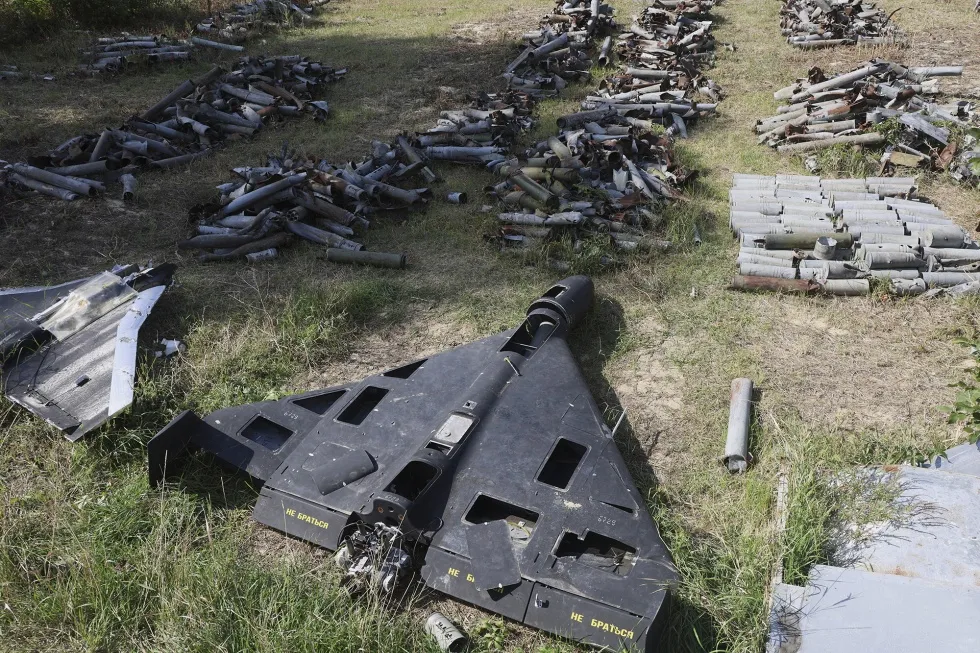
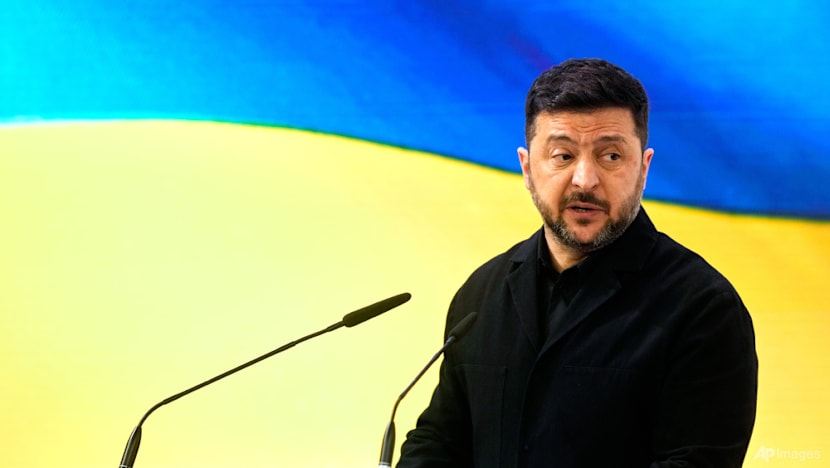
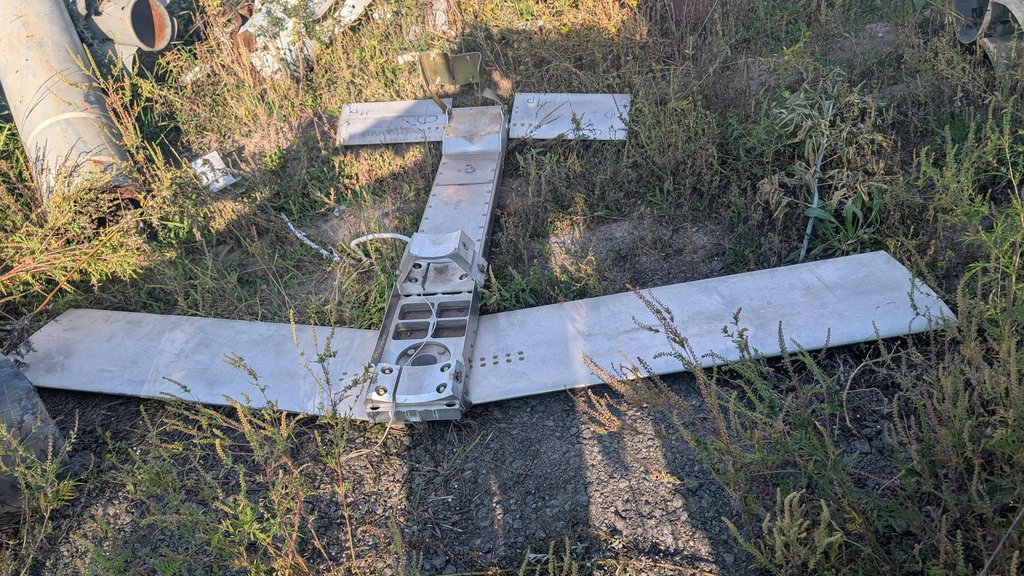
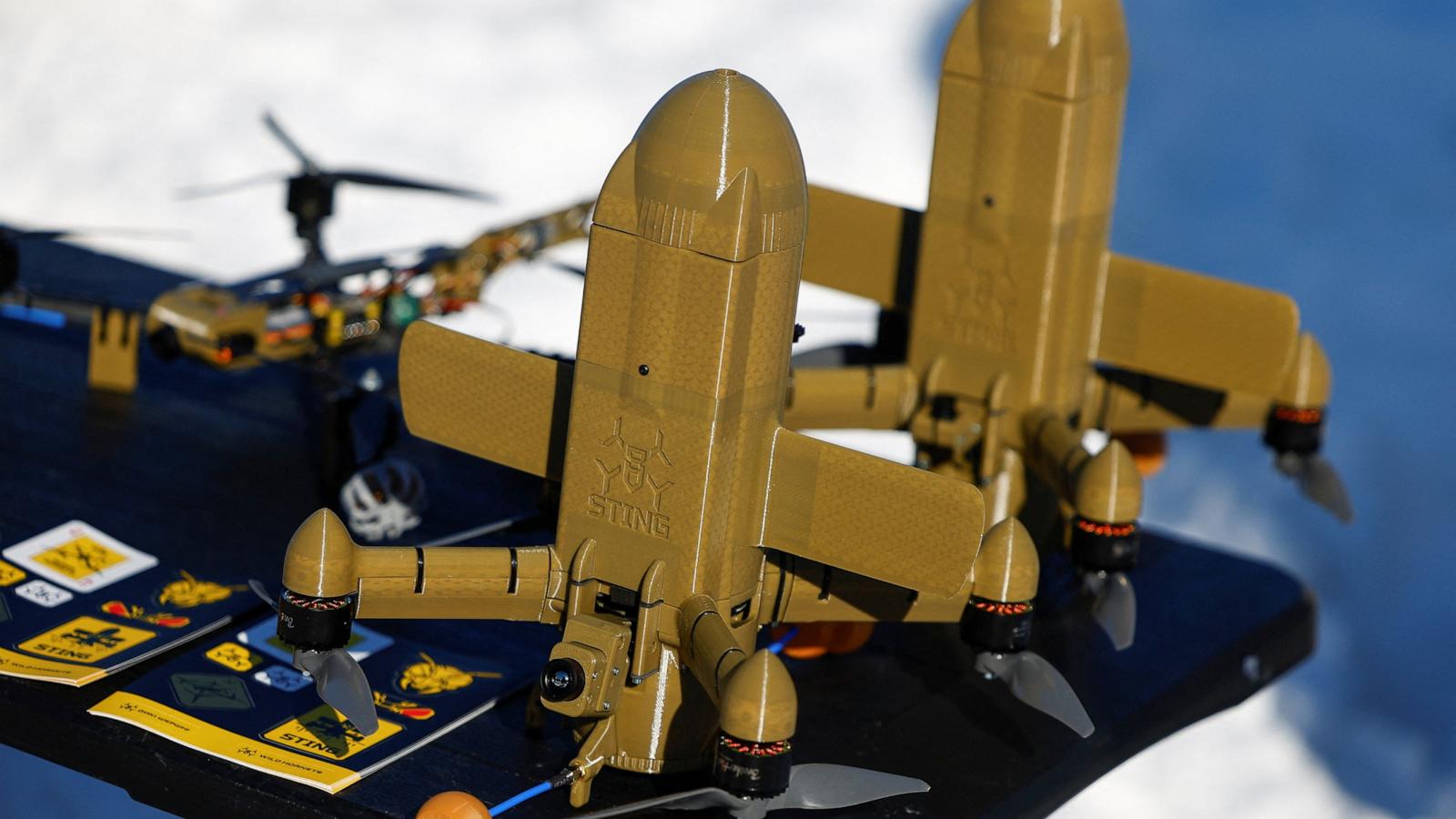
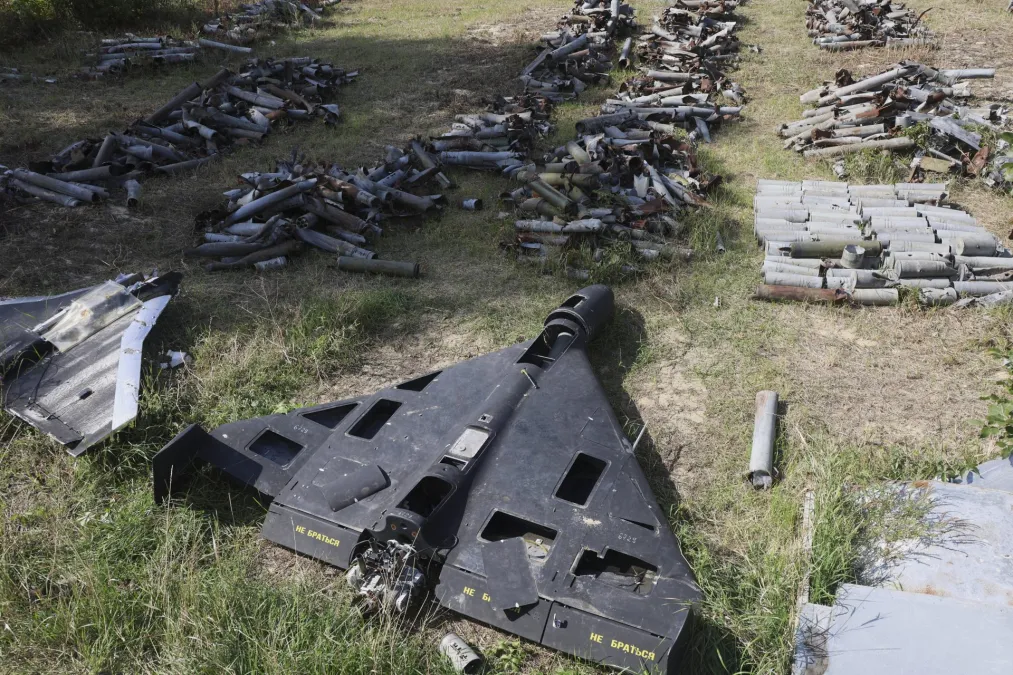
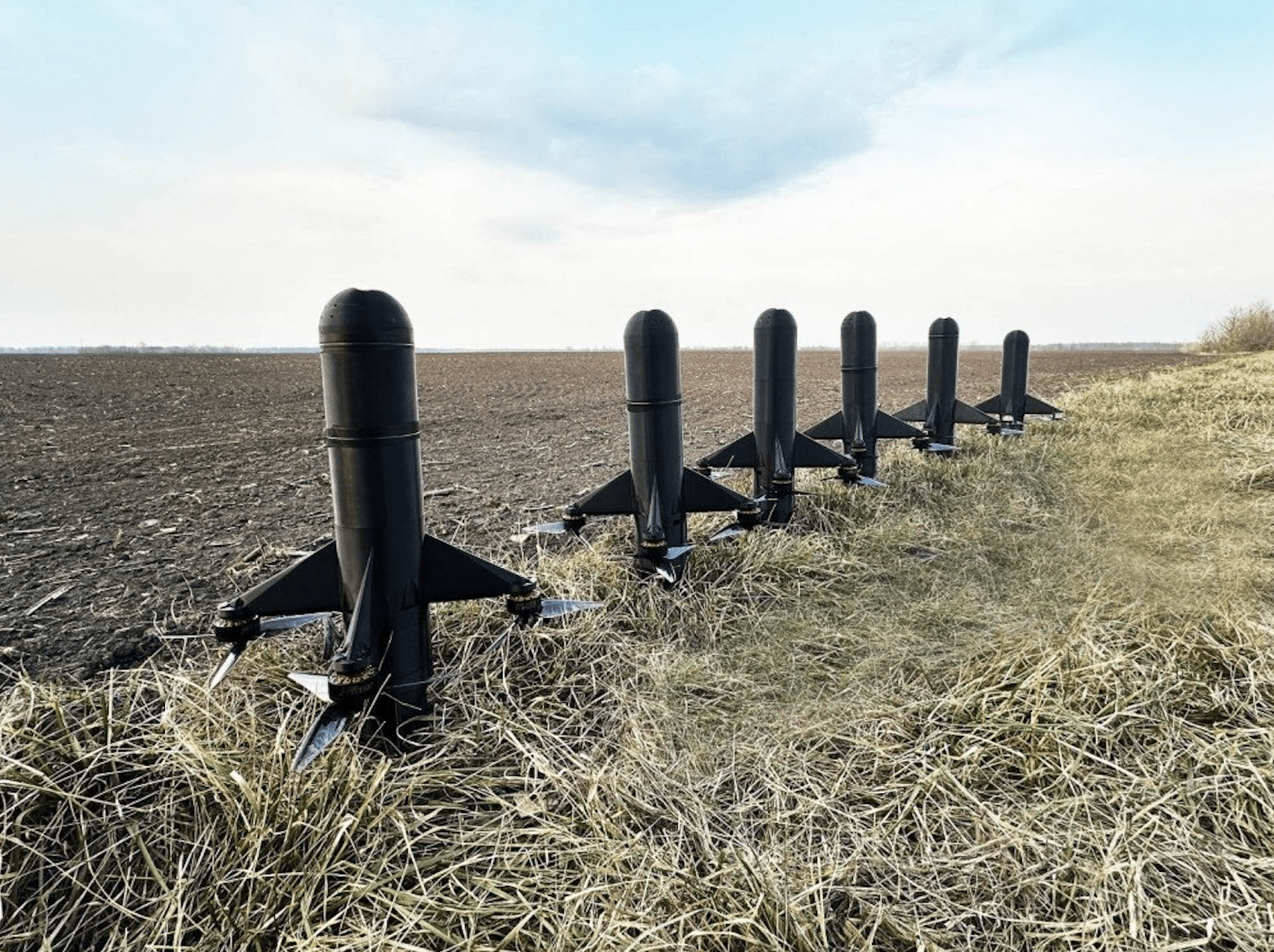
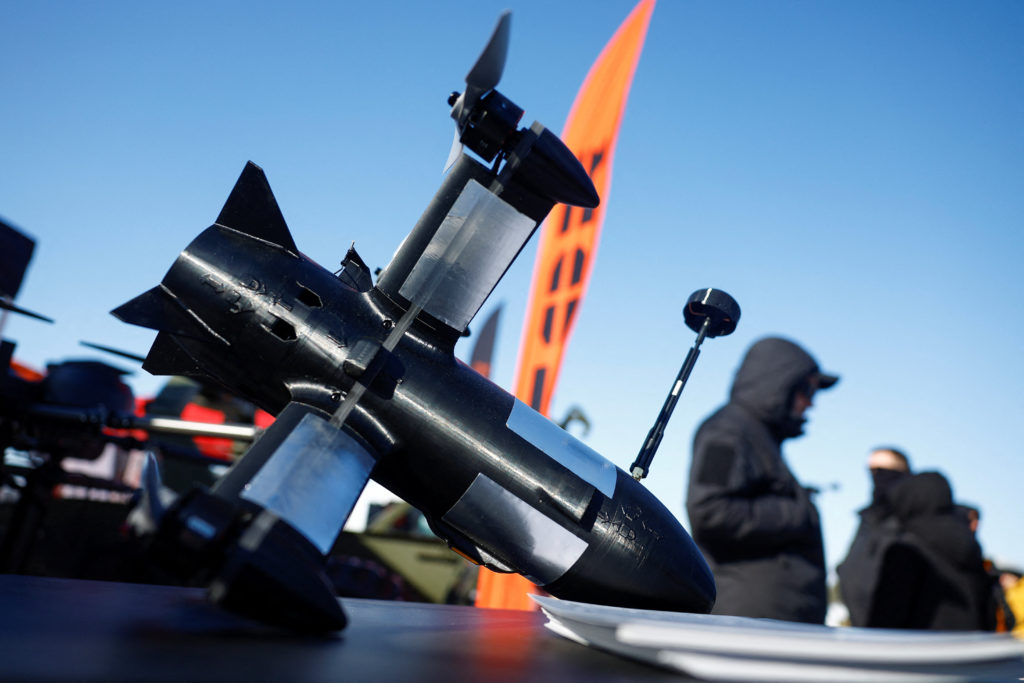
Ukraine's emerging role as a defense technology exporter—evidenced by President Zelensky's negotiations with Gulf states (Saudi Arabia, Qatar, UAE) to provide interceptor drone expertise and equipment—signals a significant geopolitical supply chain realignment with direct implications for cross-border sellers. The news reveals that Ukraine's Defense Industry Council head Ihor Fedirko has committed to scaling interceptor-drone production capacity to 10,000 units monthly, representing a $400M-$800M annual production opportunity at current defense pricing. This diplomatic reversal, where Ukraine transitions from military aid recipient to specialized technology provider, creates three critical opportunities for e-commerce sellers: (1) Emerging sourcing corridors from Ukrainian manufacturers of electronics, components, and precision equipment now seeking international commercial markets; (2) Tariff arbitrage windows as US-Ukraine trade relationships strengthen through defense cooperation, potentially reducing tariffs on dual-use electronics (HS codes 8471-8548) by 5-12%; (3) B2B marketplace expansion as Ukrainian suppliers establish commercial export channels through platforms like Alibaba, Global Sources, and emerging EU trade portals.
The geopolitical context matters for sellers because US policy attention to Middle Eastern conflicts (mentioned as a risk in the reporting) typically correlates with increased defense spending, which cascades into commercial electronics demand. Gulf nations' procurement of air defense systems creates secondary demand for supporting electronics, sensors, and components—categories where Ukrainian manufacturers have demonstrated export capability. Sellers sourcing from Eastern Europe can capitalize on this moment: Ukrainian suppliers historically offer 15-25% cost advantages versus Western European manufacturers for precision electronics, and the current diplomatic window (delegations from multiple Gulf states are actively negotiating in Kyiv) suggests 6-12 month window before supply chains stabilize and pricing normalizes.
Specific seller opportunities emerge across three timelines: Immediate (0-3 months): Identify Ukrainian suppliers of electronics components (resistors, capacitors, circuit boards, sensors) through B2B platforms and establish relationships before mainstream sourcing firms discover these suppliers. Medium-term (3-6 months): Monitor tariff code changes (HS 8471-8548 range) as US-Ukraine trade agreements formalize, potentially reducing import duties on electronics from 2.5-8% to 0-3%. Long-term (6-12 months): Position inventory of Eastern European-sourced electronics before supply constraints emerge from increased defense manufacturing demand. The production capacity announcement (10,000 units monthly) indicates Ukraine is building manufacturing infrastructure that will support commercial electronics exports, creating a 12-24 month window before capacity constraints limit availability.
Questions 8
Which product categories benefit most from Ukrainian sourcing opportunities?
Electronics components (resistors, capacitors, circuit boards, sensors), precision instruments, and industrial electronics represent the highest-opportunity categories. Ukraine's defense industry expertise translates to strong capabilities in sensor technology, circuit board manufacturing, and precision components—all categories with strong cross-border e-commerce demand. Secondary opportunities include telecommunications equipment and industrial control systems. Sellers should prioritize HS codes 8471 (automatic data processing machines), 8534 (printed circuits), and 8542 (electronic integrated circuits) where Ukrainian suppliers have demonstrated export capability and cost advantages. These categories typically see 20-40% margins on Amazon and eBay, with Ukrainian sourcing reducing COGS by 15-25%.
What tariff opportunities exist for sellers importing electronics from Ukraine?
Current US tariffs on electronics components (HS codes 8471-8548) range from 2.5-8% depending on product classification. As US-Ukraine defense cooperation deepens—evidenced by negotiations with Gulf states for technology transfer—trade agreements typically include tariff reductions of 5-12% on dual-use electronics. Sellers should monitor USTR announcements for formal trade agreement updates, expected within 6-12 months. Establishing supplier relationships now allows sellers to lock in current pricing before tariff reductions take effect, creating 8-15% margin improvements on electronics inventory. Track tariff code changes through USITC.gov and consult with customs brokers on classification optimization.