


European Agricultural Tensions Erupt: Farmers Paralyze Infrastructure in Subsidy Showdown
- Widespread protests expose deep fractures in EU agricultural support systems and policy implementation




































Overview
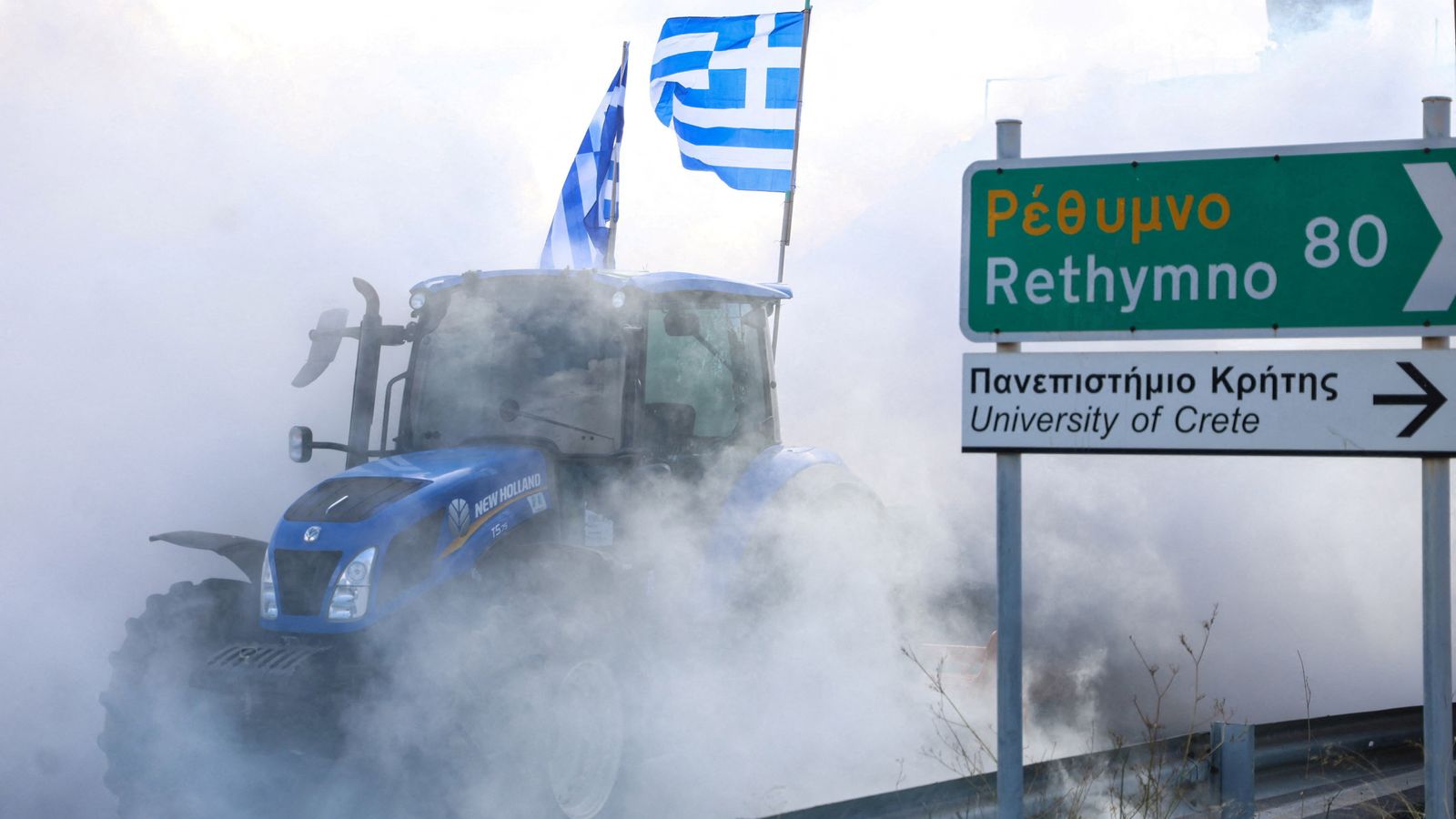
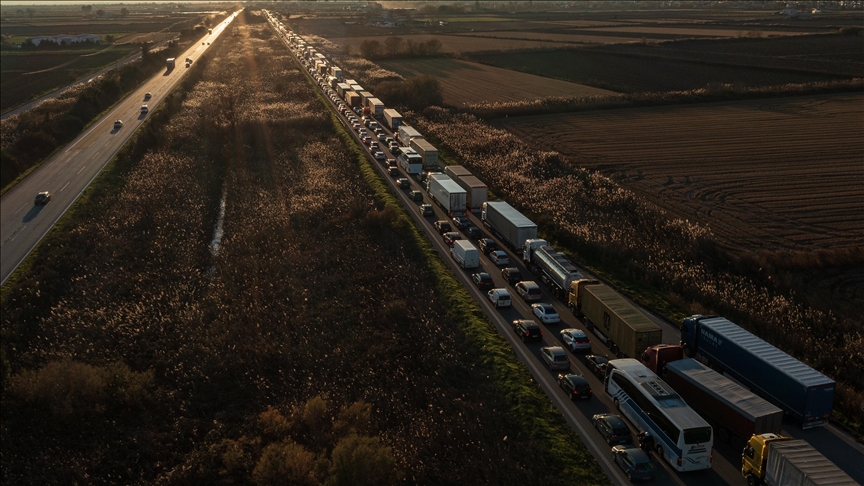
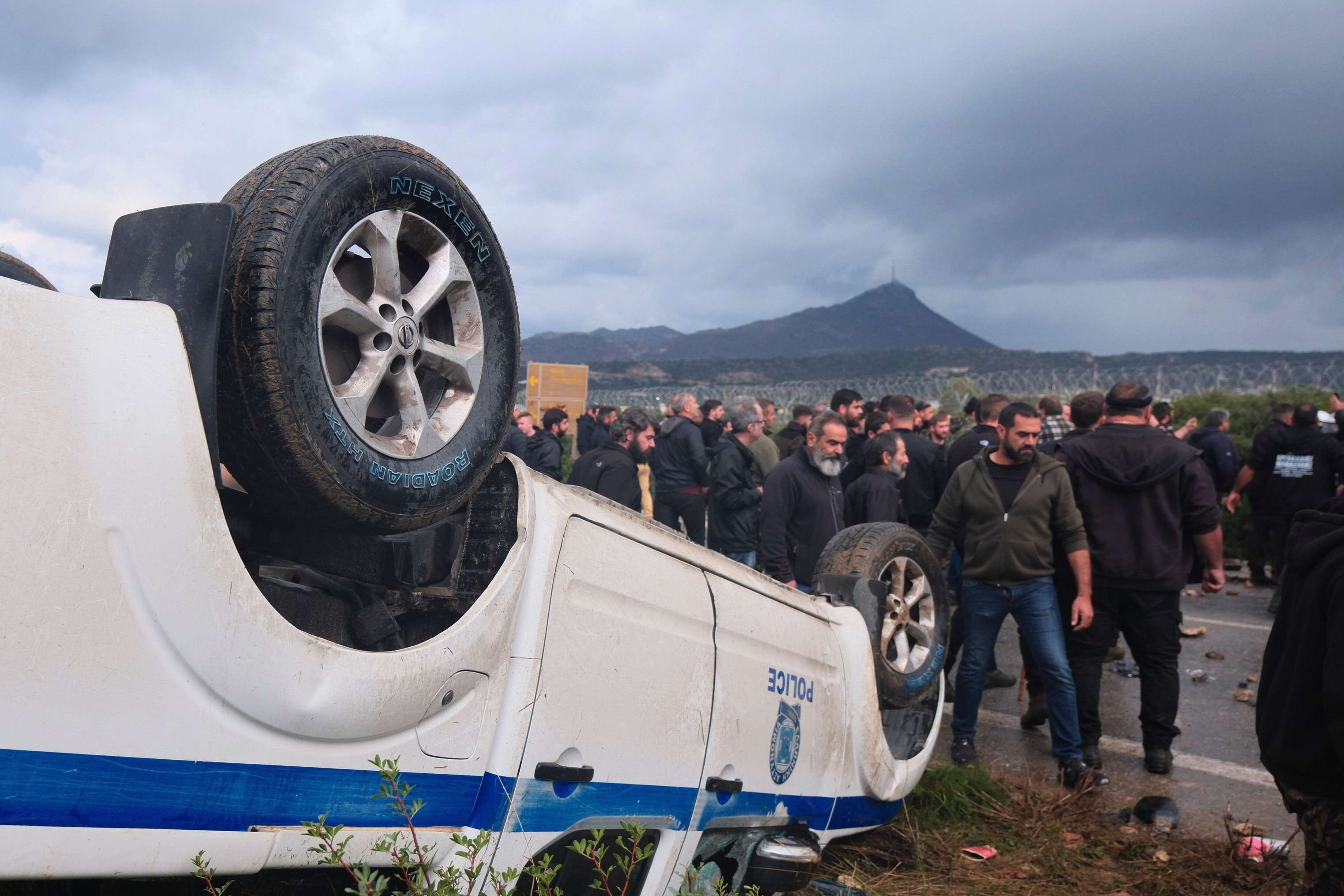
The Greek farmers' protests represent a critical inflection point in European agricultural policy, revealing systemic tensions between agricultural producers and bureaucratic governance. By strategically blocking transportation infrastructure across Crete and mainland Greece, farmers have transformed a financial dispute into a powerful political statement about agricultural sustainability and economic fairness.
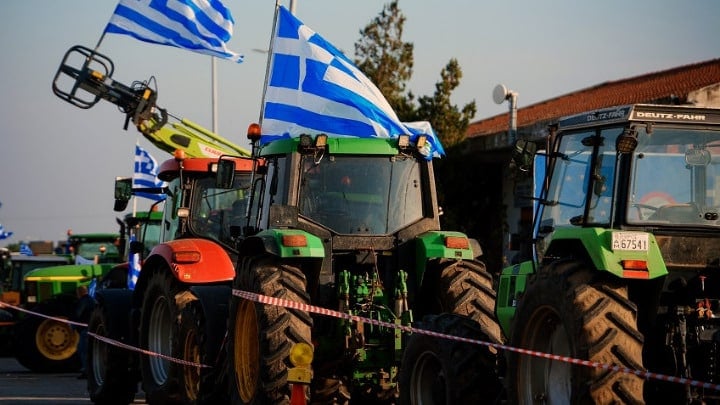
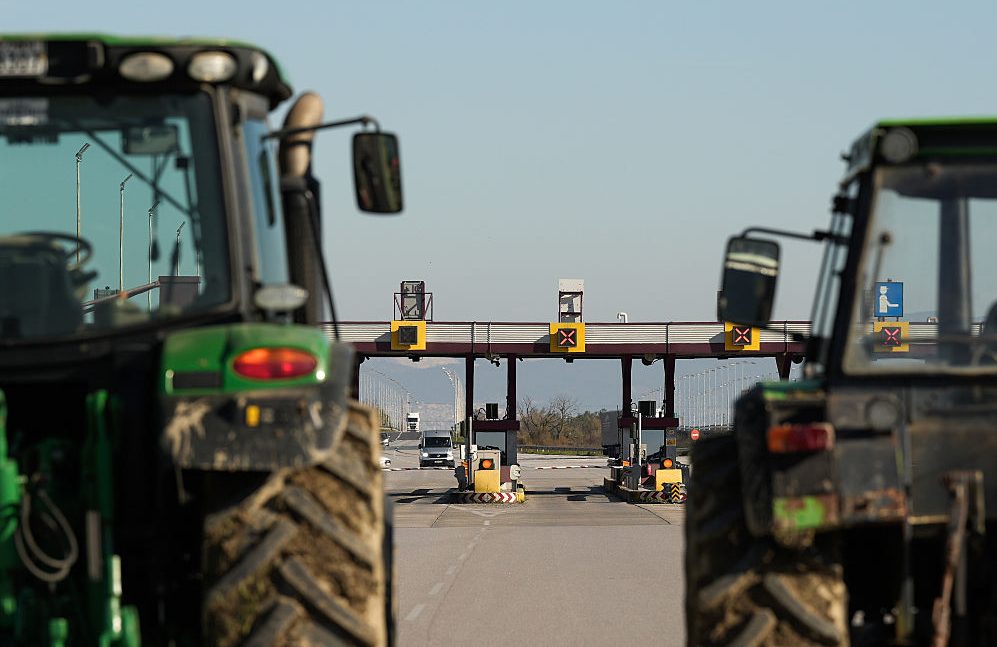
Strategic Infrastructure Disruption emerges as the farmers' primary leverage mechanism. By blocking airports, highways, ports, and border crossings, they've created a nationwide economic pressure point that forces immediate governmental attention. The Nikos Kazantzakis International Airport shutdown symbolizes the protesters' ability to directly impact critical economic arteries, demonstrating how localized agricultural grievances can rapidly escalate into broader systemic challenges.
The underlying catalyst—delayed European Union agricultural subsidies and a subsequent fraud investigation—highlights deeper structural problems in agricultural policy implementation. This is not merely a local Greek issue, but a potential harbinger of broader European agricultural discontent. The government's cautious response, simultaneously remaining open to negotiations while warning against continued blockades, indicates the delicate political balance required in managing such protests.
The protests fundamentally challenge the existing agricultural subsidy framework, exposing vulnerabilities in how financial support is distributed and monitored. By linking delayed payments to a fraud investigation, European policymakers have inadvertently created a pressure cooker of agricultural economic tension. The farmers' coordinated action suggests a sophisticated understanding of economic disruption as a negotiation strategy, transforming financial grievances into a potent political instrument.
Critically, these protests signal a growing demand for transparent agricultural policy that directly addresses farmers' economic sustainability. The strategic deployment of tractors and vehicles as blockade tools represents a new form of economic protest—one that combines logistical disruption with clear political messaging about systemic inequities.
Questions 3
Why are Greek farmers protesting and blocking infrastructure?
Farmers are protesting delayed European Union agricultural subsidies and a fraud investigation that has complicated their financial support. By blocking airports, highways, and border crossings, they're using strategic infrastructure disruption to force governmental attention and negotiate better economic conditions.
How effective are these infrastructure blockades as a protest strategy?
The blockades are highly effective, creating immediate economic pressure by disrupting transportation and logistics. By targeting critical infrastructure like airports and highways, farmers can quickly escalate their message and force governmental negotiations, demonstrating the power of coordinated economic disruption.