


Global Humanitarian Aid in Crisis: UN Confronts Funding Collapse and Geopolitical Retreat
- Unprecedented budget cuts signal massive realignment of international support mechanisms















































)













Overview
The global humanitarian landscape is experiencing a profound structural transformation, marked by a dramatic 50% reduction in UN emergency aid budgets that exposes deep fractures in international solidarity. The United Nations' 2026 humanitarian appeal reveals a stark reality: traditional donor countries are systematically withdrawing support, reshaping the entire paradigm of international assistance.
Funding Erosion as Geopolitical Strategy: The budget reduction from $47 billion to $23 billion is not merely a financial adjustment, but a strategic recalibration by major Western powers. The United States, under both Trump and current administrations, has consistently questioned the UN's value, withdrawing $1 billion in funding with plans for additional cuts. European nations like Britain, the Netherlands, and Sweden are prioritizing domestic defense and internal priorities over global humanitarian commitments.
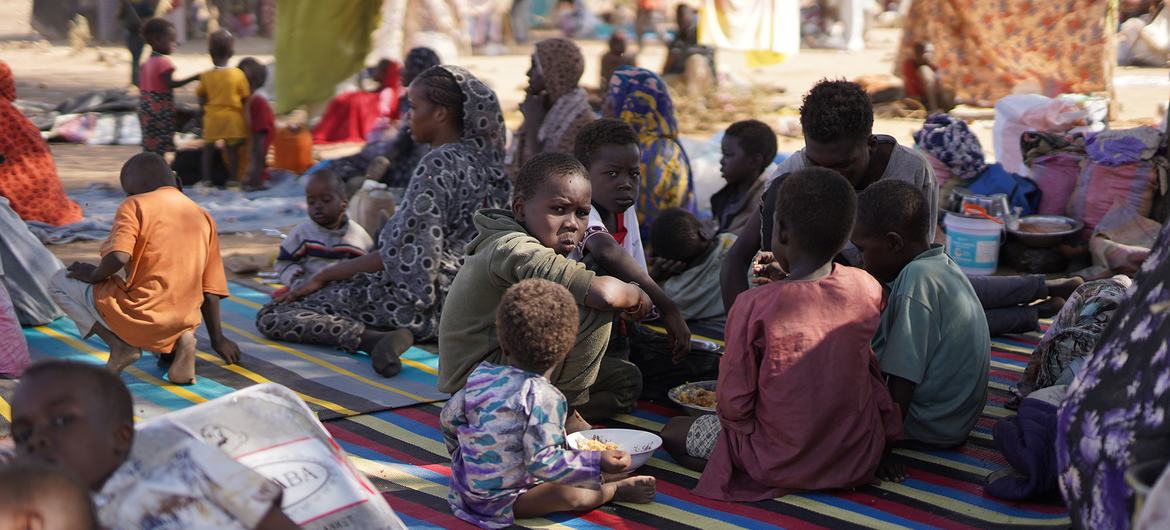
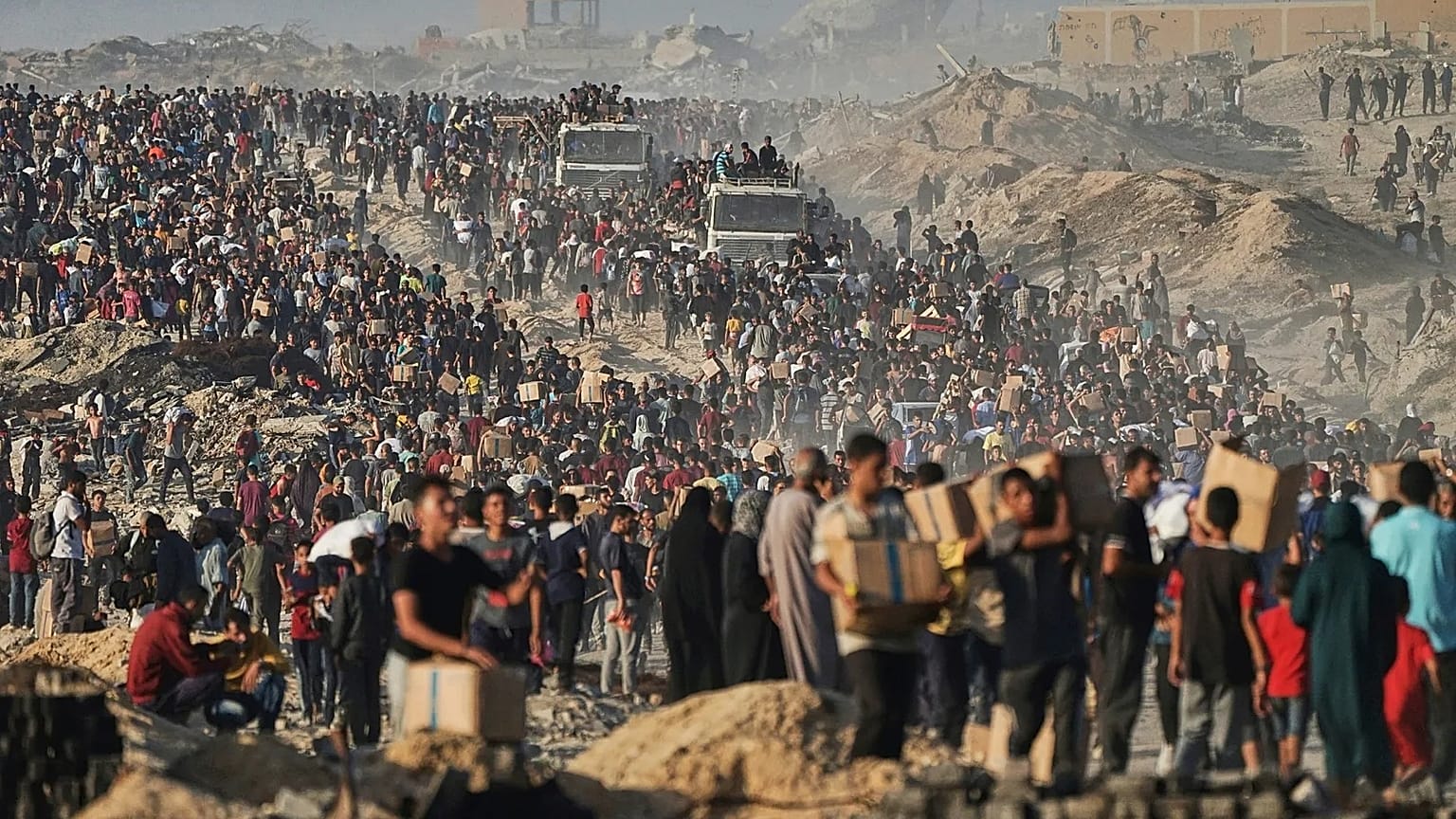
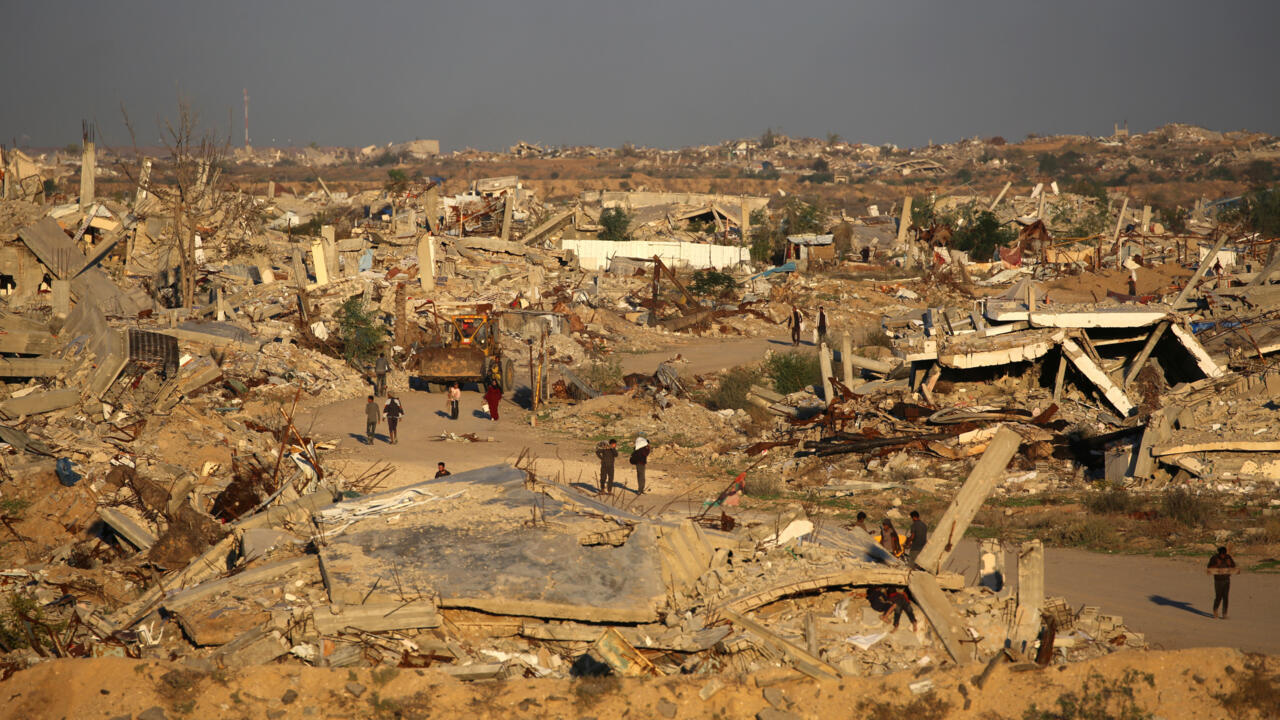
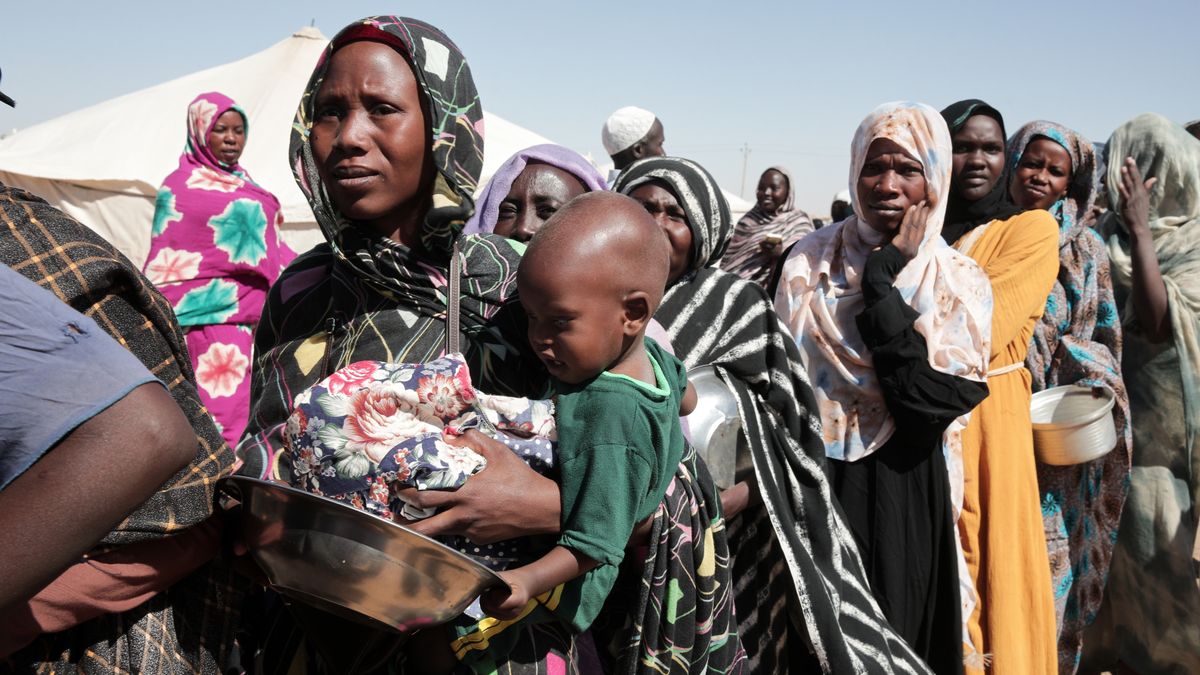
Humanitarian Consequences at Scale: The implications are profound. The UN now aims to support just 87 million people in 2026, compared to its original target of 47 million, across critical conflict zones including Gaza, Ukraine, Sudan, Haiti, and Myanmar. This represents a massive contraction of global emergency response capabilities. UN humanitarian chief Tom Fletcher's description of the situation as "overstretched, underfunded, and under attack" underscores the systemic challenges.
The funding collapse signals a deeper geopolitical shift. Traditional donor countries are retreating from multilateral commitments, potentially creating power vacuums that could destabilize already fragile regions. While not directly related to commerce, these changes will indirectly impact international trade dynamics, supply chains, and cross-border business environments by increasing global uncertainty and potential conflict zones.
Strategic Implications: Organizations and policymakers must recognize this as more than a budgetary issue—it represents a fundamental restructuring of international support mechanisms. Businesses and governments should anticipate increased volatility in regions traditionally supported by UN humanitarian efforts and develop adaptive strategies for navigating this new, more fragmented global landscape.
Questions 3
How might these funding cuts impact global stability?
The funding reduction could create power vacuums in already fragile regions, potentially increasing conflict risks and humanitarian crises. By withdrawing support, donor countries might inadvertently destabilize regions, which could have long-term economic and security implications for the international community.
What are the immediate consequences of the UN aid budget reduction?
The UN will now support only 87 million people in 2026, down from its original target of 47 million, across critical conflict zones. This means significantly reduced emergency assistance in regions like Gaza, Ukraine, Sudan, Haiti, and Myanmar, potentially leaving millions without critical humanitarian support.