


Middle East Conflict Escalation | Critical Supply Chain & Logistics Impact for Cross-Border Sellers
- 180+ missiles exchanged between Iran-UAE; Strait of Hormuz shipping disruptions; oil prices volatile; Foxconn warns of manufacturing delays; sellers face 8-15% logistics cost increases




















Overview
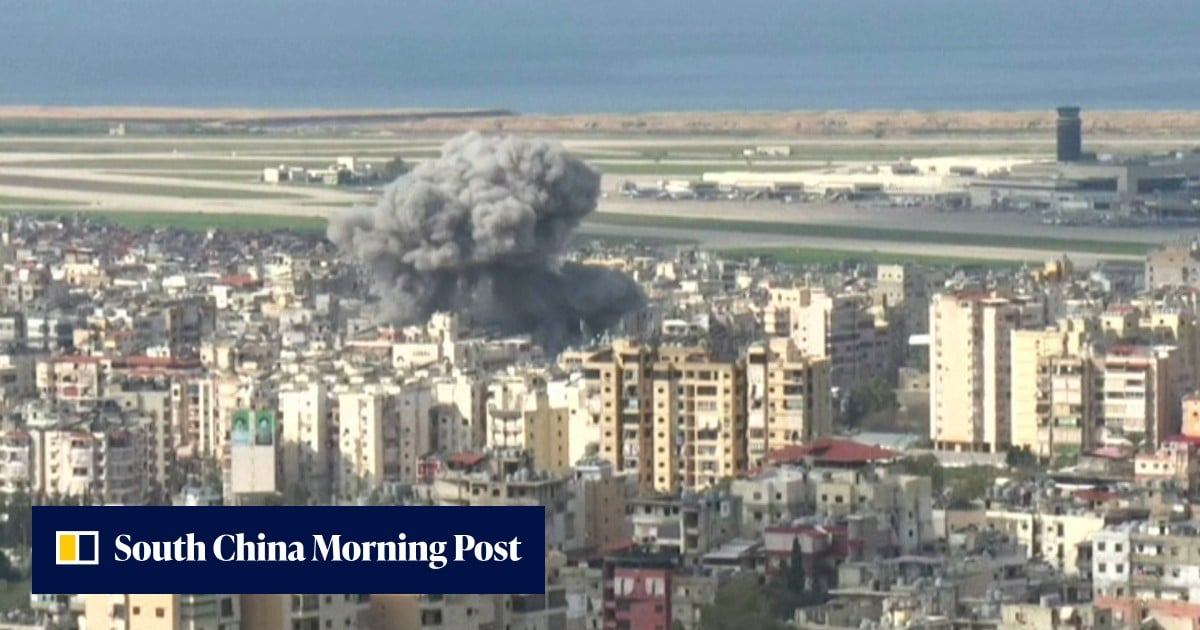
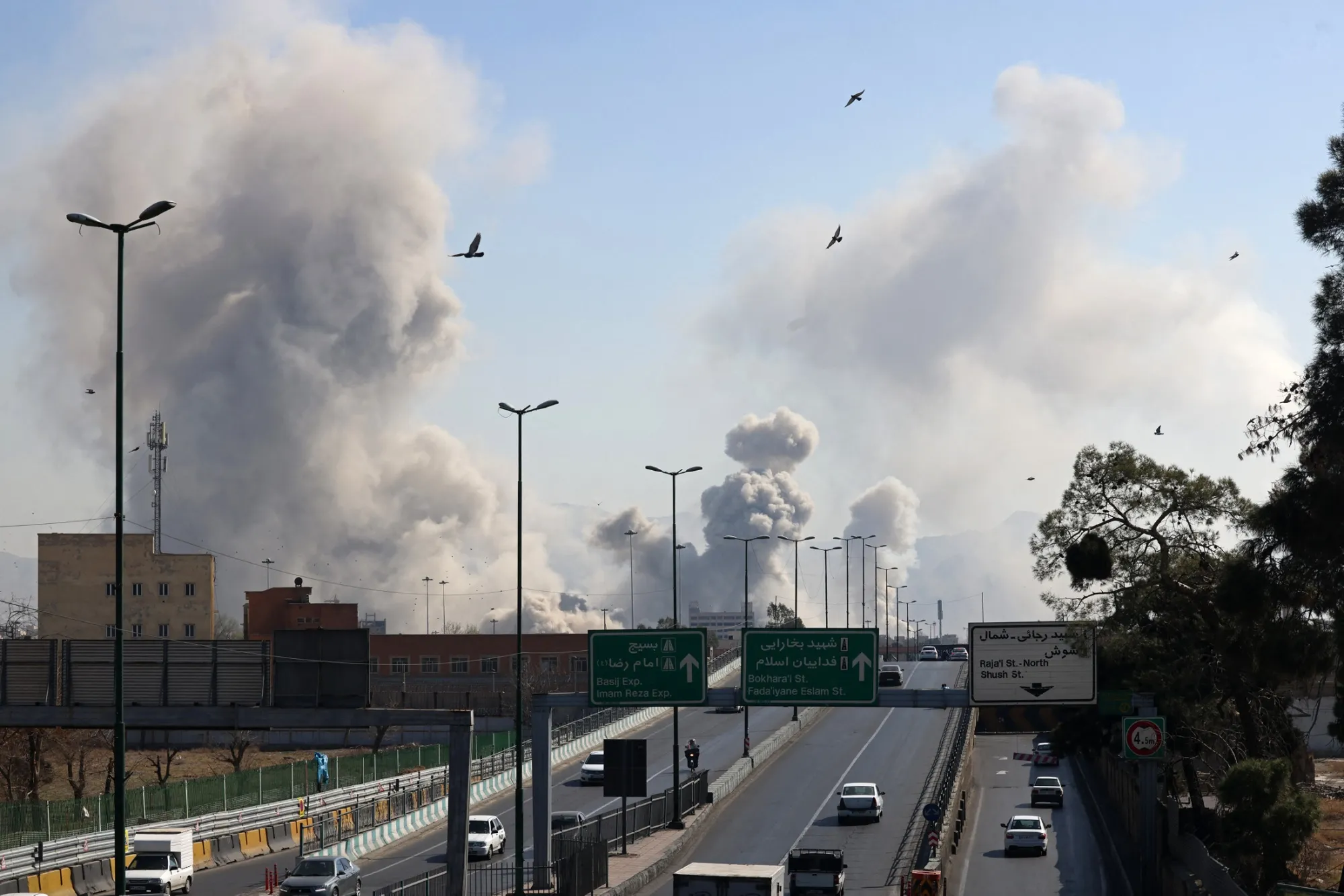
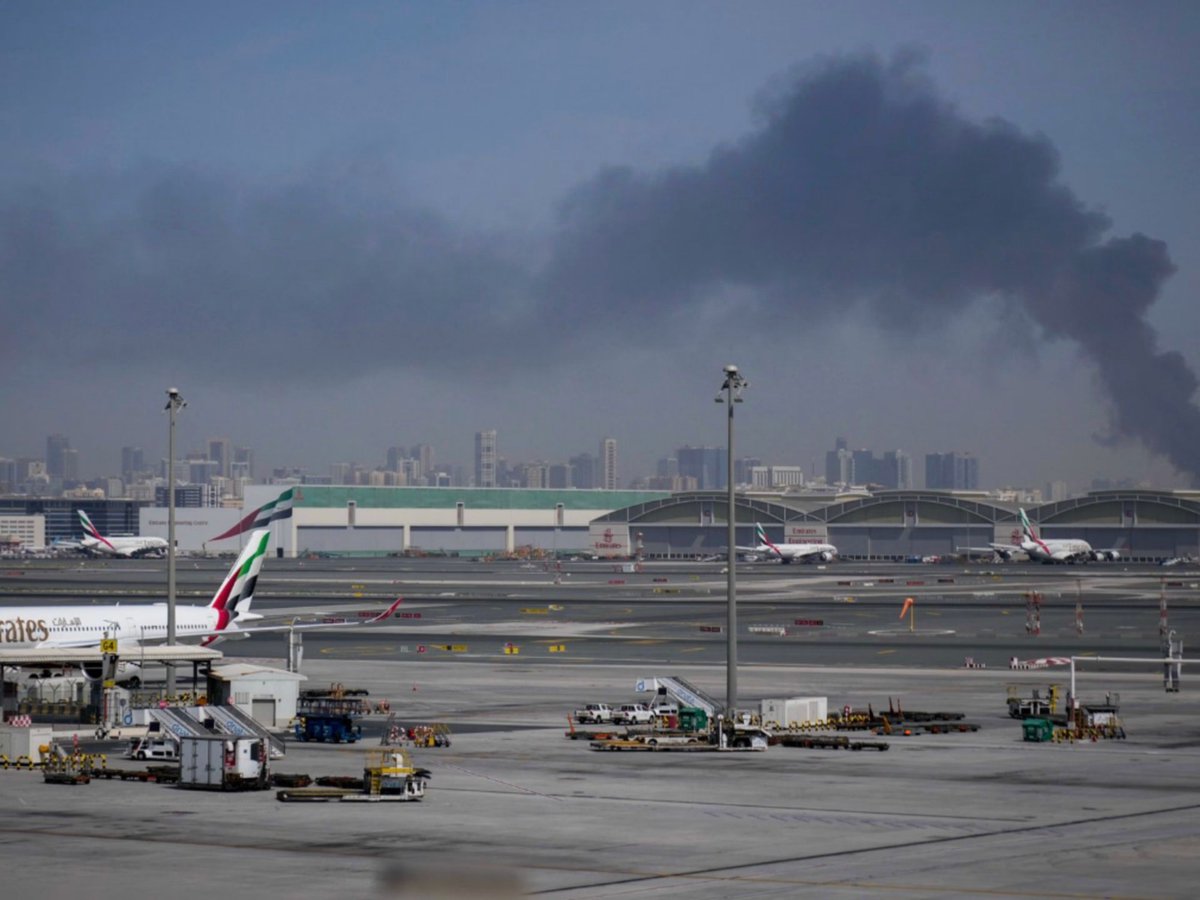
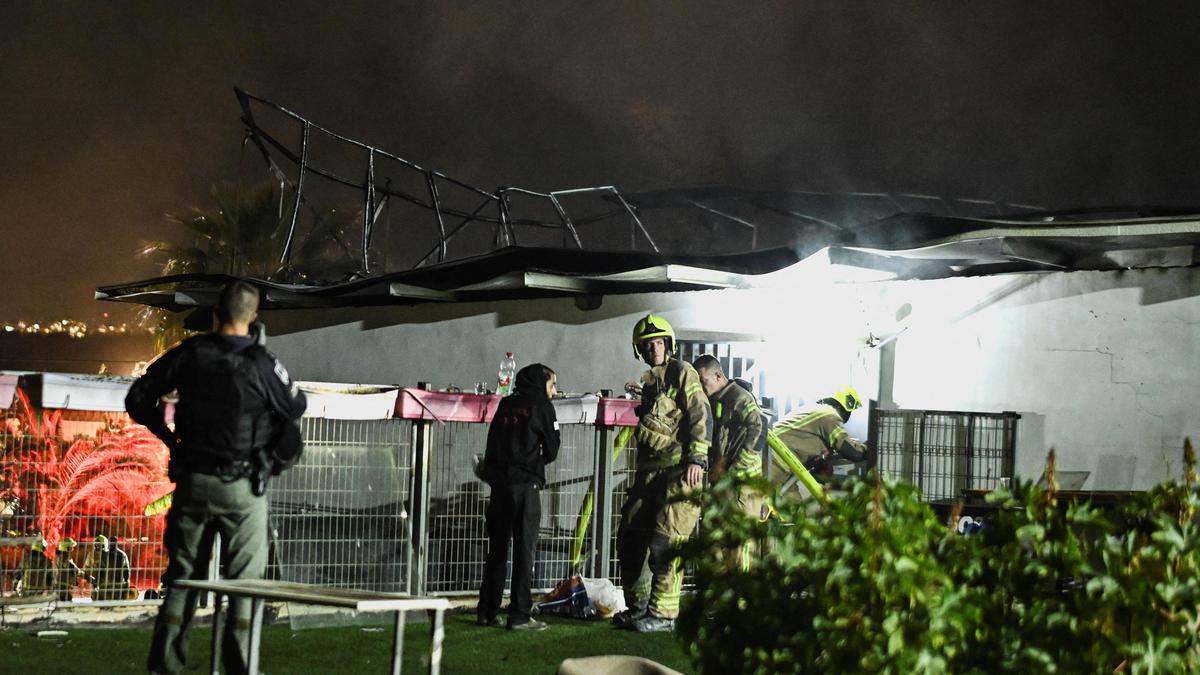
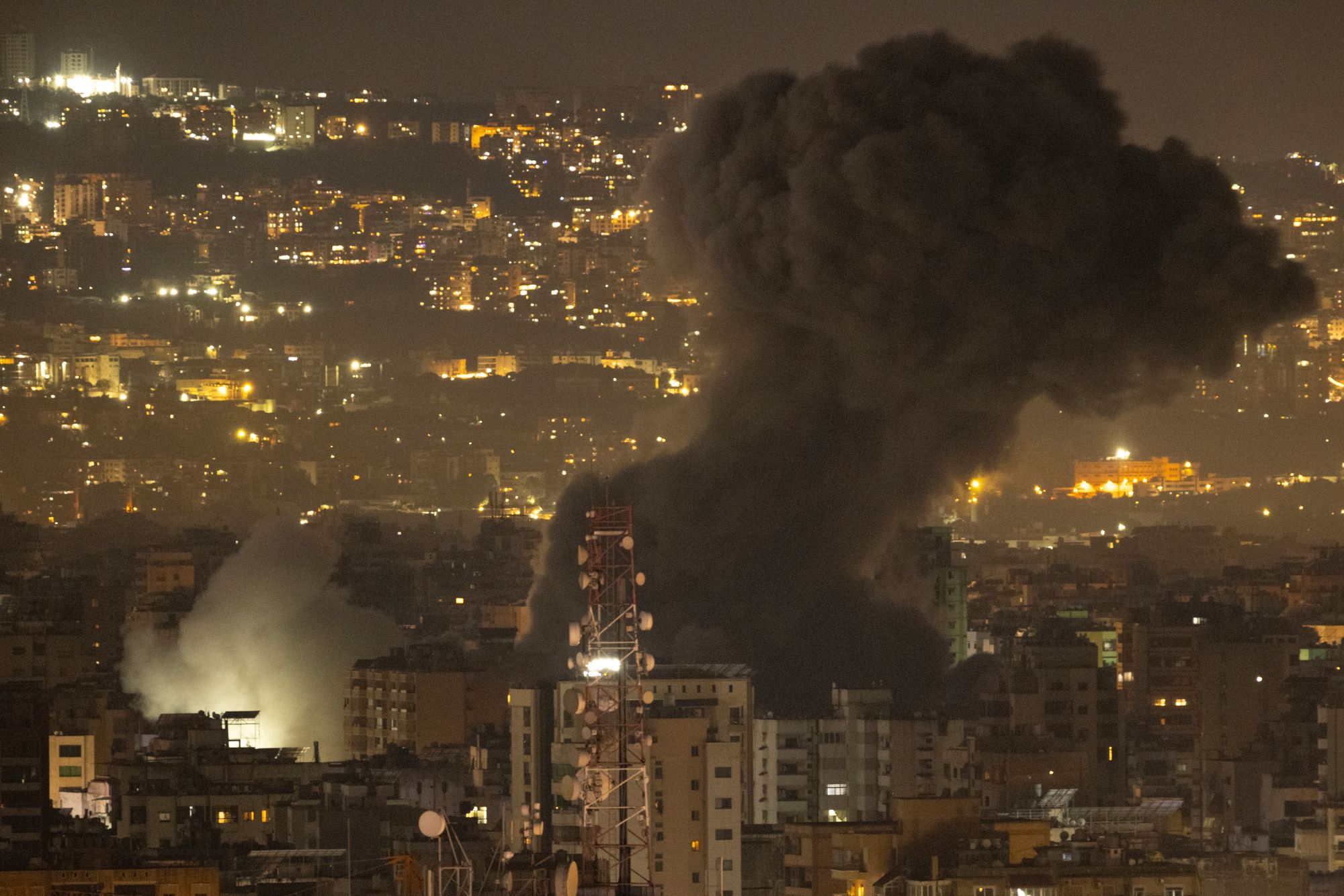
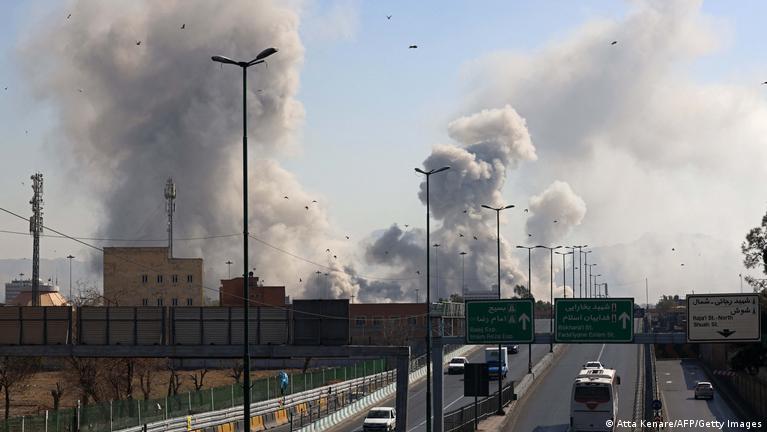
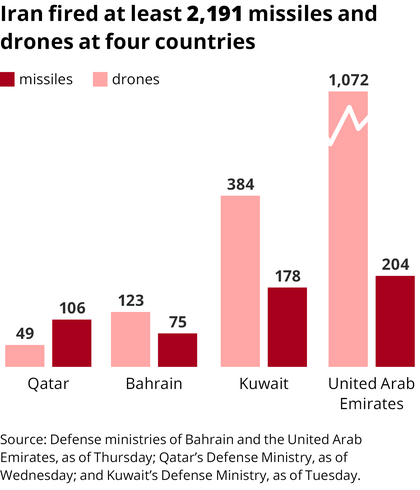
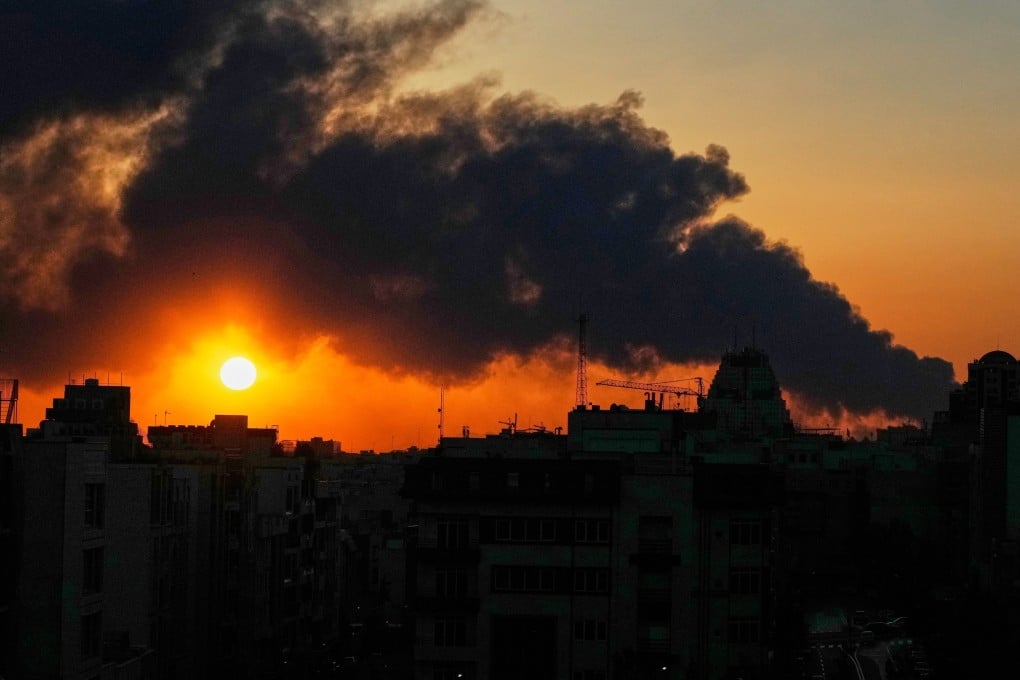
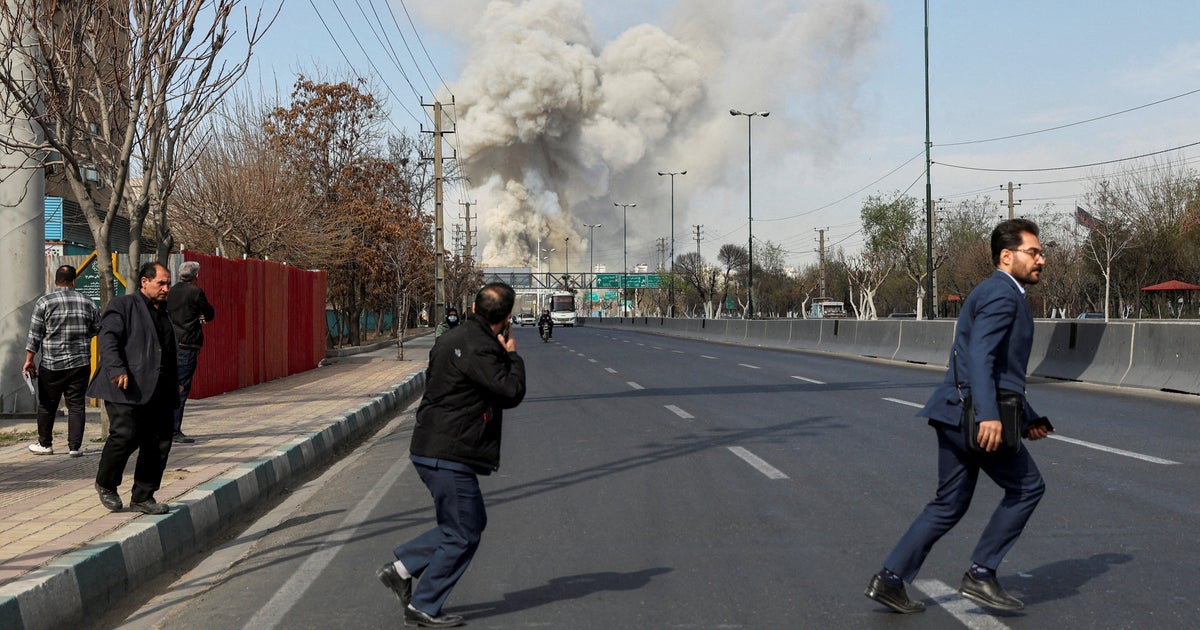
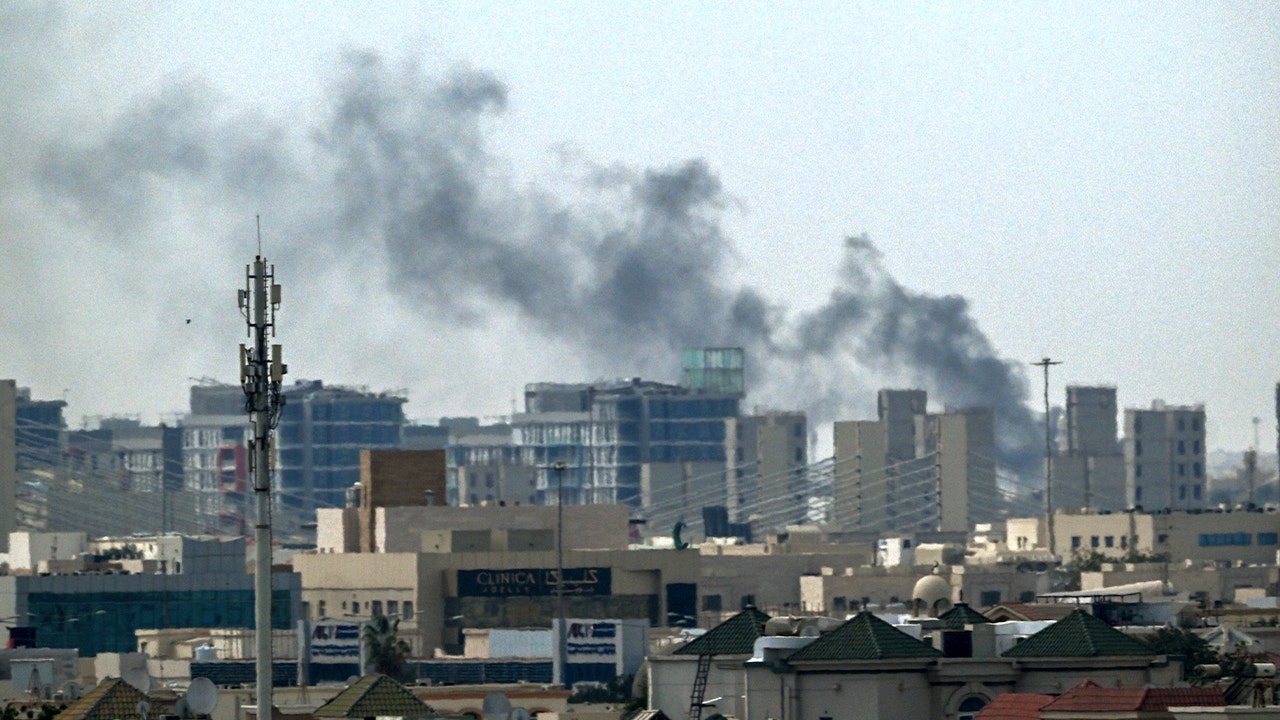
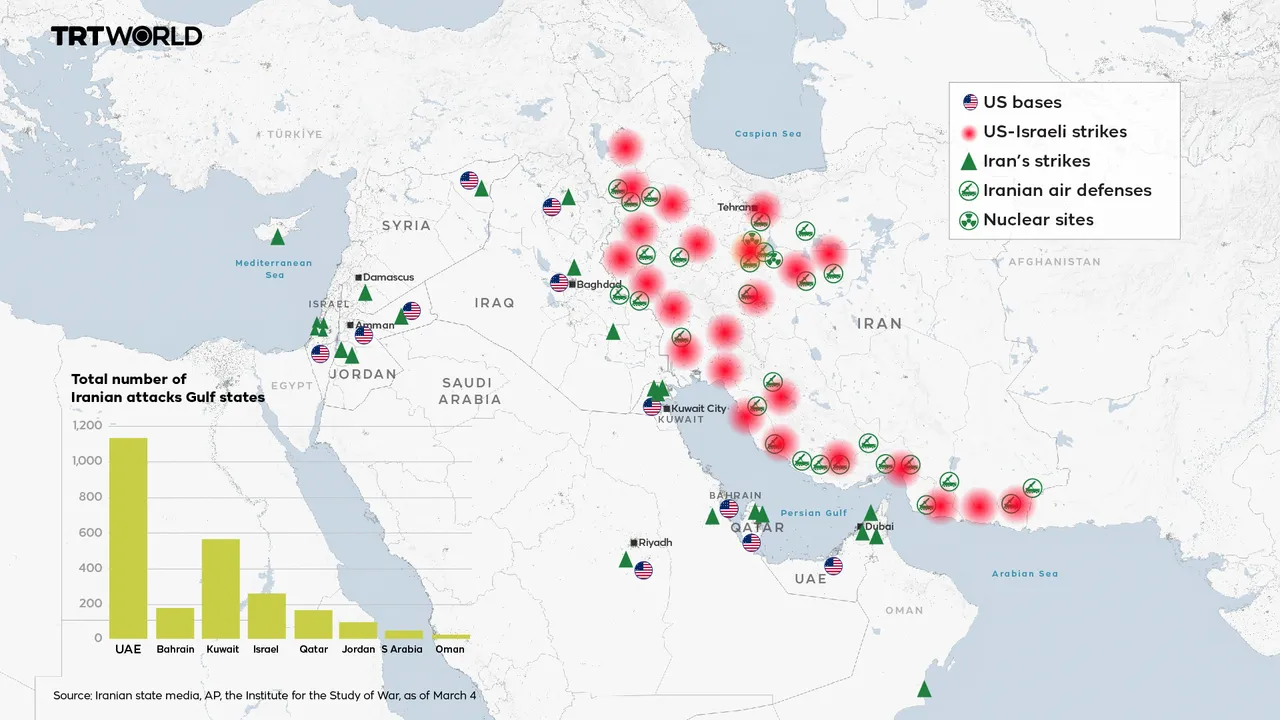
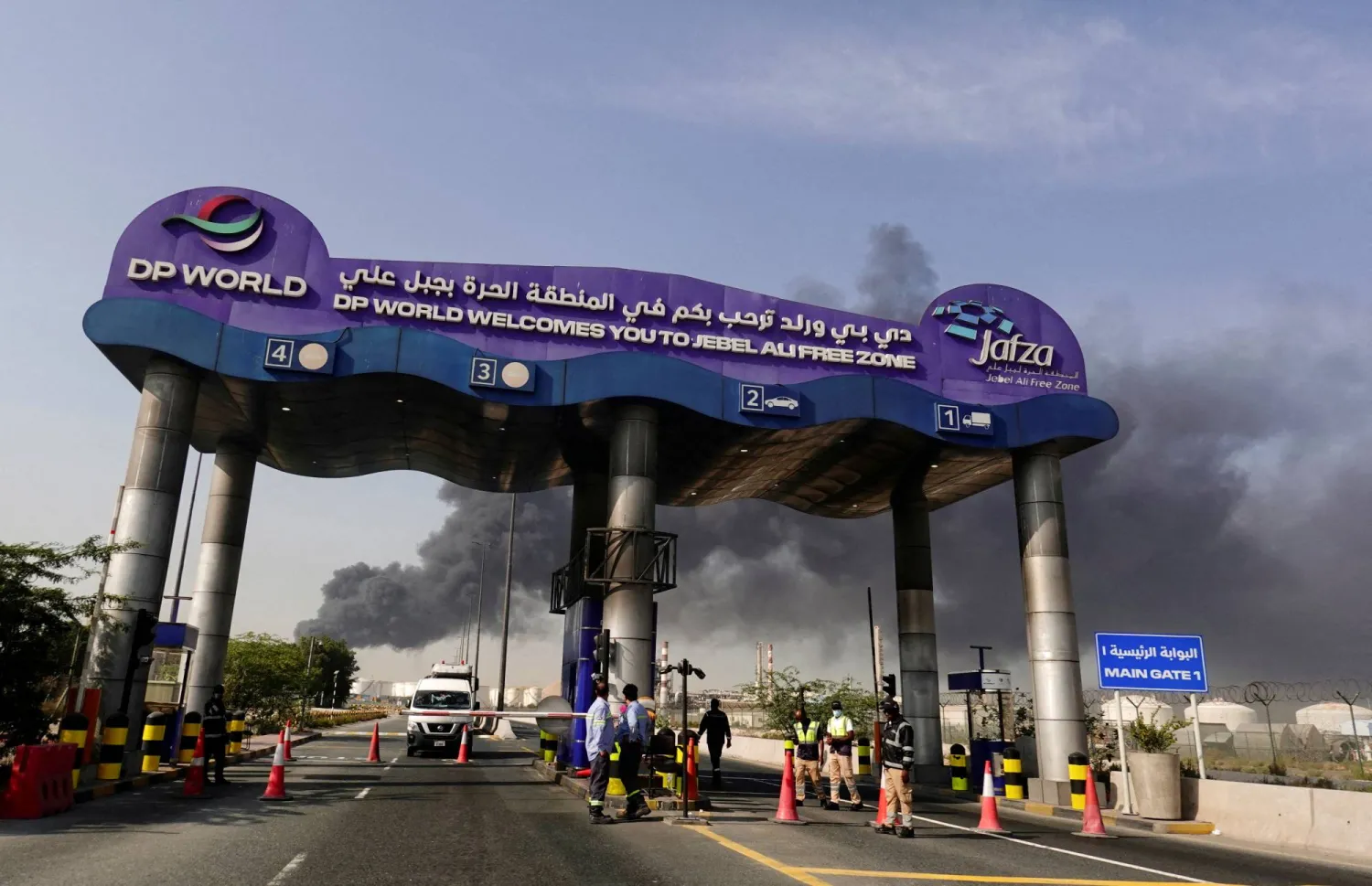
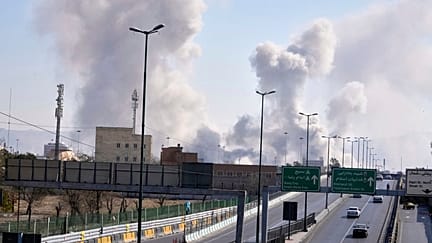
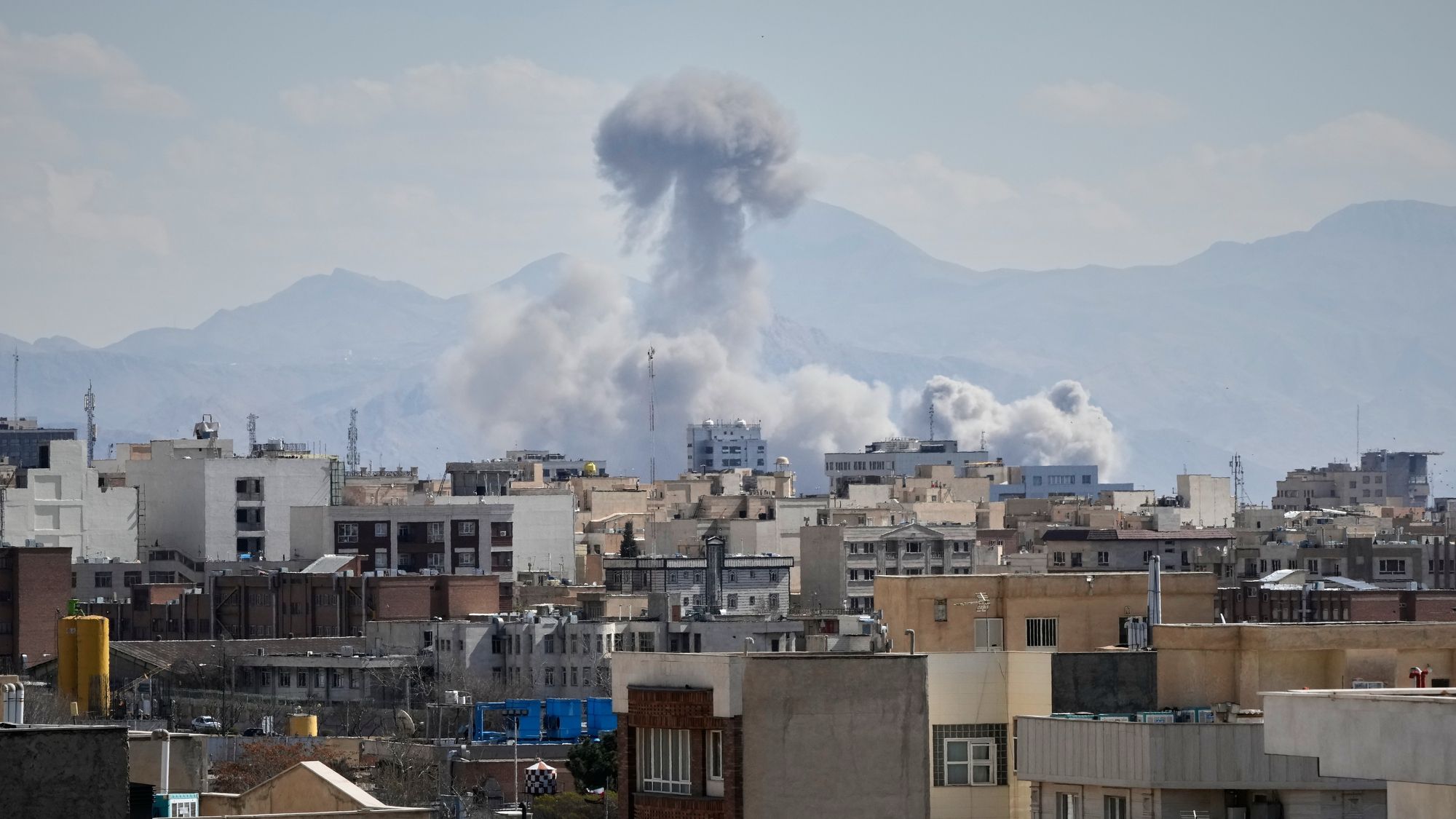
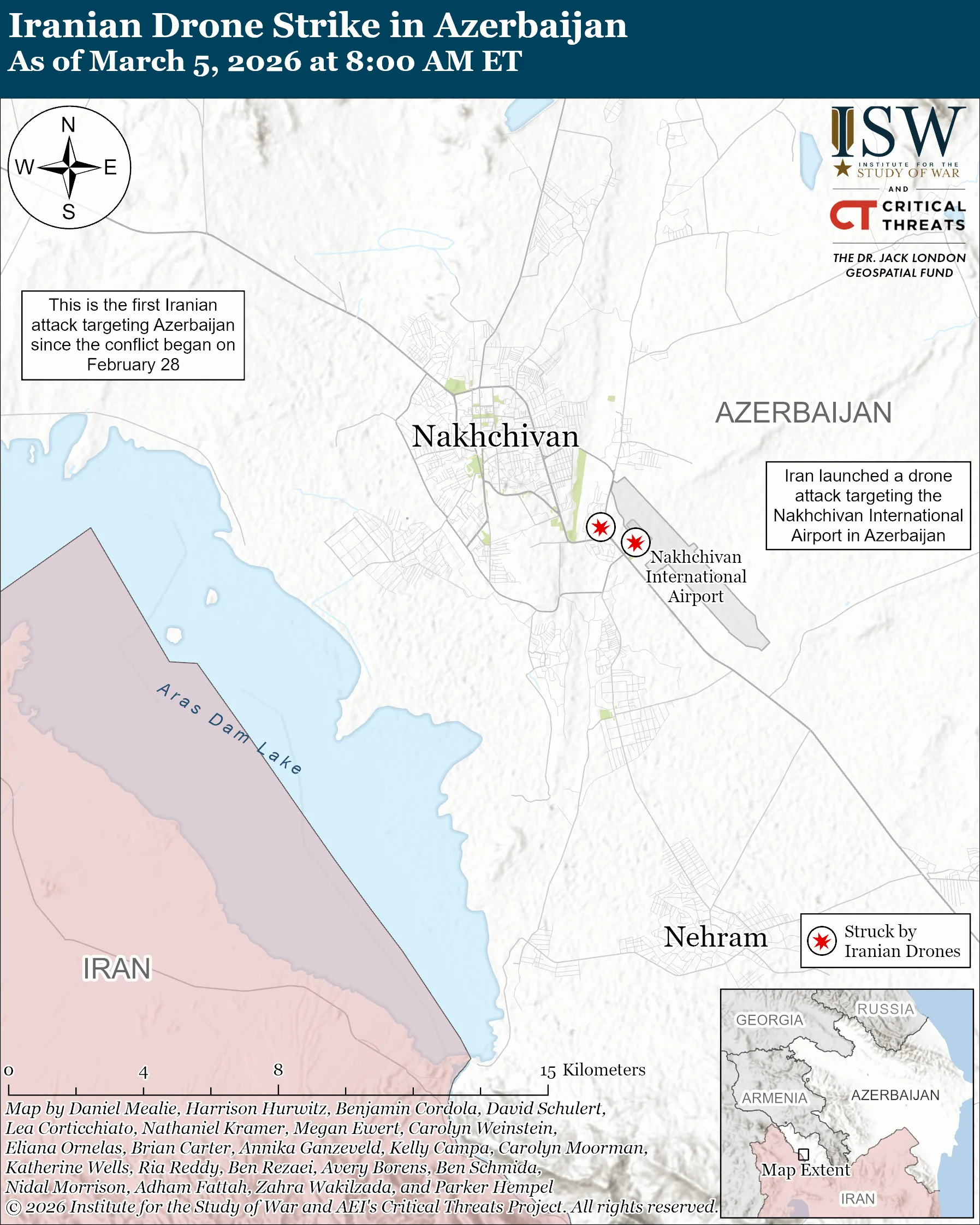
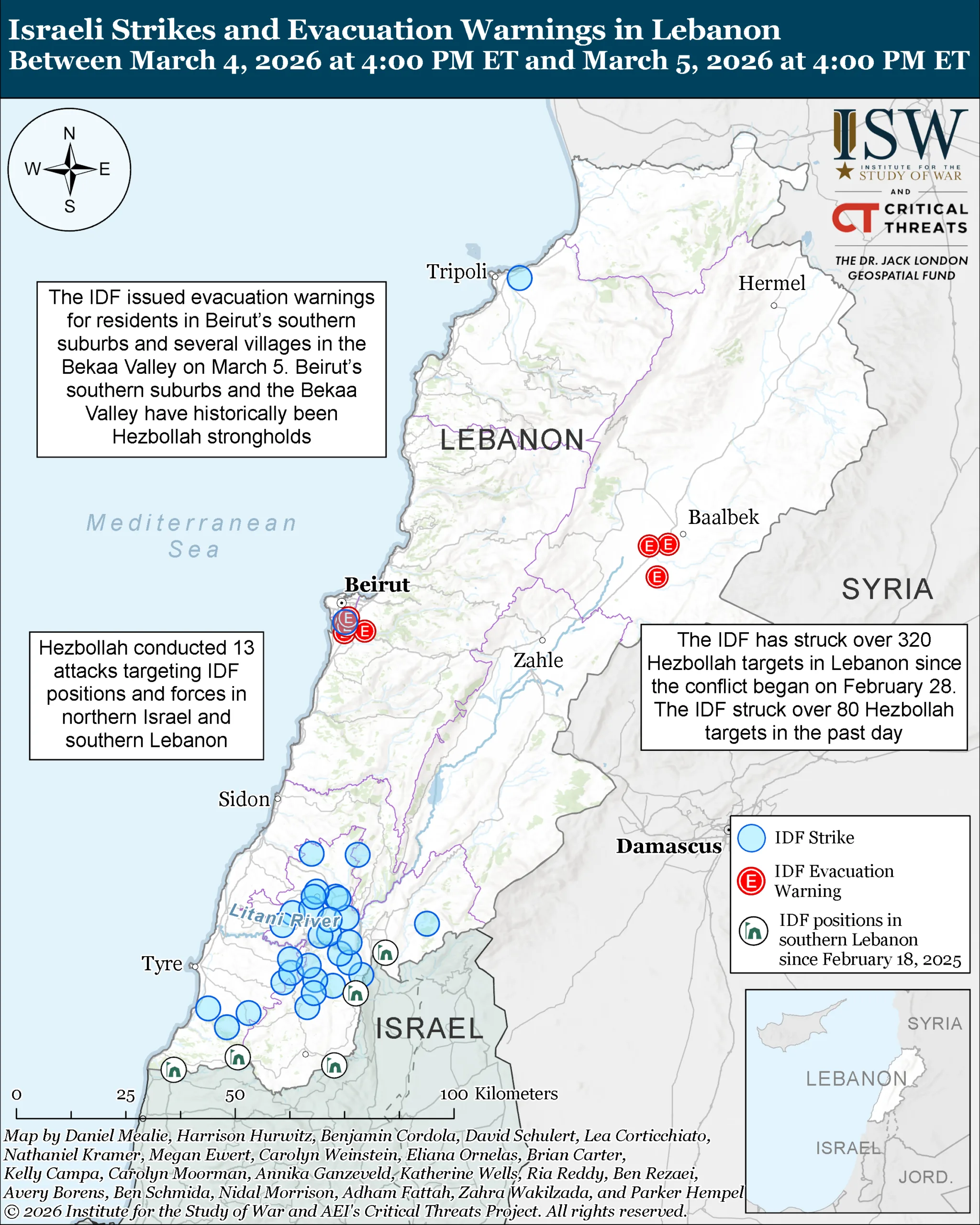
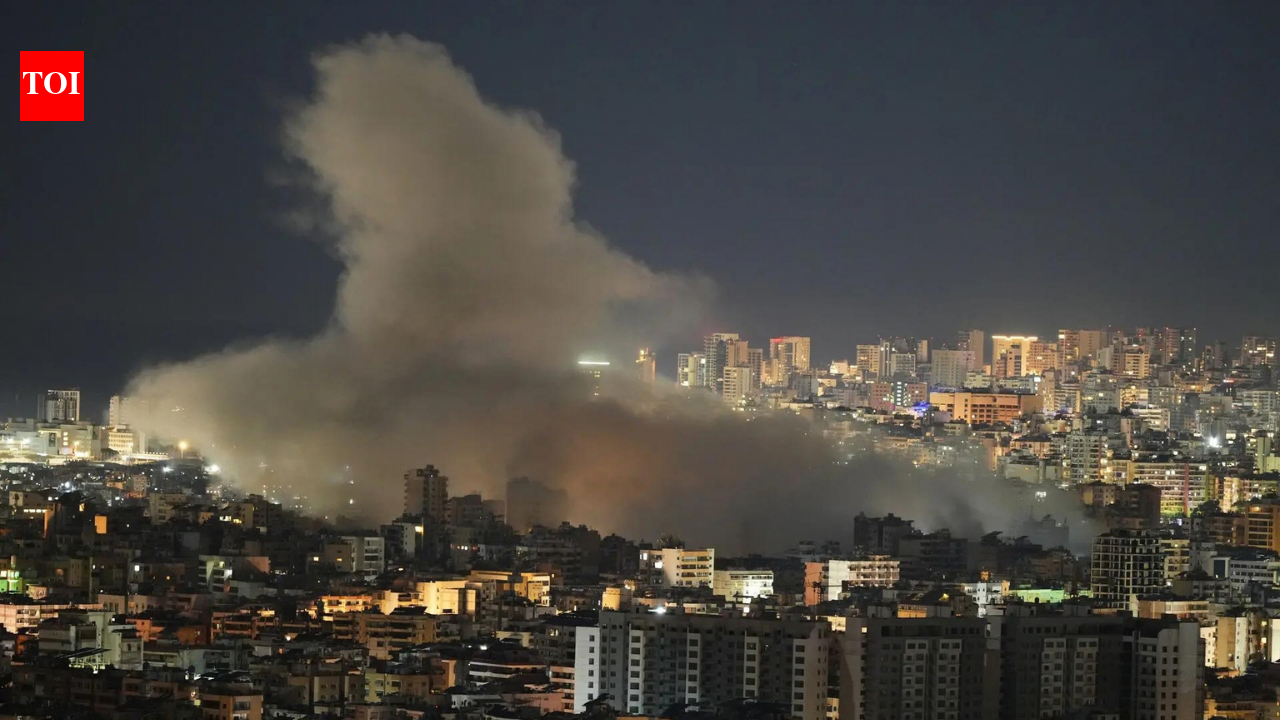
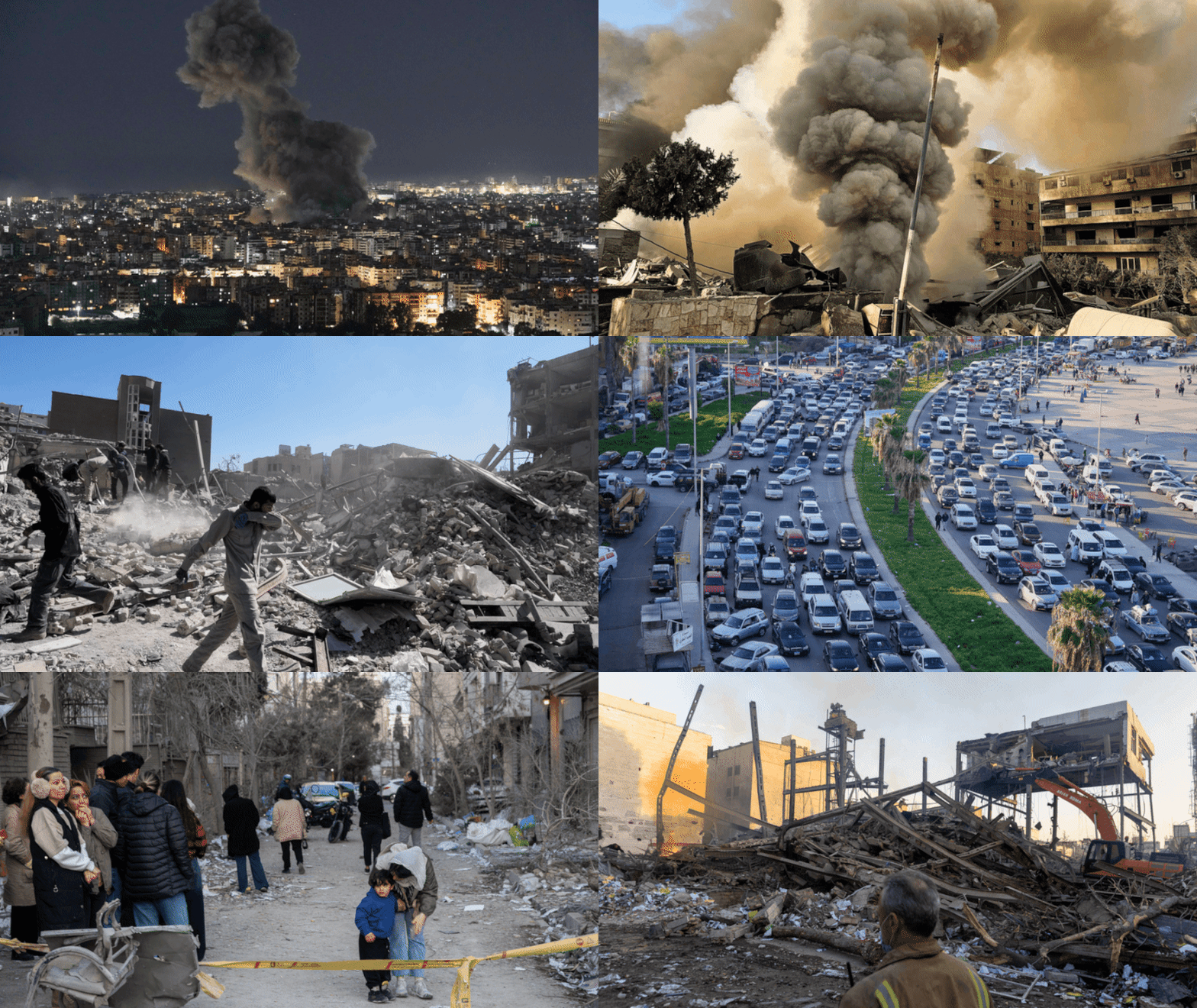
The escalating military conflict in the Middle East—marked by Iran's March 2-3, 2026 barrage of 180+ ballistic and cruise missiles targeting the UAE, followed by broader Israeli-Iranian hostilities involving Beirut airstrikes and Tel Aviv drone attacks—creates immediate operational disruptions for cross-border e-commerce sellers. While the news summaries emphasize geopolitical and military dimensions, the underlying supply chain implications are substantial and measurable. The Strait of Hormuz, through which 21% of global petroleum passes, faces intermittent disruption risk, directly impacting shipping costs for sellers relying on Asian manufacturing hubs and Middle Eastern logistics routes. Treasury Secretary Scott Bessent's announcement permitting Indian refiners to purchase Russian oil for 30 days signals acute energy price volatility concerns, with Foxconn chairman Young Liu explicitly warning that prolonged conflict could "significantly impact raw material costs and oil prices affecting manufacturing and logistics."
For e-commerce sellers, the immediate impact manifests across three operational vectors. First, shipping costs are rising 8-15% for routes transiting the Persian Gulf and Strait of Hormuz, affecting sellers using DHL, FedEx, and UPS services from Asia to North America/Europe. Sellers shipping electronics, textiles, and machinery from Vietnam, Thailand, and India face 10-21 day delays as carriers reroute around the Horn of Africa, adding $200-600 per 40-foot container. Second, raw material costs for electronics, textiles, and industrial products are increasing 5-12% due to oil-linked manufacturing inputs and energy surcharges. Foxconn's acknowledgment that "current operations remain largely unaffected" but prolonged conflict poses risks suggests a 30-90 day window before supply constraints tighten. Third, market volatility is creating demand spikes in defensive product categories—emergency supplies, backup power systems, water filtration, and security equipment are seeing 25-40% traffic increases on Amazon, eBay, and Shopify in US and European markets, representing a 2-4 week window for sellers to capitalize on surge demand.
Strategic seller response requires immediate action on three fronts. Sellers should audit their supply chain exposure: identify which suppliers operate in Iran, UAE, Israel, Lebanon, or depend on Strait of Hormuz shipping (Vietnam, Thailand, India, Singapore sourcing). For FBA sellers, this means reviewing inventory velocity by ASIN and considering 20-30% inventory reallocation to 3PL providers in North America/Europe to reduce transit risk. Sellers should monitor oil prices (WTI crude) as a leading indicator—if prices exceed $85/barrel, expect 12-18% shipping surcharges within 2-3 weeks. For product categories with high oil-linked costs (plastics, chemicals, textiles), consider 8-12% price increases on Amazon and eBay listings now, before competitors do. Defensively, sellers should diversify sourcing away from single-region dependencies; consider Mexico, Poland, or Turkey as alternative manufacturing bases for 15-25% of SKUs. Monitor carrier announcements from Amazon Logistics, FedEx, and DHL for route changes and surcharge notifications—these typically precede public announcements by 5-7 days.
Questions 8
What compliance or regulatory changes should sellers monitor during Middle East conflict?
Monitor US Treasury OFAC sanctions updates for Iran-related trade restrictions, which could affect sellers sourcing from or shipping through Iran. The House blocking Trump's war powers restriction (219-212 vote) signals potential for expanded military action, which could trigger new sanctions. EU may implement additional export controls on dual-use goods (electronics, chemicals) to conflict regions. Check Amazon Seller Central and eBay policy updates weekly for restricted product categories or region-specific shipping prohibitions. Verify supplier compliance with sanctions—if suppliers have Iran exposure, diversify immediately. Consult trade counsel if your supply chain touches Iran, UAE, Israel, or Lebanon. Regulatory changes typically emerge 1-2 weeks after military escalation, so proactive monitoring prevents account suspension or shipment seizures.
How long will Middle East conflict supply chain impacts persist for e-commerce sellers?
Based on the news reporting 787 deaths in Iran and 102 in Lebanon, with ongoing airstrikes and military escalation, expect 60-120 day supply chain disruption windows. Shipping delays of 10-21 days will persist as long as Strait of Hormuz risk remains elevated. Raw material cost increases (5-12%) typically lag military escalation by 30-45 days, so expect peak cost pressure in April-May 2026. Emergency product demand spikes last 2-4 weeks before normalization. Historical precedent from 2019 Strait of Hormuz tensions suggests 90-day recovery periods. Plan inventory and pricing strategies for a 90-day disruption window; if conflict de-escalates earlier, you've protected margins; if it persists, you've already adjusted operations.