


Nepal Gen Z Election Victory | Emerging Market Opportunity for Cross-Border Sellers
- Anti-establishment RSP landslide signals 19M voter demographic shift toward youth-focused products and digital commerce expansion in South Asian market


















Overview
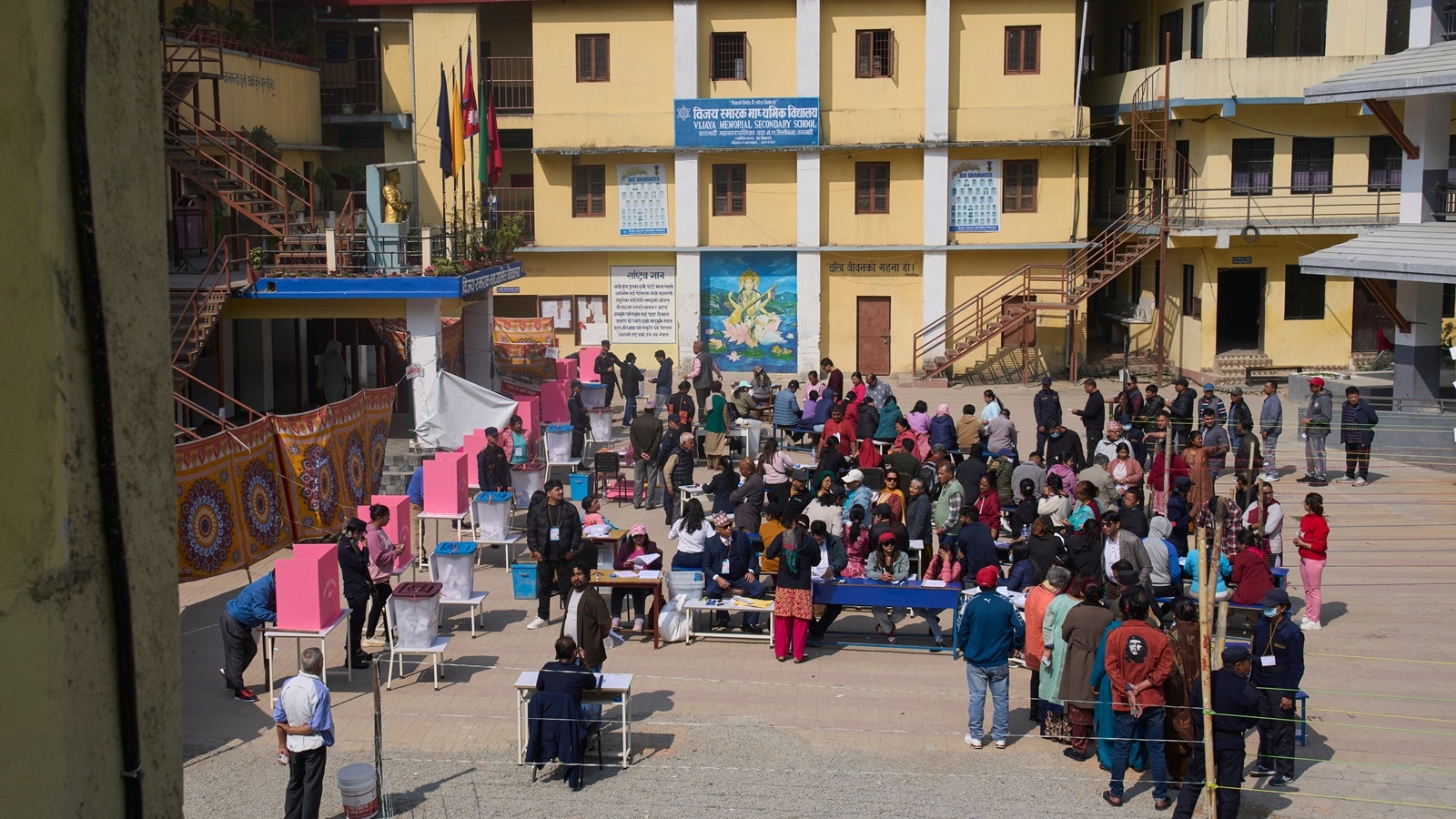
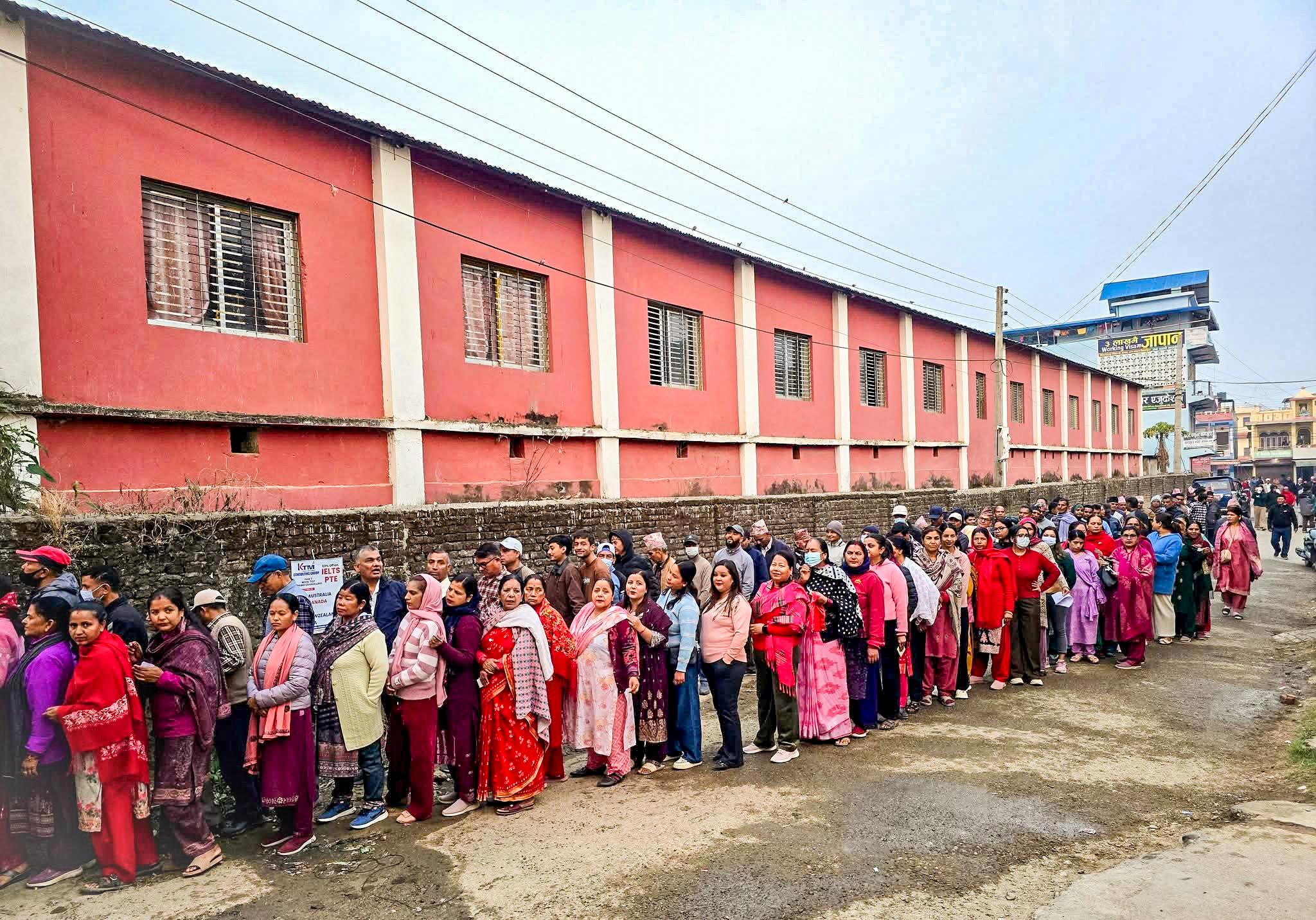
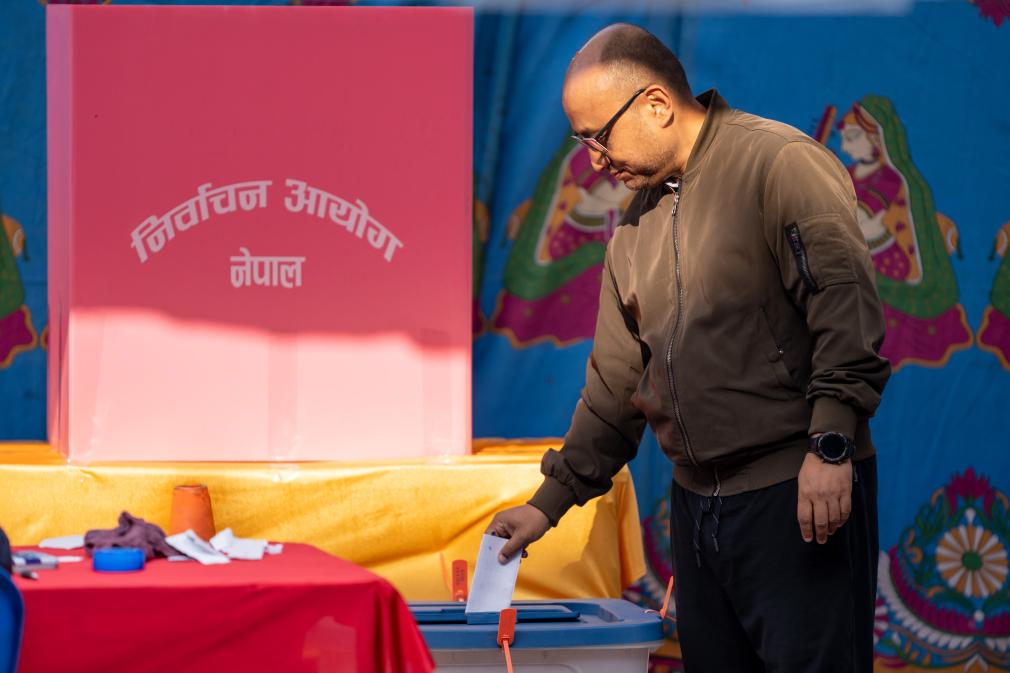
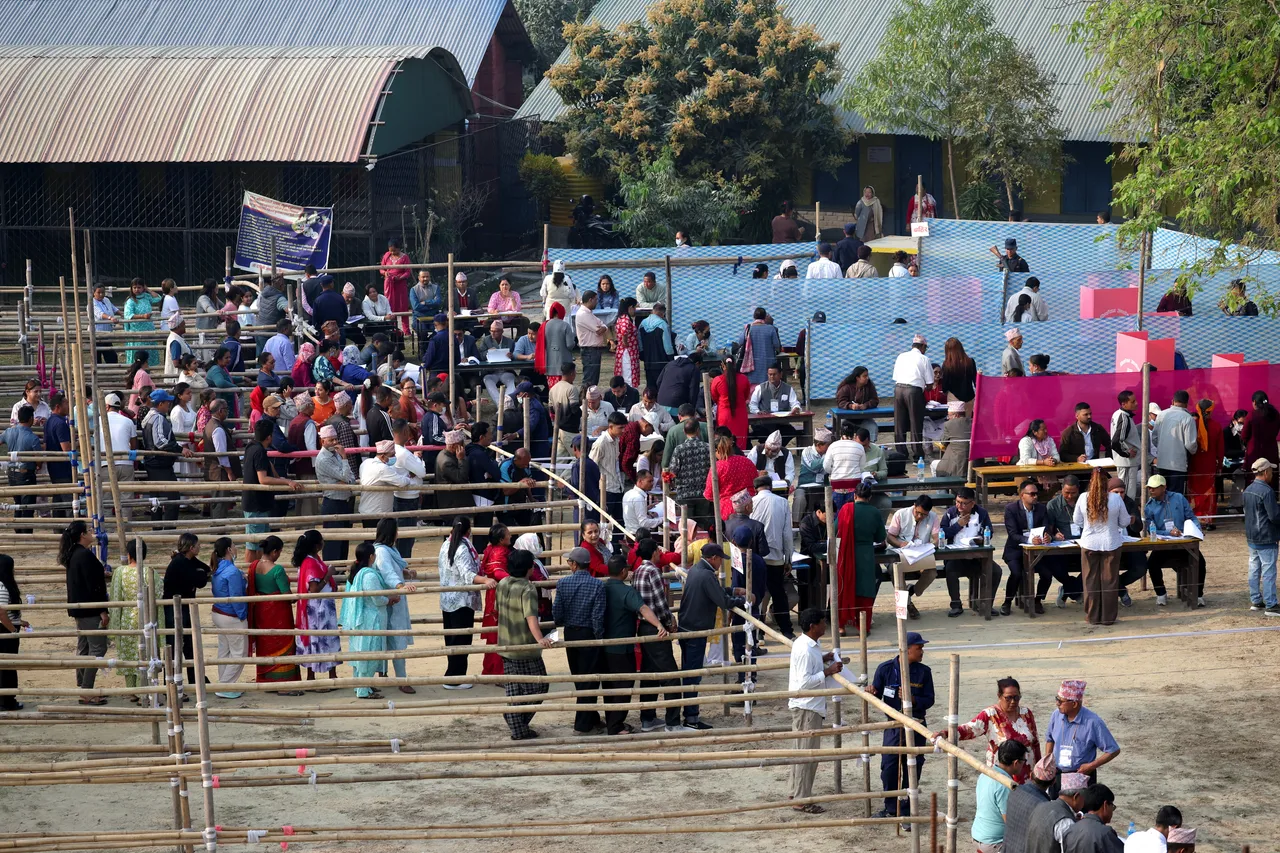
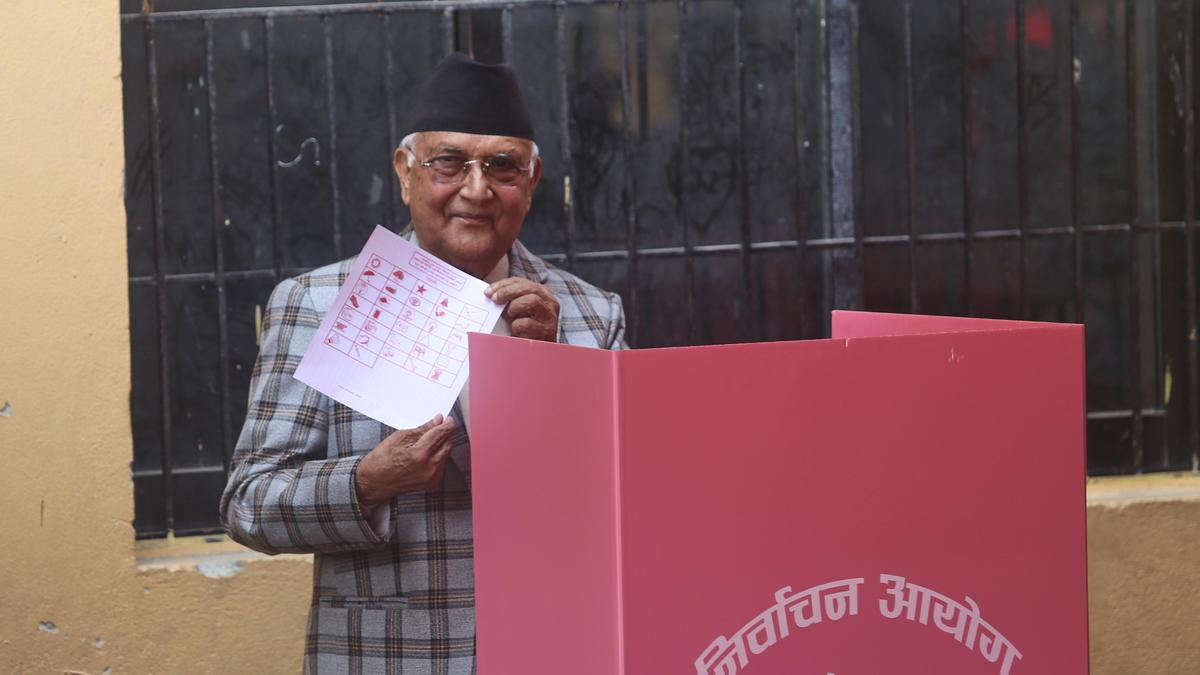
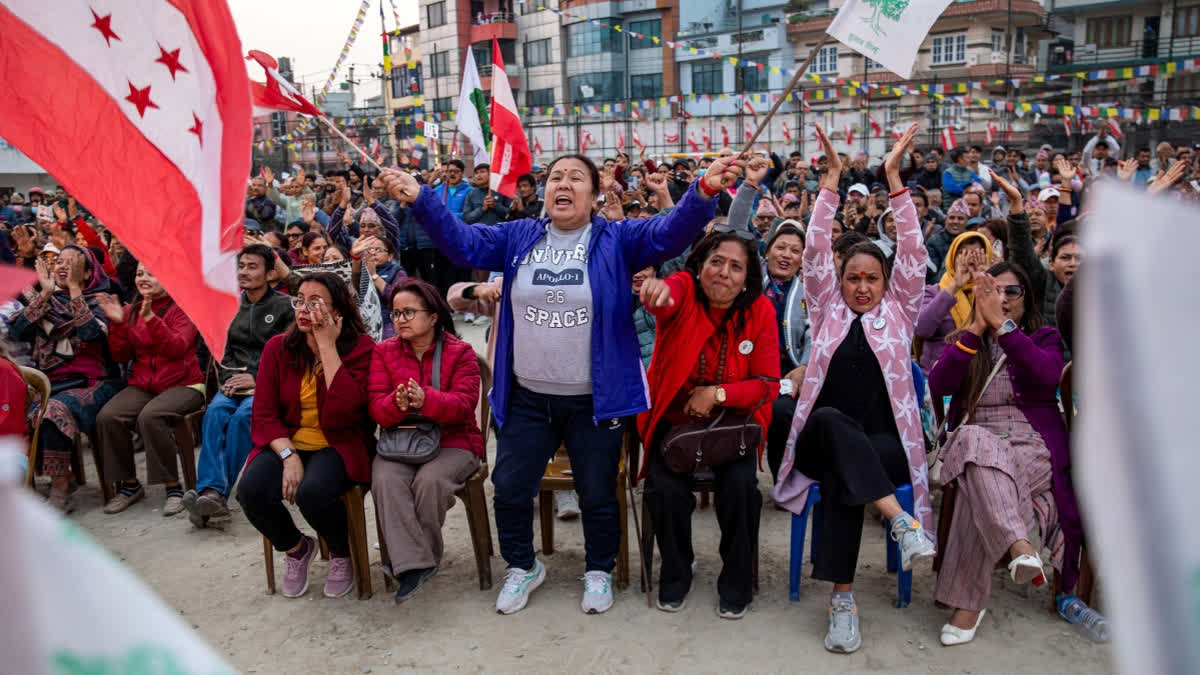
Nepal's March 2025-2026 elections represent a watershed moment for cross-border e-commerce sellers targeting South Asian markets. The anti-establishment Rastriya Swatantra Party (RSP), led by former rapper Balendra Shah, captured commanding leads across 36+ constituencies with 60% voter turnout from nearly 19 million registered voters—including approximately 1 million first-time Gen Z voters. This political realignment signals fundamental shifts in consumer behavior, governance priorities, and digital infrastructure investment that directly impact seller opportunities in Nepal's emerging e-commerce ecosystem.
Consumer Demographics & Product Opportunities: The Gen Z-led uprising that toppled the previous government in September 2024 (resulting in 77 deaths) created a distinct demographic cohort now wielding electoral power. Voters aged 18-35 prioritized job creation, anti-corruption measures, and economic development—indicating strong demand for skill-building products, entrepreneurship tools, and digital services. Sellers should prioritize categories including online education platforms, freelance tools, digital marketing courses, and youth-oriented fashion/lifestyle products. The RSP's anti-establishment positioning and youth leadership appeal directly to consumers seeking alternatives to traditional brands, creating opportunities for emerging sellers and direct-to-consumer models that emphasize transparency and social responsibility.
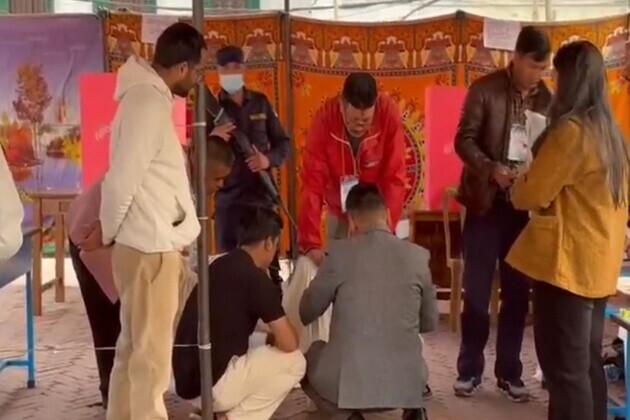
Market Infrastructure & Logistics Expansion: Nepal's mountainous terrain historically constrained e-commerce logistics—the news explicitly notes hand-tallied ballots required manual transport to counting centers. However, the new government's mandate for "regional development beyond the capital" and infrastructure modernization signals investment in logistics networks, payment systems, and digital connectivity. Sellers should monitor announcements regarding digital payment gateway licensing, customs modernization, and last-mile delivery infrastructure. The 60% voter turnout across dispersed constituencies indicates growing digital literacy and internet penetration beyond Kathmandu, expanding addressable markets for cross-border sellers.
Regulatory & Compliance Landscape: Political transitions in emerging markets typically trigger regulatory reviews. Gen Z leaders explicitly stated major parties "failed to incorporate protest agreements into election manifestos," suggesting the new government will prioritize transparency, anti-corruption measures, and potentially stricter e-commerce regulations around consumer protection, data privacy, and seller accountability. Sellers should prepare for potential new compliance requirements around seller verification, product authenticity certification, and consumer dispute resolution mechanisms. The RSP's anti-corruption platform may accelerate adoption of digital payment systems (reducing cash-based fraud) and transparent supply chain documentation—benefiting organized sellers while pressuring informal competitors.
Questions 8
How can sellers capitalize on Nepal's 1 million first-time Gen Z voters?
First-time voters represent untapped customer acquisition opportunities with high digital engagement and brand loyalty potential. This cohort prioritized job creation and economic opportunity—indicating strong conversion potential for skill-building, entrepreneurship, and career development products. Implement targeted digital marketing campaigns emphasizing transparency, social impact, and youth empowerment. Leverage social media platforms where Gen Z concentrates (TikTok, Instagram, YouTube) with authentic, anti-establishment messaging. Offer flexible payment options and student/youth discounts to capture price-sensitive first-time buyers. Build community engagement around shared values (anti-corruption, economic opportunity, regional development) to create brand advocates among this influential demographic cohort.
What timeline should sellers expect for Nepal market infrastructure improvements?
The new government must form by March 9, 2025 (per election timeline), with infrastructure priorities likely announced within 90-180 days. Regional development projects typically require 6-12 months for planning and 12-24 months for implementation. Sellers should expect gradual improvements in payment systems and customs procedures within 6-12 months, with significant logistics infrastructure changes materializing over 18-36 months. Immediate actions: establish relationships with Nepal-based 3PL providers, monitor government announcements, and prepare for potential regulatory changes. Medium-term (6-12 months): evaluate direct fulfillment operations if market growth justifies investment. Long-term (18+ months): capitalize on improved infrastructure for expanded regional operations.