



Strait of Hormuz Shipping Crisis | 80% Traffic Decline Triggers Logistics Cost Surge for Cross-Border Sellers
- Maritime disruption on March 5, 2026 creates 15-25% shipping cost increases; sellers must pivot sourcing strategies and reroute inventory through alternative corridors within 30-60 days



Overview
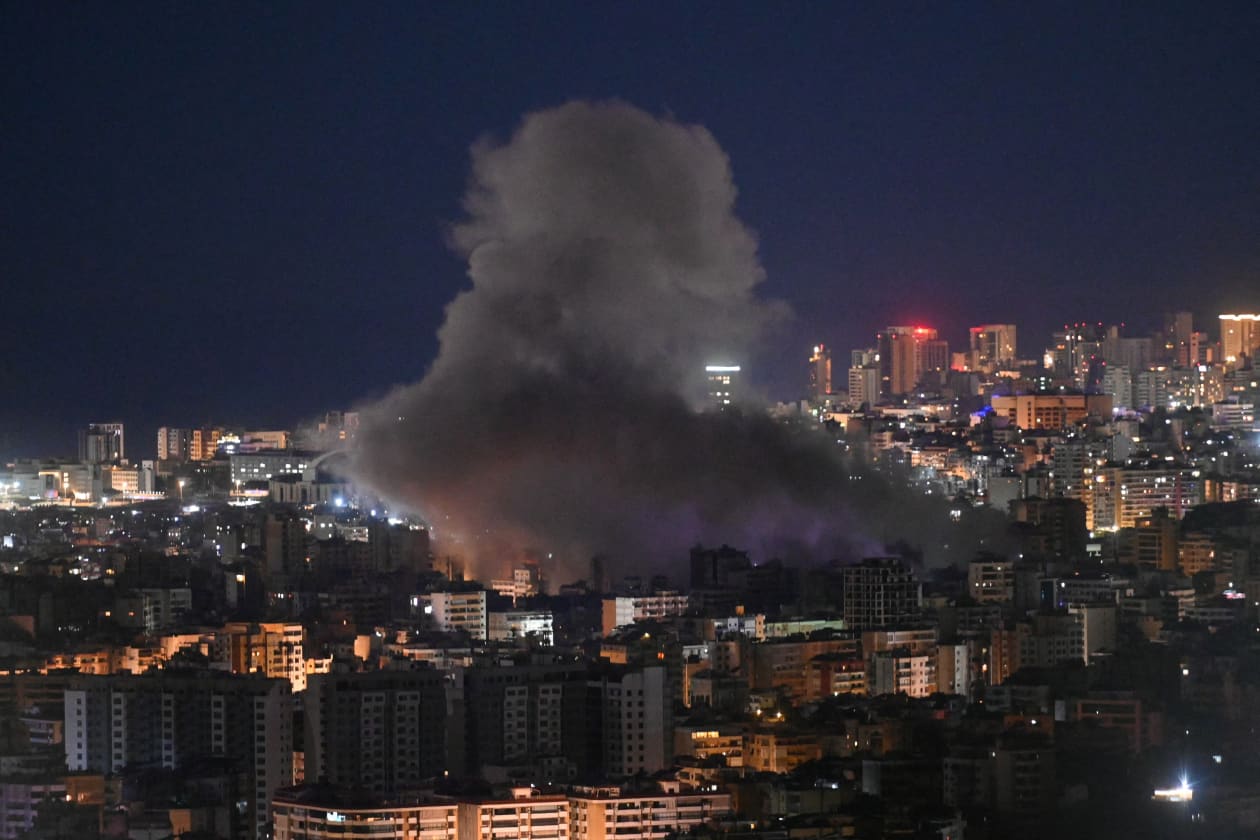
The March 5, 2026 Iranian attack on a U.S. oil tanker in the Persian Gulf has triggered a critical logistics crisis affecting cross-border e-commerce sellers globally. The Islamic Revolutionary Guard Corps (IRGC) claimed responsibility for striking the American vessel near Kuwait's coast, with the UK Maritime Trade Operations (UKMTO) confirming a massive explosion and fire. More significantly, the IRGC issued a strategic warning that any vessels—military or commercial—linked to the U.S., Israel, or supporting European nations would be denied passage through the Strait of Hormuz, a waterway controlling approximately 20% of global oil supply. Maritime traffic through the Strait has declined 80% since the conflict escalated, creating immediate operational and financial consequences for e-commerce sellers.
The direct impact on seller logistics is substantial and time-sensitive. The 80% traffic reduction through the Strait of Hormuz forces shipping carriers to reroute cargo through longer, costlier alternative routes—primarily around Africa's Cape of Good Hope, adding 10-14 additional days to transit times and increasing fuel surcharges by 15-25%. For sellers shipping electronics, apparel, and consumer goods from Asia to Europe or North America, this translates to $200-500 additional costs per 20-foot container. Amazon FBA sellers shipping inventory from China or Vietnam to U.S. fulfillment centers face 3-4 week delays instead of standard 2-week ocean freight timelines, directly impacting inventory turnover and Buy Box eligibility. Sellers with tight inventory buffers or seasonal products (Q2 summer goods, Q4 holiday merchandise) face stockout risks if they don't immediately adjust procurement timelines.
Strategic sourcing shifts are becoming economically necessary. The cost differential between traditional Asia-to-West routes (now 15-25% more expensive) versus nearshoring alternatives (Mexico, Vietnam, India) is narrowing dramatically. Sellers should evaluate shifting 20-30% of inventory sourcing to Mexico for North American fulfillment or India/Vietnam for European distribution, reducing Strait-dependent routes. Oil price volatility triggered by the tanker attack creates secondary cost pressures—fuel surcharges on shipping are already rising, and this geopolitical uncertainty will persist for months. Sellers in high-margin categories (electronics, luxury goods, specialty items) can absorb these costs; sellers in low-margin categories (basic apparel, home goods) face margin compression of 5-8% unless they increase prices or reduce fulfillment frequency.
Immediate compliance and operational actions are critical. Sellers must audit their supply chain within 7-14 days to identify which shipments are currently in transit through the Strait or scheduled to route through it. Contact freight forwarders and 3PL providers immediately to confirm alternative routing options and updated cost quotes. For Amazon FBA sellers, this may require adjusting Inventory Performance Index (IPI) targets downward temporarily (expect 2-3 week delays) and communicating with Amazon about potential stranded inventory. Consider splitting shipments across multiple carriers and routes to reduce single-point-of-failure risk. Monitor oil prices and shipping indices daily—if Brent crude remains elevated above $85/barrel, the cost premium will persist for 6+ months. Sellers should also evaluate nearshoring partnerships in Mexico, Vietnam, and India as medium-term hedges against future Strait disruptions, potentially reducing long-term logistics costs by 8-12% once alternative supply chains mature.
Questions 7
How long will the Strait of Hormuz disruption impact shipping routes?
The IRGC's warning that Western-linked vessels will be denied Strait passage suggests this disruption will persist for months, not weeks. Geopolitical tensions in the Persian Gulf typically last 6-12 months before de-escalation. Assume elevated shipping costs and extended transit times through at least Q3 2026. Oil prices may remain elevated above $85/barrel for 6+ months, sustaining fuel surcharges. Plan your inventory strategy for a 6-month disruption window: nearshore 20-30% of sourcing, negotiate long-term freight rates, and build safety stock for critical SKUs. Monitor geopolitical developments weekly and adjust strategies if tensions escalate or de-escalate.
Which product categories are most vulnerable to shipping delays?
Seasonal and time-sensitive categories face the highest risk: Q2 summer goods (apparel, outdoor equipment), Q4 holiday merchandise (toys, electronics, gifts), and fast-moving consumer goods with short shelf lives. Electronics and luxury goods can absorb 15-25% shipping cost increases due to higher margins; basic apparel and home goods face 5-8% margin compression. Perishable items and products with expiration dates are extremely vulnerable to 3-4 week delays. Sellers in these categories should prioritize nearshoring or air freight alternatives despite higher costs. Evaluate your top 20 SKUs by revenue and assess which ones require expedited sourcing strategies.