





Gaming Graphics Evolution Signals Next-Gen Platform Transformation
- Technological advancements reshaping competitive landscape for game developers and hardware manufacturers













.jpg)













































Overview
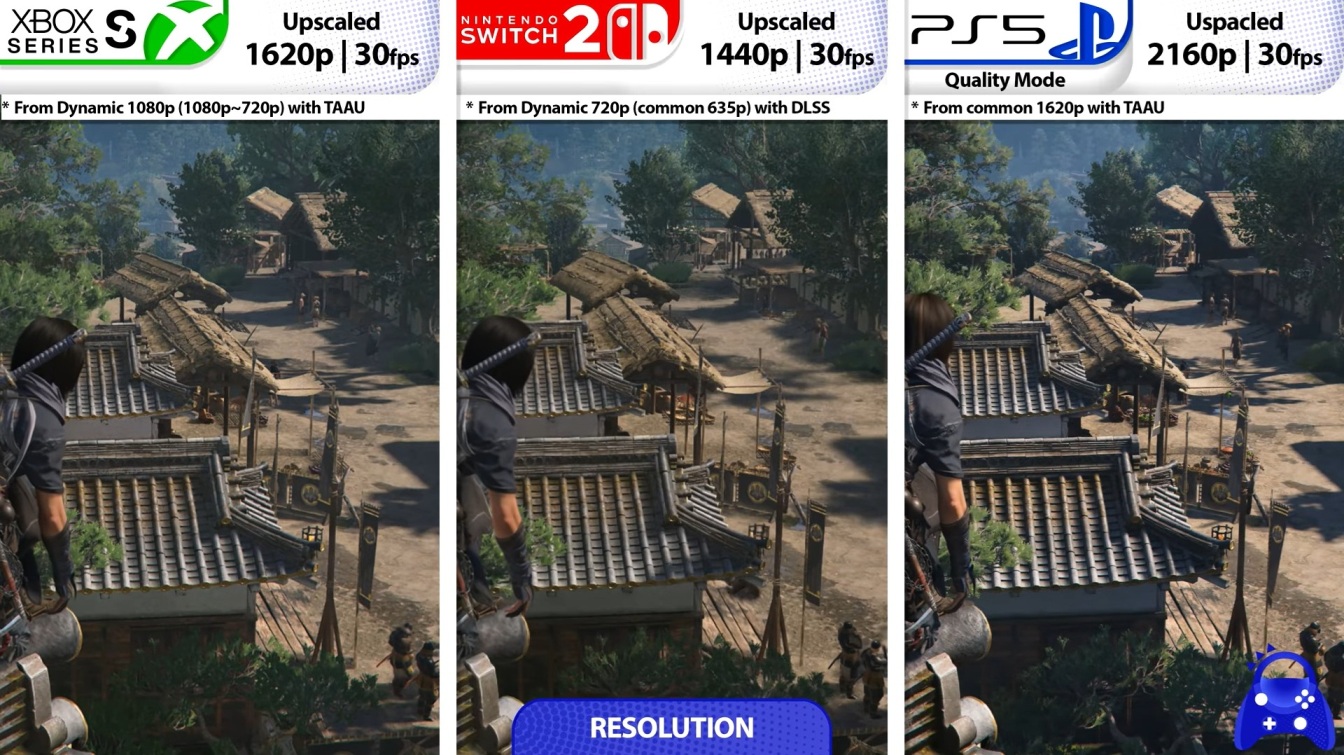
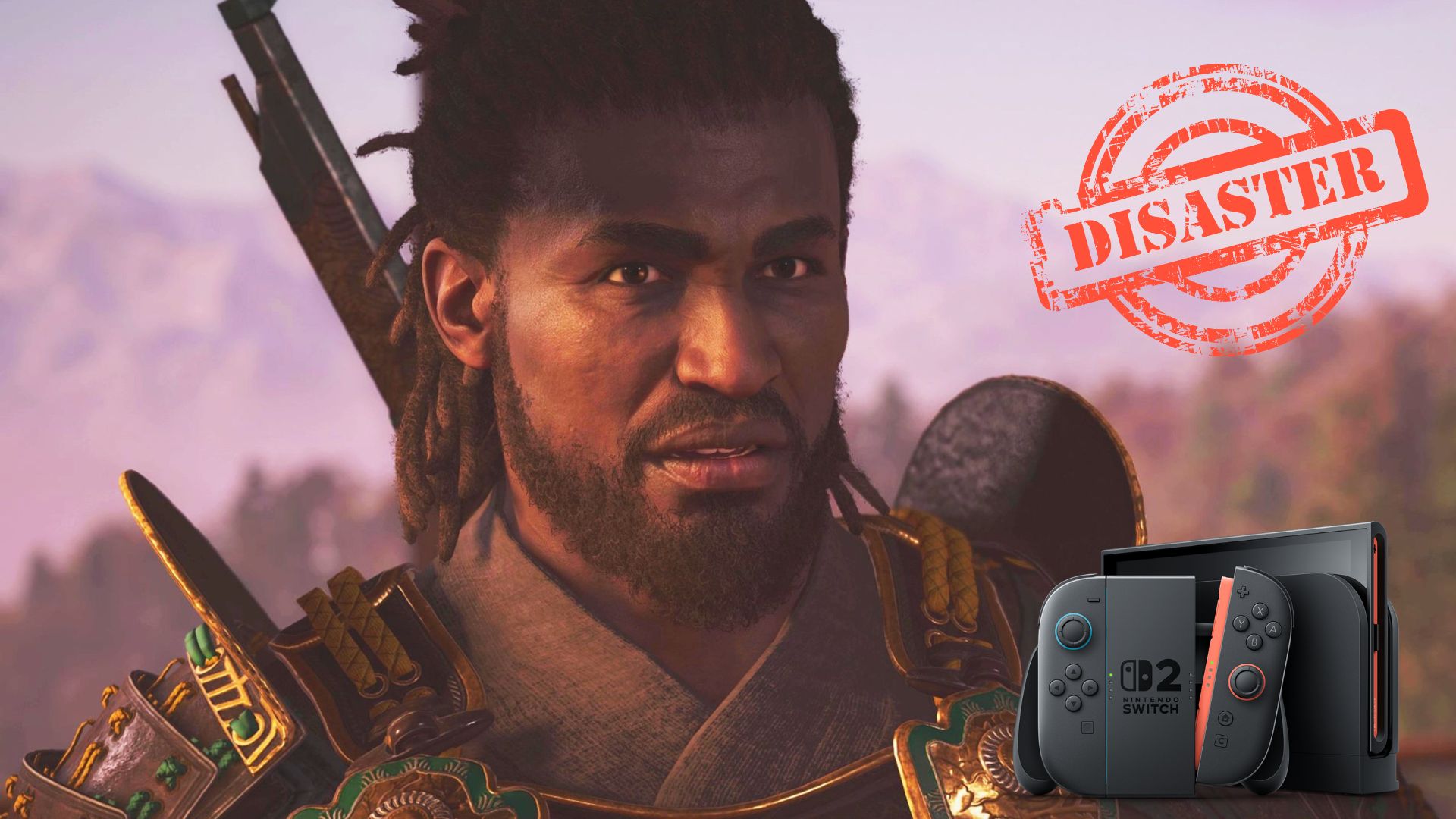
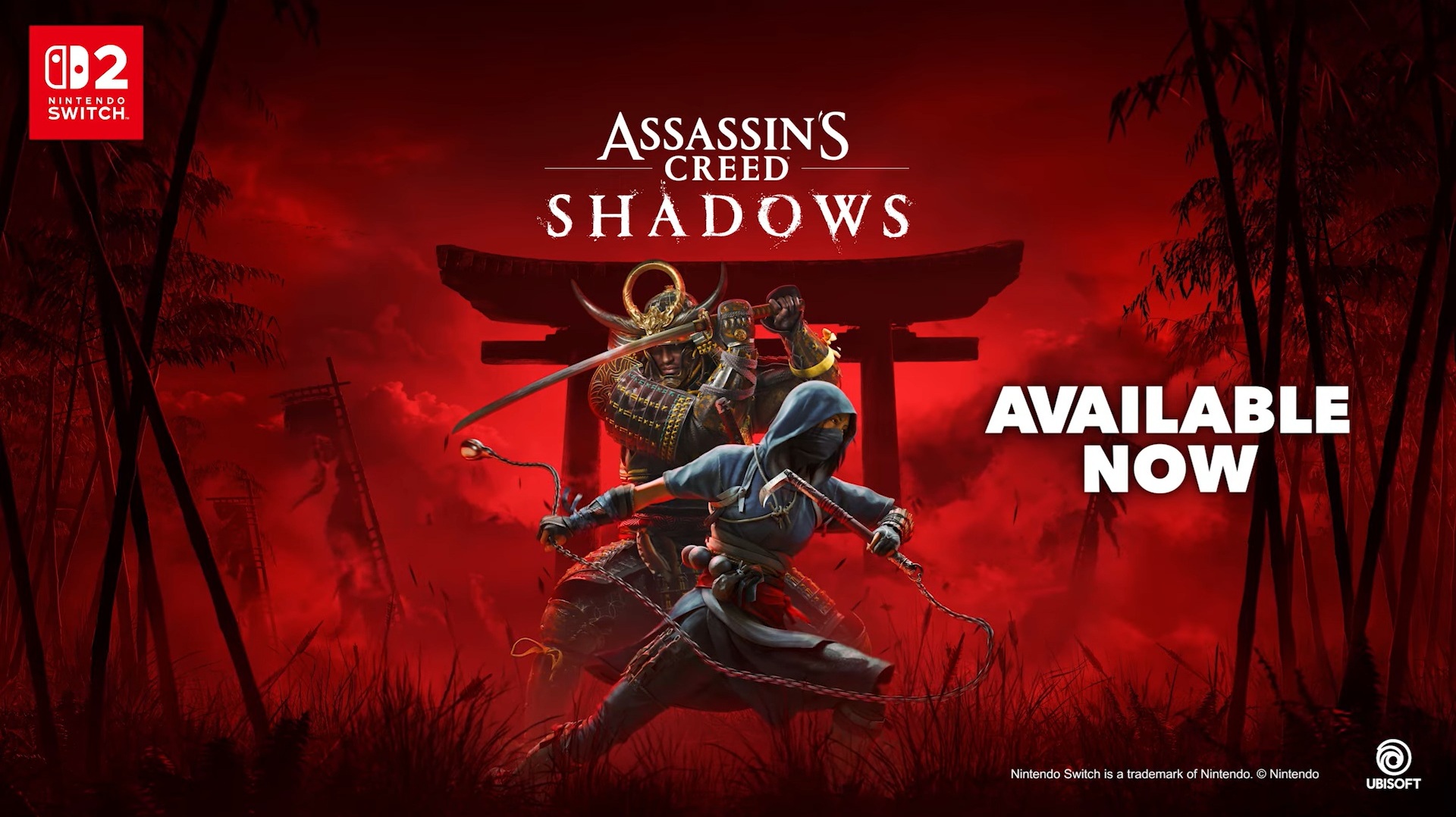
The recent Assassin's Creed Shadows graphics comparison between Switch 2 and PC platforms reveals a critical inflection point in the gaming technology ecosystem. While seemingly a simple technical comparison, this development signals profound shifts in how gaming platforms are conceptualized, developed, and marketed.
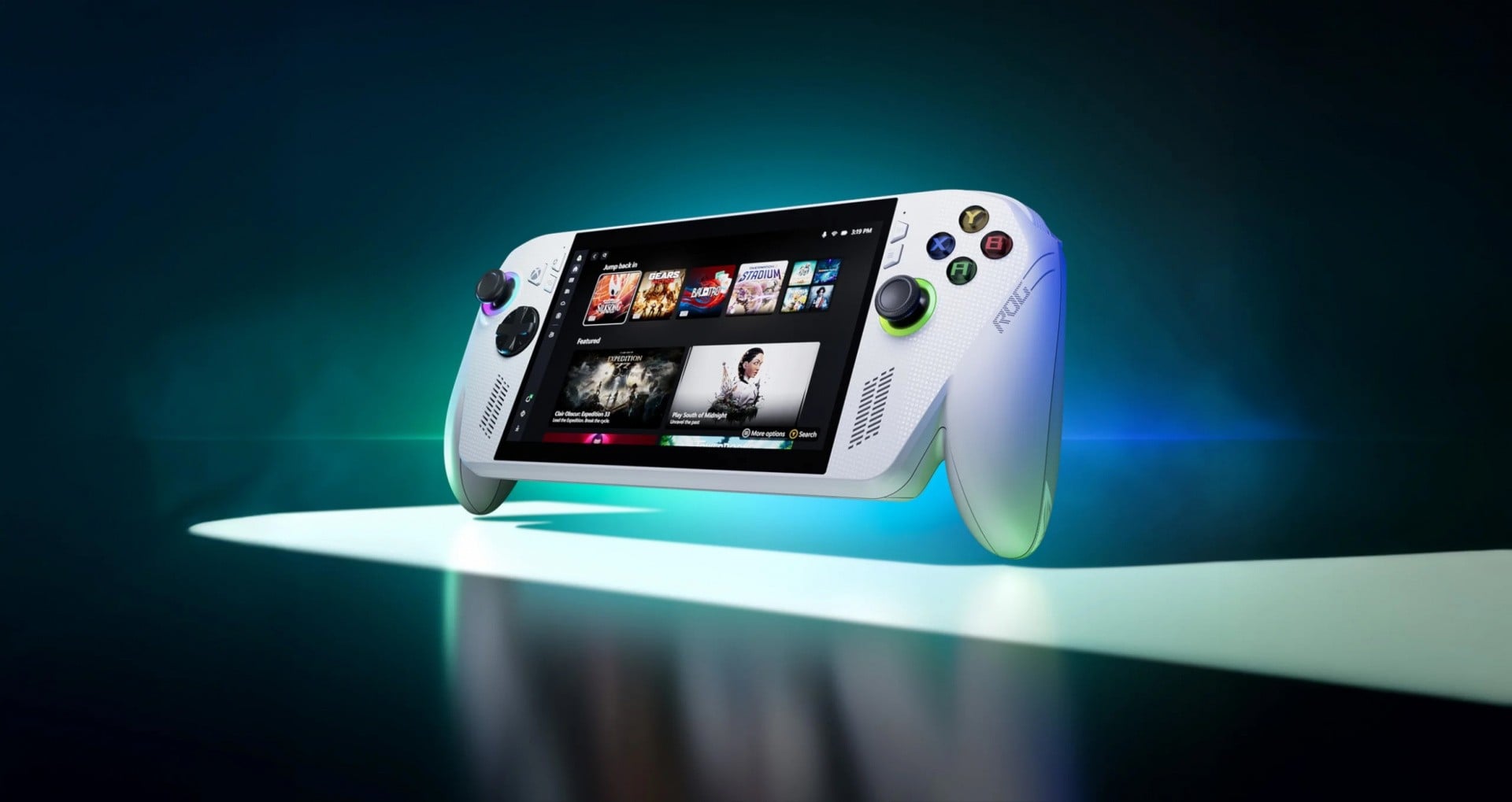
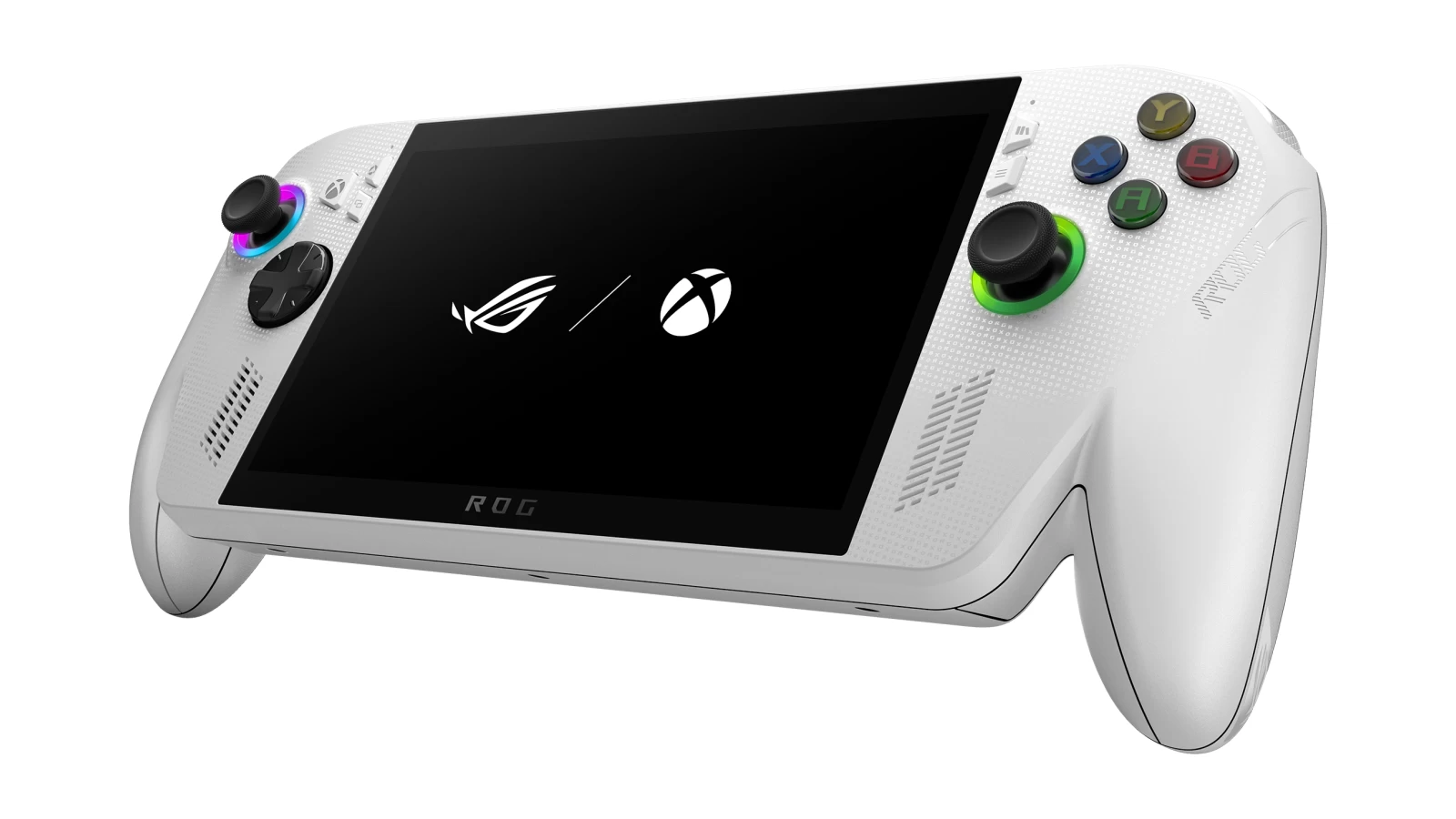
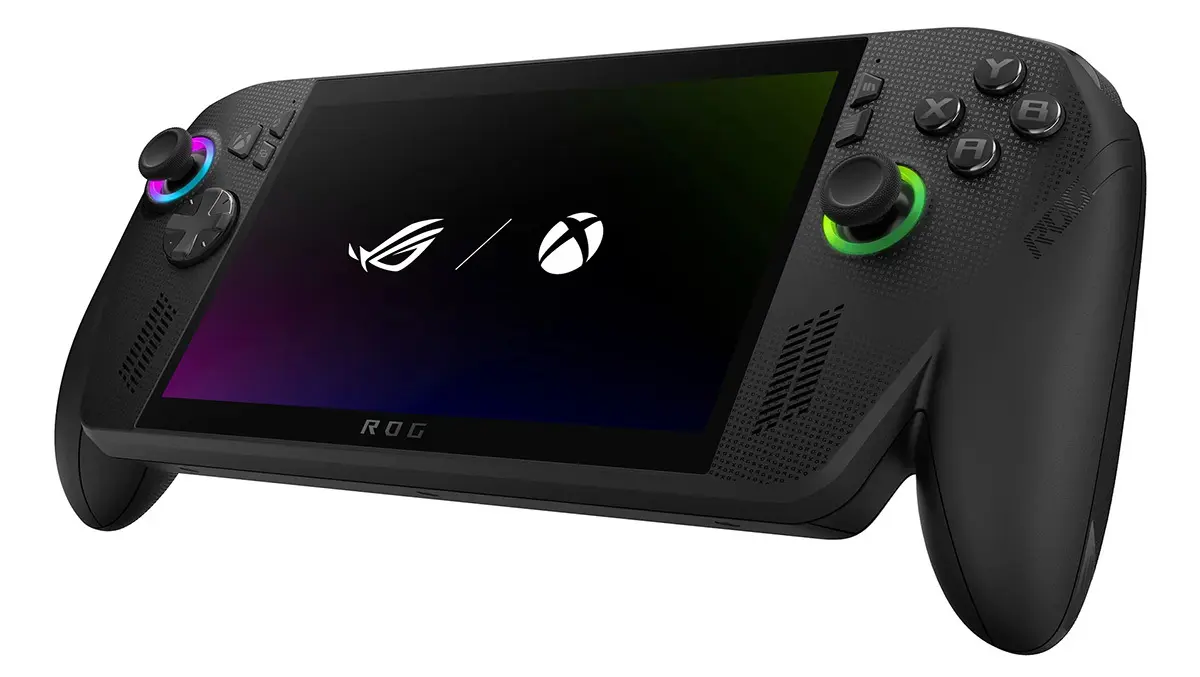
Technological Convergence and Platform Differentiation emerge as the core narrative. The graphics comparison highlights an increasingly blurred line between mobile and traditional gaming platforms. Developers are now challenged to create experiences that can seamlessly translate across diverse hardware configurations, from high-end PCs to next-generation mobile devices like the Switch 2.
Performance Optimization Becomes a Strategic Differentiator for game studios and hardware manufacturers. The ability to deliver visually compelling experiences across multiple platforms is no longer a technical nicety but a fundamental competitive advantage. This trend suggests a future where platform-agnostic game design and adaptive rendering technologies will become paramount.
The implications extend beyond mere visual fidelity. Cross-Platform Compatibility is rapidly transforming from a feature to an expectation. Game developers must now architect their titles with unprecedented flexibility, ensuring that core gameplay experiences remain consistent while graphical presentations can be dynamically scaled.
Strategic players in the gaming ecosystem will recognize this as more than a technical evolution—it's a fundamental reimagining of how interactive entertainment is conceived, developed, and consumed. The boundaries between mobile, console, and PC gaming are dissolving, creating new opportunities for innovation and user engagement.
Questions 3
Are traditional platform distinctions becoming less relevant?
Yes, the lines between mobile, console, and PC gaming are rapidly blurring. Developers and manufacturers are increasingly prioritizing cross-platform compatibility and adaptive performance over strict platform-specific experiences, signaling a more unified approach to interactive entertainment.
What does this mean for future gaming hardware?
Hardware manufacturers will need to focus on creating more versatile platforms that can deliver high-performance experiences across a range of technical specifications. The trend suggests a move towards more modular, adaptable gaming devices that can bridge mobile and traditional gaming ecosystems.