



Middle East Conflict Escalation Drives Oil Price Volatility | Cross-Border Sellers Face 8-15% Logistics Cost Surge
- Strait of Hormuz disruptions threaten 20% of global oil supply; Indian refiners permitted Russian oil purchases for 30 days; Foxconn warns raw material and logistics costs could spike significantly if conflict prolongs











Overview
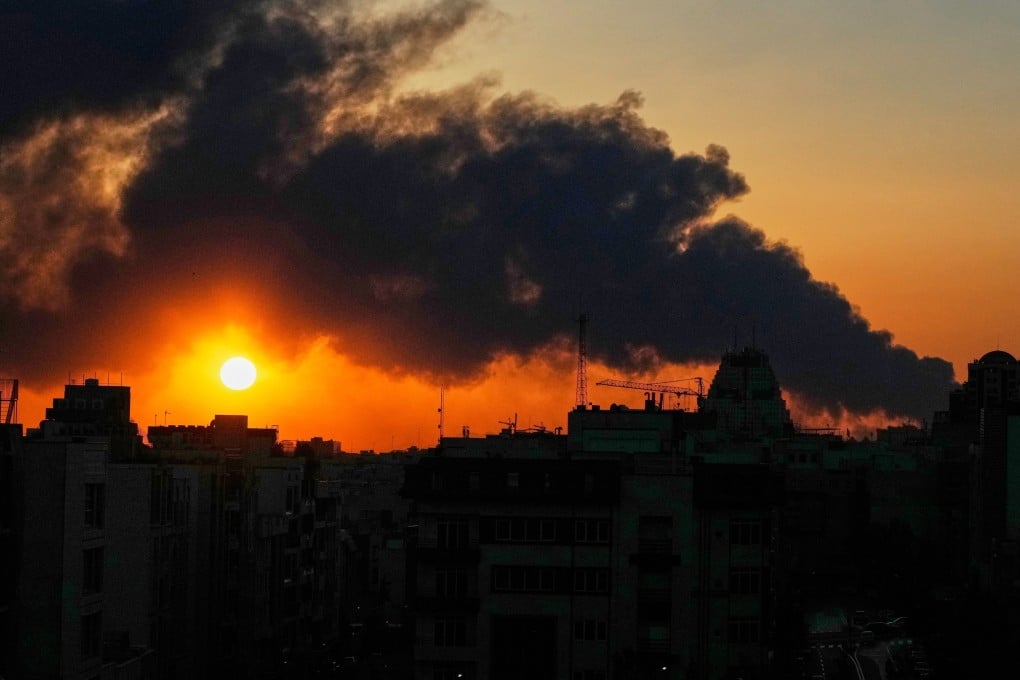
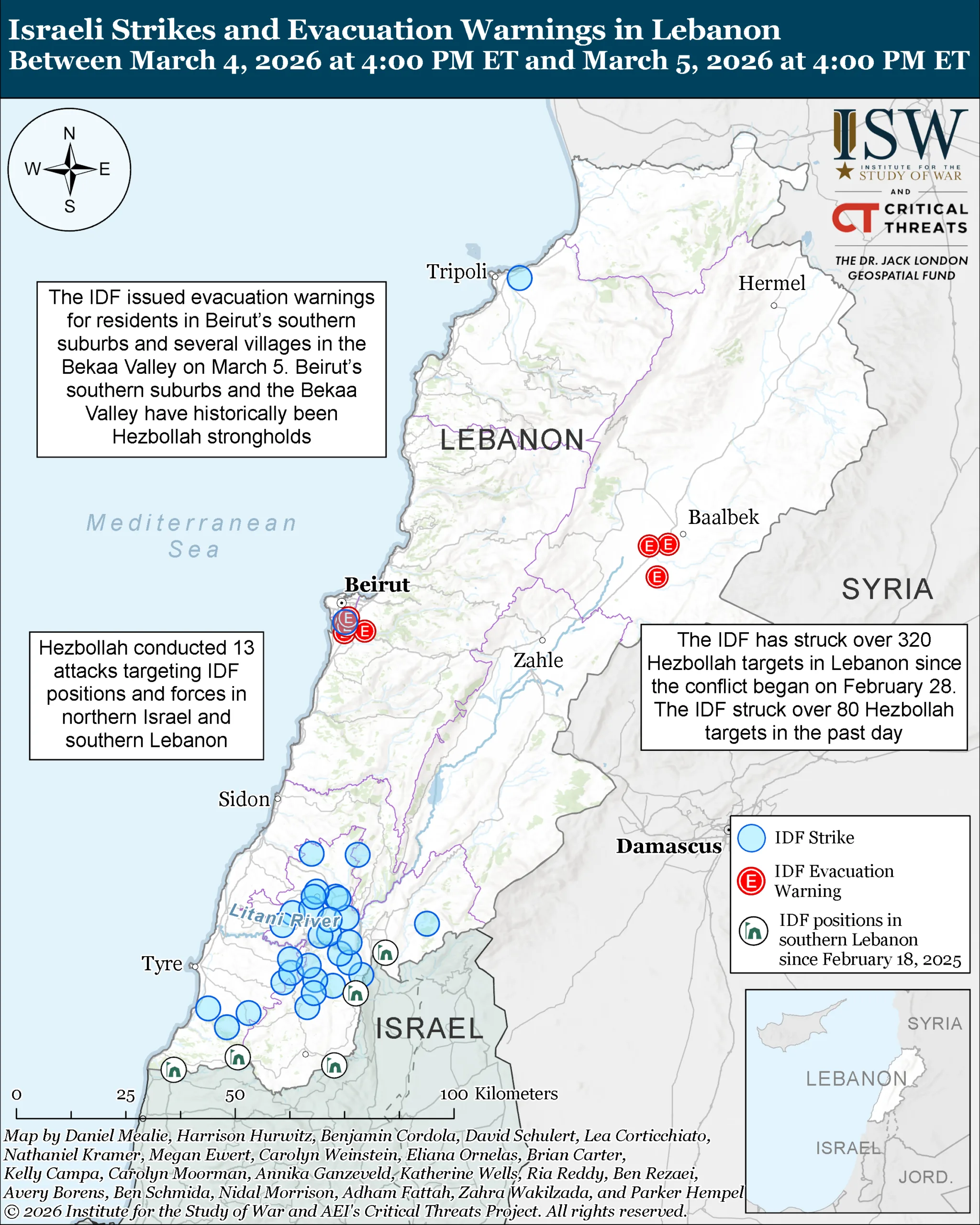
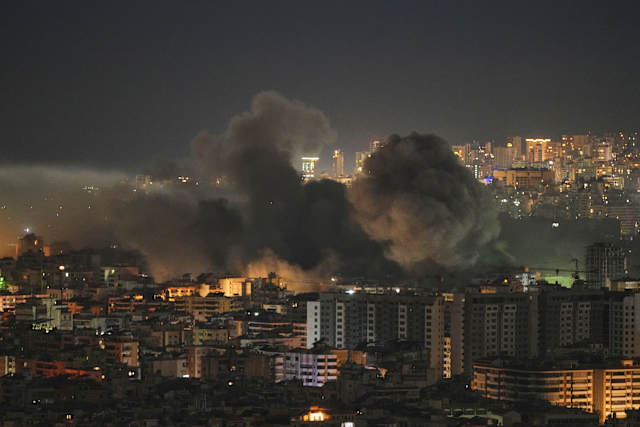
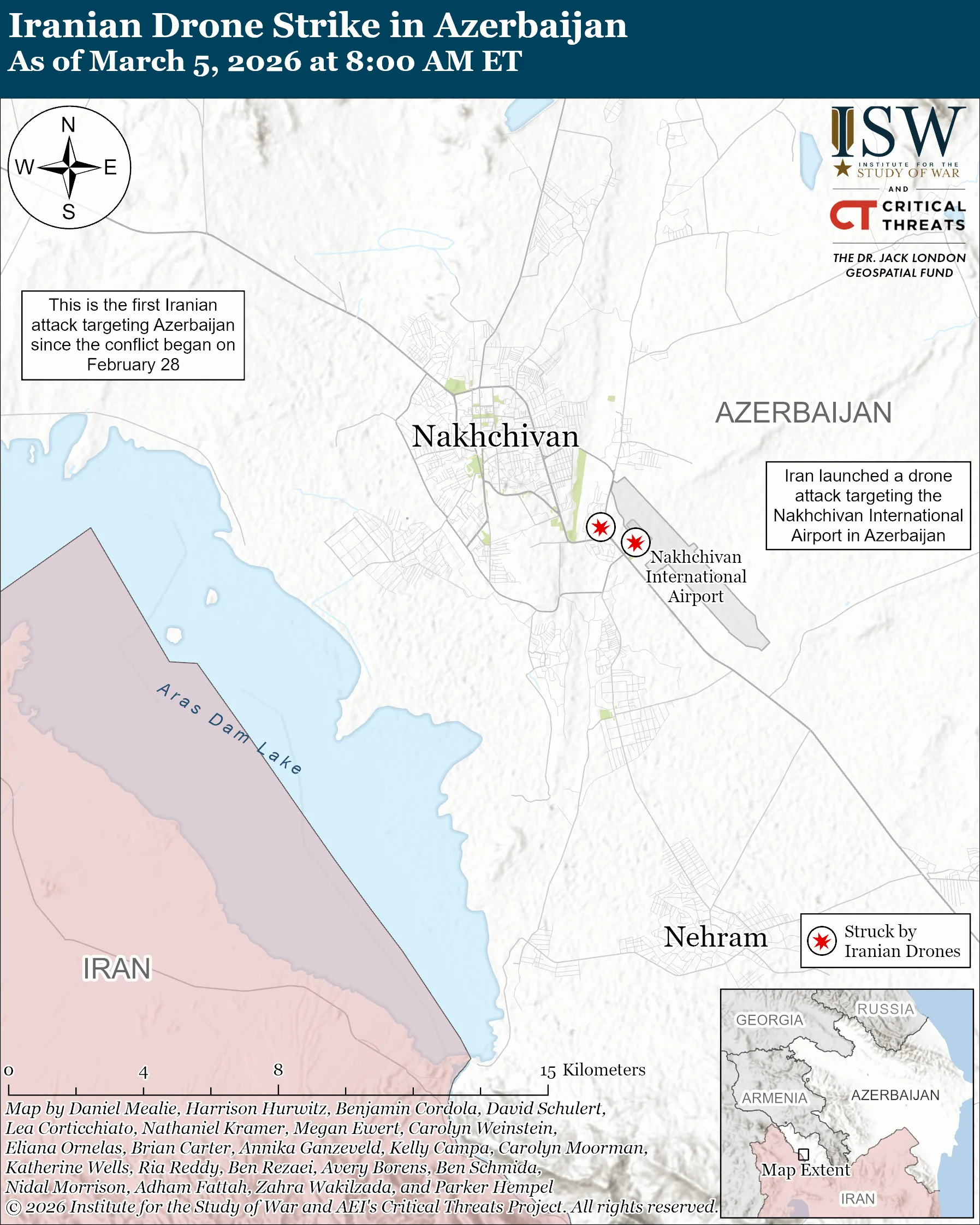
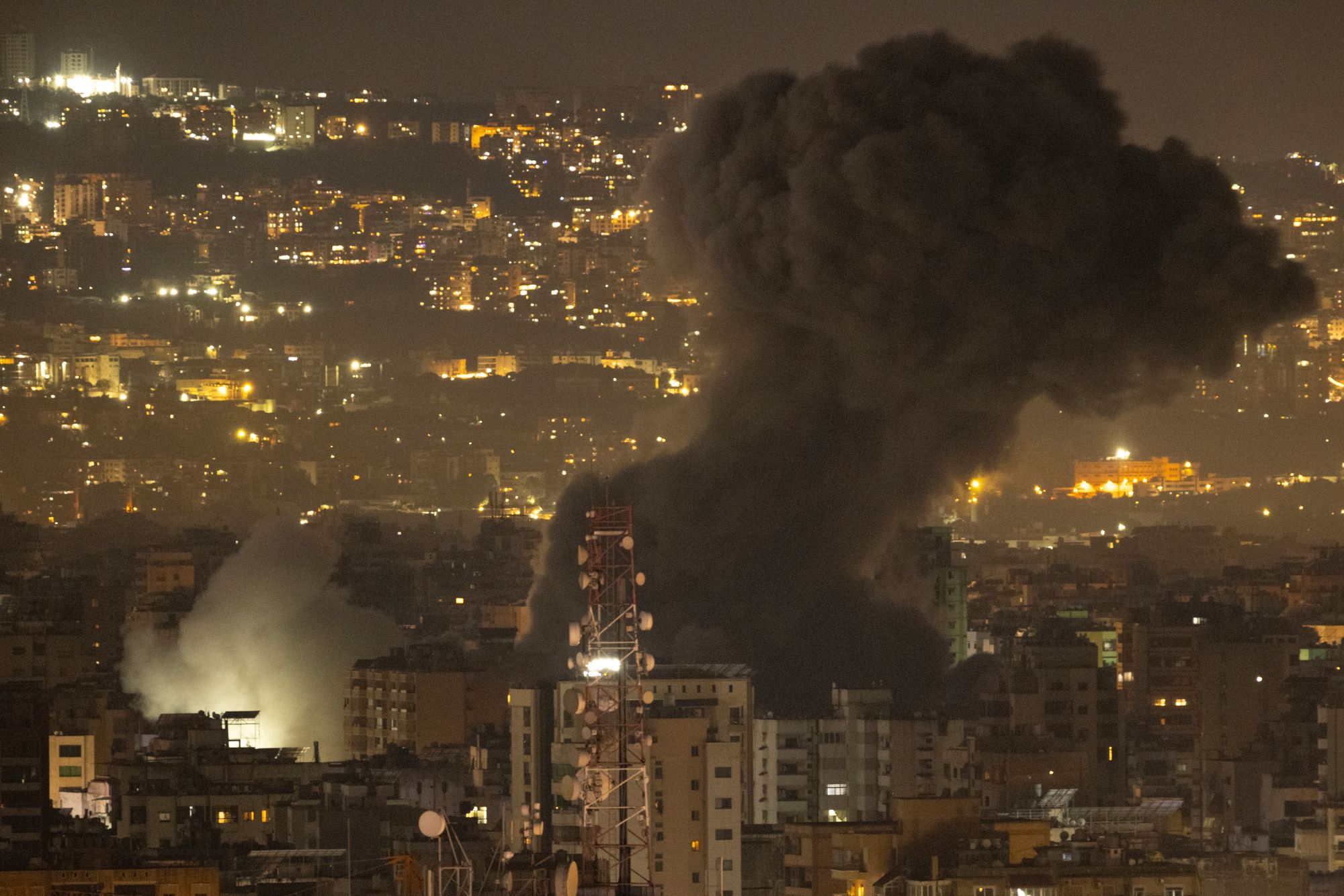
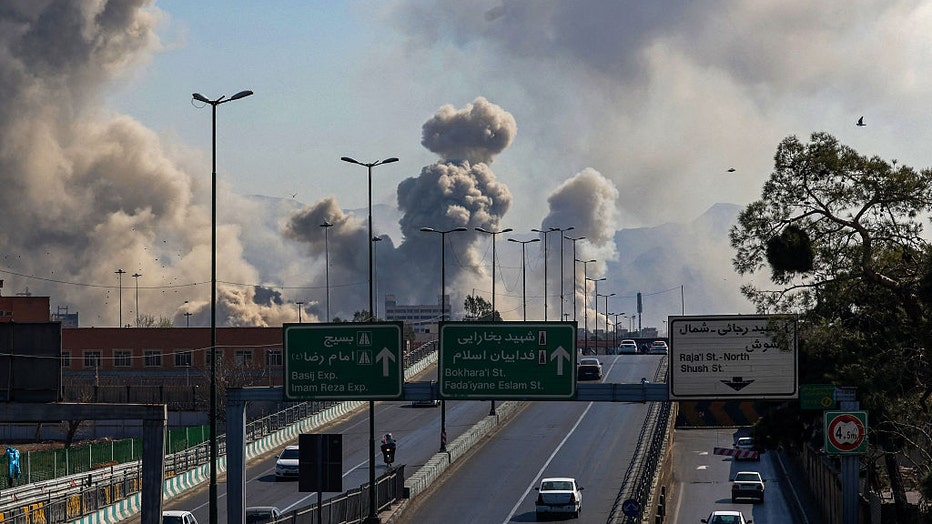
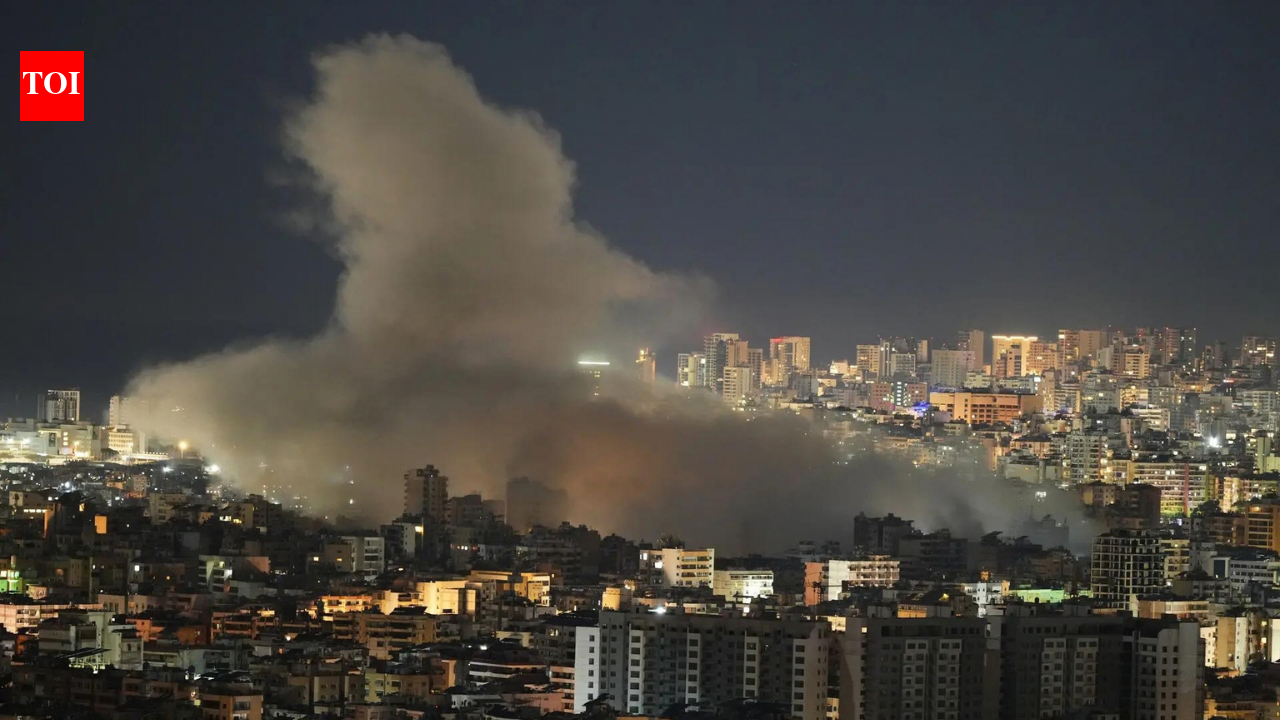
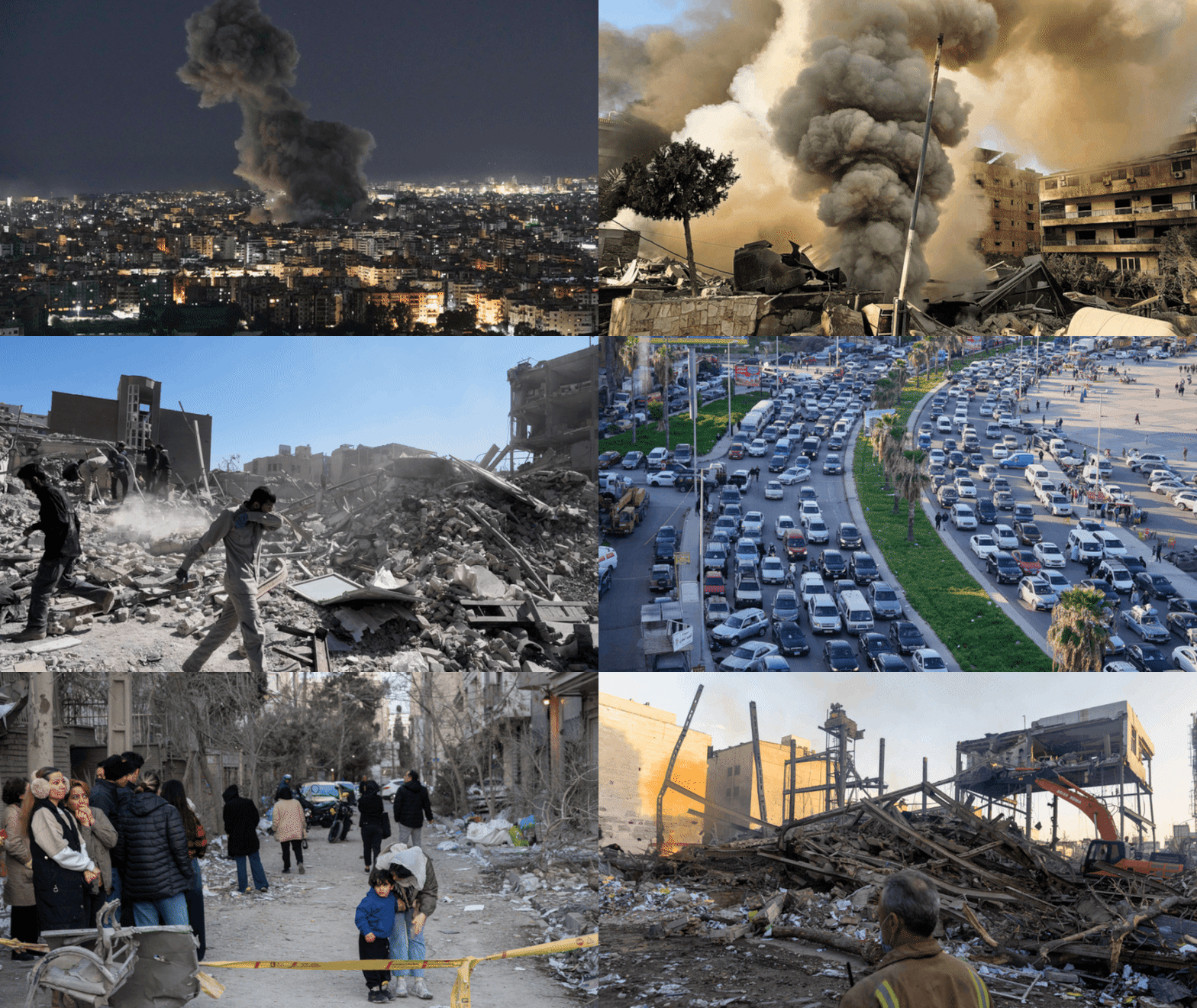
The escalating military conflict between Israel, Iran, and Hezbollah in the Middle East creates immediate supply chain vulnerabilities for cross-border e-commerce sellers, particularly those relying on Asian manufacturing hubs and Middle Eastern logistics corridors. The Strait of Hormuz—handling one-fifth of global oil supply—faces potential disruption as tensions intensify, with Israeli airstrikes on Beirut's Dahiya district and Iranian drone/missile responses creating shipping route uncertainty. Treasury Secretary Scott Bessent's announcement permitting Indian refiners to purchase Russian oil for 30 days signals administration concerns about energy price escalation, while Foxconn chairman Young Liu acknowledged that prolonged conflict could significantly impact raw material costs and oil prices affecting manufacturing and logistics operations.
For cross-border sellers, the immediate impact manifests through three critical channels: First, shipping cost inflation on Asia-to-Europe and Asia-to-US routes will likely increase 8-15% if Suez Canal alternative routing becomes necessary, directly compressing margins for sellers shipping electronics, textiles, and consumer goods (HS codes 8471-8517, 6204-6209, 3926-3928). Second, manufacturing delays in China, Vietnam, and India—which supply 60-70% of Amazon FBA inventory—face raw material cost increases and potential production slowdowns if oil prices spike above $90/barrel, affecting replenishment timelines by 2-4 weeks. Third, logistics provider capacity constraints emerge as DHL, FedEx, and regional carriers redirect shipments away from Middle Eastern hubs, creating bottlenecks at alternative ports in Singapore, Rotterdam, and Los Angeles.
Competitive advantage shifts toward sellers with diversified sourcing and pre-positioned inventory. Small-to-medium sellers (SMBs) with single-source manufacturing in China face 15-25% margin compression on products with <30% gross margins, while larger sellers with multi-country sourcing (Vietnam, India, Mexico) can absorb cost increases. Sellers in high-velocity categories (electronics accessories, home goods, apparel) should accelerate Q1 2025 inventory purchases before potential price increases; those in slow-moving categories (furniture, industrial equipment) can defer purchases. The 30-day window for Indian refiner Russian oil purchases creates a temporary pricing window—sellers should monitor oil futures (WTI crude) and lock in shipping rates with 3PL providers before mid-February 2025 when policy expires and market repricing occurs.
Strategic sourcing opportunities emerge in India and Vietnam as alternative manufacturing destinations gain appeal relative to China. Sellers currently sourcing from China should evaluate cost-benefit of shifting 20-30% of volume to Indian suppliers (textiles, electronics components) or Vietnamese manufacturers (footwear, apparel) to reduce exposure to Middle Eastern logistics disruptions. However, this requires 60-90 day lead time for supplier qualification and compliance setup. Risk mitigation requires immediate action: sellers should audit their 3PL provider's routing capabilities, confirm alternative shipping lanes are available, and establish contingency inventory buffers of 15-20% above normal safety stock levels for critical SKUs.
Questions 8
Are there tariff or trade policy changes I should anticipate from this conflict?
The Trump administration's decision to permit Indian refiners to purchase Russian oil for 30 days signals potential tariff shifts favoring India as an alternative manufacturing destination. Watch for potential tariff reductions on Indian textiles and electronics components (HS 6204-6209, 8471-8517) as geopolitical strategy shifts away from China-dependent supply chains. The House's decision to block restrictions on Trump's war powers (219-212 vote) suggests potential for broader trade policy changes. Monitor US Trade Representative announcements for potential tariff modifications on Vietnam and India imports. Sellers should evaluate whether India/Vietnam sourcing could benefit from tariff advantages—potential 5-10% duty reductions could offset transition costs for shifting 20-30% of volume.
What is the timeline for supply chain impacts from this conflict?
Immediate impacts (0-30 days): Shipping rate increases and fuel surcharge adjustments from logistics providers. Short-term impacts (30-90 days): Manufacturing delays in China/Vietnam/India as raw material costs increase and production slows if oil prices spike above $90/barrel. Medium-term impacts (90-180 days): Potential sourcing shifts to India/Vietnam if Middle Eastern route disruptions persist. The 30-day window for Indian refiner Russian oil purchases (announced by Treasury Secretary Bessent) is the critical decision point—after mid-February 2025, oil pricing will reset and shipping rates will stabilize at new levels. Sellers should make inventory and sourcing decisions before this deadline to lock in current pricing.