




Middle East Supply Chain Crisis | Oil Prices Hit $78.98, Air Routes Collapse
- Fuel surcharges spike 8-15% for sellers; Dubai/Abu Dhabi air freight halted; 107K+ Canadians stranded affecting logistics workforce






























Overview
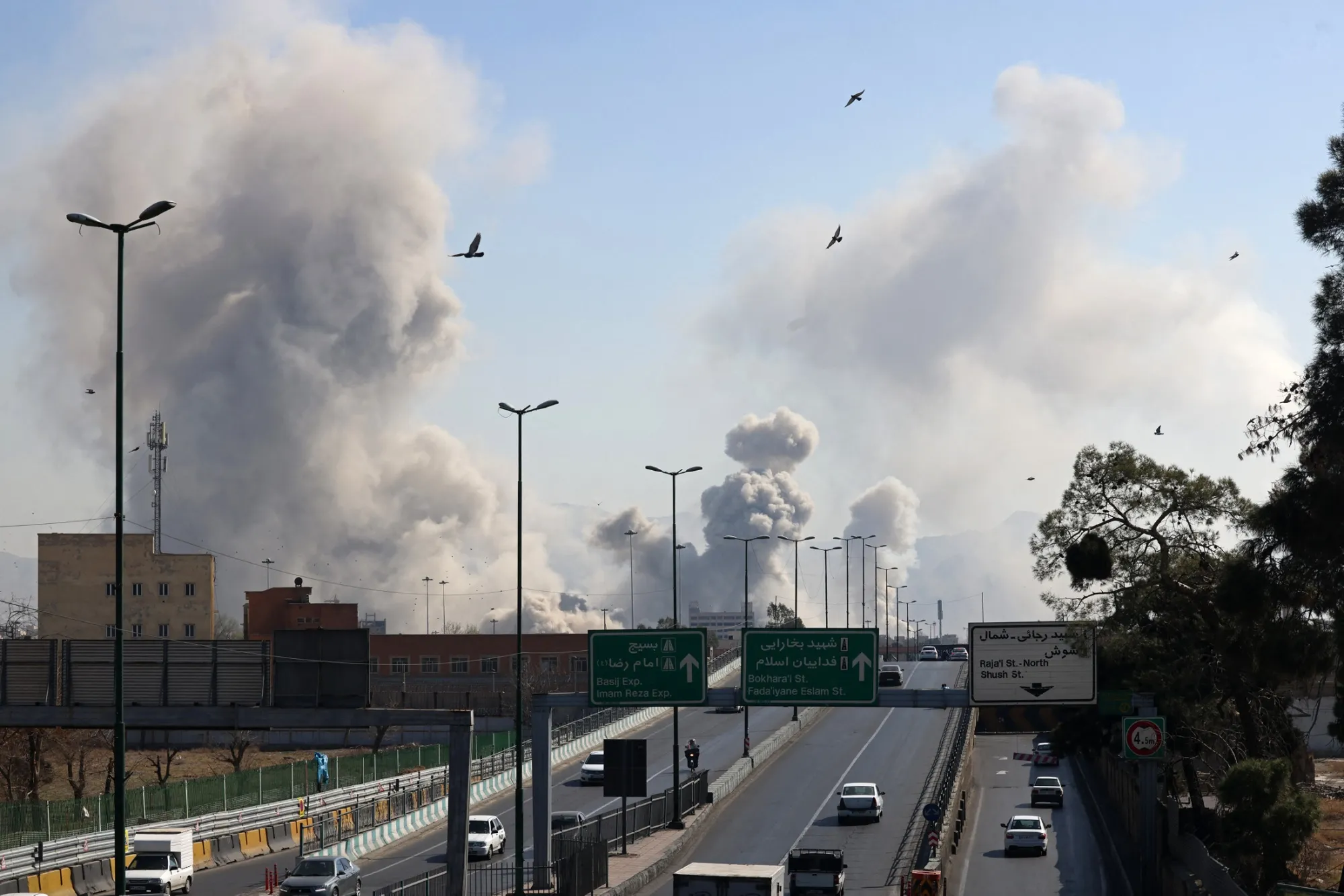
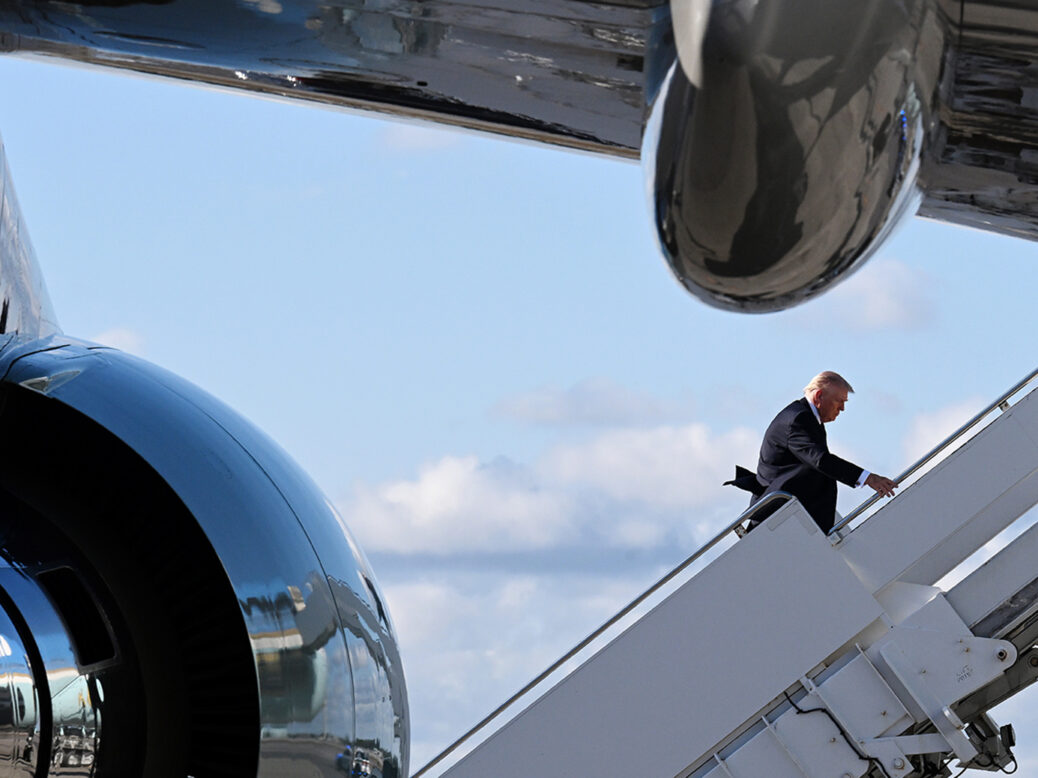
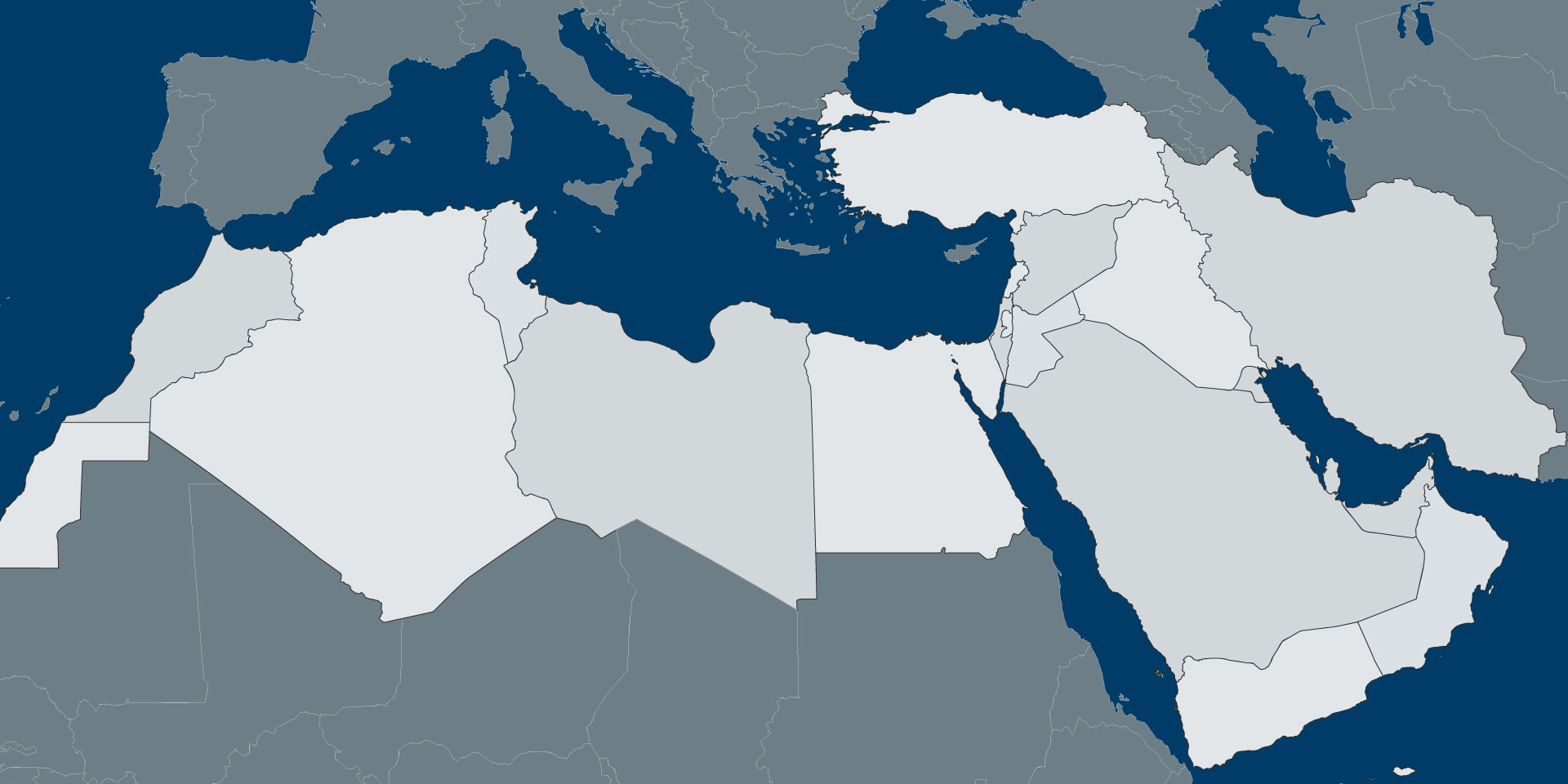
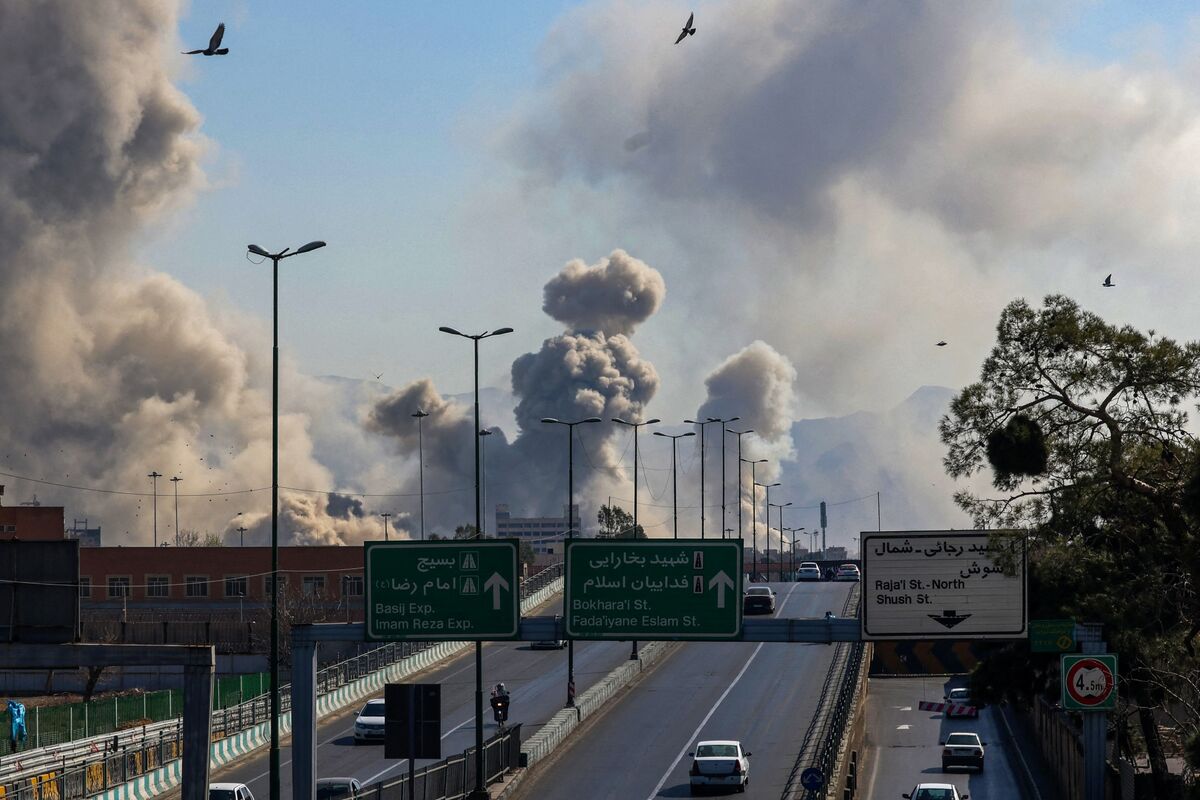
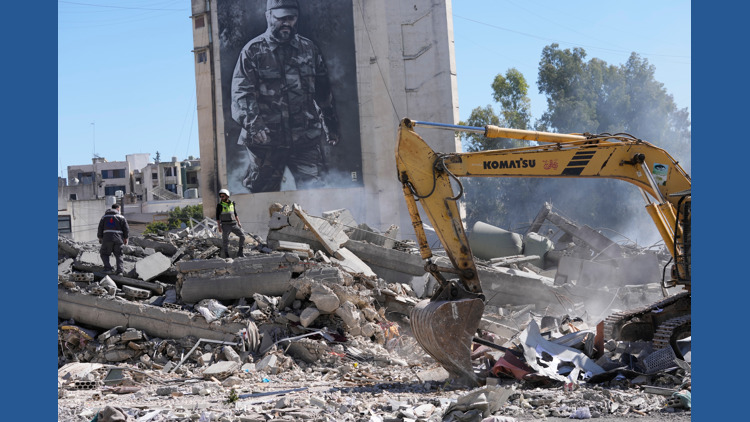
The escalating military conflict in the Middle East—triggered by Supreme Leader Khamenei's death and Trump's explicit regime-change statements—has created an immediate supply chain crisis for cross-border e-commerce sellers. Oil prices surged to $78.98 per barrel (highest since January 16, 2025), directly increasing fuel surcharges on air freight by 8-15% for sellers relying on expedited shipping. Major airlines including Lufthansa, Emirates, Qatar Airways, Etihad Airways, and Oman Air have suspended or significantly reduced operations, creating critical inventory replenishment delays for sellers sourcing from Asian suppliers transiting through Middle Eastern hubs.
Immediate Logistics Impact: Sellers utilizing air freight through Dubai, Abu Dhabi, or Doha face indefinite delays as flight trackers show empty airspace over the region. The U.S. House's decision to block war powers limitations (March 2026) signals continued military operations at current intensity, with Trump explicitly stating strikes will continue. This creates a 30-90 day planning window where sellers must pivot logistics strategies. Stock market declines of 1.3% indicate broader economic uncertainty affecting consumer spending, particularly in discretionary categories (electronics, apparel, home goods). Insurance premiums for regional shipments have increased substantially, with some carriers implementing 15-25% surcharges for Middle East-bound cargo.
Workforce and Customs Disruption: Approximately 107,000 Canadians remain in the region while 2,000+ have requested evacuation assistance. This workforce depletion directly impacts 3PL operations, warehousing facilities, and customs clearance speeds at Middle Eastern ports. Sellers relying on just-in-time inventory models face 2-4 week delays, forcing working capital increases of $5,000-$50,000+ depending on monthly shipment volumes. The power vacuum in Iran (with regime change appearing inevitable) creates 6-12 month uncertainty regarding future trade relationships, tariff structures, and sanctions regimes—critical for sellers with Iran-adjacent supply chains or customers in neighboring markets (UAE, Saudi Arabia, Iraq).
Strategic Sourcing Opportunity: This crisis accelerates the existing China-to-Vietnam/India diversification trend. Sellers currently routing 40-60% of inventory through Middle Eastern hubs should immediately evaluate alternative corridors: direct Asia-to-US West Coast routes (adding 3-5 days but avoiding conflict zones), or Southeast Asian consolidation centers (Thailand, Singapore) with established air freight capacity. Categories most affected include time-sensitive electronics (BSR-sensitive), perishables, and seasonal goods where delays compress margins by 5-12%.
Questions 8
What are the insurance cost implications for shipping through the Middle East during this crisis?
Insurance premiums for Middle East-bound cargo have increased 15-25% due to geopolitical risk. A typical $10,000 shipment with standard 0.5% insurance ($50) now costs $57.50-$62.50 monthly. For sellers shipping 10+ containers monthly, this represents $750-$1,500 additional monthly insurance costs. Some carriers are implementing temporary surcharges or requiring additional documentation. Immediate actions: (1) Obtain quotes from alternative insurers specializing in geopolitical risk; (2) Evaluate self-insurance for lower-risk routes (Asia-to-US direct); (3) Negotiate annual insurance contracts with locked rates to avoid monthly volatility; (4) Consider rerouting to reduce insurable exposure. Budget 15-25% insurance premium increases through Q2 2026 as baseline planning assumption.
Which product categories are most vulnerable to Middle East supply chain disruptions?
Time-sensitive categories face highest margin compression: (1) Electronics (30-day BSR windows)—delays reduce visibility by 40-60%, costing 5-8% margin; (2) Seasonal apparel (Q2 summer inventory)—delays push into off-season, reducing sell-through by 30-50%; (3) Perishables and consumables—extended transit increases spoilage risk by 15-25%; (4) High-velocity SKUs with inventory turnover >8x annually—delays create stockouts costing 2-4% revenue. Conversely, slow-moving inventory (turnover <2x annually) benefits from ocean freight rerouting, reducing logistics costs by 5-8%. Audit your top 100 SKUs by velocity and margin impact. Shift high-velocity, high-margin items to alternative air routes; move slow-movers to ocean freight via Southeast Asian consolidation centers.