


Global LNG Supply Crisis Triggers Shipping Cost Surge | Cross-Border Sellers Face 8-15% Logistics Cost Increases
- Qatar's 20% LNG market share offline after Iranian drone strike; energy-dependent sellers face immediate cost pressures and multi-month supply chain volatility




)


Overview
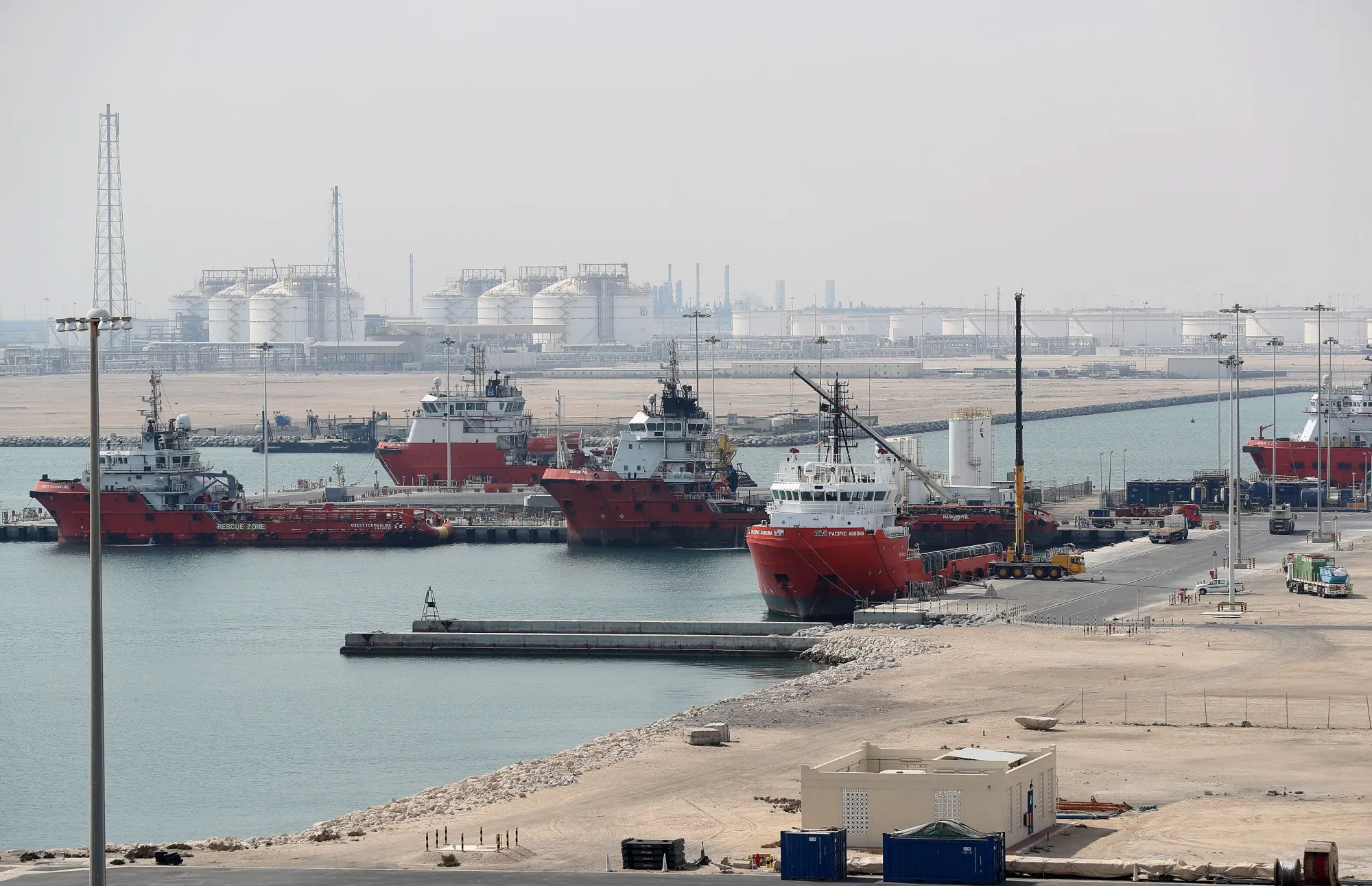
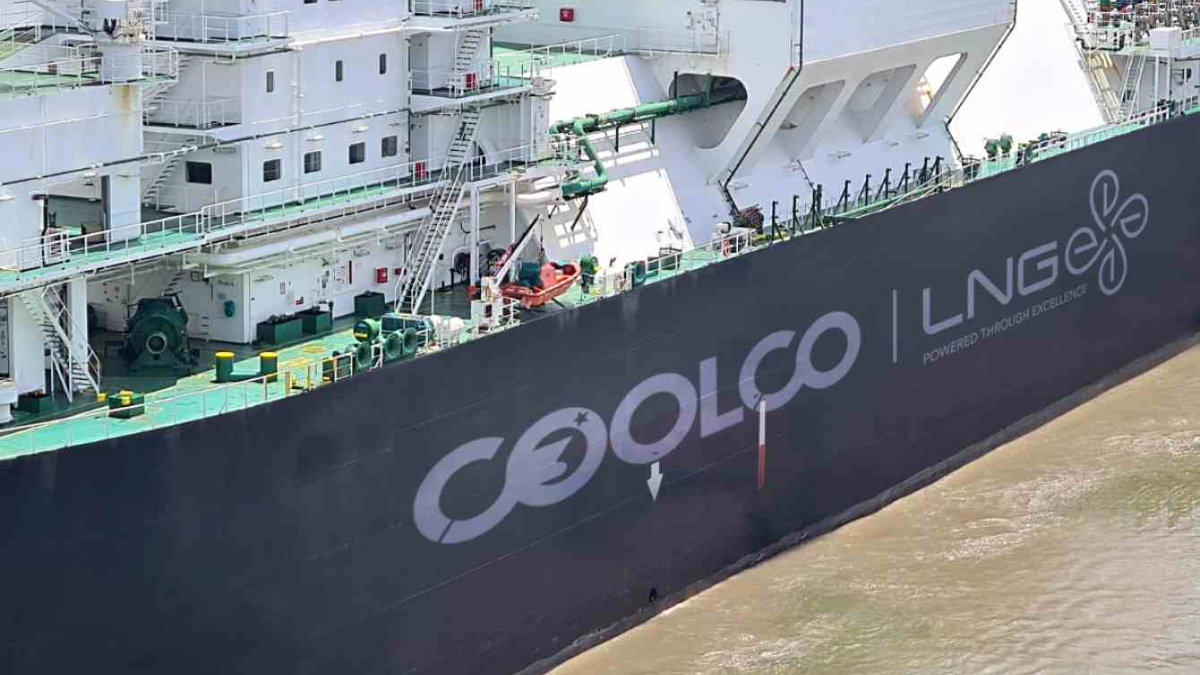
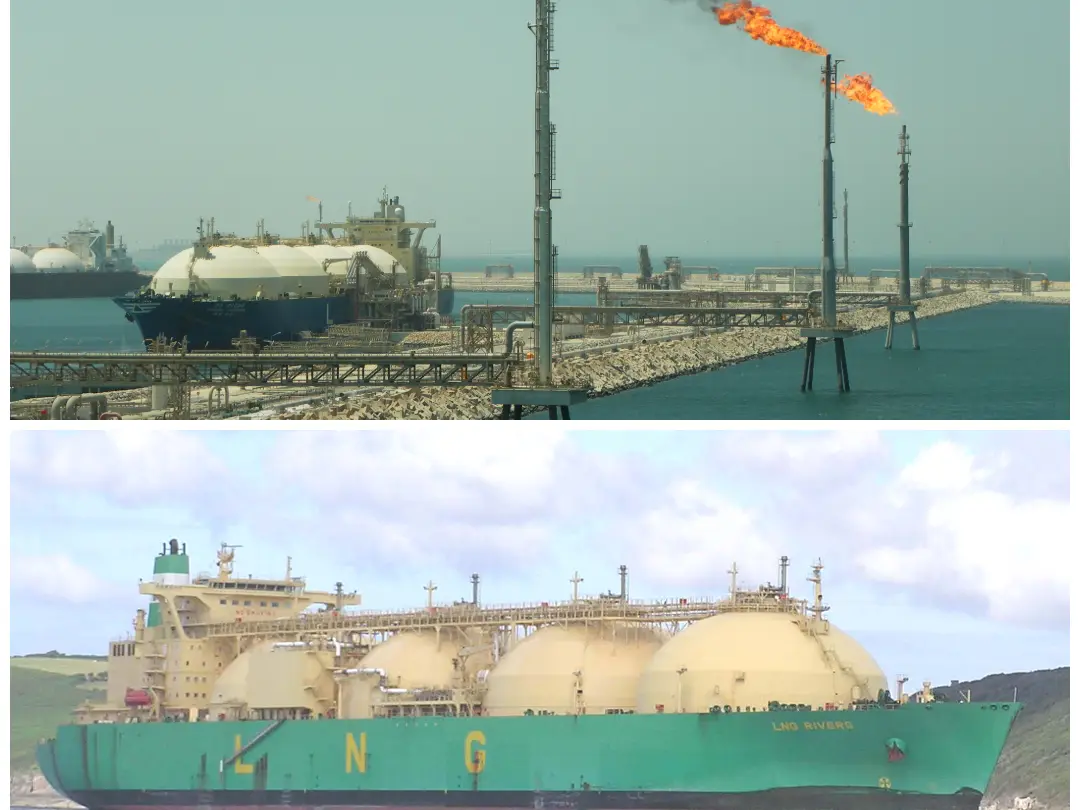
QatarEnergy's March 4, 2026 force majeure declaration following Iranian drone strikes on its Ras Laffan facility represents a critical supply chain shock for cross-border e-commerce sellers. With Qatar supplying approximately 20% of global LNG exports and the global LNG market representing 15% of international natural gas trade, this disruption creates immediate cost pressures across energy-dependent logistics operations. The force majeure declaration—signaling no immediate restart of production—indicates this is not a short-term disruption but a multi-month supply constraint that will cascade through shipping, warehousing, and manufacturing costs.
For cross-border sellers, the operational impact is substantial and immediate. Energy costs directly drive logistics expenses including air freight, temperature-controlled shipping (critical for food, pharmaceuticals, and perishables), and warehouse operations. Sellers relying on cold chain logistics face the most acute pressure—refrigerated shipping costs typically increase 8-15% during energy supply disruptions. Manufacturing-dependent sellers sourcing from energy-intensive industries (electronics, chemicals, textiles) will experience production delays and higher input costs as suppliers adjust to elevated energy prices. The news reports indicate sellers should expect shipping cost increases affecting their margins within 2-4 weeks as energy markets fully price in the supply loss.
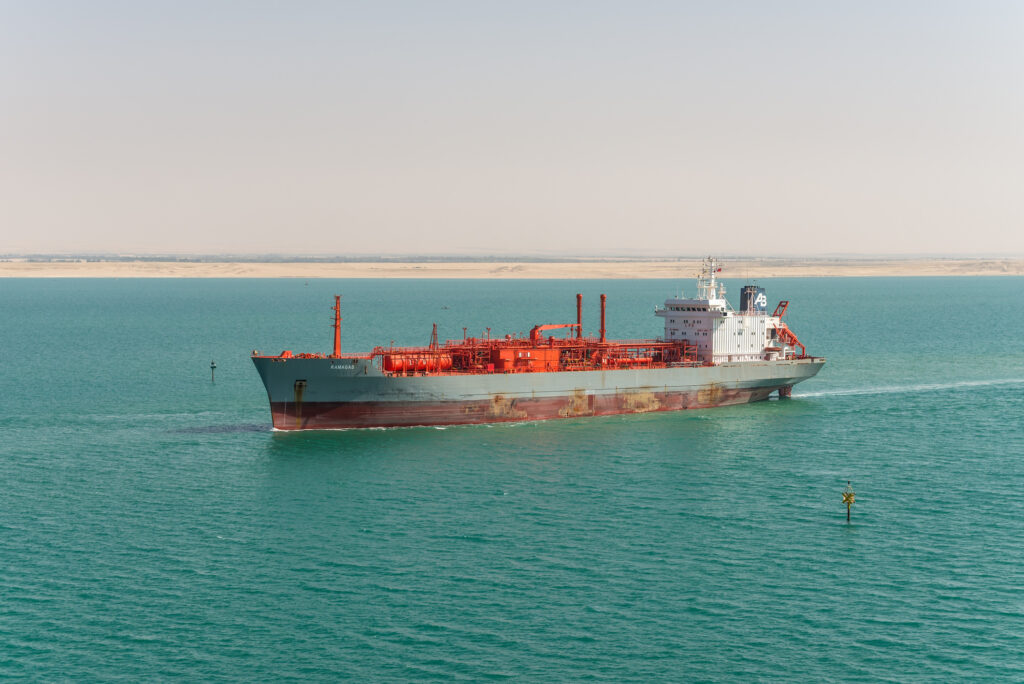
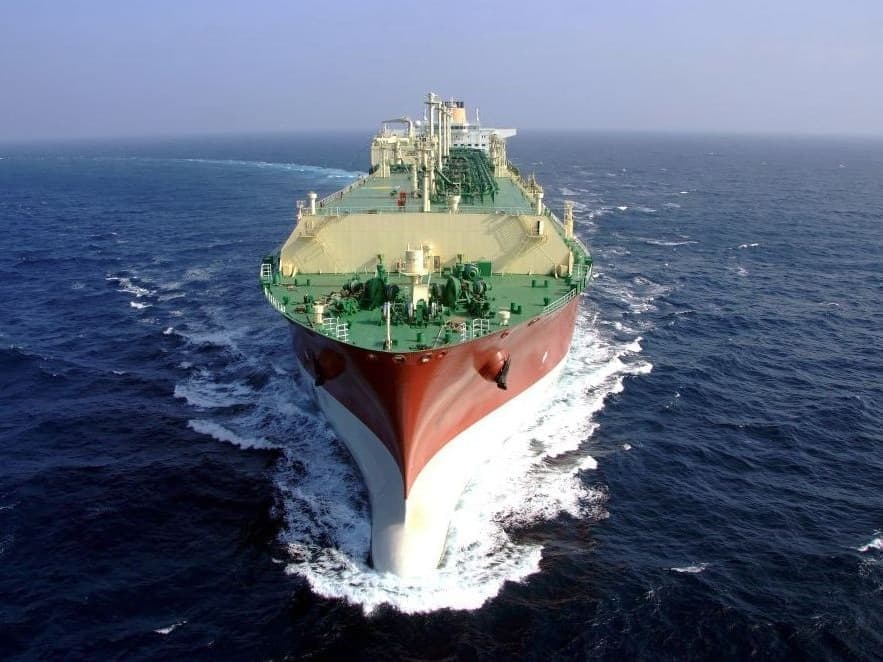
Strategic sourcing implications are equally significant. The disruption creates competitive advantages for sellers with diversified logistics networks and alternative energy-efficient suppliers. Sellers currently concentrated in energy-intensive manufacturing regions (Southeast Asia, Middle East) face higher relative cost increases compared to those with North American or European sourcing. The Al Thumama and Mesaieed vessel repositioning (positioned off West Africa per Bloomberg, March 6, 2026) signals potential shipping route changes and increased insurance premiums for Strait of Hormuz transit. Sellers should immediately audit their 3PL provider energy exposure and consider shifting 20-30% of volume to providers with renewable energy infrastructure or alternative fuel capabilities.
Compliance and risk management considerations emerge as critical. The force majeure declaration creates legal precedent for supply chain disruptions, potentially affecting seller liability for delayed shipments. Sellers with long-term contracts should review force majeure clauses and communicate proactively with buyers about potential delays. The geopolitical escalation (documented in March 5, 2026 Iran Conflict reports) suggests this disruption may extend beyond energy markets into shipping insurance, customs clearance delays, and regional logistics instability. Sellers operating in energy-sensitive categories should build 4-6 week inventory buffers and establish contingency pricing strategies to absorb cost increases without margin compression.
Questions 8
What should sellers do immediately to mitigate LNG disruption impacts on their supply chains?
Immediate actions (0-30 days): Audit current 3PL contracts for energy escalation clauses and negotiate fixed-rate agreements before surcharges fully implement. Review shipping routes and identify alternative providers with renewable energy infrastructure or lower energy exposure. For cold chain sellers, build 4-6 week inventory buffers to absorb potential shipping delays. Contact major suppliers to understand their energy cost exposure and potential production delays. Strategic actions (1-3 months): Diversify logistics partners to reduce concentration risk in energy-intensive regions. Shift 20-30% of volume to providers with alternative fuel capabilities (LNG alternatives, electric vehicles, renewable energy). Evaluate nearshoring opportunities to reduce shipping distances and energy consumption. Implement dynamic pricing strategies to pass through cost increases without losing competitiveness. Monitor energy market developments weekly and adjust operational budgets to account for potential logistics cost increases during this 3-6 month disruption period.
Which product categories face the most severe logistics cost increases from this LNG disruption?
Cold chain categories experience the most acute pressure: frozen foods, fresh produce, pharmaceuticals, biologics, and temperature-sensitive cosmetics face 12-15% shipping cost increases. Electronics and semiconductor sellers sourcing from energy-intensive Asian manufacturers face 5-8% input cost increases. Heavy industrial goods (machinery, chemicals, textiles) see 6-10% cost increases due to manufacturing energy costs. Conversely, sellers in lightweight, non-perishable categories (apparel, accessories, books) face minimal direct impact but may experience 2-3% cost increases through general logistics inflation. Sellers should prioritize margin protection in cold chain categories and consider temporary price increases of 5-8% to maintain profitability during the 3-6 month disruption window.