
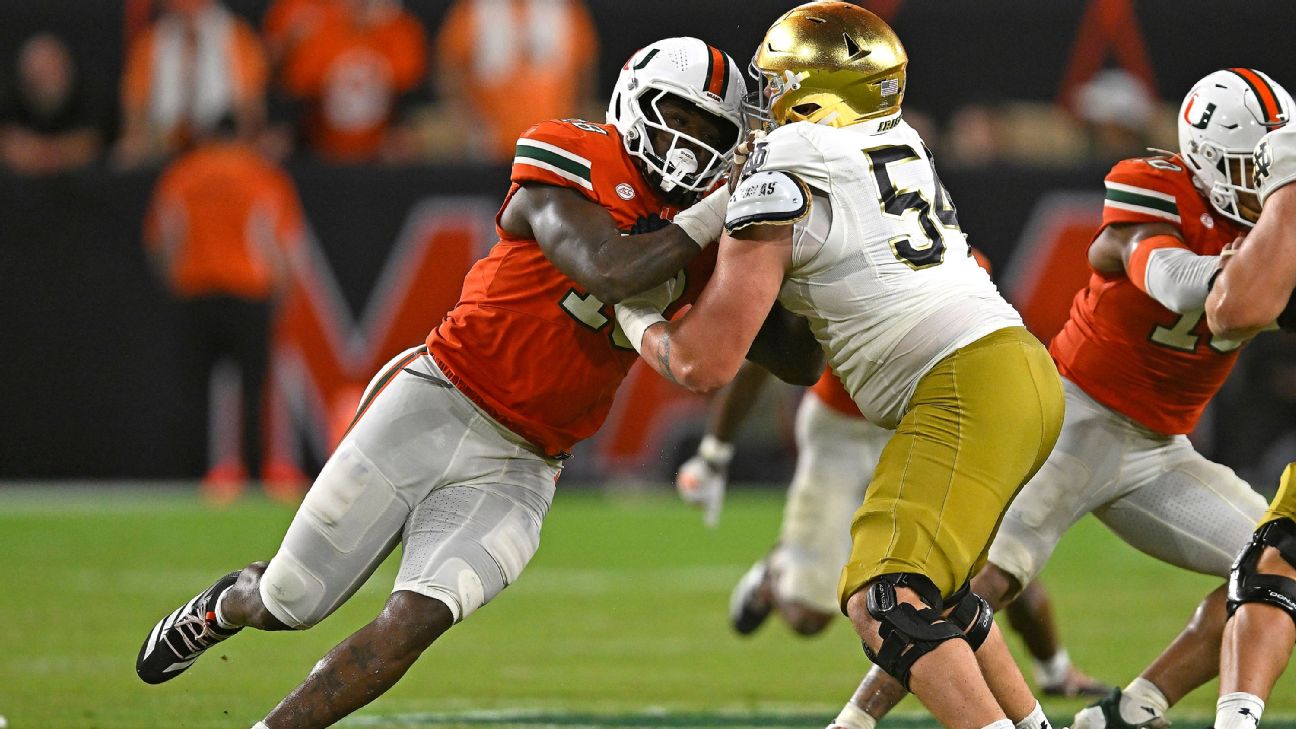


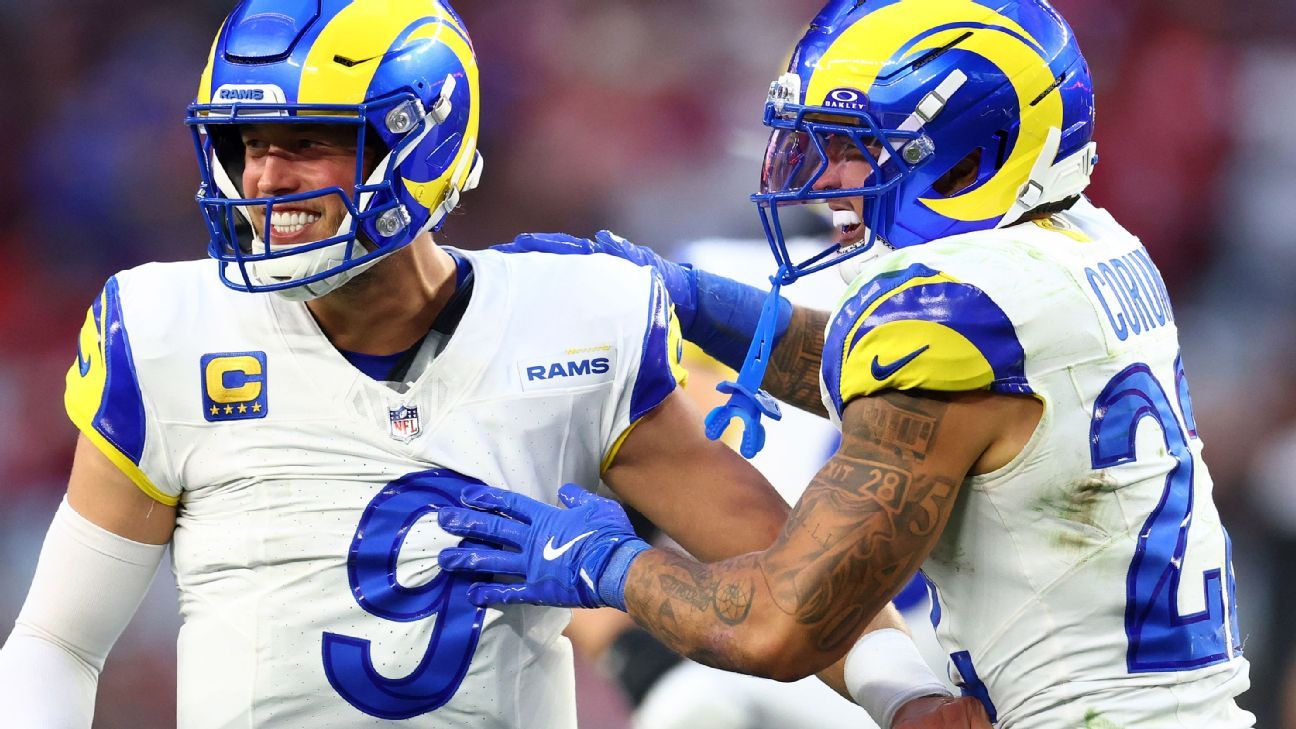

College Football's Strategic Landscape Shifts with Playoff Dynamics and Emerging Talent
- Revealing the Complex Interplay of Team Performance, Playoff Selections, and Rookie Potential







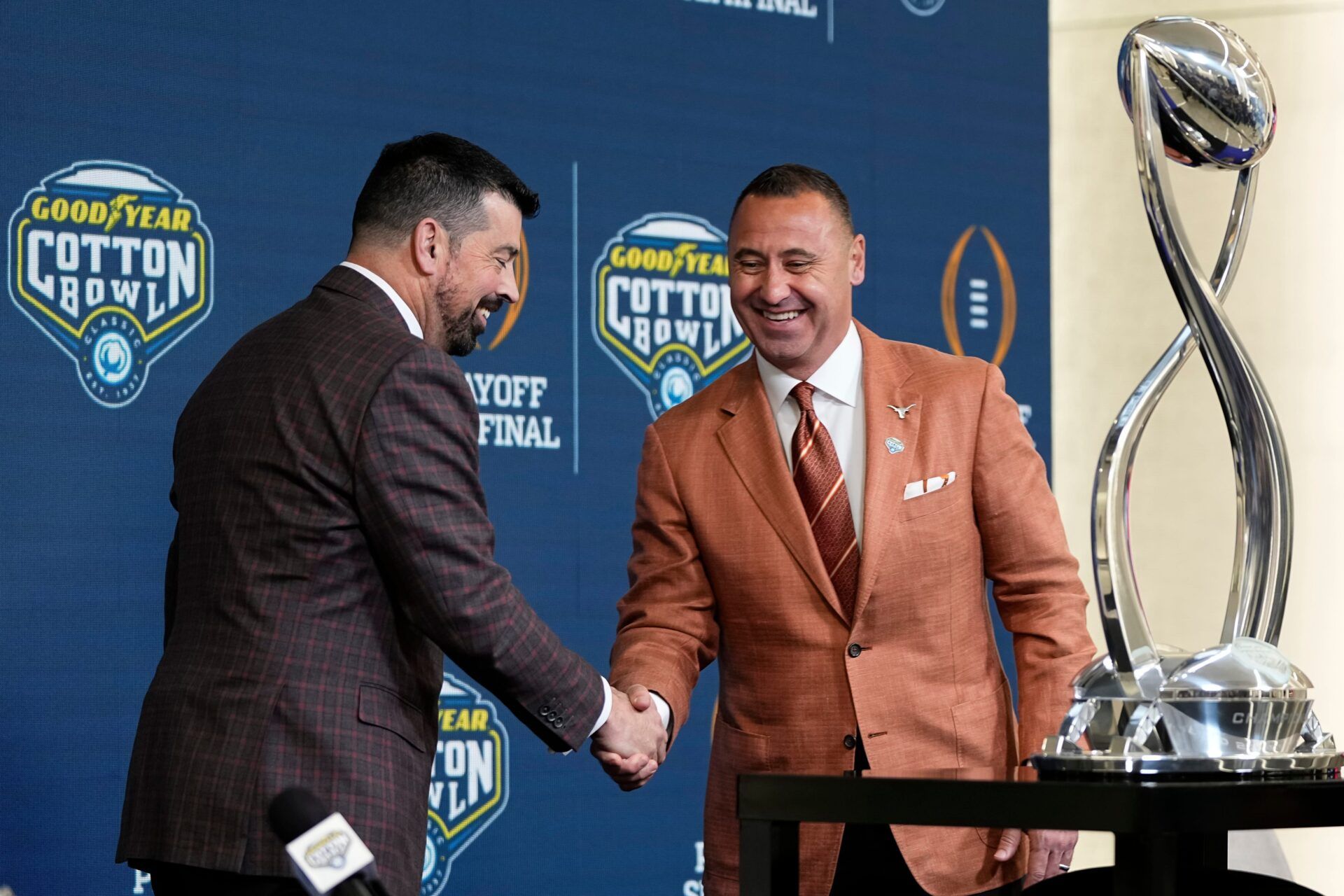









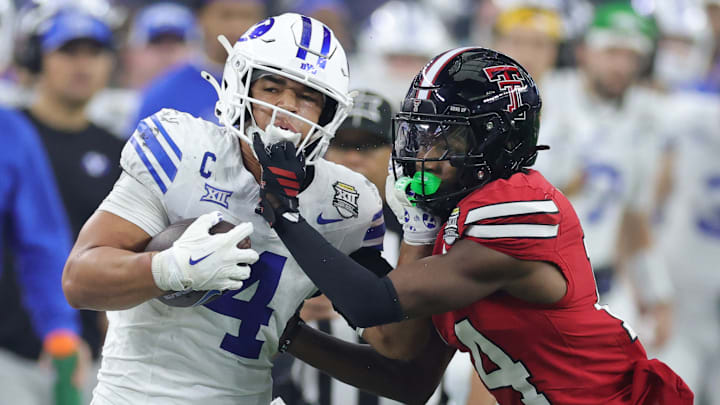





































Overview
The current college football ecosystem is experiencing a nuanced transformation, characterized by strategic complexity and emerging talent dynamics. Urban Meyer's insights into the College Football Playoff (CFP) bracket reveal a deeper narrative beyond simple game statistics, highlighting the intricate selection processes that determine team trajectories.
Indiana's historic Big Ten title - their first since 1967 - symbolizes more than just a sporting achievement. It represents a strategic breakthrough for a program traditionally overshadowed by more prominent conference competitors. This milestone underscores the potential for programmatic reinvention and the cyclical nature of collegiate athletic success.
Notre Dame's bowl eligibility status adds another layer of complexity to the playoff narrative. The ongoing debates surrounding team selection demonstrate that modern college football is as much about strategic positioning and institutional reputation as pure athletic performance. Meyer's expert commentary suggests that the CFP selection process involves nuanced considerations beyond win-loss records.
Complementing this strategic overview, the Chiefs-Texans game highlights featuring defensive rookies shine a light on talent development pipelines. The emergence of young players in high-stakes environments indicates the continuous renewal of talent in professional and collegiate sports ecosystems. These rookie performances suggest that strategic team-building increasingly depends on identifying and nurturing emerging talent.
The interconnected nature of these developments reveals a broader trend: college football is evolving from a purely athletic competition to a complex strategic landscape where institutional reputation, talent development, and strategic positioning are equally critical. Teams and programs that can navigate these multifaceted dynamics will likely experience sustained success.
Questions 3
What factors influence College Football Playoff team selections?
CFP selections involve complex considerations beyond win-loss records, including program reputation, conference performance, strength of schedule, and institutional positioning. Urban Meyer's insights suggest that the selection process is a nuanced strategic evaluation rather than a purely statistical determination.
Why are rookie performances significant in college and professional football?
Rookie performances indicate the health of talent development pipelines and a team's long-term strategic potential. The Chiefs-Texans game showcasing defensive rookies demonstrates how emerging talent can reshape team dynamics and provide critical competitive advantages.