



Fertilizer Supply Crisis Reshapes Agricultural E-Commerce | Seller Sourcing Strategies
- Urea prices surge 17% ($470→$550/MT) in days; U.S. import hub costs jump 32% ($516→$683/MT); India loses 40% fertilizer sourcing; agricultural input sellers face margin compression and supply chain restructuring through Q2 2026













-202603051817510986691.png)








)
Overview
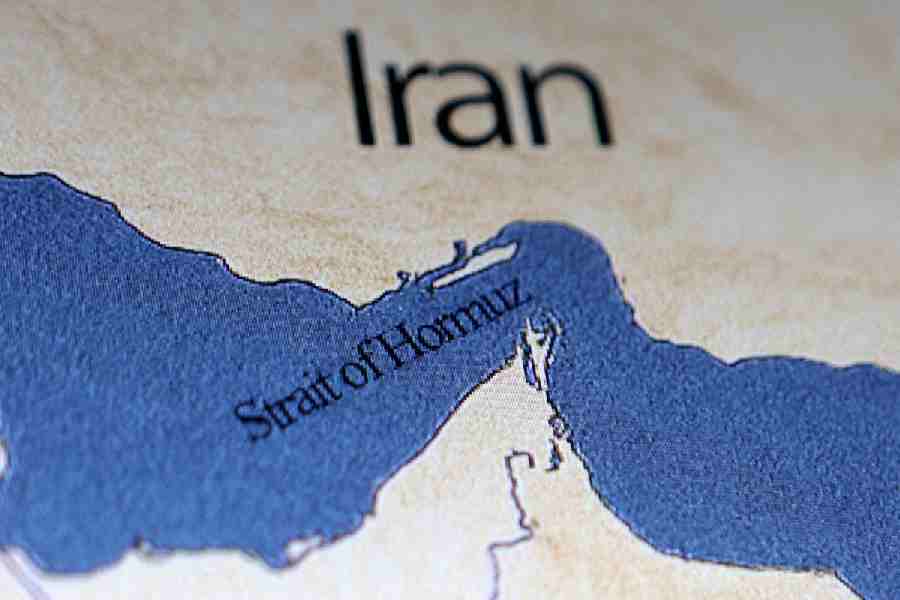
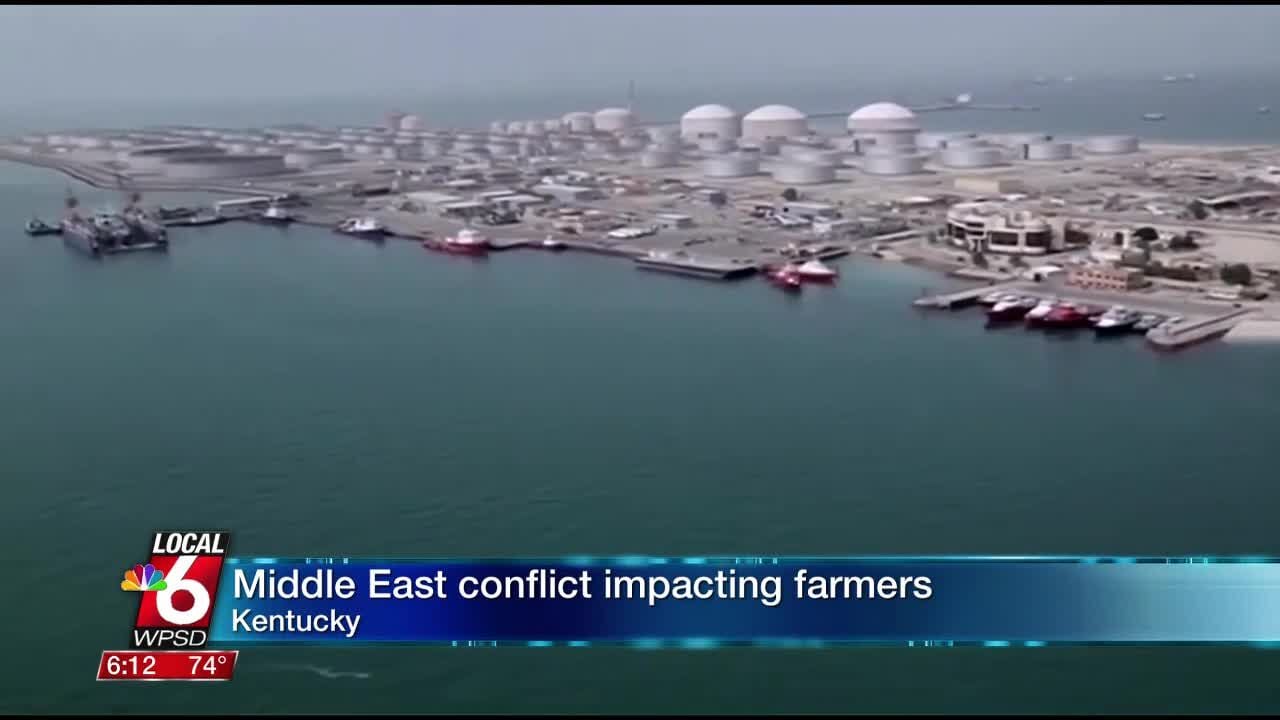
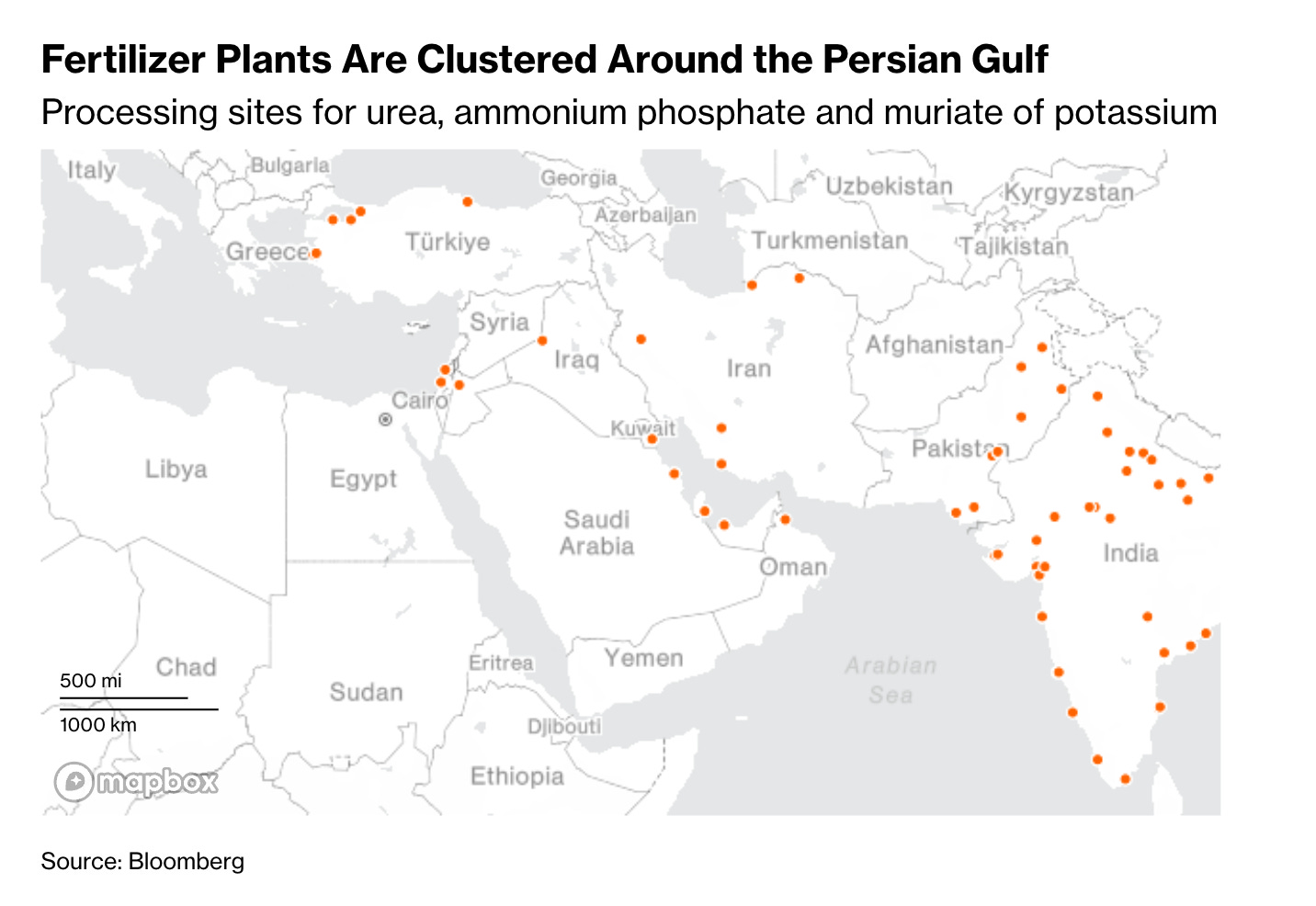
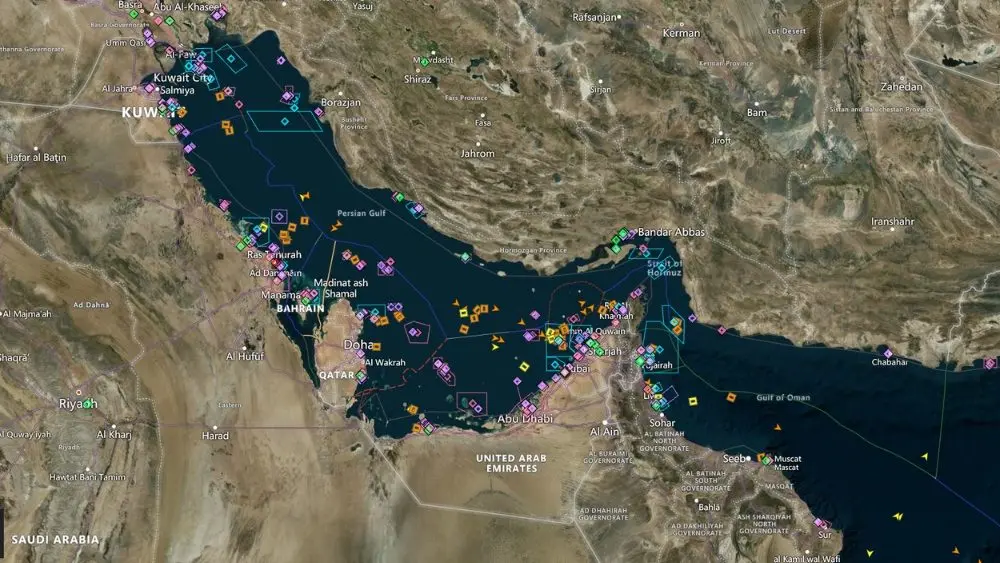
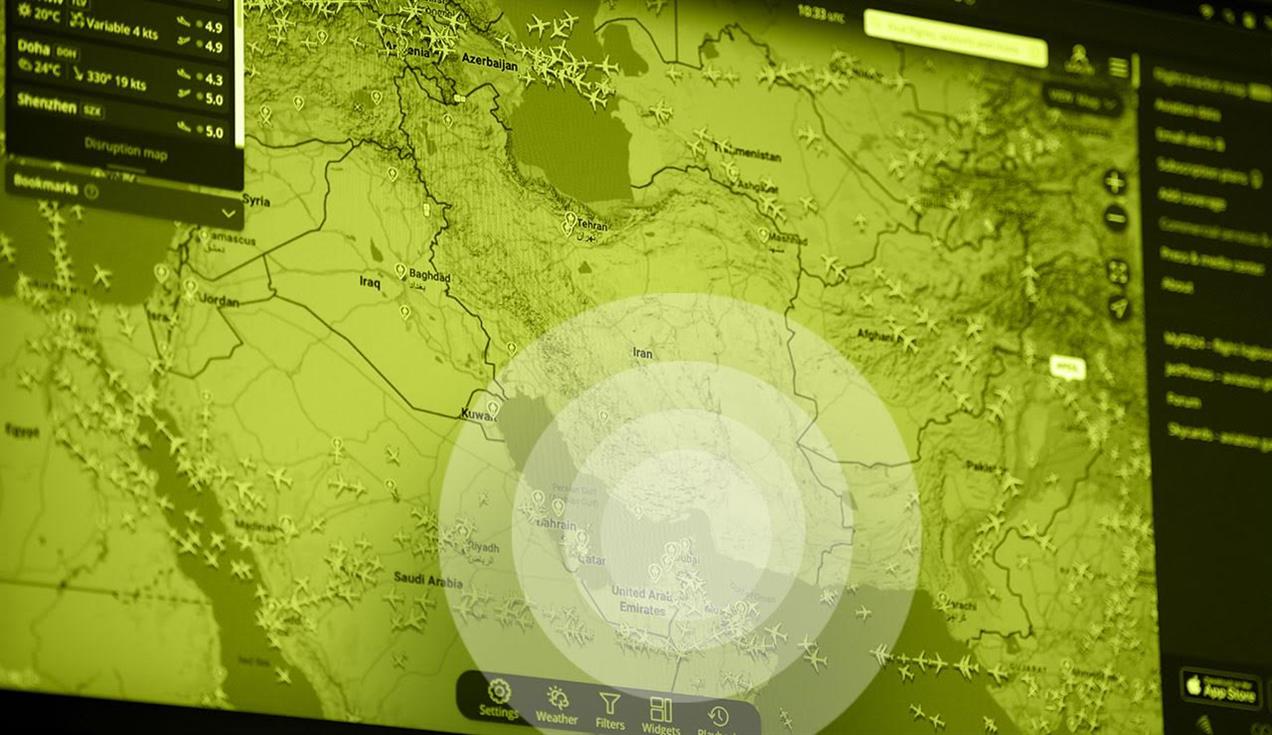
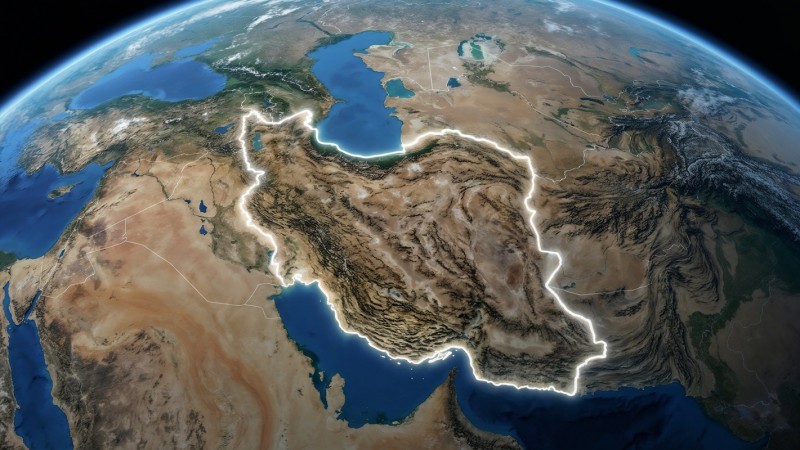
The Strait of Hormuz closure triggered by Iran conflict creates a critical fertilizer supply shock with cascading implications for agricultural e-commerce sellers, input suppliers, and food-related product categories. Approximately one-third of globally traded urea nitrogen fertilizer transits this strategic waterway, and the disruption has already driven urea prices from $470 to $550 per metric ton within days—a 17% spike. At U.S. import hubs, fertilizer costs jumped from $516 to $683 per metric ton (32% increase), directly compressing margins for sellers in agricultural inputs, gardening supplies, and farm equipment categories. Qatar Energy's shutdown of the world's largest single-site urea plant, combined with Middle East sulphur production cuts, has created spot cargo scarcity that Chinese traders report as critically unavailable. This timing coincides with Northern Hemisphere spring planting season, creating urgent demand when supply is most constrained.
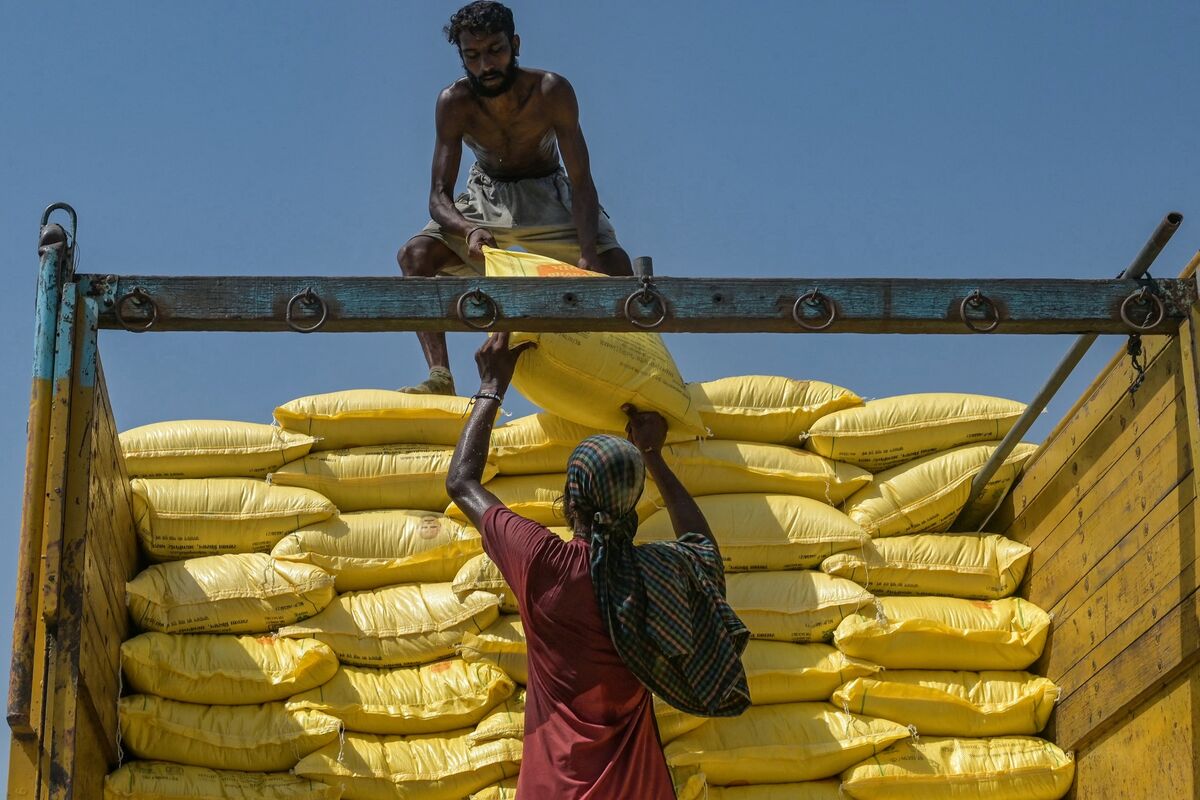
For cross-border agricultural e-commerce sellers, this crisis creates immediate sourcing challenges and strategic opportunities. India, which sources over 40% of urea and phosphatic fertilizers from the Middle East, faces immediate supply constraints as three Indian fertilizer plants reduced output due to dropped LNG supplies from Qatar. China, already restricting fertilizer exports to ensure domestic availability, is expected to expand controls further—signaling that sellers relying on Chinese fertilizer sourcing will face export restrictions and price escalation. Industry analysts warn that if supply disruptions persist beyond weeks, nitrogen prices could double and phosphate prices rise 50%, potentially matching 2022 Russia-Ukraine conflict peaks. Agricultural economists note fertilizer can represent up to 50% of production costs for farmers, particularly in South Africa where grain prices are already at record lows, indicating that sellers in emerging markets face severe margin compression. The crisis extends beyond nitrogen to sulphur, essential for plant growth and largely a byproduct of oil and gas processing—Indonesia relies on the Middle East for 70% of sulphur supplies, creating additional sourcing vulnerabilities.
Strategic seller implications include sourcing diversification, pricing adjustments, and category expansion opportunities. Sellers currently sourcing fertilizers from Middle East suppliers (Qatar, Saudi Arabia, UAE) face 2-4 week shipping delays and 15-32% cost increases, requiring immediate supplier diversification to India, Brazil, or North American producers. Sellers in gardening, landscaping, and agricultural equipment categories should anticipate 8-15% margin compression as input costs rise, necessitating price increases of 10-20% to maintain profitability. However, this creates counter-intuitive opportunities: sellers offering alternative fertilizer products (organic, slow-release, bio-based formulations) may capture market share from price-sensitive farmers switching to lower-application-rate products. The crisis also drives demand for crop yield optimization tools, soil testing kits, and precision agriculture technology—categories that help farmers maximize output despite reduced fertilizer application. Sellers should monitor China's export restrictions closely, as expanded controls could create arbitrage opportunities in Southeast Asian markets where fertilizer demand remains high but supply is constrained. The window for repositioning inventory and securing alternative suppliers closes within 2-4 weeks as competitors recognize these dynamics.
Questions 8
How does fertilizer cost represent a percentage of farmer production costs?
Agricultural economists note that fertilizer can represent up to 50% of production costs for farmers, particularly in South Africa where grain prices are already at record lows. This high cost proportion means that even modest price increases of 15-32% create severe margin compression for farming operations, forcing farmers to choose between sharply higher prices, reduced application rates, or altered crop mixes. Research shows that even small reductions in nitrogen use produce disproportionately large yield declines, potentially translating to millions of tonnes of lost crops. For sellers in agricultural input categories, this dynamic creates both challenges (margin compression) and opportunities (demand for alternative products like organic fertilizers, soil testing kits, and precision agriculture technology that help farmers optimize yields despite reduced input costs).
What percentage of global fertilizer trade passes through the Strait of Hormuz?
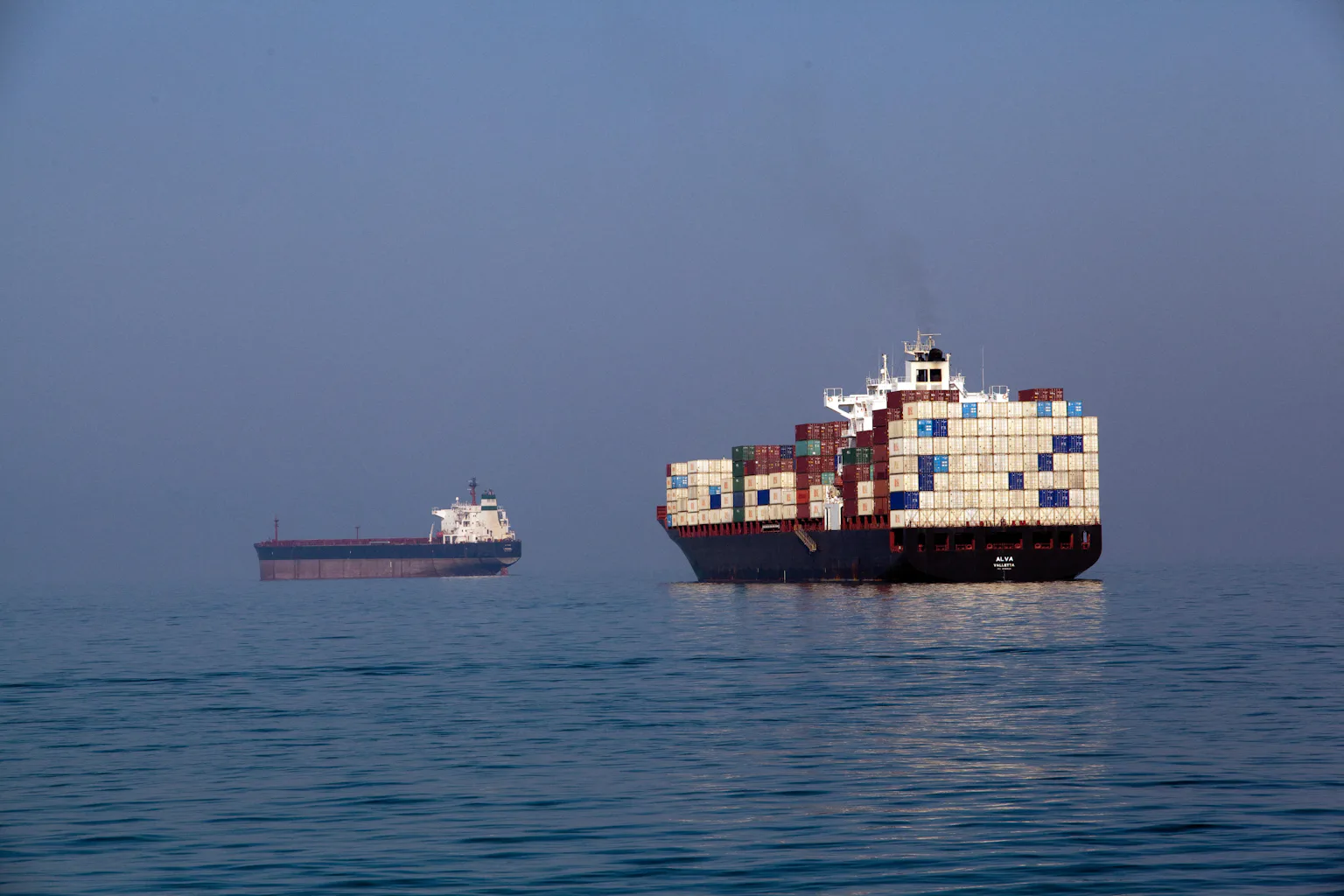
Approximately one-third of globally traded urea nitrogen fertilizer passes through the Strait of Hormuz, making this strategic waterway critical to global agricultural supply chains. The Persian Gulf region dominates ammonia and urea production due to access to the world's cheapest natural gas—essential for the Haber-Bosch nitrogen fixation process that underpins modern agriculture. Qatar, Saudi Arabia, and the UAE have invested heavily in fertilizer production capacity specifically for export markets. A sustained Hormuz closure immediately delays or halts shipments of ammonia, urea, and liquefied natural gas (LNG), increasing freight and insurance costs prohibitively. For sellers relying on Middle East fertilizer suppliers, this represents a critical sourcing vulnerability requiring immediate diversification to alternative suppliers in India, Brazil, or North America.