


Indian Ocean Shipping Crisis | Sellers Face Rising Logistics Costs & Route Delays
- Geopolitical tensions threaten 12% of global maritime trade; shipping insurance premiums spike 15-25% for India-US-Australia corridors










Overview
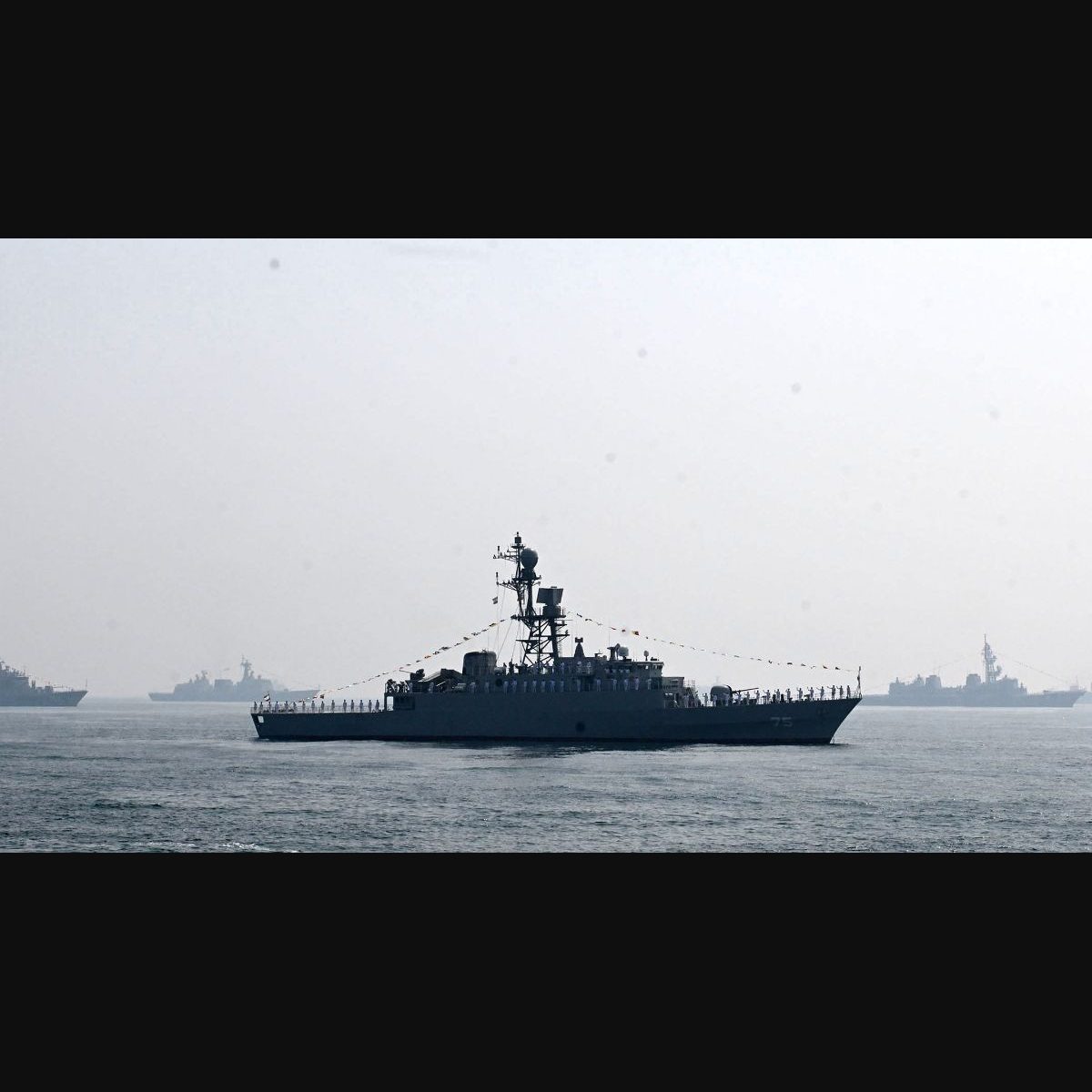
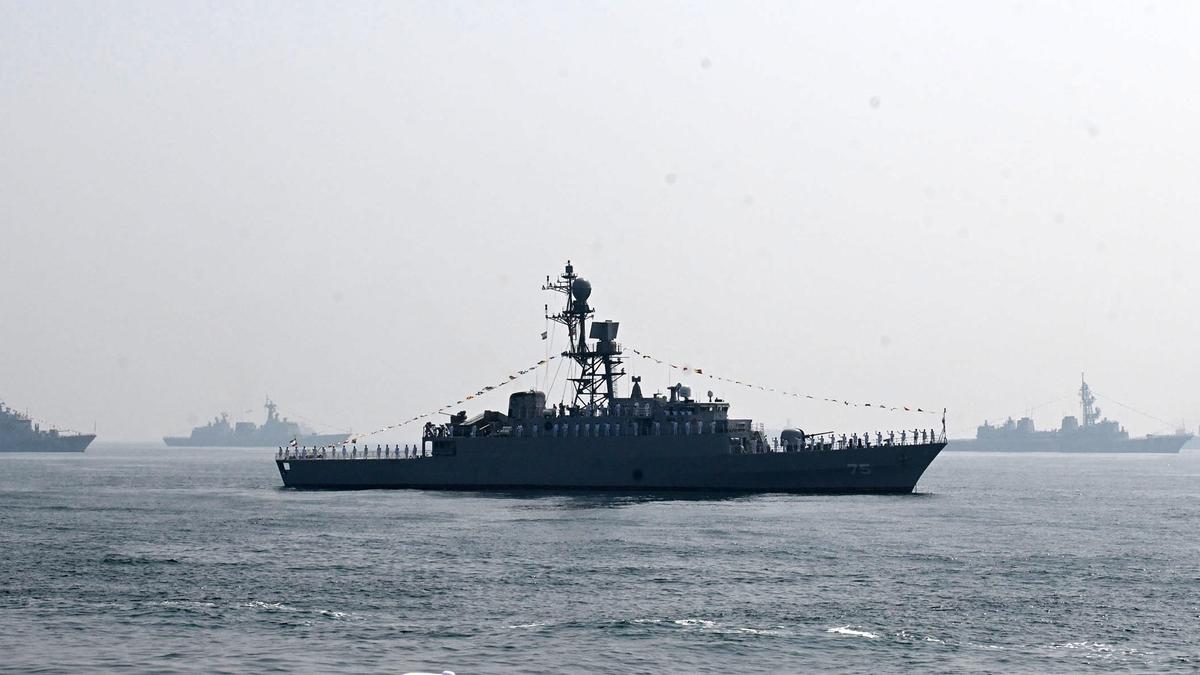
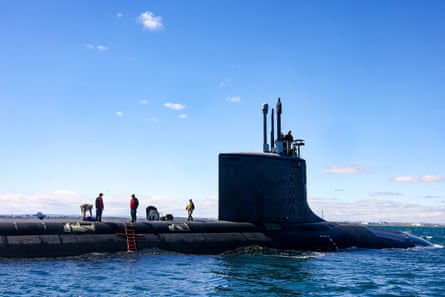
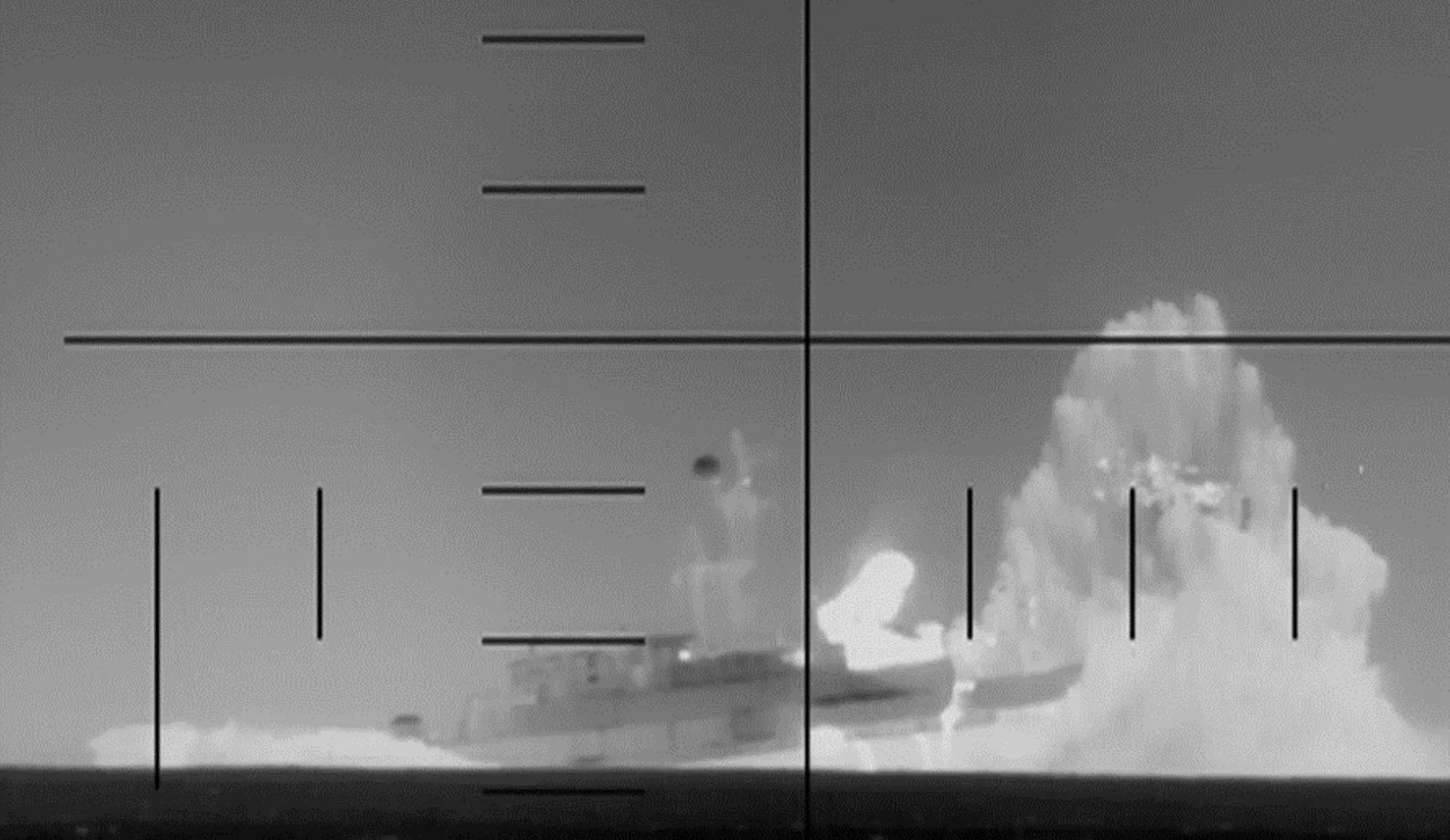
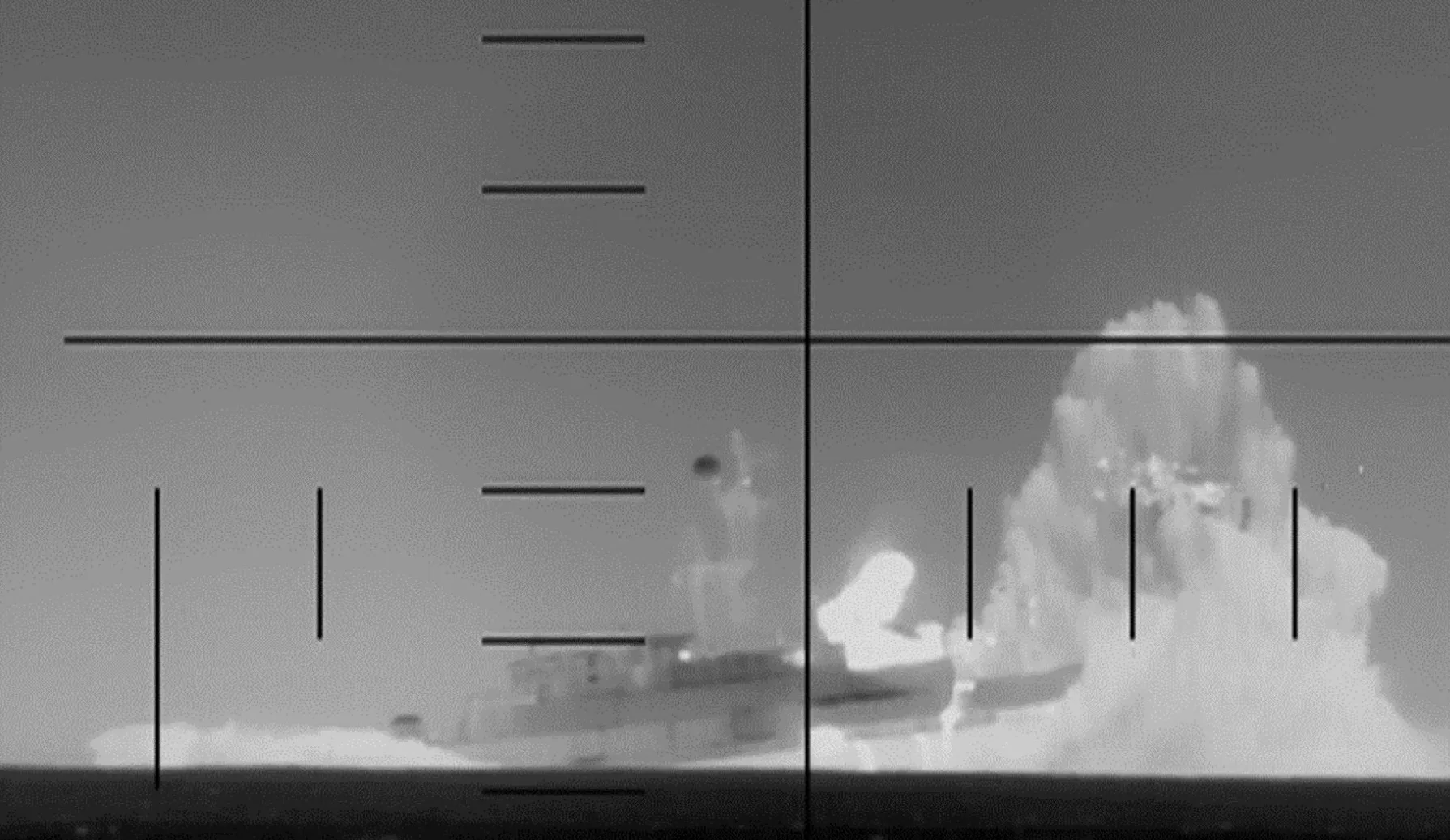
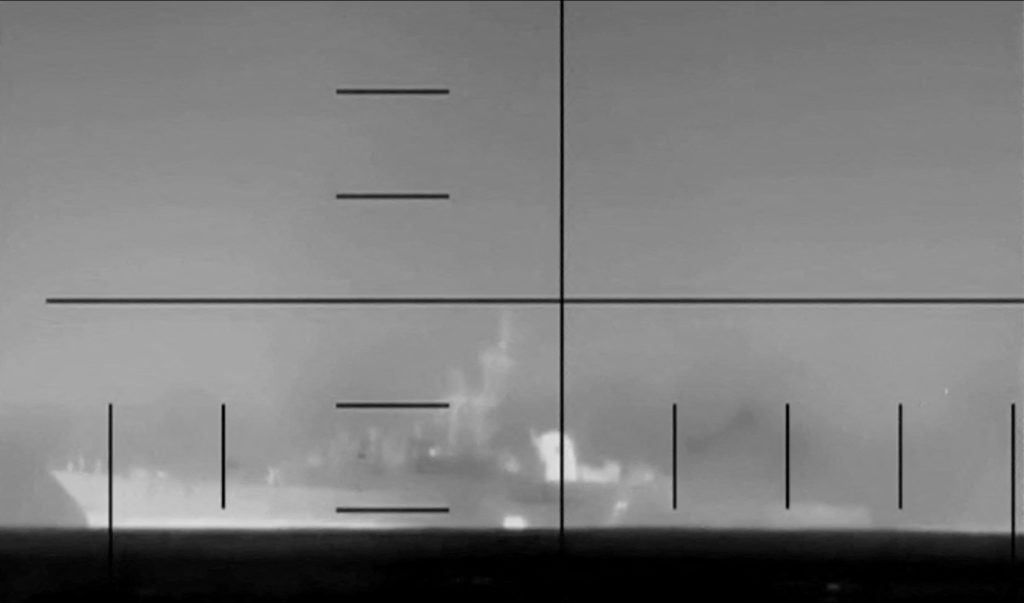
The March 4, 2026 US Navy sinking of the Iranian warship IRIS Dena in the Indian Ocean represents a critical inflection point for cross-border e-commerce sellers relying on maritime logistics through this region. The incident—occurring 2,000 miles from Iranian shores with over 80 casualties—signals escalating US-Iran military tensions that directly threaten the Indian Ocean's traditional role as a "relatively secure zone for international commerce and energy transit," according to strategic analysts cited in coverage.
Immediate Logistics Impact: The Indian Ocean corridor handles approximately 12% of global maritime trade, including critical shipping lanes connecting India, Sri Lanka, Australia, and Southeast Asia to US and European markets. Sellers shipping electronics, apparel, and consumer goods from India and Southeast Asia to North American and European marketplaces face measurable cost increases. Marine insurance premiums for vessels transiting the region have spiked 15-25% in response to heightened military activity, directly increasing fulfillment costs for FBA sellers and 3PL providers operating in this corridor.
Regional Market Disruption: Sri Lanka's dual economic dependence—importing crude oil from Iran while exporting garments to the US—exemplifies the geopolitical squeeze affecting regional suppliers. Indian Navy's delayed 24-hour response and India's diplomatic silence suggest uncertainty about US-India strategic alignment, creating operational ambiguity for sellers sourcing from Indian manufacturers. The incident exposes India's vulnerability in its own maritime region, undermining its credibility as a regional security provider and potentially destabilizing supply chains dependent on Indian Ocean stability.
Competitive Sourcing Shifts: Sellers currently sourcing from India, Sri Lanka, and Bangladesh face 8-12 week shipping delays and 15-25% insurance cost increases. This creates arbitrage opportunities for sellers who can shift sourcing to alternative corridors: Vietnam and Thailand (via South China Sea, lower geopolitical risk), Indonesia (direct Pacific routes), or Mexico/Central America (avoiding Indian Ocean entirely). Sellers with diversified sourcing strategies gain competitive advantage as single-corridor suppliers face margin compression.
Strategic Implications for Seller Segments: Large sellers (10,000+ monthly units) with established 3PL networks can absorb cost increases through volume negotiations; mid-market sellers (1,000-5,000 units) face 8-12% margin compression; small sellers (<500 units) may exit India-sourced categories entirely. The incident accelerates a structural shift toward nearshoring and alternative Asian suppliers, fundamentally reshaping sourcing economics for the next 12-24 months.
Questions 7
How does India's diplomatic uncertainty affect my supplier relationships?
India's delayed 24-hour response and government silence on the incident create operational ambiguity for suppliers dependent on Indian Ocean stability. Indian manufacturers may face financing challenges if banks perceive increased geopolitical risk, potentially affecting supplier reliability. Sellers should conduct supplier financial health assessments immediately and establish backup suppliers for critical SKUs. Request 30-day payment terms instead of 60-90 days to reduce exposure if suppliers face cash flow stress. Large suppliers with diversified export markets (US, EU, Australia) are more resilient; small suppliers dependent on single-market exports face higher risk. Diversify supplier base across 3-4 manufacturers per category to mitigate concentration risk.
What shipping delays should I expect for India-sourced inventory?
Standard India-to-US maritime transit times have extended from 28-32 days to 35-42 days due to route diversions and port congestion as vessels avoid direct Indian Ocean passages. This 7-10 day delay impacts inventory turnover and increases working capital requirements. For sellers relying on just-in-time inventory, this creates 15-20% higher carrying costs. Sri Lanka-sourced garments face additional delays due to port congestion from vessel rerouting. Recommend increasing safety stock by 2-3 weeks for India-sourced categories and communicating extended lead times to customers. Consider air freight for high-velocity SKUs, though costs increase 4-6x versus ocean freight.