





Strategic Tech Diplomacy Emerges as U.S. Monetizes AI Chip Exports to China
- A Novel Revenue-Sharing Model Redefines U.S.-China Technology Trade Dynamics





















.jpg)
































Overview
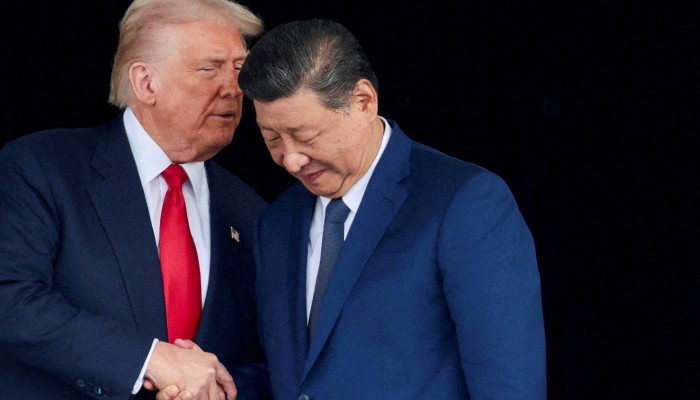
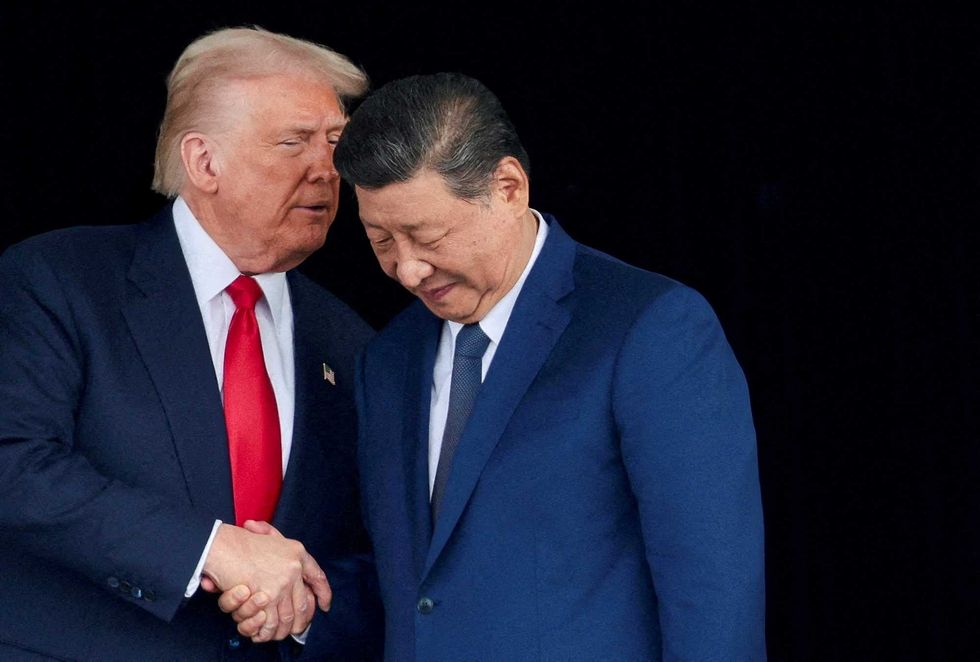
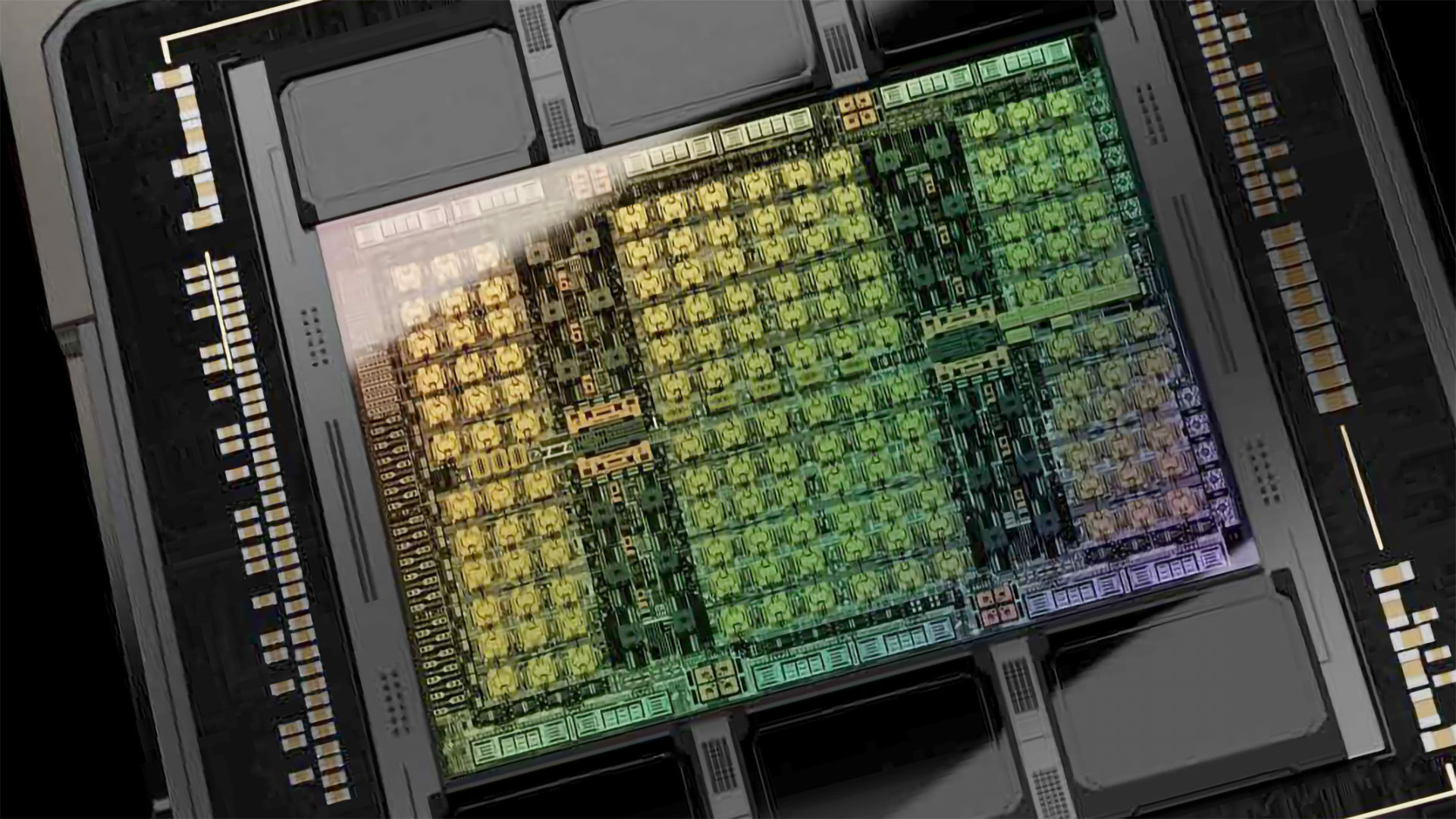
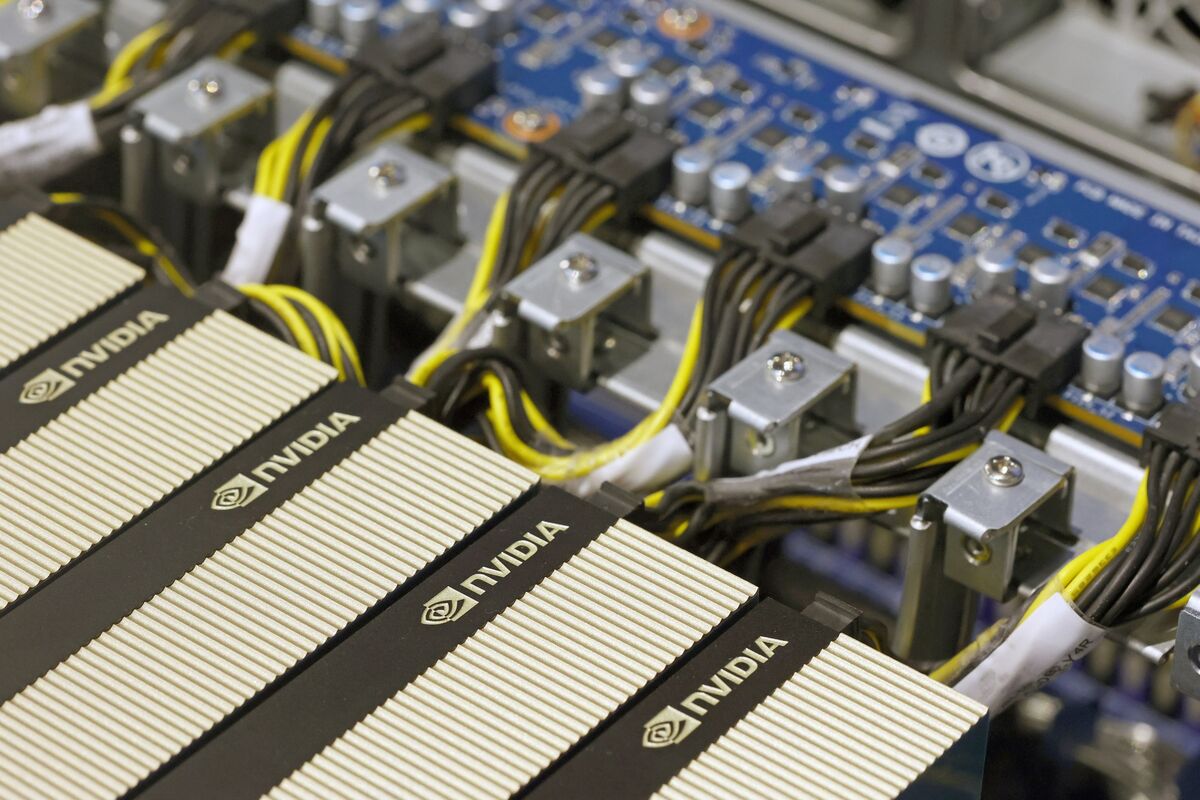
In a groundbreaking geopolitical maneuver, the United States has transformed technology export restrictions into a strategic revenue generation mechanism, fundamentally reshaping U.S.-China tech trade relations. President Trump's approval of Nvidia's H200 AI chip sales to China represents more than a simple trade adjustment—it's a sophisticated policy instrument that monetizes technological sovereignty while maintaining critical national security guardrails.
The core innovation lies in the unprecedented 25% government revenue cut from chip sales, creating a novel mechanism of technological gate-keeping. By implementing a surcharge instead of an outright ban, the U.S. achieves multiple strategic objectives: generating national revenue, maintaining technological leverage, and creating a controlled pathway for high-tech product transfers. This approach signals a nuanced departure from previous binary export control strategies.
For cross-border technology businesses, this development represents a significant paradigm shift. The policy creates a carefully managed market access model where geopolitical considerations are directly translated into economic opportunities. Semiconductor companies now face a complex landscape where export permissions are not just regulatory checkboxes, but sophisticated negotiation instruments. The Nvidia case establishes a potential template for future technology transfer negotiations, where national security and economic interests are dynamically balanced.
The broader implications extend far beyond a single chip sale. This approach transforms technological sovereignty from a defensive concept into an active economic strategy. By treating advanced technologies like AI chips as strategic assets with monetizable export rights, the U.S. is pioneering a new form of technological diplomacy that could reshape global tech trade dynamics for years to come.
Questions 3
How does the 25% revenue-sharing model change U.S.-China tech trade dynamics?
The model transforms export restrictions from a purely prohibitive mechanism into an economic opportunity. By monetizing high-tech exports, the U.S. creates a controlled pathway for technology transfer that generates national revenue while maintaining strategic technological advantages.
What are the implications for semiconductor companies like Nvidia?
Companies must now navigate a more complex export landscape where geopolitical negotiations directly impact market access. The Nvidia case suggests that future tech exports will require sophisticated diplomatic and economic strategies beyond traditional compliance approaches.