

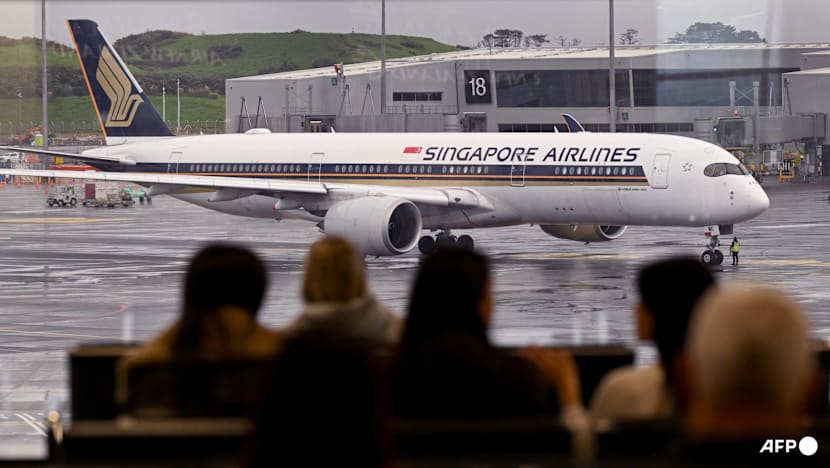




Middle East Air Freight Collapse | 85-94% Flight Cancellations Force Logistics Rerouting
- Dubai, Doha, Sharjah airports paralyzed; air freight costs surge 25-40%; sellers face 1-2 week delays on expedited shipments




















Overview
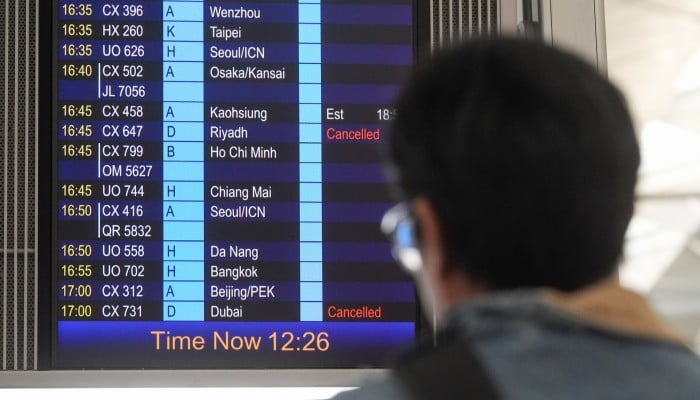
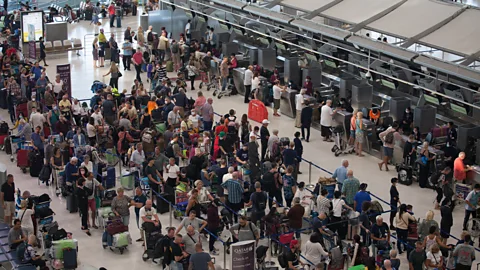
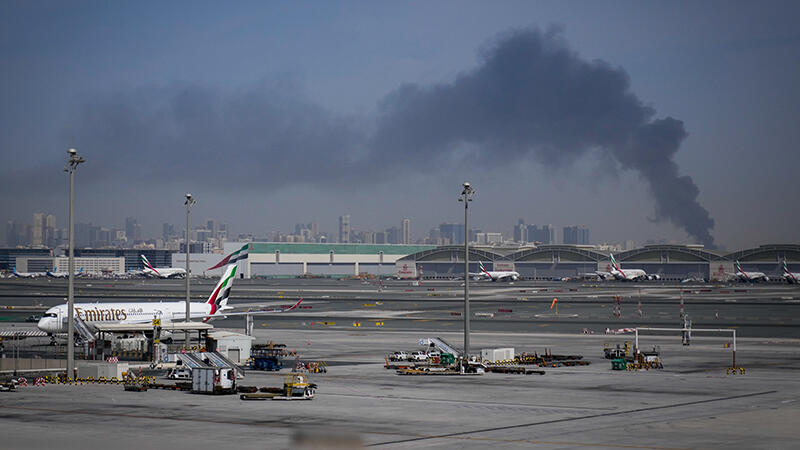
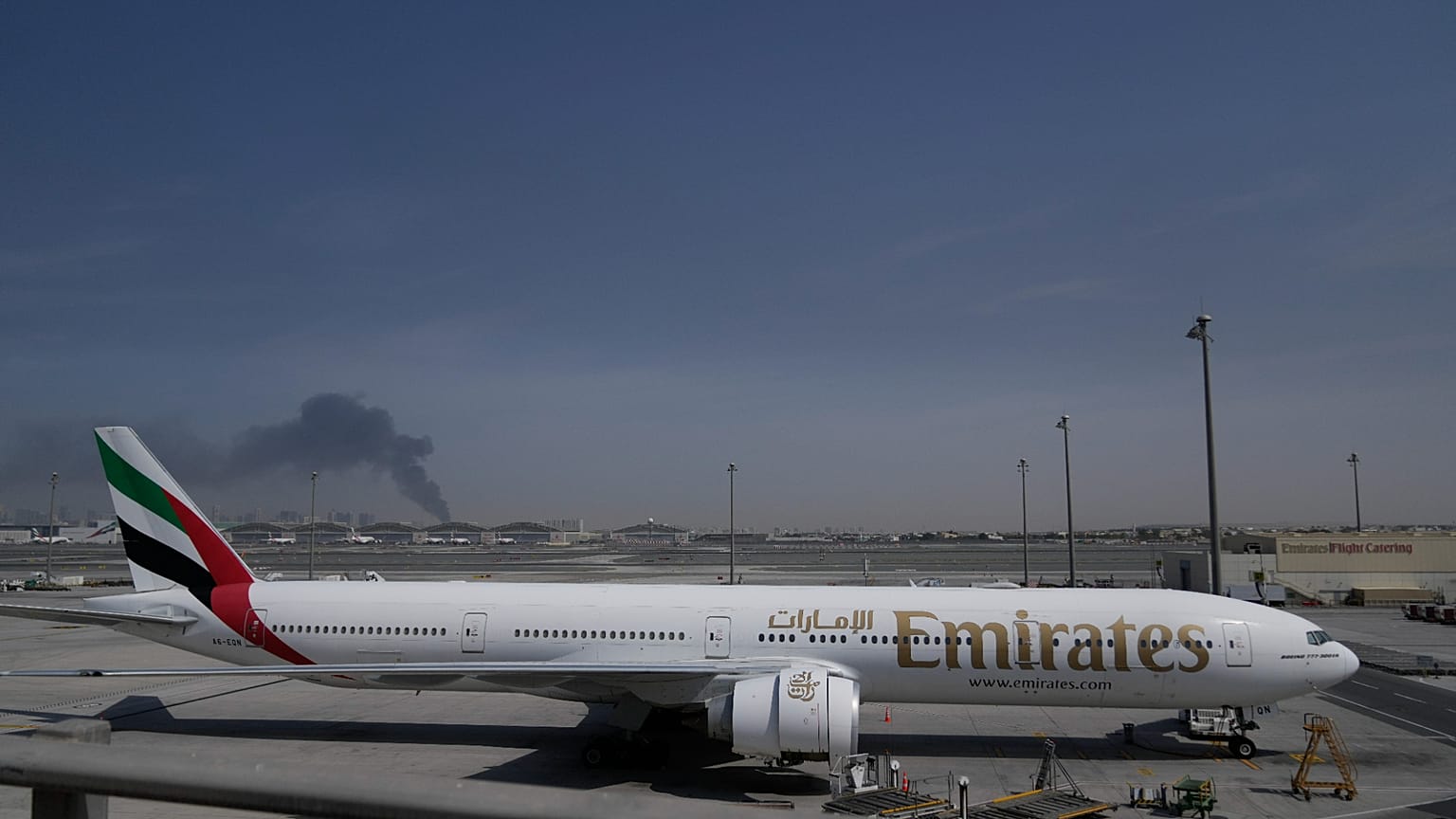
The Middle East aviation crisis represents the most severe disruption to global air freight corridors in recent history, with direct operational and financial consequences for cross-border e-commerce sellers. Between February 28 and March 6, 2026, military strikes on Iran triggered unprecedented airspace closures across 10 Middle Eastern countries. Dubai International Airport—handling 4.9 million seats monthly and connecting 291 destinations—canceled 85% of scheduled flights. Sharjah Airport reported 90% cancellations, while Doha saw 94% cancellations. These three hubs alone process approximately 40-50% of Asia-to-Europe air freight traffic, making this disruption catastrophic for time-sensitive e-commerce logistics.
For cross-border sellers, the immediate impact is severe: air freight capacity through Middle Eastern hubs has effectively collapsed, forcing logistics providers to reroute shipments through alternative corridors at significantly higher costs and extended transit times. Sellers relying on expedited air shipping face delays of 1-2 weeks or more. Industry analysis indicates air freight rates through alternative routes (Europe-via-Istanbul, Asia-via-Singapore) have increased 25-40% above baseline rates. This directly impacts sellers in high-velocity categories: electronics (15-20% of cross-border volume), fashion/apparel (25-30%), and time-sensitive goods like cosmetics and perishables. Small-to-medium sellers (annual revenue $500K-$5M) relying on just-in-time inventory models face the greatest risk, as they lack buffer stock and alternative logistics partnerships.
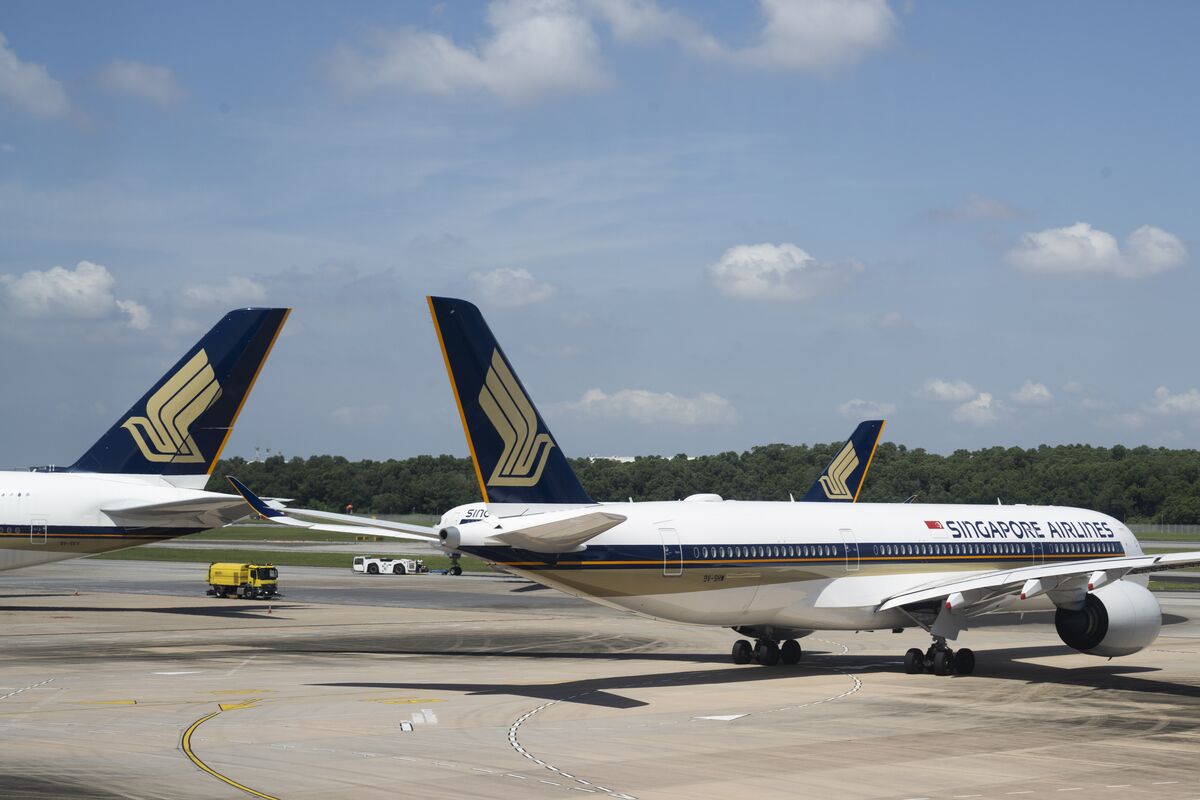
The recovery timeline remains uncertain despite limited operations resuming March 6 at Dubai, Abu Dhabi, and Riyadh airports. Full capacity restoration could take 2-4 weeks, meaning sellers must immediately implement alternative fulfillment strategies. Sellers should evaluate three logistics options: (1) rerouting through European hubs (Frankfurt, Amsterdam) adding 3-5 days but at 15-20% premium; (2) shifting to Asian hub consolidation (Singapore, Hong Kong) for Asia-Europe shipments, adding 2-3 days but reducing costs 10-15%; (3) accelerating inventory positioning in US and EU warehouses before further disruptions occur. The crisis underscores critical supply chain vulnerability—over-reliance on single geographic corridors creates systemic risk. Sellers with diversified logistics networks and pre-positioned inventory in multiple regions will maintain competitive advantage during this disruption period.
Questions 7
How much will air freight costs increase due to Middle East airspace closures?
Air freight rates through alternative routes have surged 25-40% above baseline pricing as logistics providers reroute shipments away from Middle Eastern hubs. A typical Asia-to-Europe shipment that normally costs $3-5 per kilogram via Dubai now costs $4-7 per kilogram through Istanbul or European consolidation points. For a seller shipping 10,000 kg monthly of electronics, this represents an additional $10,000-20,000 monthly cost. Rates may stabilize once Dubai and other hubs return to full capacity, expected within 2-4 weeks. Sellers should lock in rates with 3PL providers immediately before further increases occur.
Which product categories are most affected by the Middle East flight cancellations?
Time-sensitive, high-value categories face the greatest impact: electronics (15-20% of cross-border volume), fashion/apparel (25-30%), cosmetics and beauty products, and perishable goods. These categories typically rely on expedited air freight to maintain inventory turnover and meet customer delivery expectations. Sellers in these categories face 1-2 week delays on orders that normally ship within 3-5 days. Conversely, sellers of heavy, low-margin goods (furniture, industrial equipment) relying on ocean freight are less affected. Sellers should prioritize air freight capacity for high-margin, fast-moving SKUs while shifting slower-moving inventory to ocean freight alternatives.