



Energy Crisis & Semiconductor Volatility | Cross-Border Seller Supply Chain Risk
- Middle East tensions drive 15% oil surge, South Korea KOSPI crashes 20%, threatening e-commerce infrastructure costs and logistics automation investments





















Overview
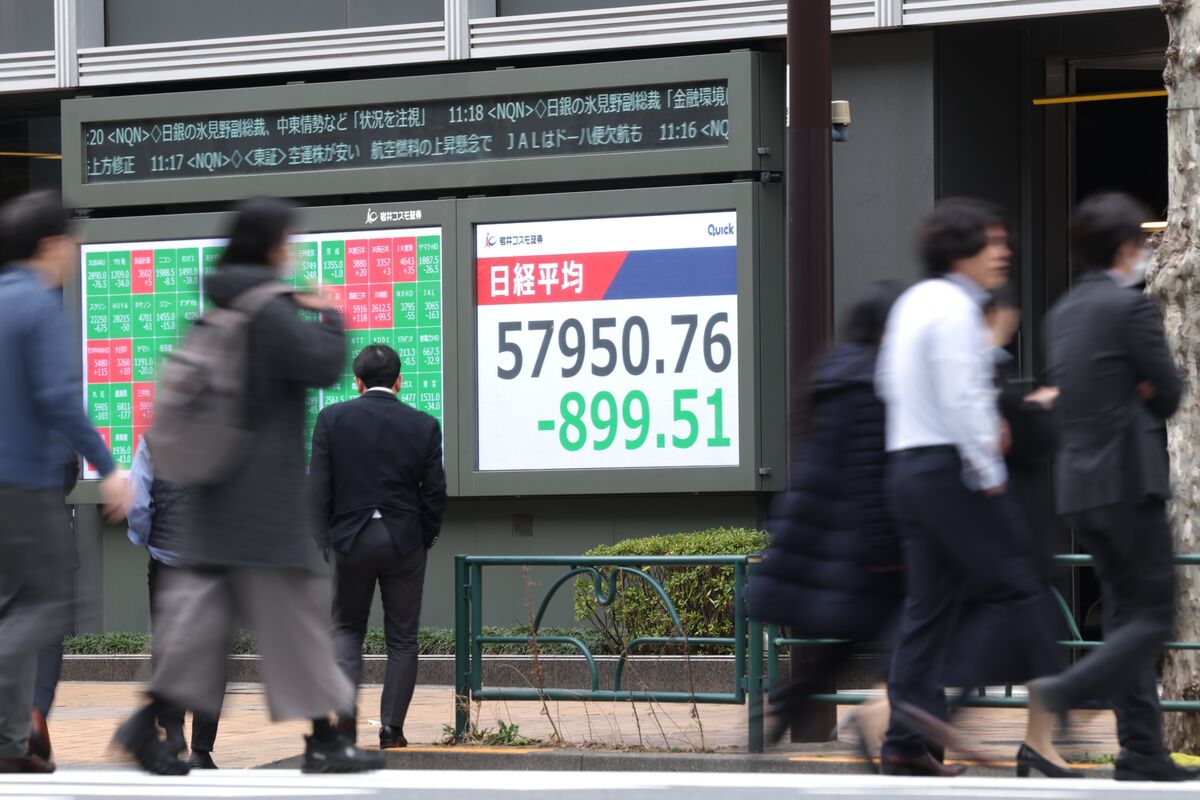
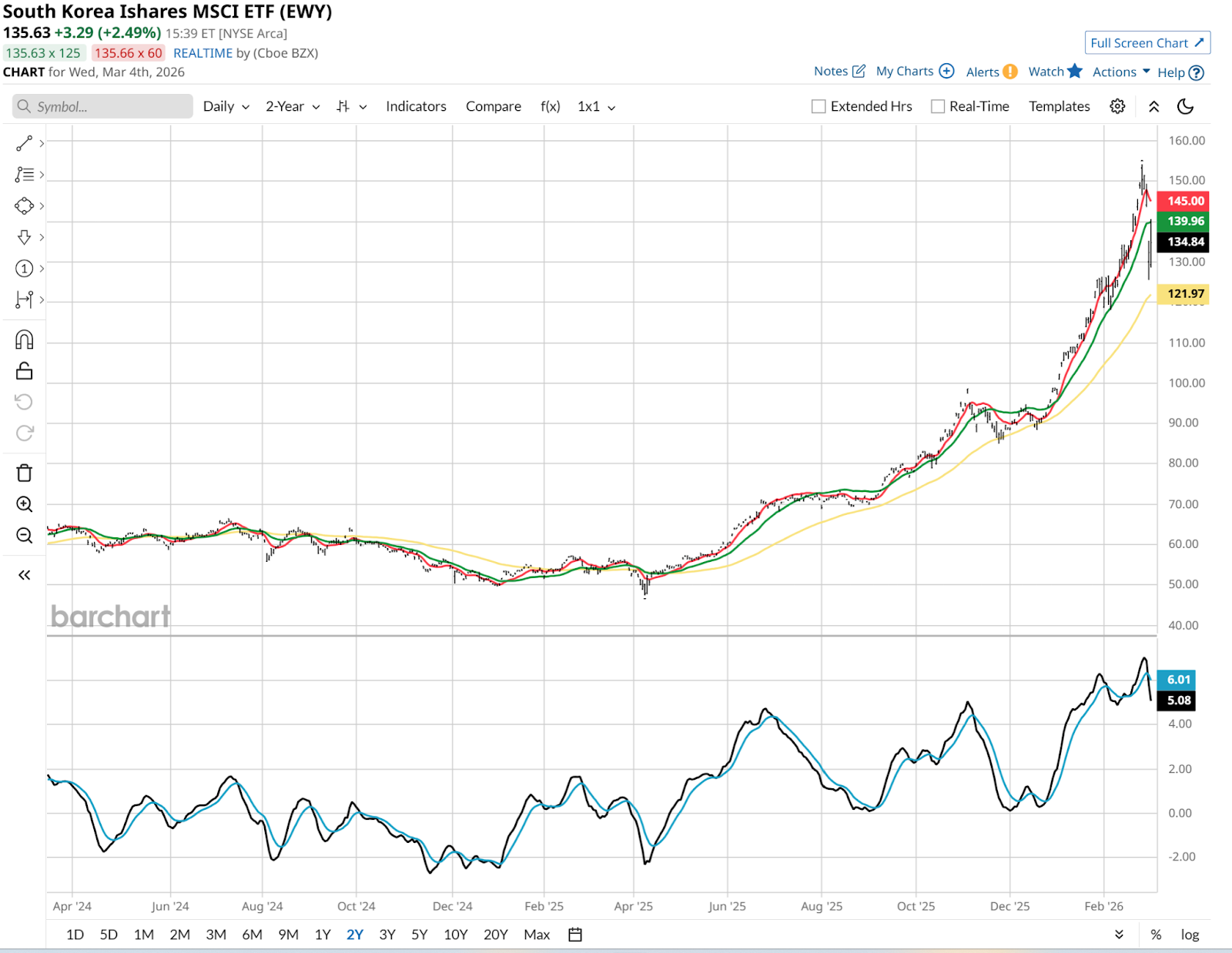
Global energy shocks and South Korean semiconductor market volatility present critical supply chain risks for cross-border e-commerce sellers. Between March 2024 and March 2026, three interconnected crises emerged: Middle East geopolitical tensions drove Brent crude from $69 to $83 per barrel (20% surge), South Korea's KOSPI index crashed 20% over two days in March 2026 (from 5,681 to 4,552), and energy-dependent semiconductor manufacturers Samsung and SK Hynix—controlling one-third of KOSPI's market cap—faced margin compression from surging LNG prices.
For cross-border sellers, this creates immediate operational cost pressures. The news reveals that South Korea's heavy dependence on imported crude oil and LNG makes its semiconductor supply chain vulnerable to energy shocks. SK Hynix surged 274% in 2025 but experienced severe profit-taking volatility, while Samsung Electronics jumped 125% before the March 2026 crash. These companies manufacture DRAM and memory chips critical to e-commerce infrastructure—fulfillment center automation, logistics software, payment processing systems, and cloud computing platforms that sellers depend upon. Rising energy costs compress chipmaker margins, potentially increasing component costs 8-15% for sellers relying on Korean-sourced technology infrastructure.
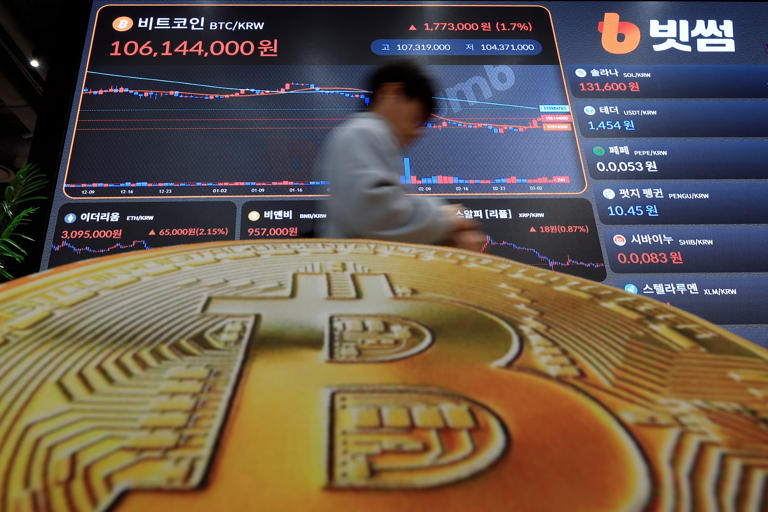
Currency and financing impacts compound seller challenges. The U.S. dollar strengthened 1.4% during the March 2024 crisis week while the euro fell 1.7% and sterling dropped 0.95%, creating unfavorable exchange rates for EU and UK sellers sourcing from Asia. Federal Reserve rate-cut expectations fell from 56 basis points to 40 basis points, signaling tighter credit conditions. South Korea's retail investor base (45% of KOSPI trading volume) uses margin accounts and leveraged ETFs—when margin calls forced liquidations on February 2, 2026, it triggered cascading losses affecting the broader tech ecosystem. This deleveraging cycle increases financing costs for sellers with Asian supply chain exposure.
The timing window is critical. Memory chip prices (particularly DRAM) are rising and expected to continue through H1 2026, supporting Korean chipmaker earnings despite volatility. However, the underlying risk remains: if Middle East infrastructure damage escalates or LNG prices spike further, sellers face potential 12-18 month supply chain delays and 15-25% cost increases for technology-dependent fulfillment solutions. Sellers should anticipate platform infrastructure cost increases, potential delays in logistics automation upgrades, and higher financing costs for inventory positioned in Asia-Pacific regions.
Questions 8
Which seller segments face the highest risk from semiconductor supply chain disruptions?
Three seller segments face disproportionate risk: (1) **Technology-dependent sellers** (electronics, smart home, IoT products)—rely on DRAM chips for product functionality and fulfillment automation; (2) **High-volume sellers using advanced logistics**—depend on Korean-sourced fulfillment center automation, AI-driven logistics software, and payment processing systems; (3) **Asia-Pacific based sellers**—face direct exposure to energy costs, currency volatility, and financing tightening. Small sellers (under $500K annual revenue) using third-party logistics (3PL) are less exposed than large sellers (over $5M) with proprietary fulfillment technology. Sellers should audit their supply chain: identify all Korean-sourced components, map alternative suppliers in Taiwan/Japan/US, and establish 90-120 day inventory buffers for critical items by April 2026.
How do rising LNG prices impact seller costs in Asia-Pacific regions?
Surging LNG prices compress margins for energy-intensive semiconductor manufacturers in South Korea, directly increasing component costs for e-commerce infrastructure. The March 2026 KOSPI crash was primarily driven by energy shocks combined with excessive leverage—LNG price spikes forced deleveraging across the market, particularly affecting Samsung and SK Hynix. For sellers sourcing fulfillment technology or cloud infrastructure from Korea, rising LNG costs translate to 8-15% price increases within 60-90 days. Sellers should lock in long-term pricing contracts with Korean suppliers before Q2 2026 and consider alternative sourcing from Taiwan (TSMC) or Japan (Sony Semiconductor) to hedge energy-driven cost increases.