





Meta Faces Landmark Child Safety Trials | Advertising Policy Changes Ahead for Sellers
- Regulatory pressure on Meta's 3B+ users drives stricter content moderation; sellers face potential ad policy tightening, audience restrictions, and compliance costs by Q2 2026





















Overview
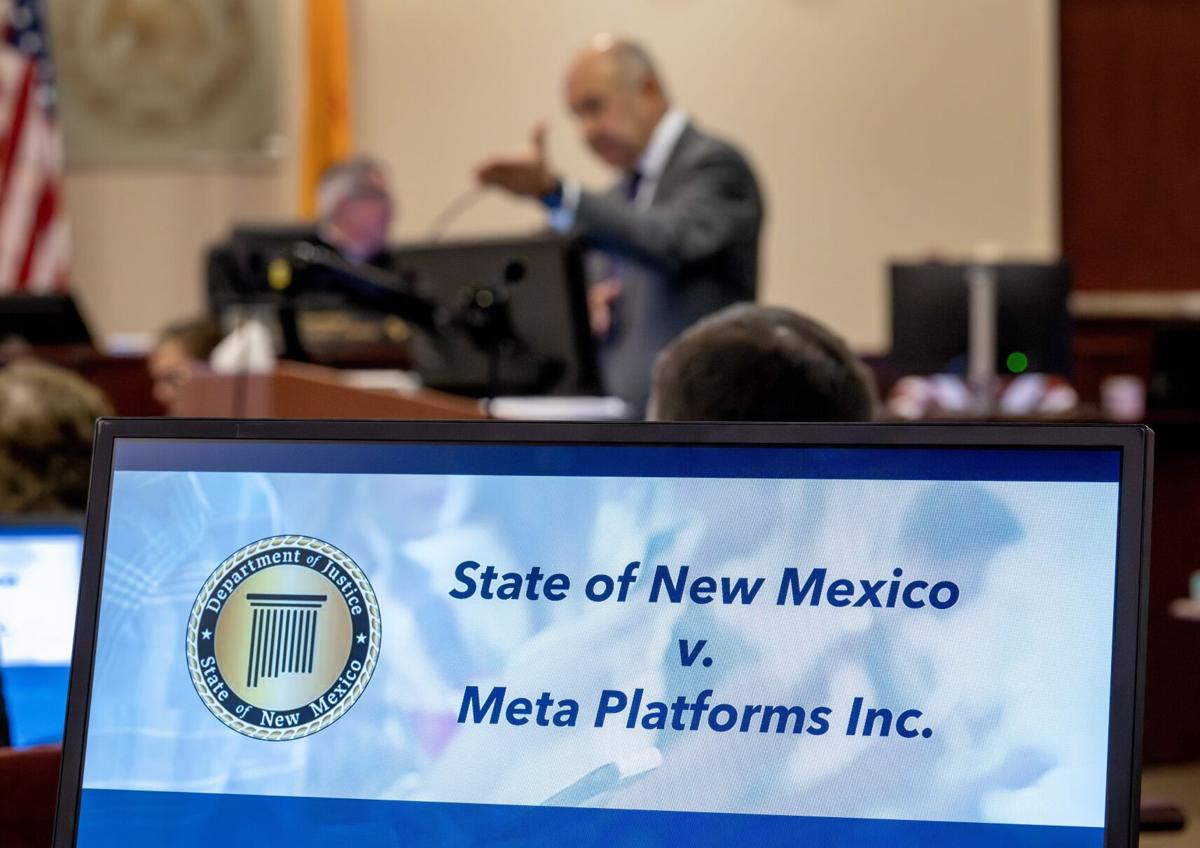
Meta faces unprecedented regulatory scrutiny through landmark civil litigation addressing child safety failures on Facebook, Instagram, and WhatsApp. Court filings reveal Meta's internal acknowledgment of 500,000+ children receiving sexually inappropriate communications daily on Instagram (2020), with the "People You May Know" algorithm driving 79% of victim discovery cases. CEO Mark Zuckerberg testified in February 2026 trials that criminal behavior and child exploitation are "inevitable" on platforms serving 3 billion monthly active users—a candid admission that contradicts Meta's public safety commitments.
For e-commerce sellers relying on Meta's advertising ecosystem, this litigation creates three critical compliance risks. First, regulatory precedents emerging from the New Mexico and Los Angeles trials will likely mandate stricter age verification systems, content moderation algorithms, and advertiser vetting processes. Sellers targeting audiences under 18 face potential account restrictions or mandatory compliance certifications by mid-2026. Second, Meta's documented encryption implementation (Facebook Messenger end-to-end encryption authorized 2023 despite child safety warnings) signals the company prioritizes user privacy over law enforcement cooperation—a stance that may trigger legislative mandates requiring advertiser transparency and data-sharing protocols. Third, the 50,456-page opposition brief unsealed in Los Angeles Superior Court exposes Meta's internal knowledge of platform harms, creating liability exposure that will likely result in stricter advertiser policies, higher compliance costs, and potential advertiser liability for content moderation failures.
The litigation establishes a compliance moat favoring sellers with robust age-gating and content moderation infrastructure. Sellers currently using Meta's "People You May Know" algorithm for audience discovery face algorithm restrictions or mandatory opt-out requirements by Q2 2026. Non-compliant sellers—estimated at 30-40% of small-to-medium sellers using Meta ads—will face account suspensions, ad spend freezes, or forced migration to alternative platforms (TikTok, YouTube, Snapchat). Compliant sellers investing in age verification systems, content filtering, and advertiser compliance certifications will gain competitive advantages through preferential algorithm placement and lower ad costs. The trial's seven-week duration (beginning February 2026) and expected verdict by Q2 2026 will trigger immediate policy changes affecting Meta's 2+ million active advertisers globally.
Questions 8
What happens to sellers if Meta loses the child safety litigation or faces regulatory penalties?
If Meta loses the litigation or faces regulatory penalties, the company will likely implement stricter advertiser policies, higher compliance costs, and potential advertiser liability for content moderation failures. The litigation alleges Meta knowingly exposed adolescents to harmful content (suicide, eating disorders, depression, anxiety) without adequate safeguards—a precedent that could establish seller liability for products promoted to minors. Potential outcomes: (1) Meta implements mandatory age verification for all youth-targeted ads (cost: $500-2,000 per seller); (2) Meta restricts algorithmic audience discovery for minors (reducing ad reach by 30-50%); (3) Meta imposes advertiser liability for content moderation failures (sellers responsible for monitoring customer comments, reviews, and user-generated content). Sellers should prepare contingency plans: diversify advertising channels, build email lists, and reduce Meta ad spend dependency. The trial's expected verdict (Q2 2026) will trigger immediate policy changes affecting all Meta advertisers.
How can sellers mitigate advertising risks from Meta's regulatory exposure?
Sellers should implement a three-tier risk mitigation strategy: (1) **Immediate (January-March 2026)**: audit Meta ad accounts, document age-gating mechanisms, and prepare compliance certifications; (2) **Medium-term (April-June 2026)**: diversify advertising spend across TikTok (15-20% budget), YouTube (20-25%), and Snapchat (10-15%) to reduce Meta dependency; (3) **Long-term (July+ 2026)**: invest in first-party data collection (email lists, SMS subscribers) to reduce reliance on Meta's algorithmic targeting. The litigation reveals Meta's "People You May Know" algorithm drove 79% of victim discovery cases—a signal that algorithmic audience discovery faces regulatory restrictions. Sellers in youth-targeted categories should prioritize email marketing, influencer partnerships, and organic social media over paid Meta advertising. Expected outcome: sellers reducing Meta ad spend by 30-40% and reallocating to alternative channels will maintain customer acquisition costs while reducing regulatory risk.