



MacBook Neo $599 Launch Disrupts Budget Laptop Market | AI-Powered Seller Opportunities in Premium-Brand Shift
- Apple's entry into $500-$1,000 segment captures 500M Windows 10 users facing forced upgrades; sellers can automate competitor pricing analysis and dynamic bundling strategies to compete in emerging premium-budget category




Overview
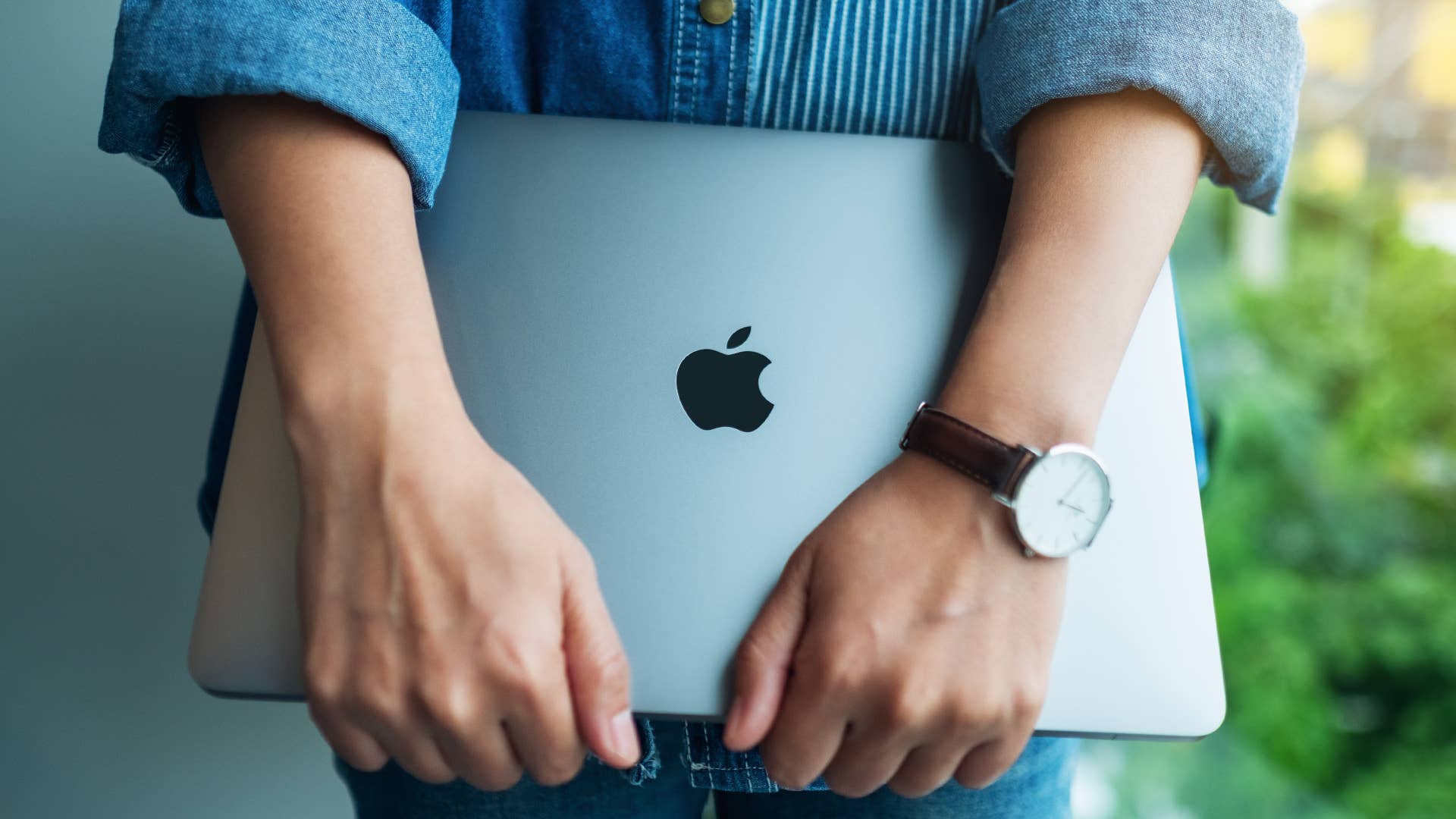
Apple's March 4, 2026 MacBook Neo launch at $599 USD/$599 GBP represents a seismic shift in budget laptop positioning, directly capitalizing on Microsoft's Windows 10 end-of-life crisis affecting 500 million PCs from a 1.5 billion installed base. This strategic entry into the previously untapped premium-budget segment ($500-$1,000) signals a fundamental market realignment that e-commerce sellers must immediately address through AI-powered competitive intelligence and dynamic pricing strategies.
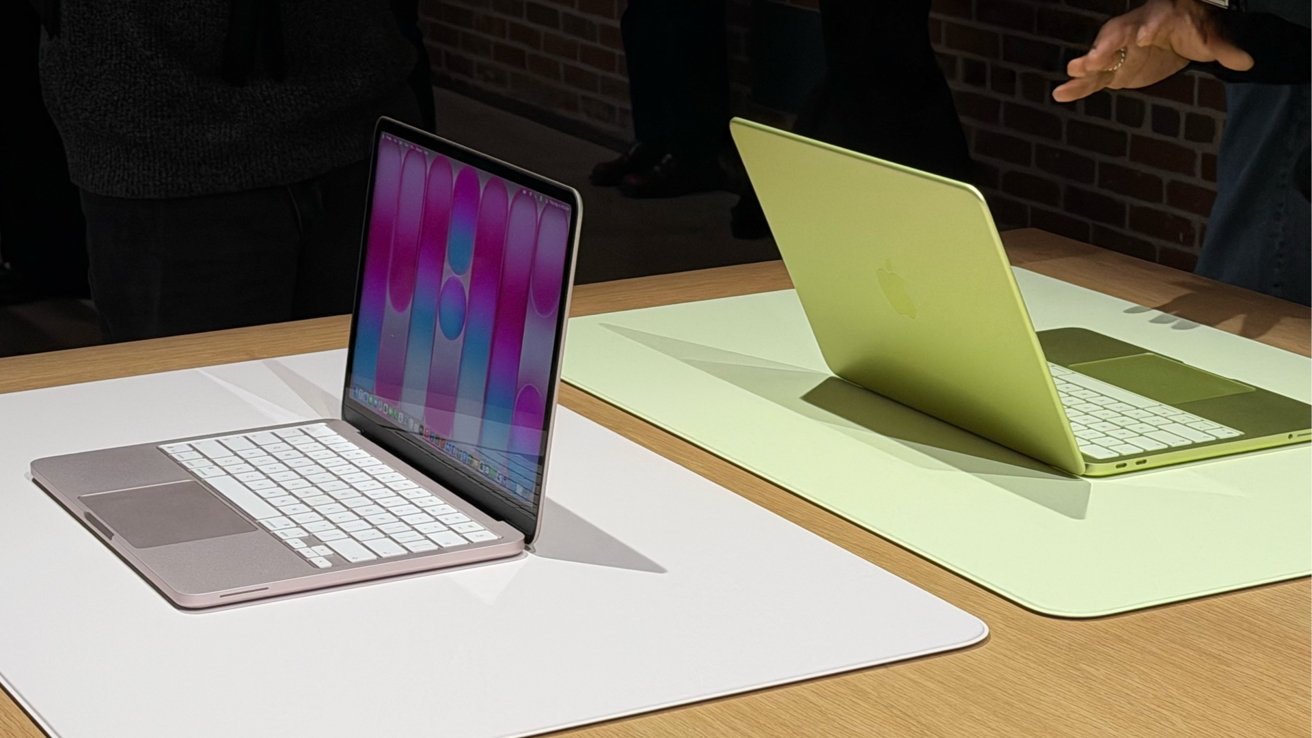
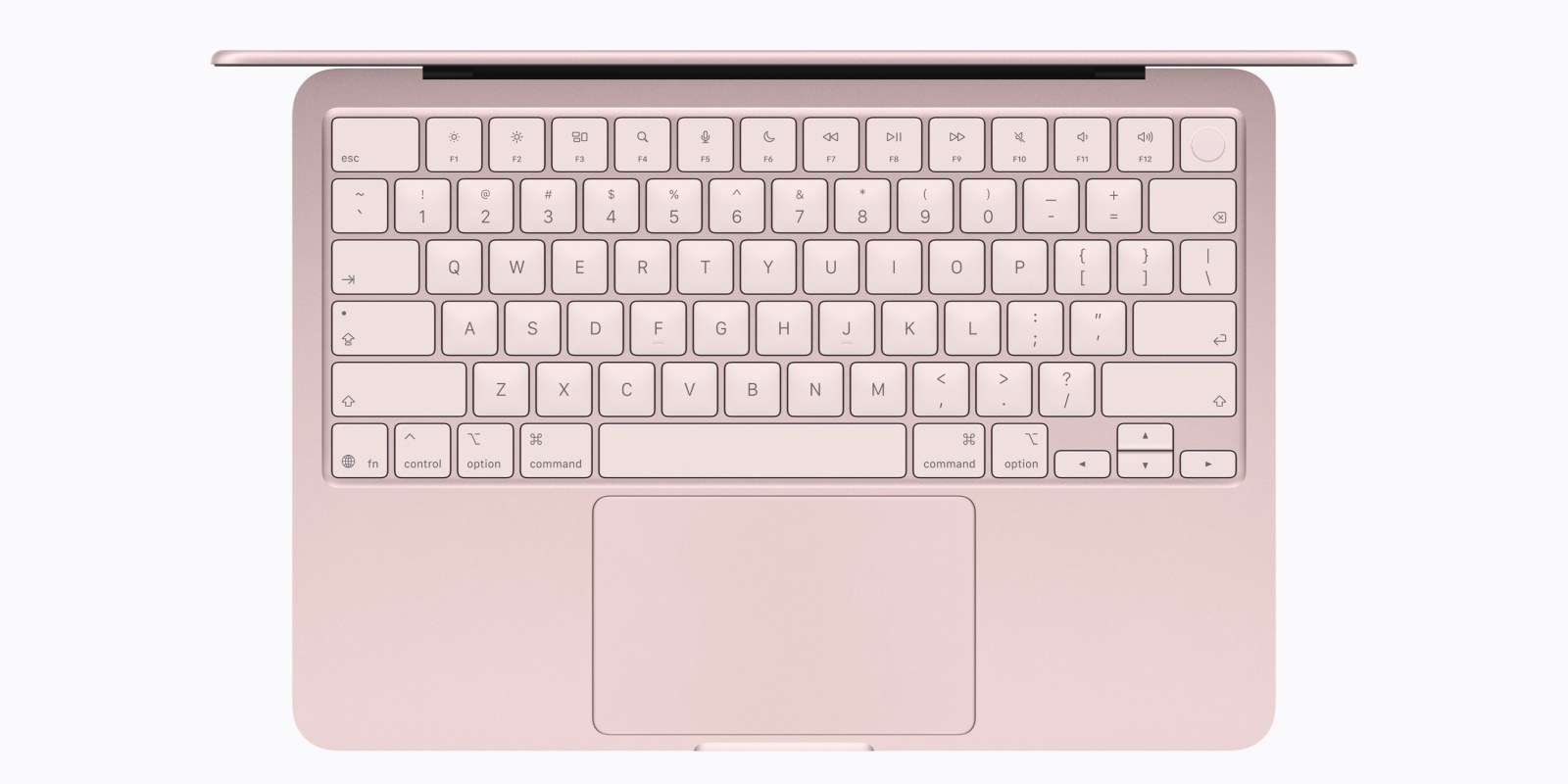
The Windows 10 Upgrade Crisis Creates Unprecedented Market Opportunity. Microsoft's October 14, 2025 Windows 10 support termination forced 1.5 billion users to upgrade, but Windows 11's TPM chip requirement left approximately 500 million PCs unable to upgrade. Dell's Q3 2025 earnings revealed Windows 11 adoption lags 10-12 percentage points behind previous OS transitions—a massive gap indicating consumer resistance to Microsoft's AI-focused approach and contentious upgrade requirements. This creates a 500M-user addressable market actively seeking alternatives, and Apple's MacBook Neo directly targets this frustrated segment with superior value positioning: aluminum unibody construction, 2408x1506 pixel display (500 nits brightness), Magic Keyboard, fanless design, and 16-hour battery life—all at half the MacBook Air price. Competing $600 Windows laptops offer only 1920x1200 resolution (300 nits) with inferior keyboards, making Apple's design and build quality a decisive differentiator.
For cross-border e-commerce sellers, this development creates three immediate AI automation opportunities: First, sellers can deploy AI-powered competitive pricing engines to monitor MacBook Neo pricing across 15+ global markets (US, UK, EU, Asia-Pacific) and automatically adjust positioning for complementary products (laptop cases, chargers, software bundles). Second, AI sentiment analysis tools can track consumer migration patterns from Windows to macOS by analyzing review data, search trends, and social signals—revealing which regional markets show highest adoption velocity. Third, sellers can use predictive analytics to identify emerging demand for macOS-compatible accessories (external drives, docking stations, software) before mainstream awareness, capturing first-mover advantage in underserved categories.
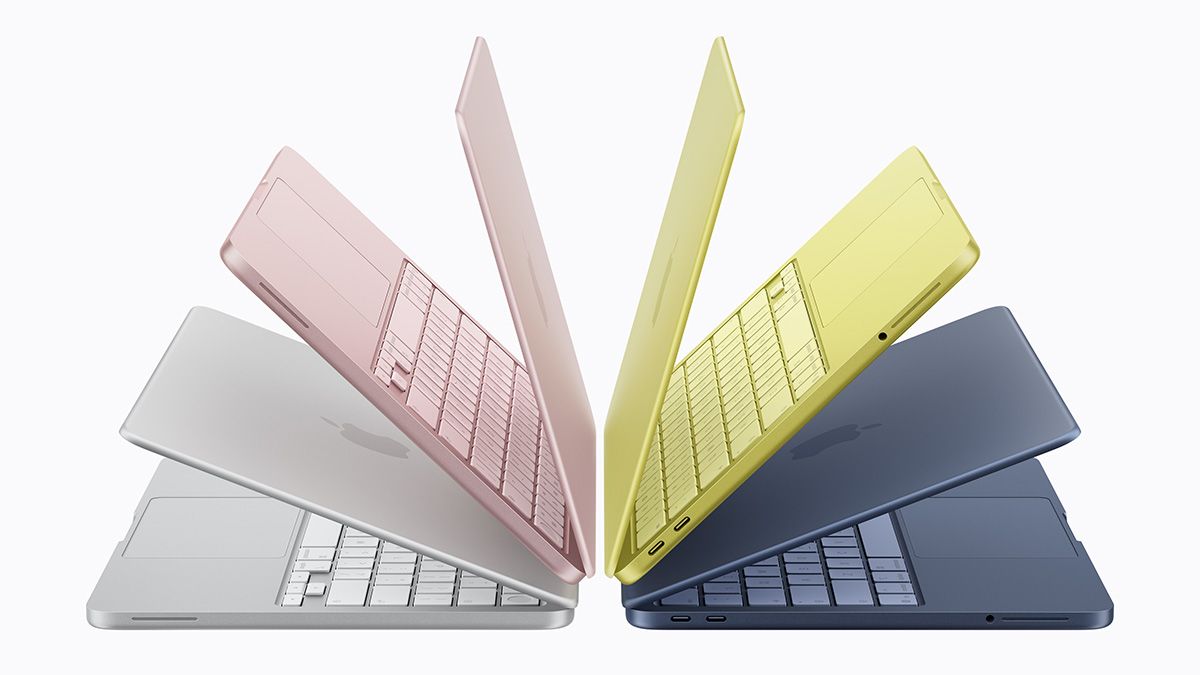
Manufacturing innovation reveals critical seller strategy lesson: Apple's novel aluminum extrusion process reduces material waste by 50% while cutting machining cycle time—demonstrating how premium brands achieve affordability without quality degradation. The MacBook Neo's 60% recycled materials and 90% recycled aluminum content, combined with four color options (silver, dark blue, pale pink, citrus yellow), signal Apple's targeting of first-time MacBook users seeking "approachable" and "joyful" design. Sellers can apply this insight by developing tiered product lines that maintain brand prestige while expanding into price-sensitive segments, using AI to identify which product features drive purchase decisions at different price points.
Questions 8
What AI automation tools should sellers deploy to capture the Windows 10 migration opportunity?
Sellers should immediately implement three AI systems: (1) Competitive pricing automation that tracks MacBook Neo pricing across global markets and adjusts complementary product bundles (cases, chargers, software) in real-time; (2) Sentiment analysis tools monitoring review platforms, Reddit, and social media to identify consumer pain points with Windows 11 (TPM requirements, forced upgrades) and track macOS adoption velocity by region; (3) Predictive demand forecasting for macOS-compatible accessories (external drives, docking stations, software) using search trend data and historical migration patterns. These tools can reduce manual competitive analysis by 15-20 hours weekly while improving pricing accuracy by 8-12%, directly increasing margins on high-velocity categories.
How does Apple's MacBook Neo pricing strategy affect sellers competing in the $500-$1,000 laptop segment?
Apple's $599 MacBook Neo directly undercuts Windows laptop competitors by 15-25% while offering superior build quality, display resolution (2408x1506 vs. 1920x1200), and keyboard experience. Sellers of Windows laptops in this price bracket face immediate margin compression and must differentiate through bundled accessories, extended warranties, or software packages. AI-powered pricing engines can automatically adjust competitor positioning within 2-4 hours of MacBook Neo price changes across different markets, maintaining competitiveness. Sellers should monitor Apple's distribution strategy across 15+ markets to identify regional pricing variations and arbitrage opportunities, particularly in emerging markets where premium brand preference is growing.