


Middle East Conflict Disrupts Global Supply Chains | Sellers Face 15-25% Shipping Cost Increases
- Oil prices surge to 4-year highs amid Strait of Hormuz disruptions affecting 20% of global shipments; sellers relying on Asian manufacturing and Middle Eastern logistics routes face critical operational challenges through Q2 2026











Overview
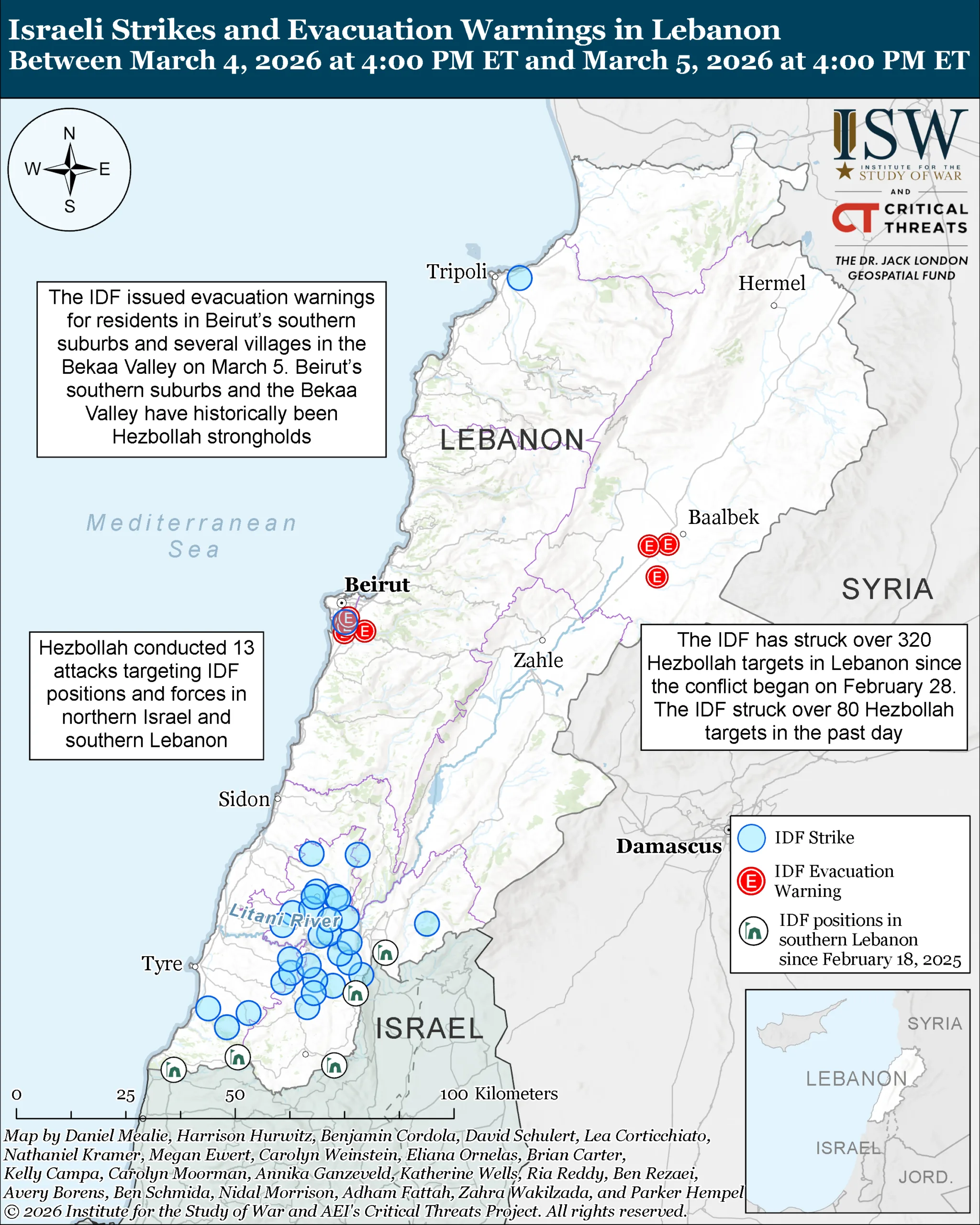
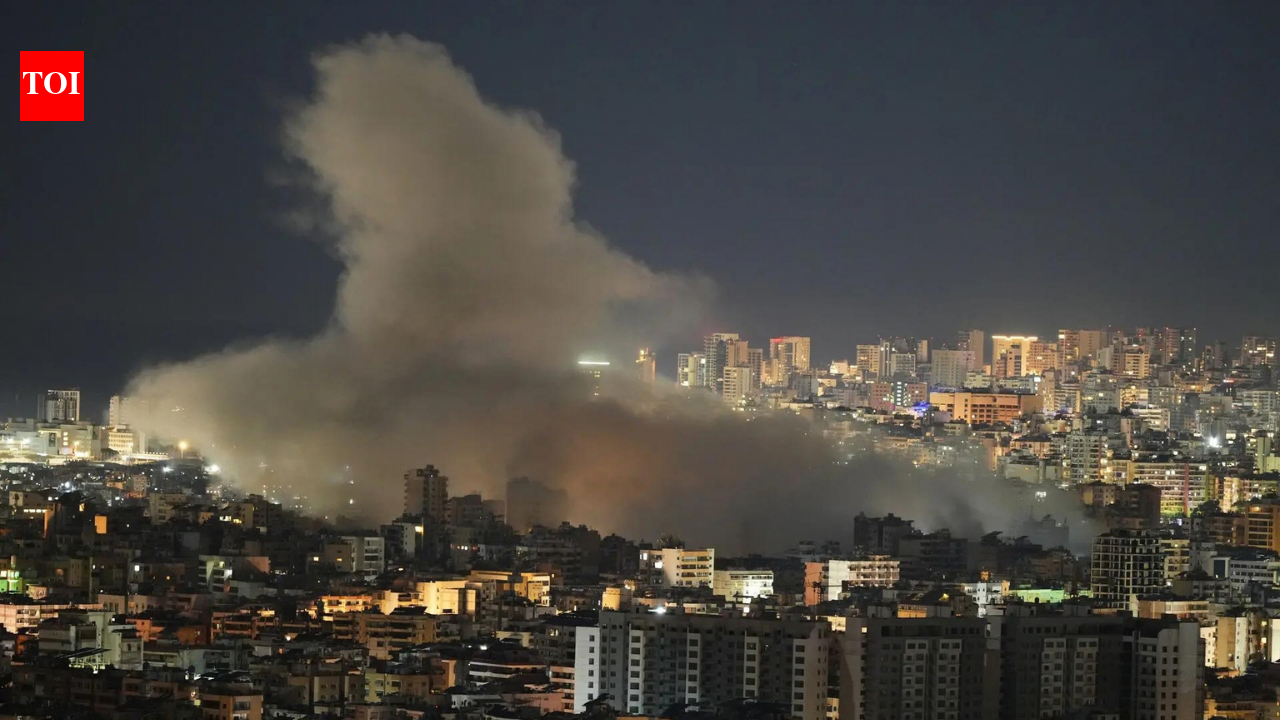
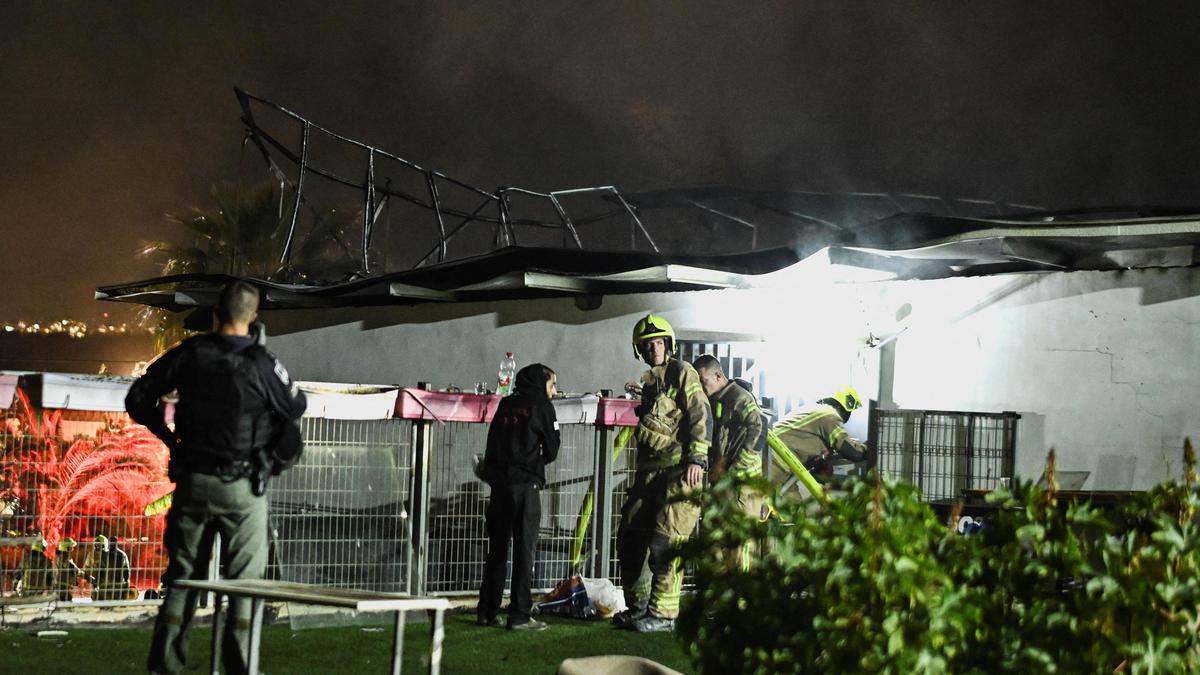
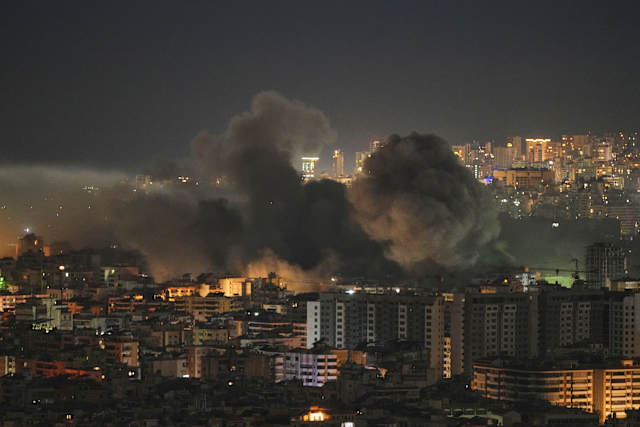
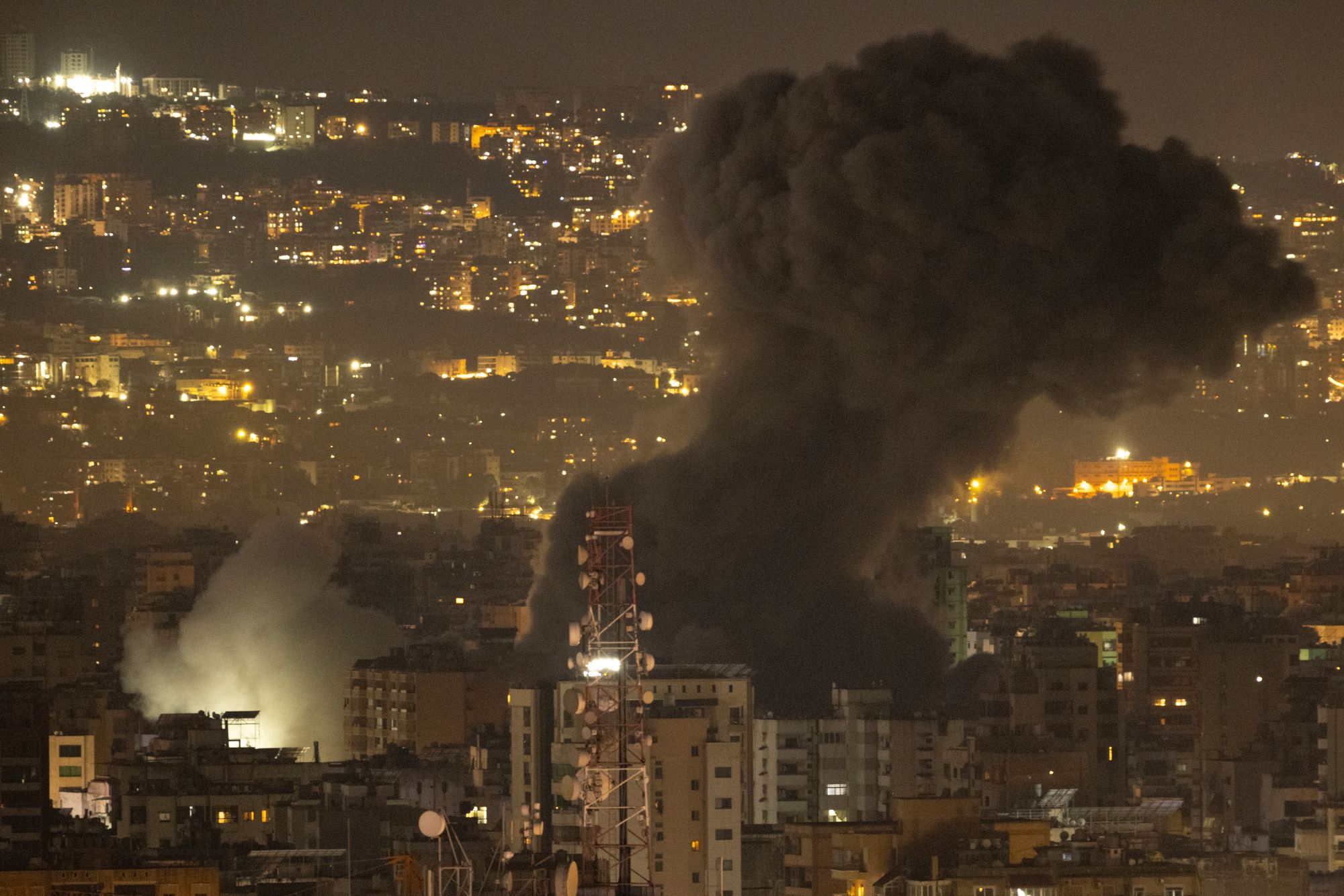
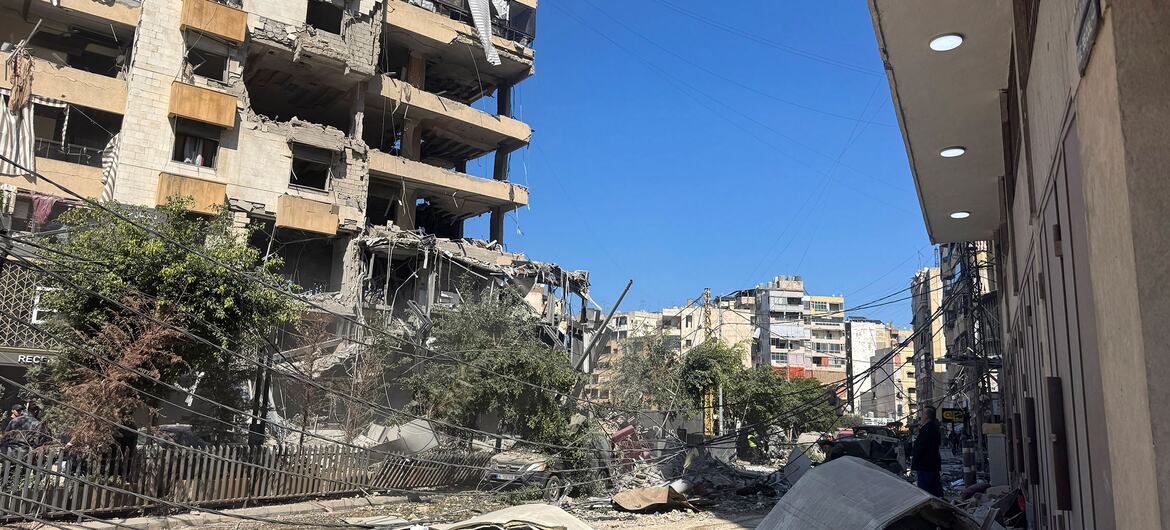
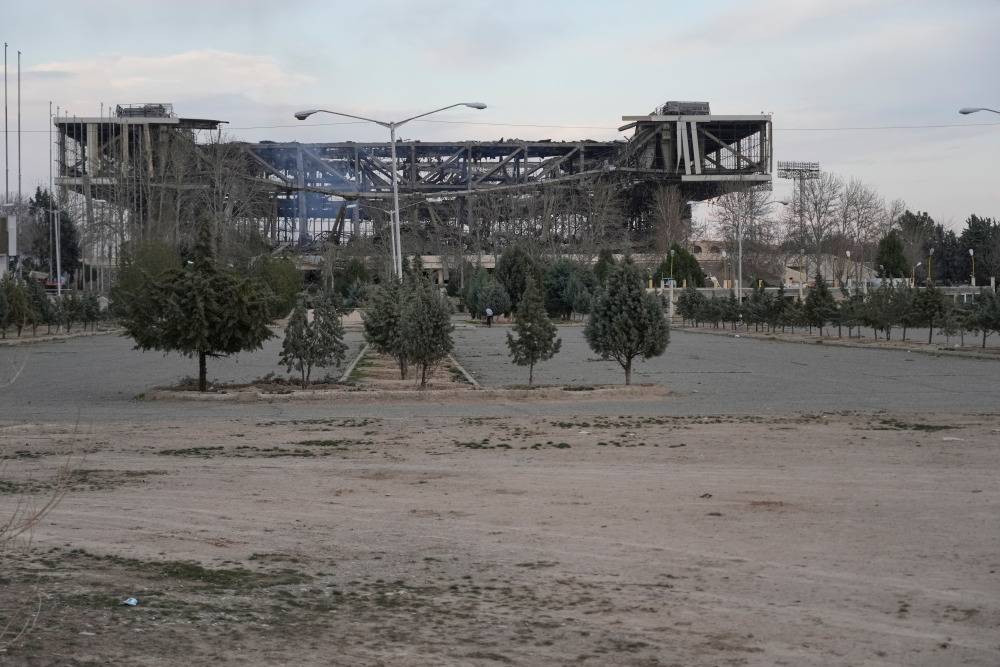
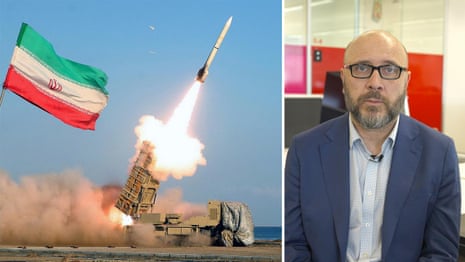
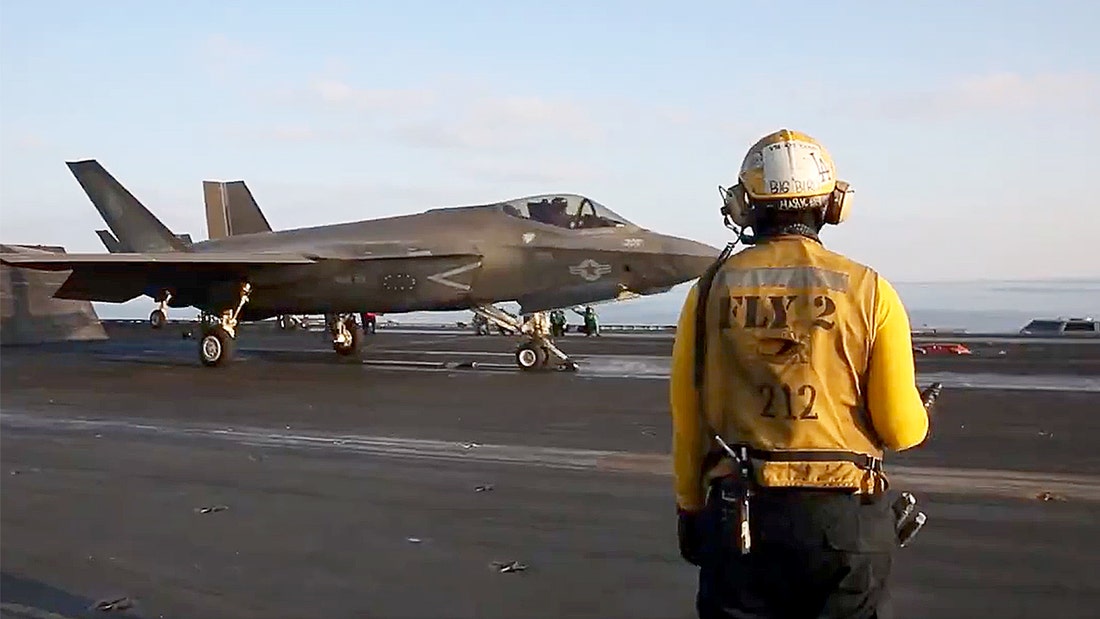
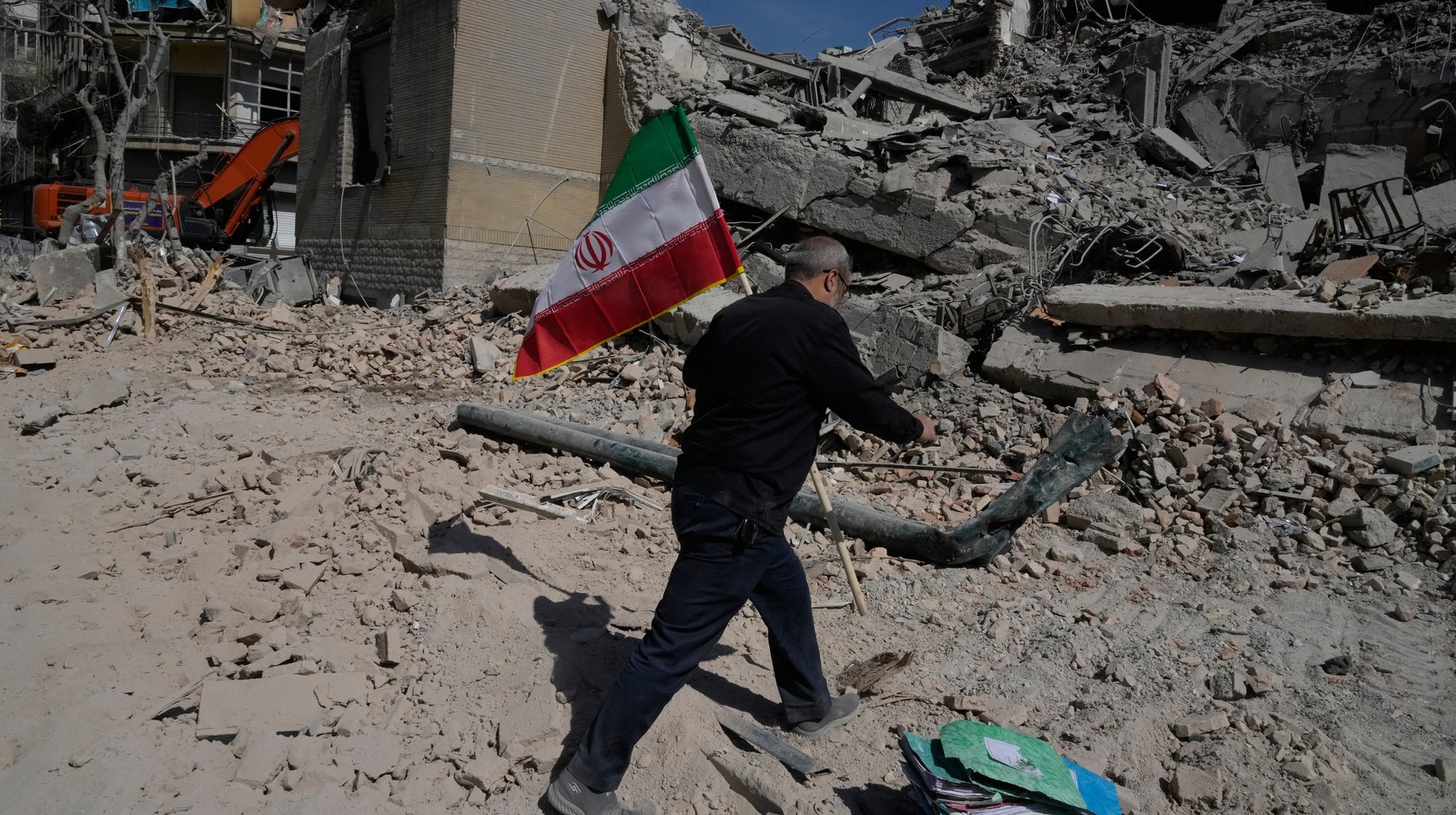
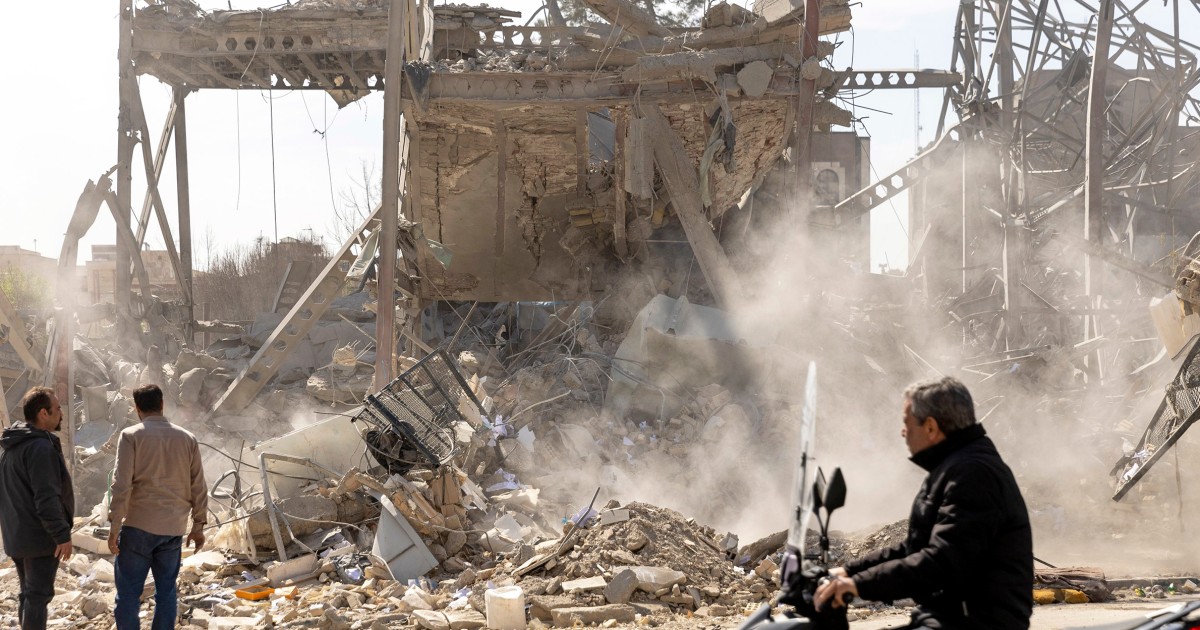
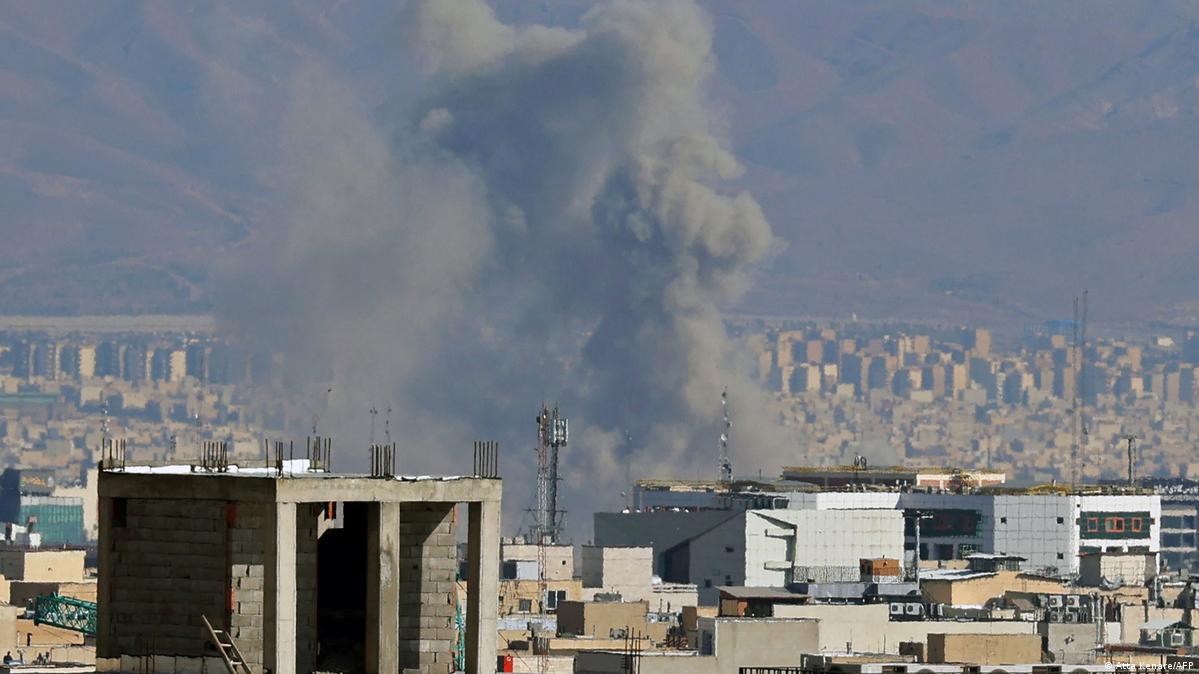
The escalating military conflict in the Middle East—now in its seventh day as of March 2026—creates unprecedented supply chain disruptions for cross-border e-commerce sellers globally. Operation Epic Fury has cost $3.7 billion in the first 100 hours, with $3.5 billion unbudgeted, signaling severe economic strain rippling through logistics networks. The conflict directly impacts e-commerce infrastructure: the US suspended embassy operations in Kuwait, approximately 20,000 Americans evacuated the region, and regional e-commerce hubs across the UAE, Qatar, and Bahrain face critical disruptions from ongoing strikes. The Strait of Hormuz—handling approximately 20% of global oil shipments—faces supply constraints as US-Israel military operations curtail Middle Eastern shipments, driving oil prices to their biggest weekly gain in four years.
For cross-border sellers, this conflict presents three critical operational challenges: First, shipping cost escalation of 15-25% for sellers importing goods through Middle Eastern routes or relying on Asian manufacturing hubs. Foxconn's chairman Young Liu acknowledged that while current operations remain largely unaffected, prolonged conflict could significantly impact raw material costs and oil prices affecting manufacturing and logistics. Treasury Secretary Scott Bessent's announcement permitting Indian refiners to purchase Russian oil for 30 days reflects acute concerns about global energy prices—a temporary measure indicating sustained supply pressure. Second, logistics route disruptions affecting sellers with supply chain dependencies in Iran, Iraq, Lebanon, and Gulf states. The UAE reported intercepting over 120 drones while Bahrain experienced direct hits on state-run oil refineries, creating infrastructure vulnerabilities. Third, payment processing and insurance cost increases as financial markets react severely—the Dow Jones dropped over 1,000 points (2.2%) as oil prices climbed—affecting seller financing costs and payment gateway stability.
Strategic sourcing implications emerge immediately: Sellers currently sourcing from or transiting through affected regions must evaluate alternative supply chains within 30-60 days. Vietnam, India, and Thailand present viable alternatives for electronics, textiles, and consumer goods categories previously routed through Middle Eastern hubs. Small and medium-sized sellers (1,000-10,000 monthly units) face disproportionate impact due to limited logistics flexibility and higher per-unit shipping costs. Large sellers with diversified supply chains and 3PL partnerships can absorb cost increases through volume negotiations. The conflict creates a 90-120 day window of elevated uncertainty before supply chains stabilize, making immediate inventory assessment and route optimization critical for maintaining margins and delivery timelines.
Questions 8
How much will shipping costs increase for sellers importing from Asia due to Middle East conflict?
Shipping costs are projected to increase 15-25% for sellers relying on Middle Eastern logistics routes or Asian manufacturing hubs. The Strait of Hormuz disruptions—which handle 20% of global oil shipments—combined with oil prices tracking their biggest weekly gain in four years, directly inflate fuel surcharges on ocean freight. For a seller shipping 5,000 units monthly at $2 per unit cost, this translates to $1,500-2,500 monthly cost increase. Small sellers (1,000-5,000 units) face disproportionate impact due to inability to negotiate volume discounts with 3PL providers. Monitor freight indices weekly and consider locking in rates with 3PL partners within 7-14 days before further escalation.
What is the timeline for supply chain stabilization and when should sellers expect cost normalization?
Based on the conflict's current trajectory (day 7 of Operation Epic Fury), supply chain disruptions will likely persist 90-120 days minimum. The US suspended embassy operations in Kuwait and approximately 20,000 Americans evacuated the region, indicating sustained instability. Oil price volatility typically normalizes 60-90 days after geopolitical events stabilize. Sellers should plan for elevated costs through Q2 2026 (April-June). Establish contingency inventory buffers (15-20% above normal) for critical SKUs by April 1, 2026. Monitor Treasury Department announcements regarding Russian oil purchases (currently approved for 30 days)—policy extensions indicate prolonged supply pressure.