
Middle East Shipping Crisis Triggers 17% Container Rate Surge | Seller Logistics Strategy Shift
- Cosco suspends Middle East routes effective March 4; container futures spike 17% as sellers face premium costs for alternative ports and transshipment services
Overview
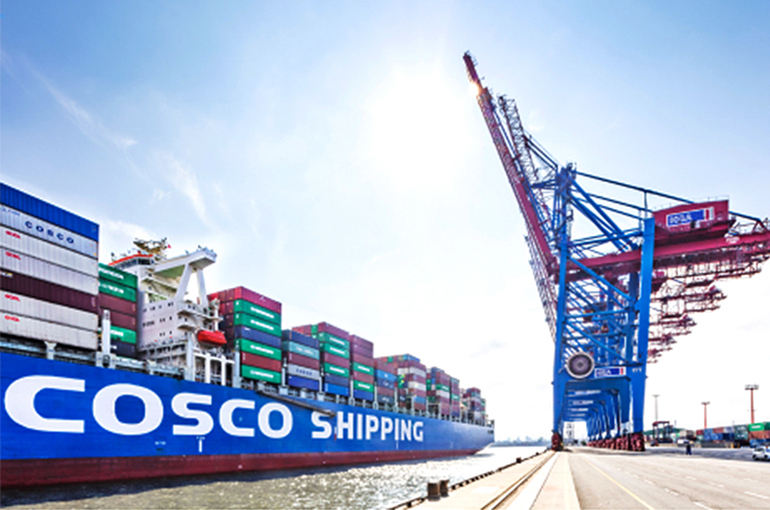
The Middle East shipping crisis represents a critical inflection point for cross-border sellers relying on ocean freight. On March 4, 2025, Cosco Shipping Lines—operating 1,660 vessels with 135 million deadweight tons capacity—suspended all new bookings for routes to UAE, Qatar, Bahrain, Iraq, Saudi Arabia, and Kuwait due to Strait of Hormuz restrictions. This immediately impacts sellers shipping to Gulf markets and those using Middle East transshipment hubs. Container shipping futures experienced extreme volatility, with Europe Route Futures Main Contract surging 17% before correcting 3%, signaling market uncertainty about route reopening timelines.
For sellers, this creates three immediate cost scenarios: (1) Premium alternative routing: Diverting shipments through Suez Canal alternatives or Indian Ocean ports adds 8-15 days transit time and 12-18% freight cost premiums ($800-1,200 per 20ft container increase). (2) Transshipment delays: Using secondary ports (Port Said, Jebel Ali alternatives) introduces 5-7 day delays and 6-10% additional handling fees. (3) Inventory repositioning: Sellers must decide whether to liquidate Middle East inventory now (accepting 15-25% margin compression) or hold for route reopening (risking 3-6 month storage costs of $200-400 per container).
Strategic sourcing implications are significant. Sellers currently sourcing from China/Vietnam for Middle East markets face 25-35% total landed cost increases if routes remain closed beyond Q2 2025. This creates a window to shift sourcing toward regional suppliers in India, Turkey, or Egypt for categories like electronics, textiles, and consumer goods—reducing freight costs by 40-50% while accepting 2-3 week longer lead times. VLCC crude carrier rates have strengthened due to supply constraints, indicating energy-intensive manufacturing (plastics, chemicals, packaging) will see input cost inflation of 8-12% by Q3 2025.
Warehouse positioning becomes critical. Sellers should immediately: (1) Reduce inventory commitments to Middle East FBA warehouses by 30-40% until route clarity emerges; (2) Shift excess inventory to US/EU fulfillment centers for domestic market absorption or reallocation; (3) Evaluate 3PL providers with Indian Ocean port access (Port of Singapore, Port of Colombo) for alternative fulfillment models. Container manufacturing and leasing (Cosco Shipping Development) reports no immediate impact, but container availability may tighten if alternative routes create bottlenecks—securing 60-90 day container allocations now is prudent.
Questions 8
Should sellers liquidate Middle East inventory now or wait for route reopening?
This depends on inventory turnover velocity and margin structure. Liquidating now accepts 15-25% margin compression but recovers cash within 30 days and eliminates 3-6 month storage costs ($200-400 per container). Holding inventory risks extended storage fees and potential obsolescence if routes remain closed beyond Q2 2025. For fast-moving categories (electronics, fashion), liquidation is prudent. For slow-moving items (furniture, specialty goods), holding may be justified if margins exceed 40%. Calculate your break-even: if monthly storage cost × expected closure duration exceeds liquidation discount, sell now.
Which regions should sellers shift sourcing to avoid Middle East route disruptions?
India, Turkey, and Egypt offer 40-50% freight cost savings compared to China-to-Middle East routes while accepting 2-3 week longer lead times. Indian suppliers (textiles, electronics components, consumer goods) have established quality standards and can serve Middle East markets with 8-12 day transit times versus 18-22 days from China via alternative routes. Turkey provides competitive pricing for industrial goods and machinery. Egypt-based suppliers offer advantages for African market expansion. Evaluate suppliers in these regions immediately for Q2-Q3 2025 sourcing commitments to lock in cost advantages before competitors shift.