


Federal Reserve's Rate Cut Signals Economic Recalibration and Financial Uncertainty
- Monetary Policy Shifts Reveal Complex Landscape of Inflation, Labor Markets, and Technological Disruption





















































Overview
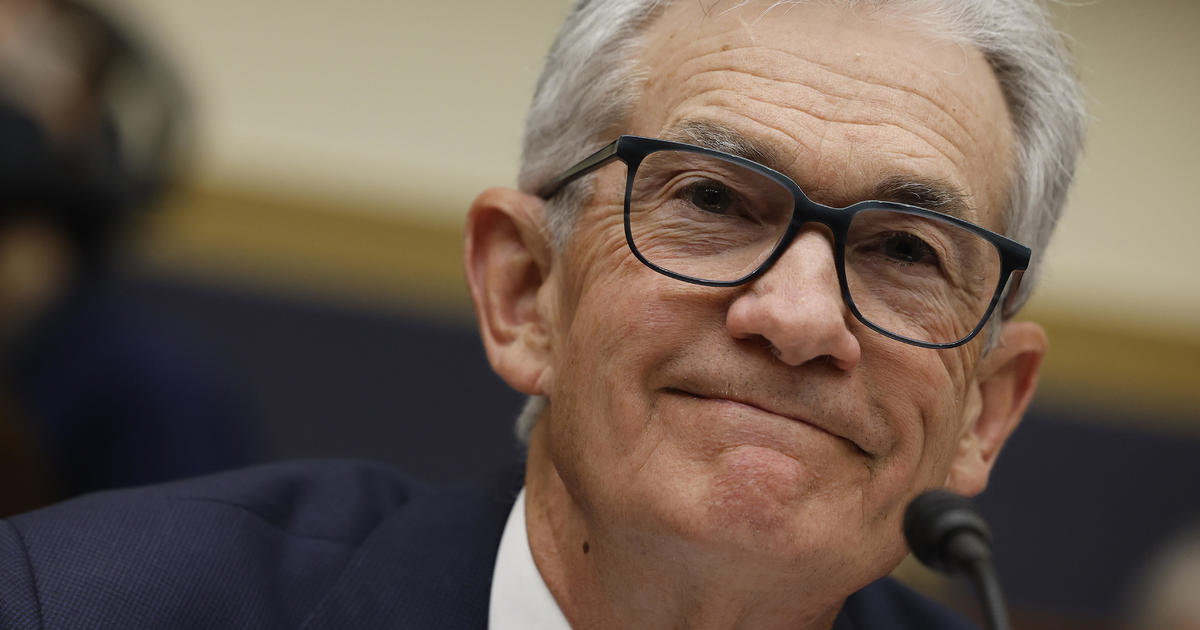
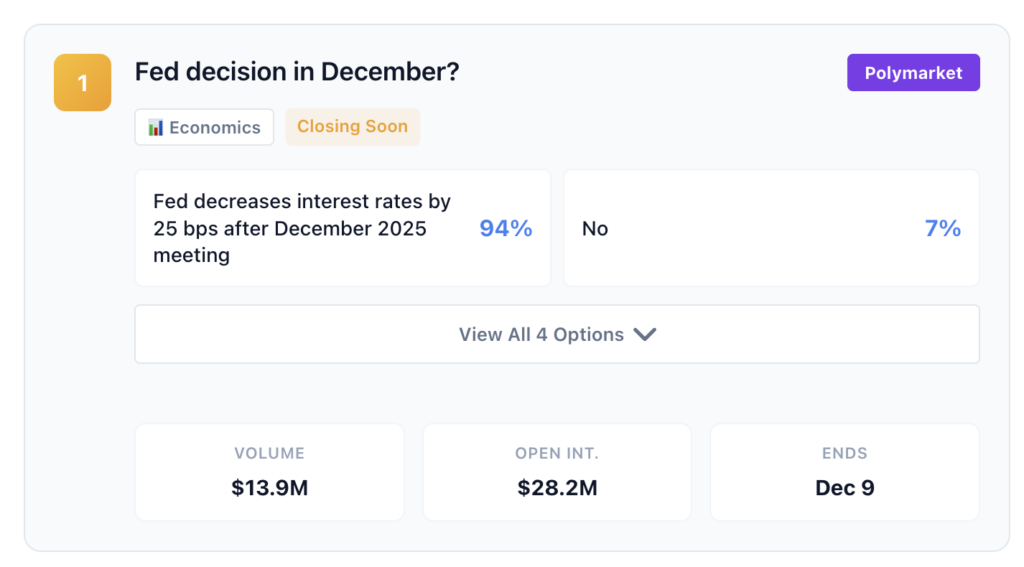
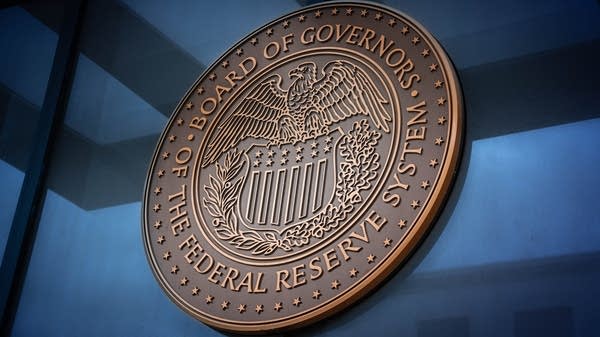
The Federal Reserve's impending quarter-point rate cut represents a pivotal moment in economic policy, reflecting a nuanced response to unprecedented market complexities. As 2025 draws to a close, the central bank is navigating a treacherous economic landscape marked by labor market volatility and technological disruption.
Economic Recalibration Dynamics: The anticipated rate cut comes against a backdrop of significant workforce transformation. With over 1.1 million jobs cut through November—the highest since 2020—the economy is experiencing a profound restructuring driven by AI-powered workforce optimization. This job market recalibration suggests deeper structural changes beyond traditional monetary policy considerations.
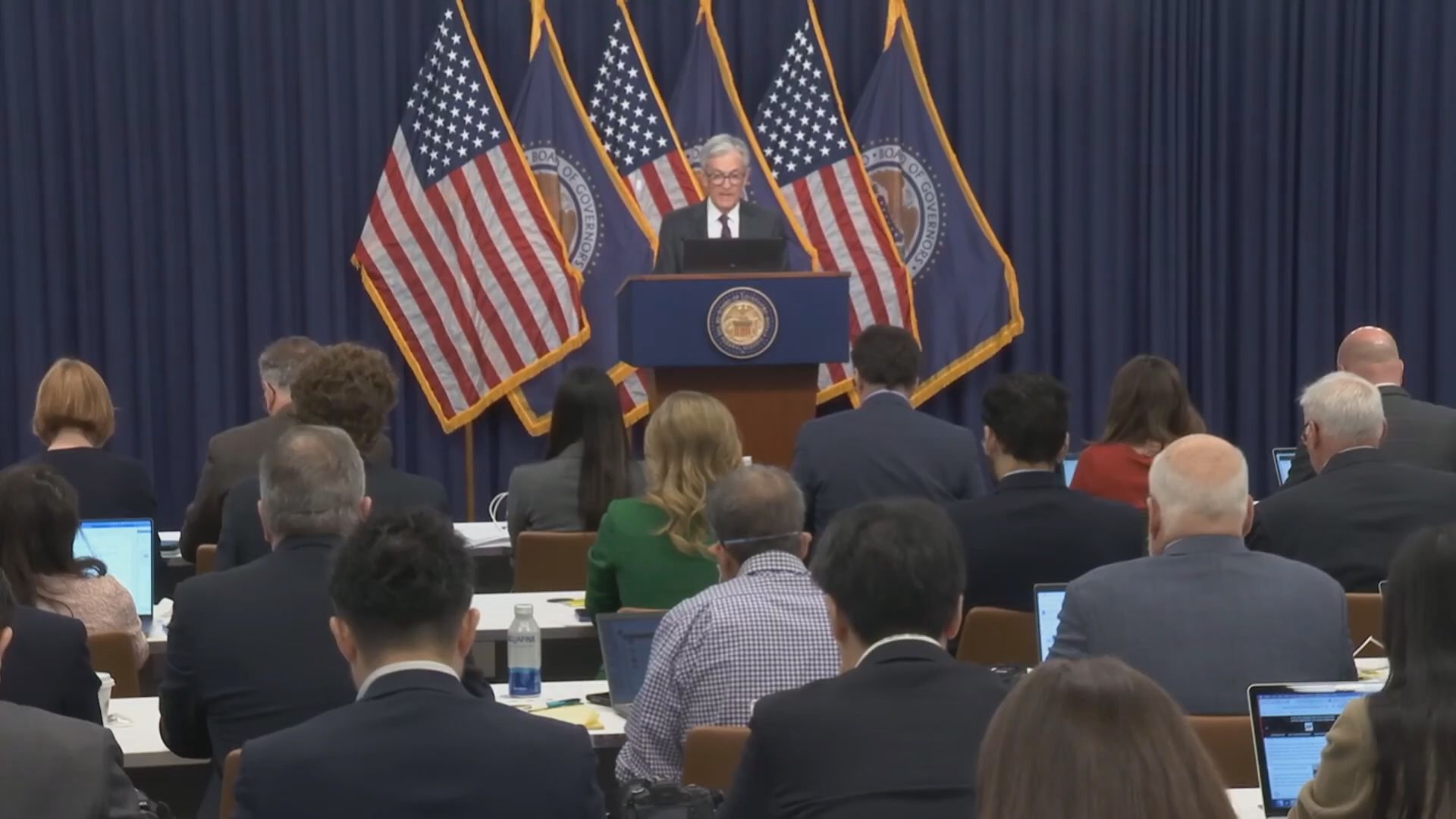
The Federal Open Market Committee's internal disagreements highlight the unprecedented challenges. While a rate cut could potentially reduce borrowing costs for credit cards and home equity lines, it simultaneously carries risks of stimulating spending and potentially fueling inflation. The decision is particularly complex, with technological disruptions and AI's growing role adding layers of uncertainty to traditional economic modeling.
Political Pressure and Economic Strategy: The ongoing tension between the Trump administration and the Federal Reserve adds another dimension to monetary policy. Consistent pressure for more aggressive rate adjustments creates an additional layer of complexity in economic decision-making. Looking ahead to 2026, economists anticipate potential additional rate cuts, though the timing remains highly uncertain.
Strategic Implications: Financial leaders and businesses must prepare for a volatile economic environment. The rate cut signals a delicate balancing act between stimulating economic growth and managing inflationary pressures. Organizations should focus on adaptive strategies that can quickly respond to rapid technological and economic shifts.
Questions 3
What are the key implications of the Federal Reserve's quarter-point rate cut?
The rate cut signals potential economic stimulus while managing inflation risks. It could reduce borrowing costs for consumers and businesses, but also risks accelerating spending. The move reflects the complex economic environment shaped by technological disruptions and labor market transformations.
How might AI and technological disruption impact economic policy?
AI is fundamentally reshaping workforce dynamics, with over 1.1 million jobs cut in 2025. This technological disruption challenges traditional economic models, forcing the Federal Reserve to incorporate AI-driven workforce optimization into monetary policy considerations.