




Energy Crisis Reshapes Global Logistics Costs | 30-Day Russian Oil Waiver Creates Shipping Rate Volatility for Cross-Border Sellers
- Brent crude surges 22% to $89/barrel; shipping costs spike 8-15% for air freight; sellers face margin compression through April 4, 2026































)



Overview
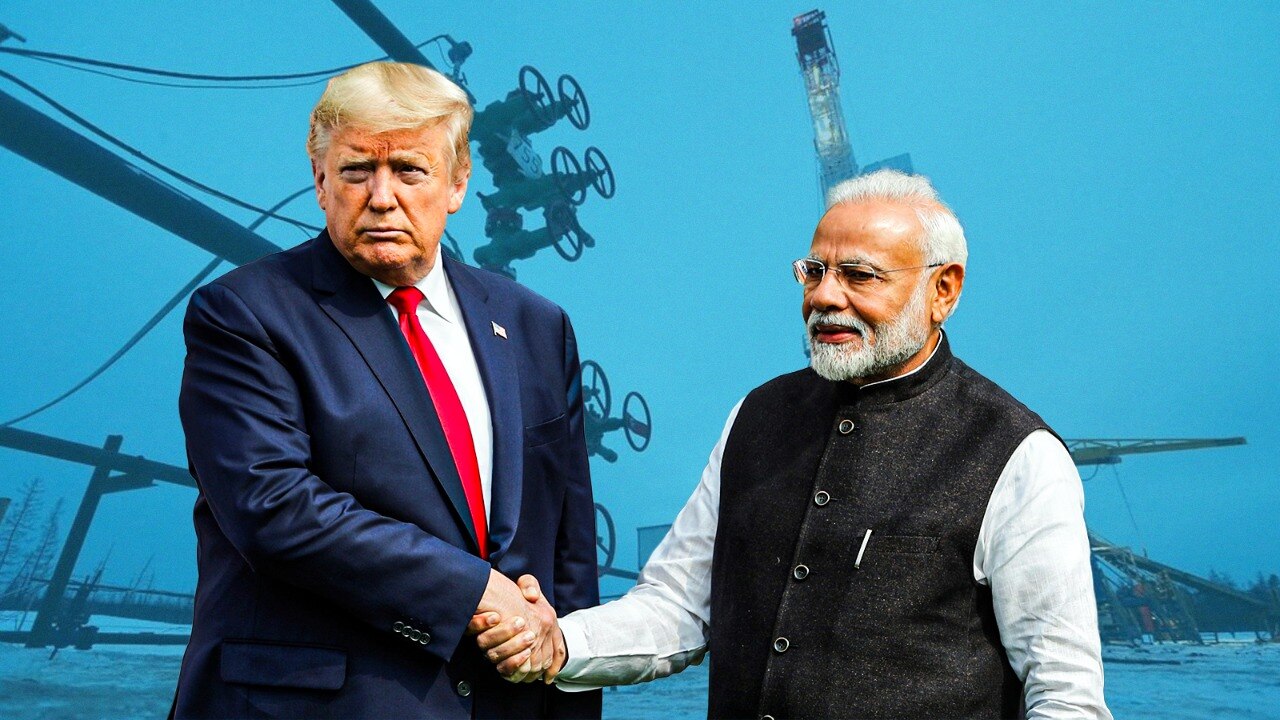
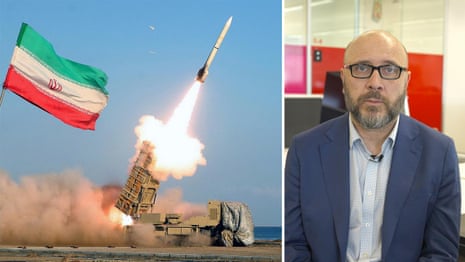
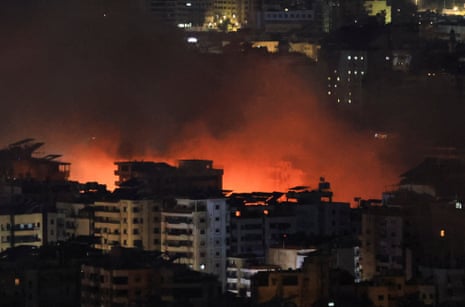
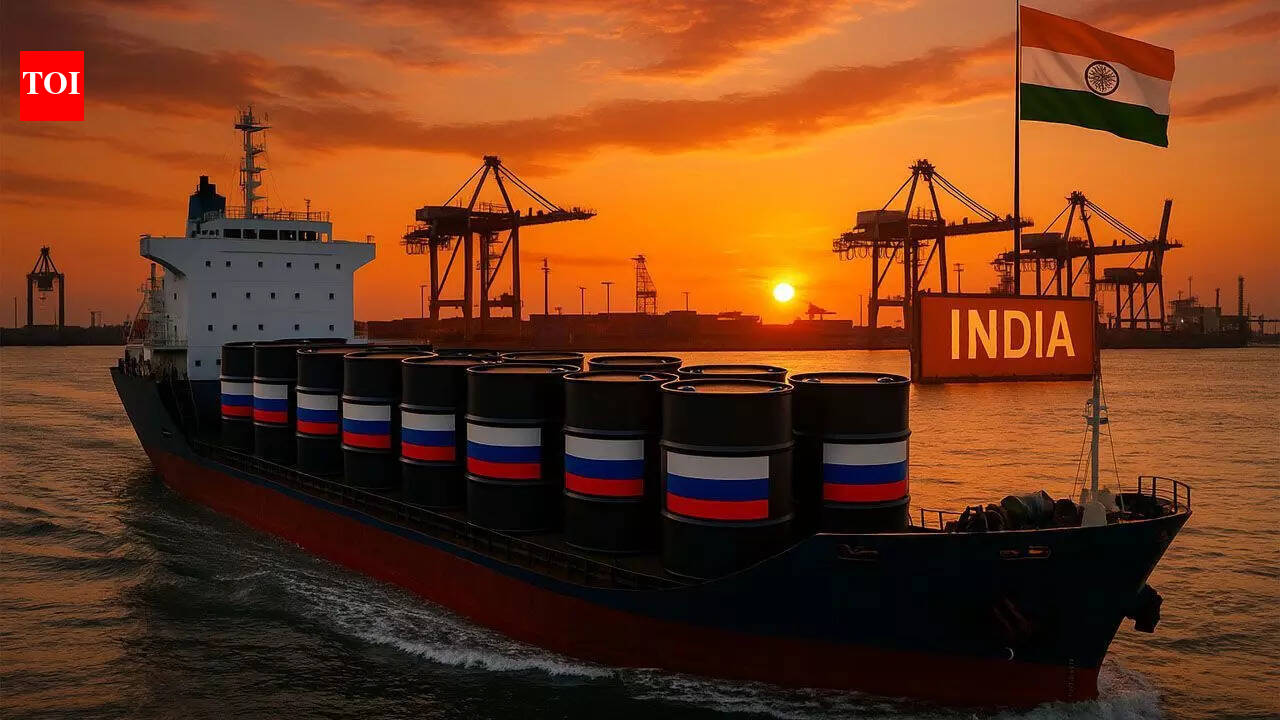
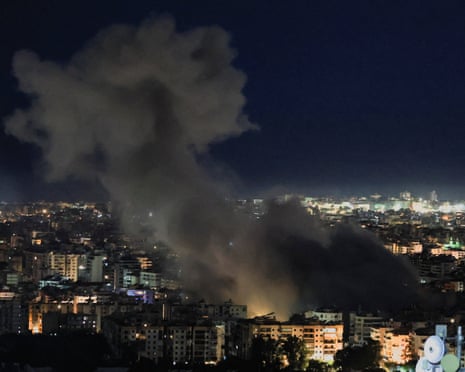
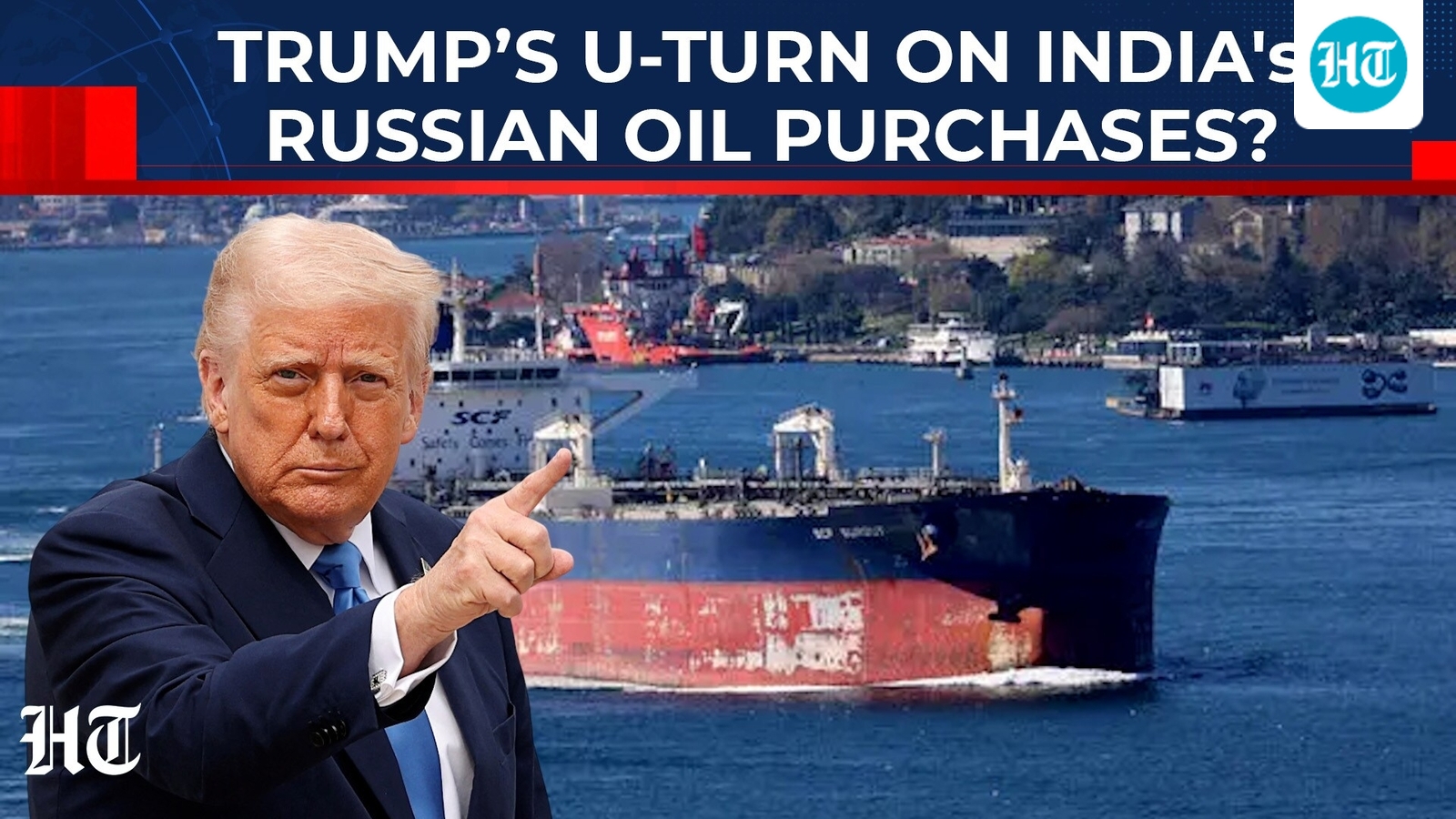
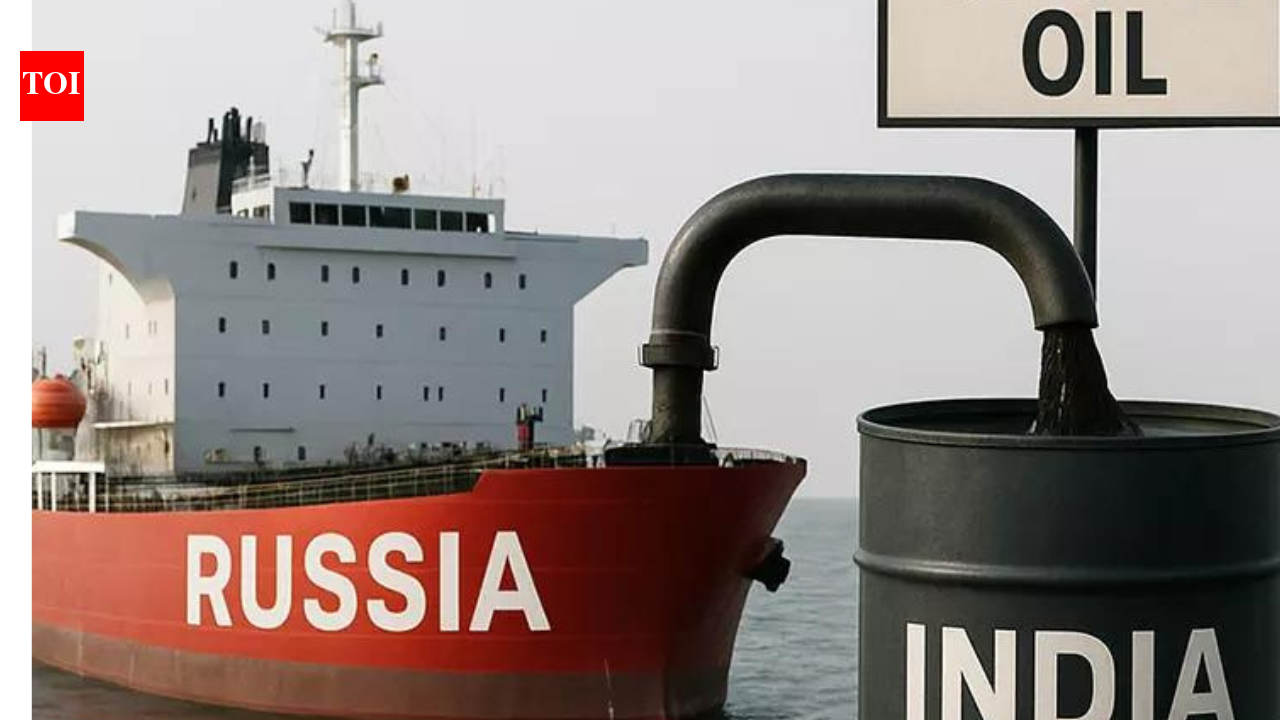
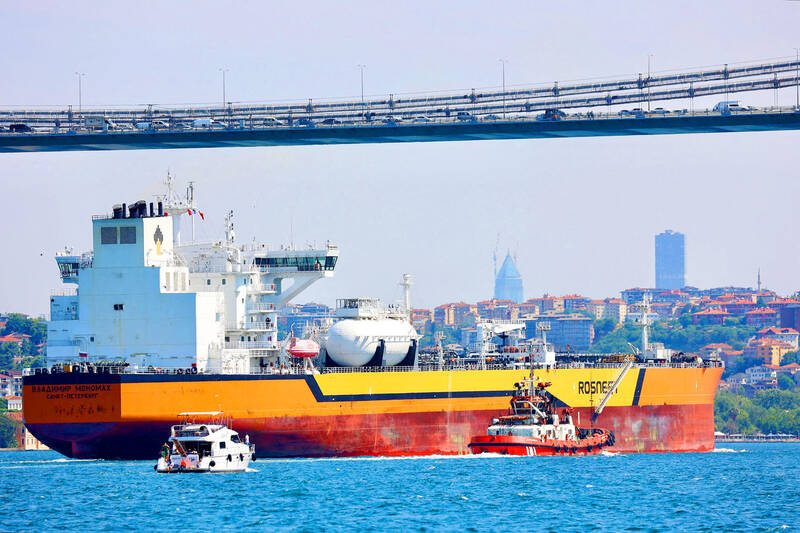
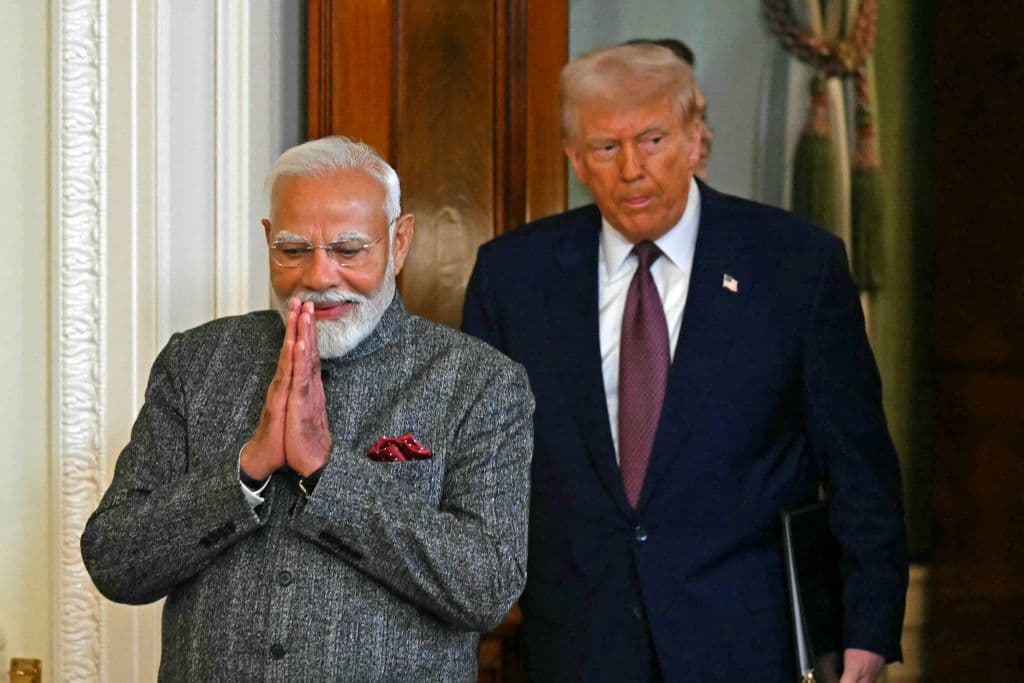
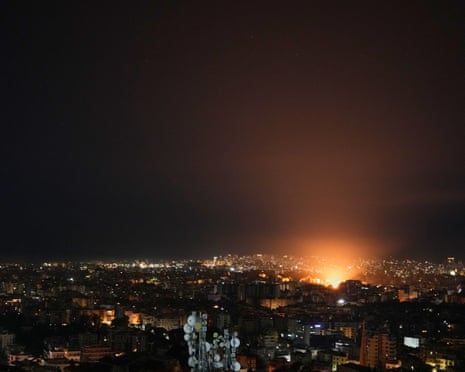
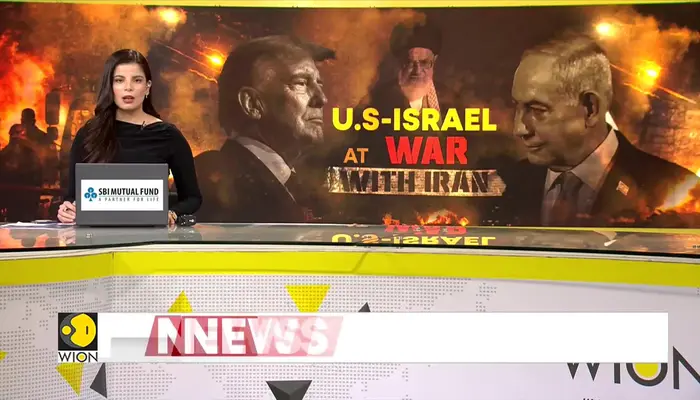
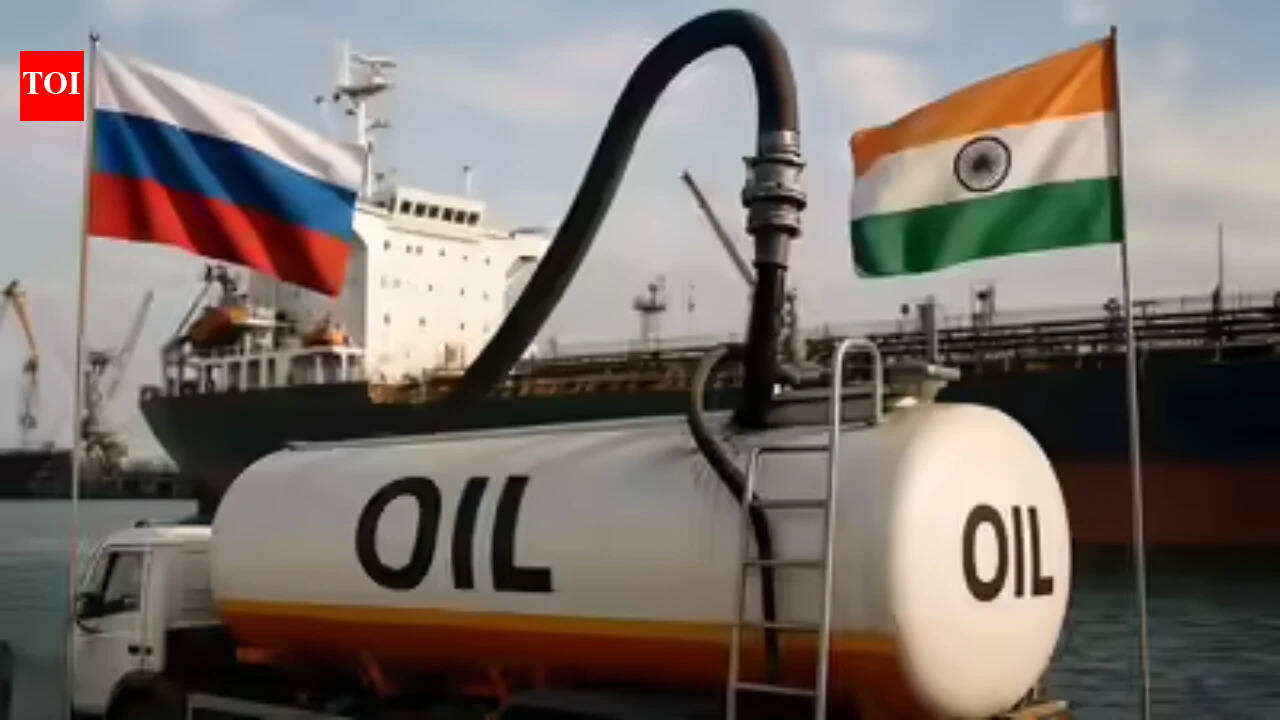
The US Treasury Department's March 5, 2026 decision to grant India a temporary 30-day waiver for Russian crude oil purchases (expiring April 4, 2026) represents a critical inflection point for cross-border e-commerce logistics costs. This geopolitical policy reversal, driven by the Iran-Israel conflict's near-total closure of the Strait of Hormuz (which handles 20% of global oil flows), has triggered unprecedented energy market volatility with direct operational consequences for sellers globally.
Energy Market Impact on Seller Operations: The news documents dramatic crude price movements—Brent crude surged from $73 to $89 per barrel (22% increase), West Texas Intermediate jumped 6.35% to $81.01 in a single day (largest gain since May 2020), and Russia's Urals blend jumped from below $40 in December to $70 currently. These price spikes directly translate to increased shipping costs. Sellers relying on air freight face 8-15% cost increases, while ocean freight through alternative routes (avoiding the Strait of Hormuz) experiences 12-18% premium pricing. For a seller shipping 500 units monthly via air freight at $8/unit, this represents an additional $400-600 monthly cost burden—directly compressing margins by 3-5% on products with 15-20% gross margins.
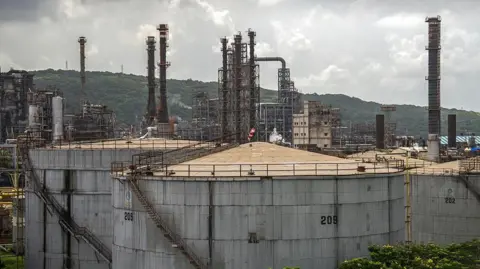
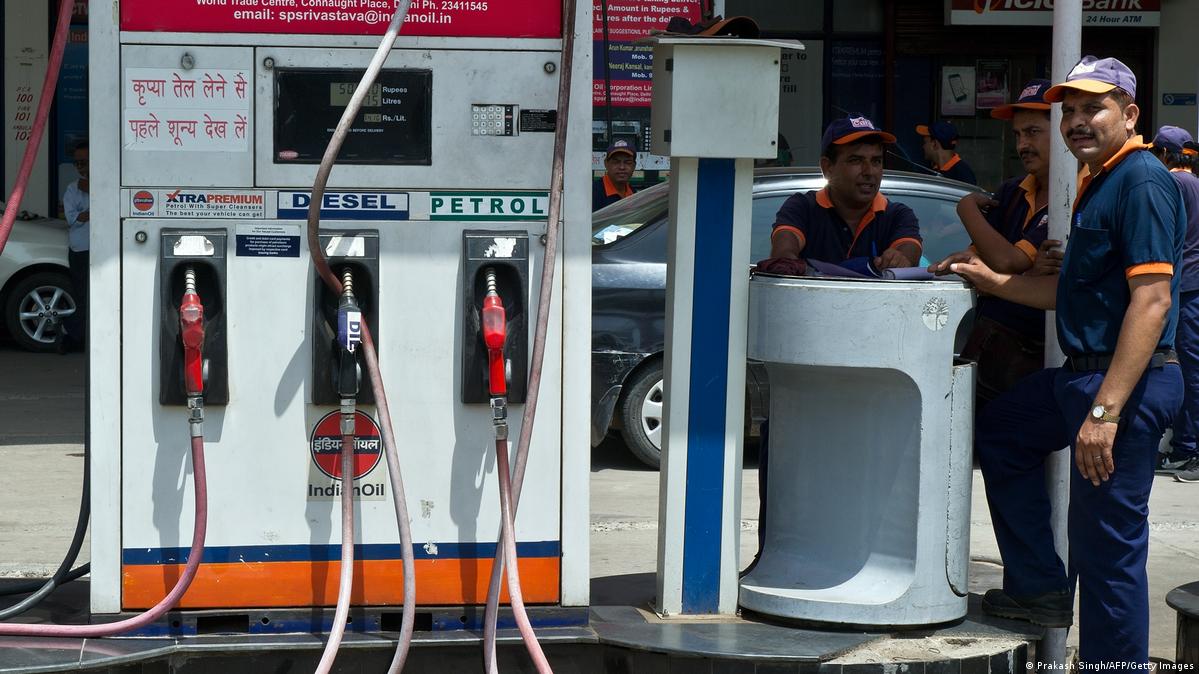
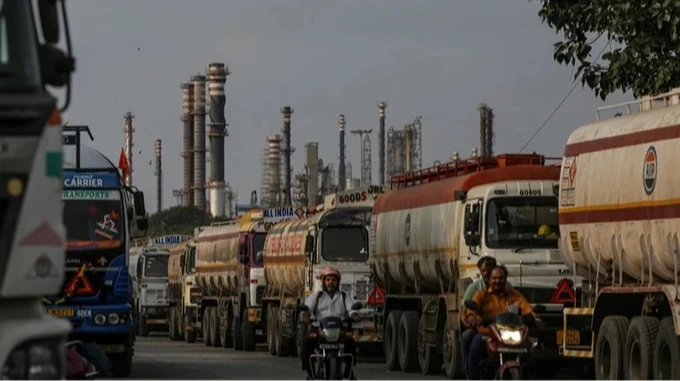
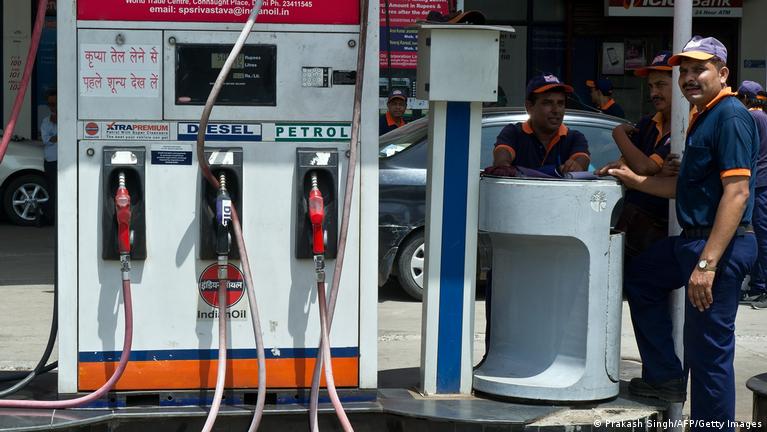
India Market Dynamics and Logistics Arbitrage: India, the world's third-largest crude importer and fourth-largest refiner, maintains 100 million barrels of reserves (45 days of demand). The waiver permits Indian refiners to purchase approximately 6-8 million barrels over the past 23 days, with Russian Deputy PM Novak indicating capacity to deliver 22 million barrels within one week. This creates a critical 30-day window (March 5-April 4) where Indian logistics costs may stabilize relative to other Asian markets. Sellers with inventory positioned in Indian 3PL facilities gain competitive advantage over those routing through Middle Eastern hubs. However, the temporary nature creates uncertainty—if Middle East conflict resolves quickly, oil prices could collapse to $65/barrel, reducing logistics costs but creating inventory valuation risks for sellers holding high-cost inventory.
Sanctions Precedent and Tariff Arbitrage Opportunities: The waiver signals US willingness to grant sector-specific exemptions when geopolitical circumstances warrant. This precedent affects tariff policy enforcement broadly. The revocation of 25% penalty tariffs previously imposed on Russian oil purchases (August 2025) demonstrates policy flexibility. Sellers should monitor whether similar temporary waivers emerge for other sanctioned goods or trade corridors. Russia's state oil revenues fell to a four-year low of 393 billion rubles ($5 billion) in January with record budget shortfalls of 1.7 trillion rubles, prompting increased taxation and borrowing—potentially affecting Russian e-commerce operations and cross-border trade dynamics with Russian sellers and suppliers.
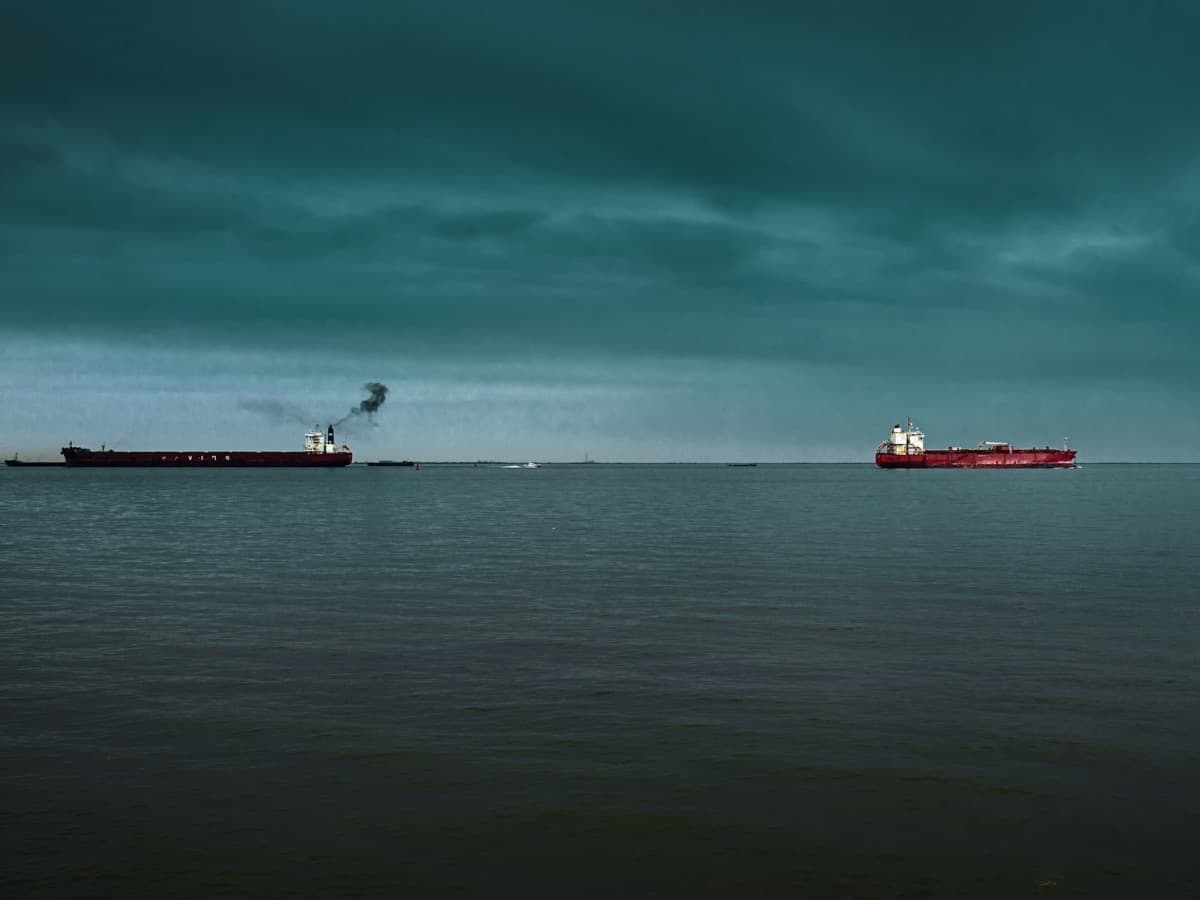
Strategic Sourcing Implications: The Strait of Hormuz closure forces alternative routing through longer maritime corridors (requiring 25-30% additional transit time) or air freight (at premium rates). Sellers sourcing from Vietnam, India, and Southeast Asia face 3-5 week delivery delays compared to normal 2-3 week cycles. This creates arbitrage opportunities for sellers with pre-positioned inventory in India and Southeast Asia, who can fulfill orders faster than competitors relying on Middle Eastern supply chains. The temporary waiver provides a 30-day window to optimize inventory positioning before potential policy reversal.
Questions 7
What compliance risks exist with the temporary waiver structure?
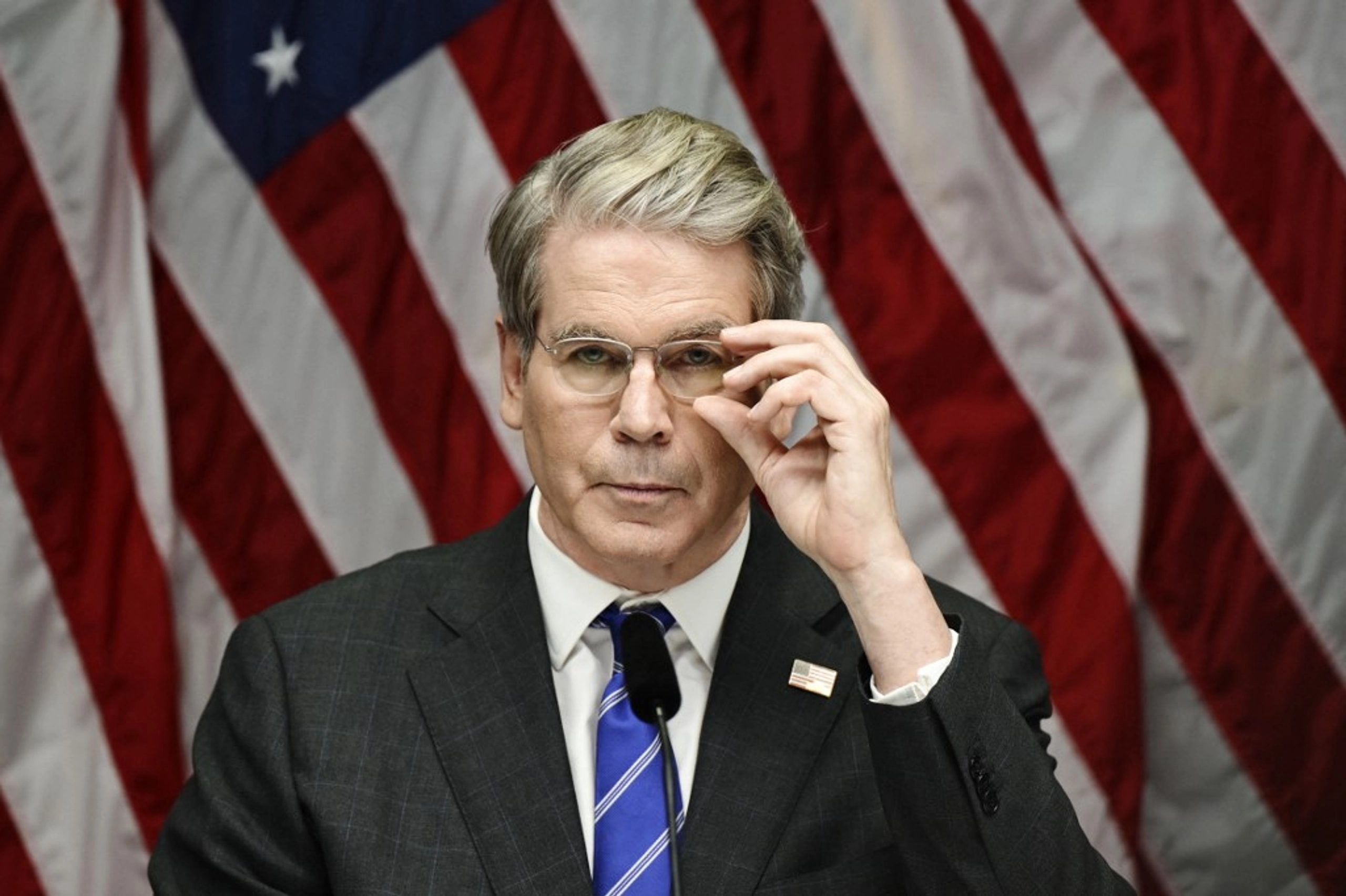
The waiver expires April 4, 2026 at 12:01 a.m. Washington time, creating a hard deadline for policy reversal. Treasury Secretary Bessent previously warned the US could reinstate tariffs if India resumed Russian oil purchases. Sellers with supply chains dependent on Indian logistics infrastructure should prepare contingency plans for April 5+ operations. The temporary nature suggests policy uncertainty—avoid long-term contracts with Indian 3PL providers beyond April 2026 without penalty clauses. Document all transactions before April 4 to ensure compliance if tariffs are reinstated. Monitor Treasury Department announcements weekly for waiver extension or termination signals.
How does the India-Russia oil deal affect my sourcing from Southeast Asia?
The Strait of Hormuz near-total closure forces alternative routing through longer maritime corridors (25-30% additional transit time) or premium air freight. Sellers sourcing from Vietnam, India, and Southeast Asia face 3-5 week delivery delays compared to normal 2-3 week cycles. This creates arbitrage opportunities for sellers with pre-positioned inventory in India and Southeast Asia, who can fulfill orders faster than competitors relying on Middle Eastern supply chains. Consider shifting 15-20% of sourcing to Vietnam/India suppliers with local inventory to offset routing delays and capture faster fulfillment windows.