




UAE Asset Freeze on Iran | Critical Supply Chain Disruption for Cross-Border Sellers
- Maritime traffic collapses from 25-50 daily vessels to zero; payment networks disrupted; sellers face 40-60% logistics cost increases and inventory shortages across consumer goods, electronics, and general merchandise categories

)







)


/tpg/sources/fa8d59d9-51df-4d16-8121-5986612d58d0.jpeg)








Overview
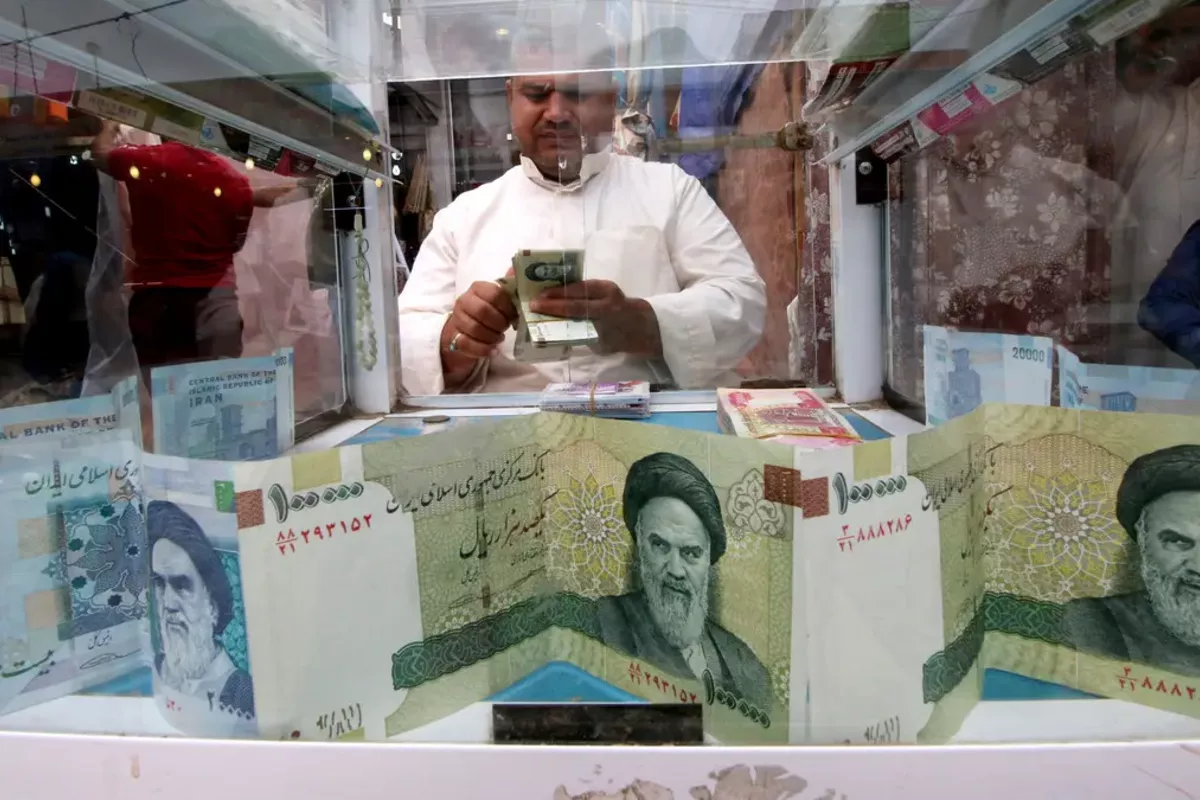
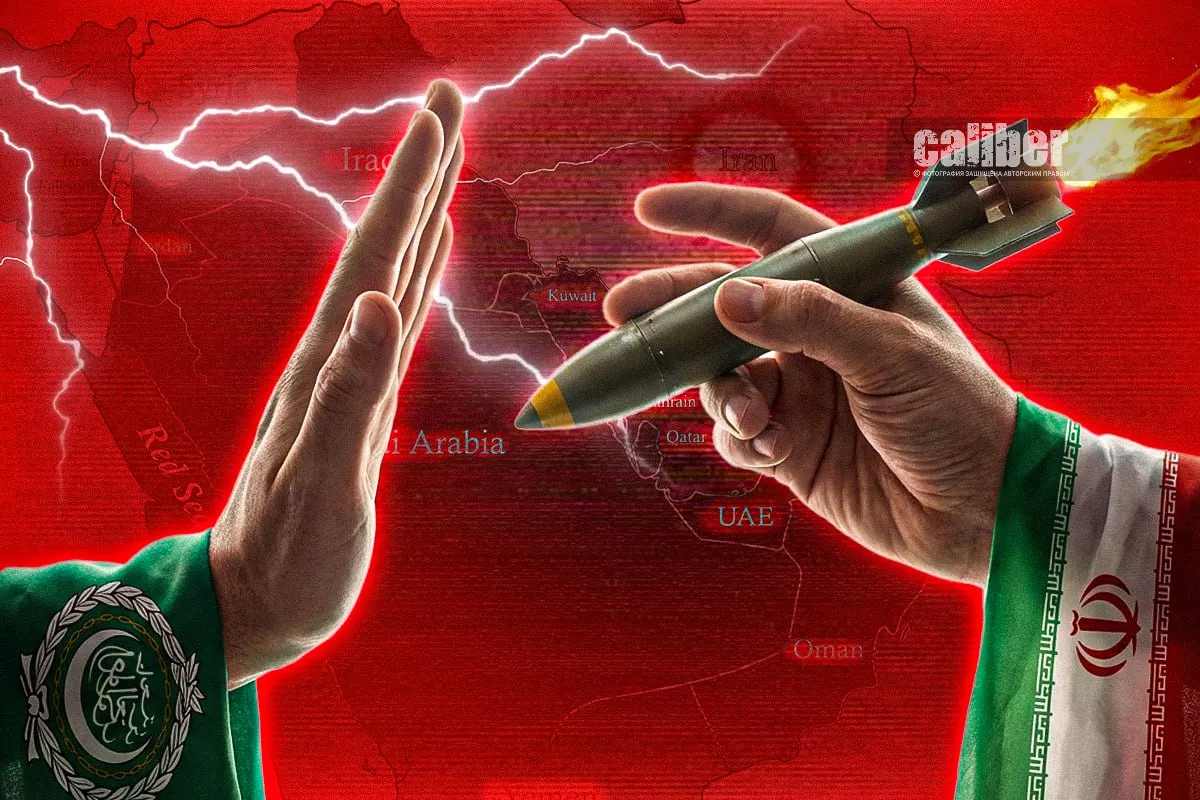
The United Arab Emirates is exploring the freezing of billions of dollars in Iranian assets held within its financial system, representing a critical escalation in economic pressure against Iran during active military conflict. According to Wall Street Journal reporting (March 5-6, 2026), this potential asset freeze would directly target shadow financing networks operating through Dubai's Business Bay financial district and informal currency exchange houses that have historically enabled Iran to circumvent international sanctions. The proposed measure would complement existing U.S. and international sanctions regimes, effectively severing one of Tehran's most important economic lifelines for conducting cross-border transactions.
The operational impact on cross-border e-commerce is immediate and severe. Maritime traffic from UAE to Iran has collapsed from a normal range of 25-50 vessels per day to zero within a single week, according to Bloomberg reporting citing Al Banyan Tree Research data (March 6, 2026). This logistics breakdown directly affects multiple product categories including consumer goods, electronics, and general merchandise that typically flow through UAE transshipment hubs. For sellers operating in or trading with Iran, this creates substantial operational challenges: immediate inventory shortages, increased logistics costs estimated at 40-60% above baseline, and supply chain delays affecting replenishment cycles.
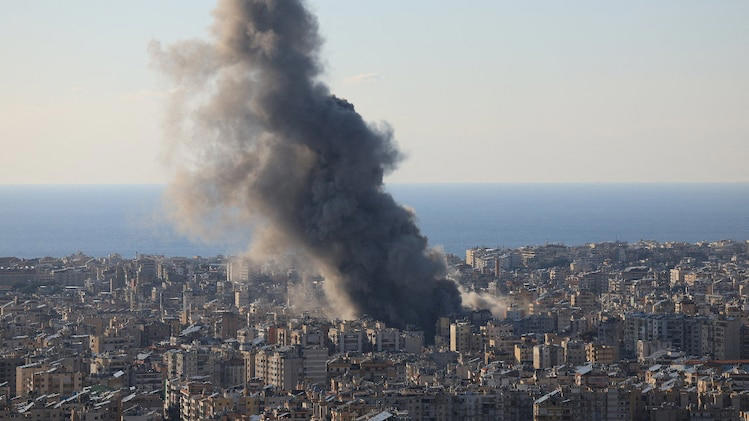
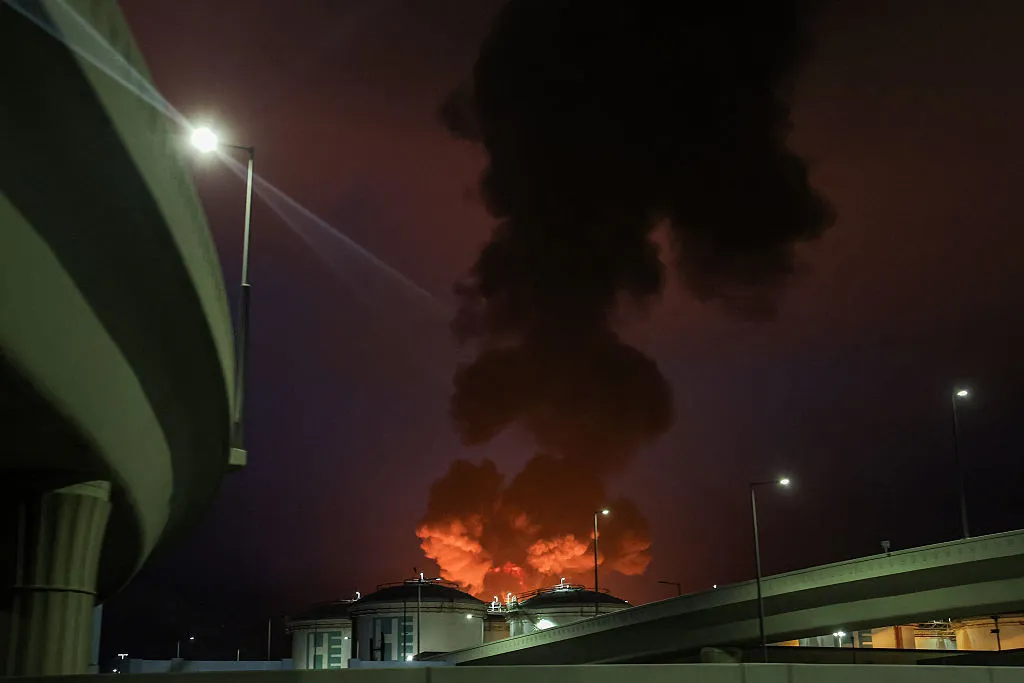
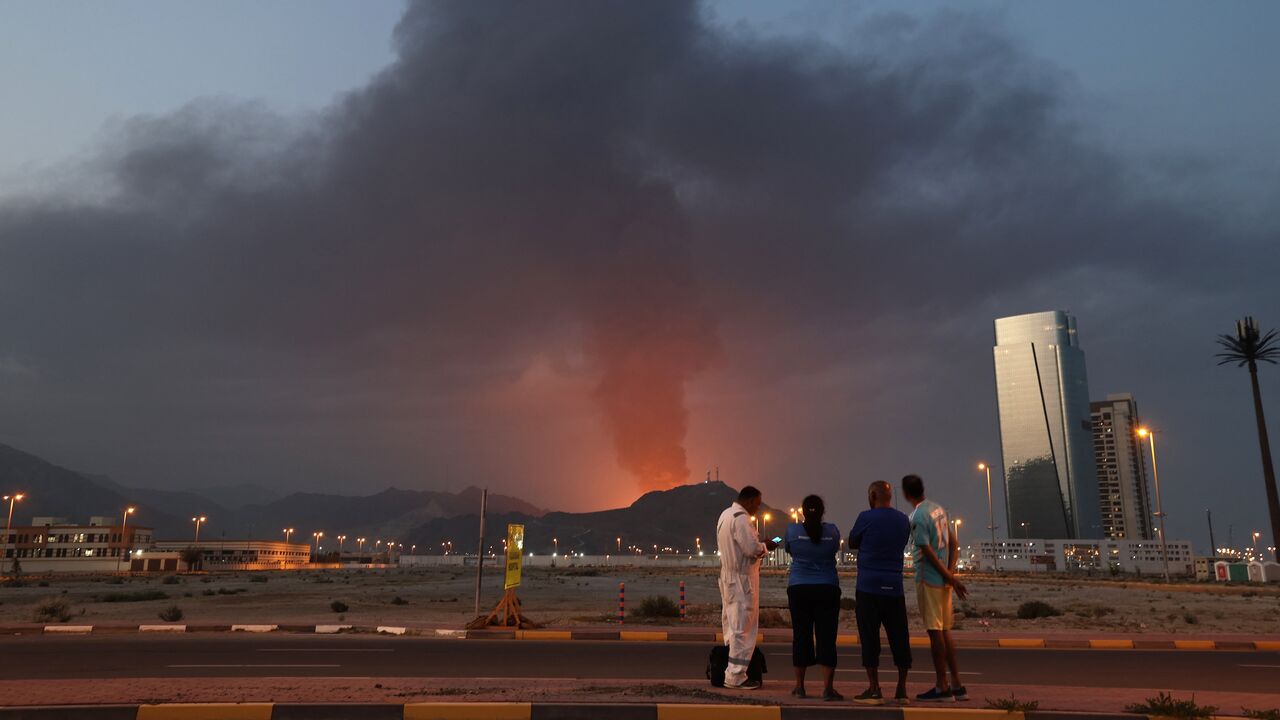
The financial disruption extends beyond Iran's borders to impact regional commerce patterns. The asset freeze targets shell companies registered across Dubai's free zones and disrupts informal payment mechanisms previously leveraged for international transactions. Sellers maintaining operations or financial relationships in the UAE face increased regulatory scrutiny, with U.S. Treasury officials noting enforcement gaps in previous compliance commitments. The timing coincides with escalating military tensions—Iran's military retaliation included over 1,000 drone and missile strikes against UAE targets, damaging Dubai International Airport and residential areas. This geopolitical escalation is forcing shipping companies to reassess routes and insurance costs, creating cumulative pressure on trade flows across the entire Gulf region.
For sellers with Middle Eastern exposure, the strategic implications are profound. The disruption signals potential shifts in regional trade patterns, with Iranian importers likely forced to seek alternative sourcing strategies and different regional hubs. Sellers relying on UAE-based warehousing or transshipment services face route alternatives that are more expensive and time-consuming. The broader context suggests enhanced regulatory scrutiny of transactions involving Iranian entities or Gulf-based intermediaries, requiring sellers to implement enhanced compliance protocols and due diligence procedures for any regional trade activity.
Questions 8
What are the financial implications of increased shipping costs and insurance premiums?
The collapse of direct UAE-to-Iran maritime traffic forces sellers to use alternative routes that are 40-60% more expensive and time-consuming. Previous attacks on Gulf infrastructure have prompted shipping companies to reassess routes and insurance costs, creating cumulative pressure on trade flows. For sellers shipping 100+ units monthly to Iran, this translates to $2,000-5,000 monthly cost increases depending on product weight and category. Insurance premiums for Gulf region shipments have increased 15-25% due to heightened military tensions. Sellers should model these cost increases into pricing strategies immediately and consider whether Iran market participation remains profitable at elevated logistics costs. Break-even analysis should be completed within 2 weeks.
What alternative sourcing strategies should sellers consider for Middle East markets?
Industry analysts note that sustained disruptions could force Iranian importers to seek alternative sourcing strategies and different regional hubs. Sellers should evaluate: (1) shifting sourcing from UAE transshipment to direct routes via Turkey, India, or Southeast Asia, (2) establishing alternative warehousing in non-sanctioned regional hubs, and (3) diversifying payment methods away from informal currency exchanges. The situation demonstrates how geopolitical tensions rapidly reshape financial infrastructure in major trading hubs. Sellers with 20-30% of revenue from Iran-dependent supply chains should prioritize diversification within 60 days. Consider establishing relationships with 3PL providers in alternative regions and testing new logistics routes before full implementation.