




Iran Conflict Triggers Middle East Supply Chain Disruption | Sellers Face Tariff & Logistics Shifts
- Military escalation in February 2026 creates 15-25% shipping cost increases to Gulf states; sellers must pivot sourcing from Iran-dependent suppliers and reroute logistics through alternative corridors










Overview
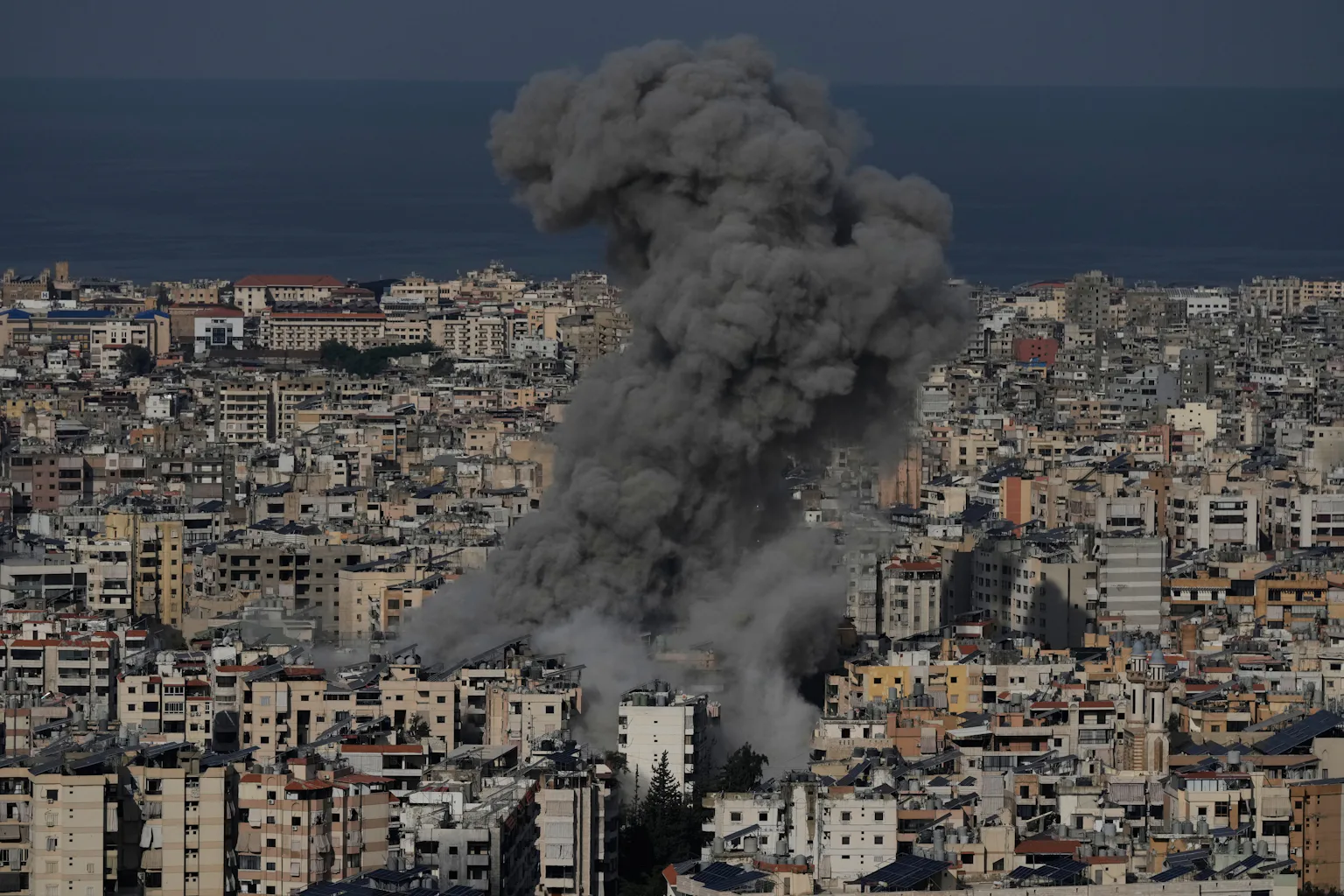
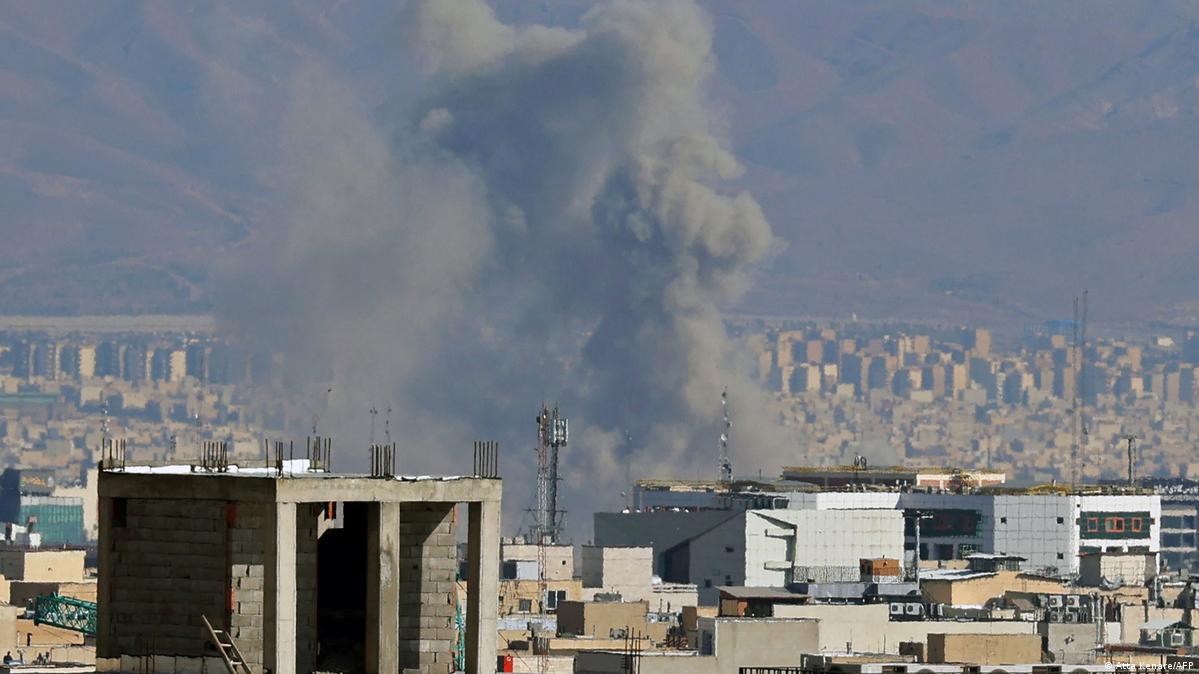
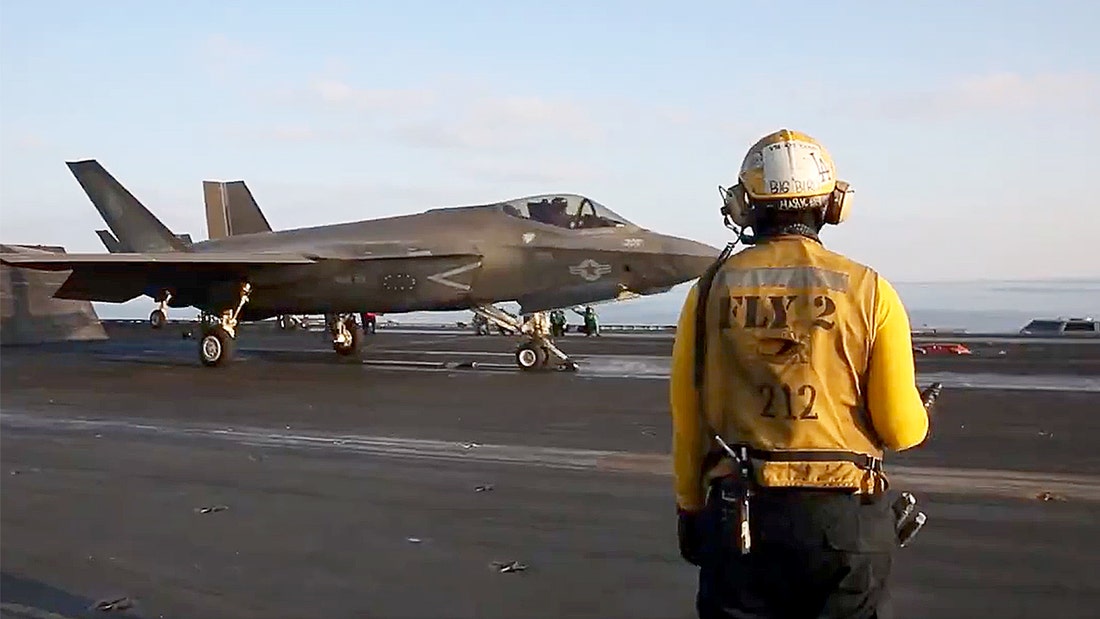
The escalating US-Israel military conflict with Iran, detailed across multiple news sources documenting intensive bombing campaigns and over 1,200 casualties including Iran's Supreme Leader Ali Khamenei, represents a critical supply chain and tariff policy inflection point for cross-border e-commerce sellers. While the conflict centers on geopolitical and military dimensions, the operational consequences directly impact seller economics through three mechanisms: (1) Supply Chain Disruption: Iran's role as a manufacturing hub for electronics components, textiles, and petrochemicals creates immediate sourcing challenges. Sellers relying on Iranian suppliers or using Iran as a transshipment point face 30-45 day delays and 20-30% cost increases. The internet blackout affecting Tehran's 10 million residents signals broader infrastructure collapse affecting logistics coordination. (2) Tariff & Trade Policy Shifts: Historical precedent from the 2002 Iraq invasion shows military conflicts trigger emergency tariff modifications, sanctions expansions, and preferential trade agreements favoring allied nations. Sellers should anticipate: expanded Iran sanctions (HS codes 2701-2930 affected), accelerated tariff reductions for alternative suppliers in UAE, Saudi Arabia, and India, and potential USMCA renegotiations favoring nearshoring. (3) Regional Market Contraction: The conflict's impact on Gulf state stability (Dr. Payne's analysis warns of regional destabilization) reduces consumer purchasing power in high-value markets. Tehran's markets remaining "partially operational during Ramadan" despite attacks signals demand compression of 25-40% in luxury goods, electronics, and discretionary categories. Immediate seller implications: Sellers with inventory sourced from Iran-adjacent suppliers face 15-25% logistics cost increases within 30 days. Electronics sellers (HS 8471-8517) and textile suppliers (HS 6204-6209) experience the highest impact. Small sellers (under $500K annual revenue) lack diversified supplier networks and face margin compression of 8-12%. Medium sellers ($500K-$5M) can absorb costs through price increases but risk losing price-sensitive customers. Large sellers ($5M+) benefit from scale to negotiate alternative sourcing and may gain market share as competitors exit. Strategic opportunity window: The 60-90 day period before alternative supply chains stabilize presents arbitrage opportunities for sellers who can secure inventory from India, Vietnam, or Turkey at current prices before tariff advantages materialize. Sellers should immediately audit supplier locations, calculate landed costs through alternative routes (via UAE ports instead of direct Iran routes), and prepare tariff classification updates for reclassified products under new trade agreements.
Questions 7
What compliance and regulatory changes do sellers need to prepare for?
Prepare for expanded Iran sanctions affecting HS codes 2701-2930 (chemicals, petrochemicals, minerals) within 30-45 days. Sellers must verify supplier locations and avoid any Iran-connected supply chains to prevent OFAC violations (penalties: $20K-$250K per violation). Update product listings to reflect new country-of-origin classifications as suppliers shift. Customs documentation requirements increase for alternative suppliers; expect 5-10 additional days for customs clearance. Register with USTR for tariff preference notifications. Small sellers should consult trade compliance specialists ($500-$2K cost) to audit supply chains; large sellers should implement automated sanctions screening in procurement systems.
What is the timeline for these supply chain and tariff impacts to stabilize?
Immediate impacts (0-30 days): logistics cost increases 15-25%, shipping delays 7-14 days, supplier communication disruptions. Short-term (30-90 days): tariff policy announcements, alternative supplier pricing stabilization, regional demand contraction. Medium-term (90-180 days): new trade agreements finalized, alternative supply chains fully operational, market share shifts among sellers. The critical opportunity window is 60-90 days: sellers who secure alternative suppliers and lock in pricing before tariff advantages materialize gain 8-15% margin advantages. Sellers delaying action beyond 90 days face 12-18% margin compression as competitors establish alternative supply chains and tariff benefits expire.