




Strait of Hormuz Closure Drives Oil to $81+ | Shipping Costs Surge 15-25% for Cross-Border Sellers
- Iran-Israel conflict disrupts 20% of global oil supply; diesel hits $4.16/gallon; sellers face margin compression in low-margin categories and extended delivery timelines







Overview
The Geopolitical Supply Chain Crisis: March 2026 Middle East Escalation Creates Immediate Logistics Cost Shock for E-Commerce Sellers
On March 5-6, 2026, escalating Iran-Israel military conflict triggered the most significant oil price spike in over a year, with crude oil surging 8.5% to $81.01 per barrel (WTI) and Brent crude climbing above $85 per barrel—the largest single-day jump since 2020. The de-facto closure of the Strait of Hormuz, a critical chokepoint controlling approximately one-fifth of global daily oil and liquefied natural gas supplies, trapped thousands of ships in the Persian Gulf. This geopolitical shock creates immediate operational challenges for cross-border e-commerce sellers across multiple dimensions.
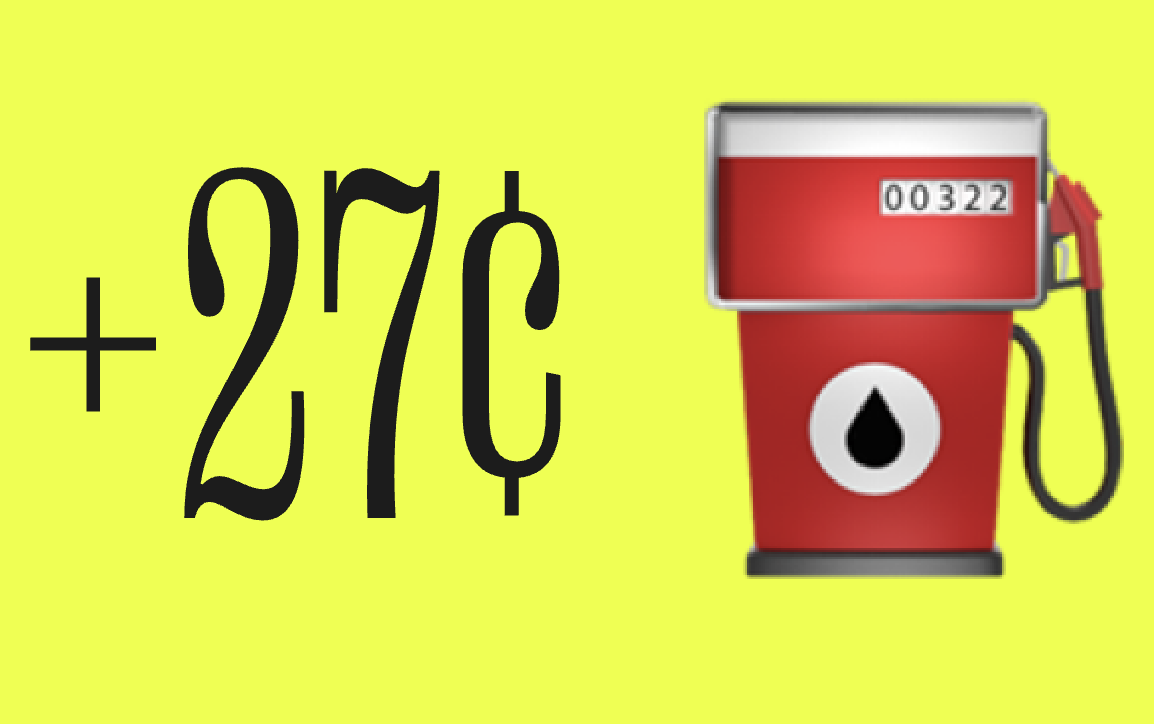
Direct Logistics Cost Impact: The energy price surge directly translates to increased shipping expenses. Diesel prices reached $4.16 per gallon (highest since 2023), while gasoline hit $3.25 per gallon (highest in 2026). For sellers relying on air freight and expedited logistics, cost pressures are most acute. Historical precedent shows that oil spikes above $80 per barrel correlate with 15-25% increases in air freight rates and 8-12% increases in ocean freight costs. Sellers shipping 1,000+ units monthly via FBA or 3PL providers should expect $200-400 monthly cost increases for standard shipments, with air freight premiums potentially doubling. Low-margin product categories (electronics, home goods, apparel with 10-20% margins) face severe margin compression, while higher-margin luxury goods and collectibles experience more manageable cost absorption.
Supply Chain Disruption & Inventory Risk: The Strait of Hormuz closure affects inventory sourcing timelines, particularly for sellers importing goods from Asia or exporting to Middle Eastern markets. Asian refiners scrambled to secure alternative energy supplies, signaling broader supply chain stress. Sellers relying on just-in-time inventory models face heightened risk of stockouts and delayed replenishment. The disruption is expected to persist until diplomatic resolution or alternative supply routes stabilize—typically 2-4 weeks based on historical precedent from similar geopolitical events. Sellers with inventory in transit through the Persian Gulf region should monitor shipment status closely and consider rerouting through alternative Suez Canal routes (adding 10-14 days transit time).
Currency Volatility & Pricing Strategy Challenges: Concurrent with oil price surges, the U.S. dollar index approached 100 as a safe-haven asset during geopolitical tensions. This strengthens the dollar against emerging market currencies (Indian rupee, Vietnamese dong, Chinese yuan), affecting sellers with international operations. International sellers pricing products in USD face reduced competitiveness in American markets, while sellers with foreign suppliers experience increased sourcing costs. Currency conversion fees and payment processing volatility add 1-3% to transaction costs. The Trump administration's draft regulations restricting AI chip shipments without American approval add regulatory uncertainty, particularly affecting sellers relying on AI-powered logistics, inventory management, or marketplace optimization tools.
Market Demand Contraction Risk: Energy-driven inflation concerns and market volatility (Dow down 1.6%, S&P 500 down 0.6%, Nasdaq down 0.3%) typically reduce consumer discretionary spending. Historical data shows that oil price spikes above $80 per barrel correlate with 5-8% reductions in discretionary product demand within 2-3 weeks. Sellers in non-essential categories (fashion, home décor, electronics accessories) should anticipate demand softening, while essential goods and consumables maintain more stable demand. U.S. Treasury yields rose above 4.1% for the fourth consecutive day, increasing borrowing costs for sellers seeking capital for inventory expansion or business growth—a critical concern for sellers planning Q2 inventory builds.
Questions 8
What is the impact of the strong US dollar on international sellers?
The strengthening US dollar (index near 100) reduces pricing competitiveness for international sellers in American markets while increasing sourcing costs from foreign suppliers. The news notes that 'the dollar's strengthening as a safe-haven asset during geopolitical tensions' affects currency conversion costs. International sellers face 1-3% additional transaction costs from currency conversion fees and payment processing volatility. Sellers with suppliers in Asia (India, Vietnam, China) experience increased sourcing costs as their local currencies weaken against the dollar. Review pricing strategies and consider hedging currency exposure through forward contracts or multi-currency pricing.
How will consumer demand change during this geopolitical crisis?
Energy-driven inflation and market volatility typically reduce consumer discretionary spending by 5-8% within 2-3 weeks when oil prices spike above $80 per barrel. The news reports that 'energy-driven inflation may pressure consumer spending and reduce demand for discretionary products.' Sellers in non-essential categories (fashion, home décor, electronics accessories) should anticipate demand softening, while essential goods and consumables maintain more stable demand. Monitor your category's sales velocity and adjust inventory builds accordingly. Consider shifting marketing spend toward essential products and value-oriented offerings during this period.