

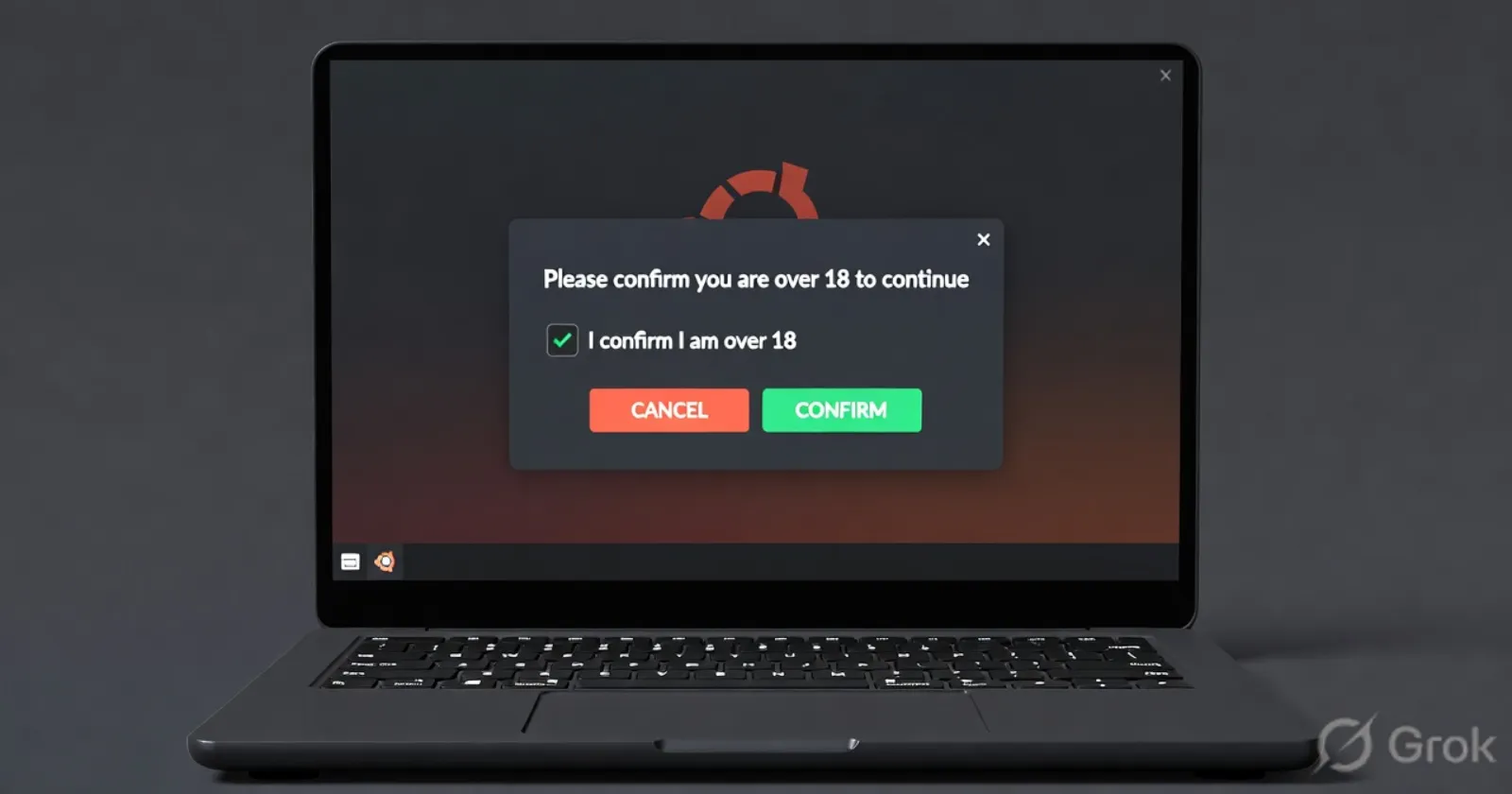


OS-Level Age Verification Compliance | $7,500 Penalties & January 2027 Deadline Create Seller Liability Exposure
- California AB 1043 mandates age-verification APIs by January 1, 2027; penalties reach $7,500 per intentional violation affecting 32.5M smartphone users; Colorado and New York expand requirements to all internet-connected devices including smartwatches and vehicles

















Overview
California's Digital Age Assurance Act (AB 1043), signed into law in October 2025, creates a critical compliance deadline for all software developers and device manufacturers selling to the state's 32.5 million smartphone users. The legislation mandates operating system providers implement age-verification APIs by January 1, 2027, requiring users to select from four age brackets during account setup. Non-compliance penalties are severe: $2,500 per affected child for negligent violations and $7,500 for intentional breaches, creating potential billion-dollar liability exposure for major tech firms. The vague enforcement language in Section 1798.503 defines violations as civil actions against "a person," creating ambiguous liability for developers without clear compliance standards—particularly threatening open-source software developers who face no exemptions under the bill.
The compliance burden extends across three states with escalating requirements. California's approach requires self-reported age data accessible to application stores and developers for content filtering. Colorado's Senate Bill 26-051 mirrors California's framework with January 2027 implementation. New York's proposed Senate Bill S8102 presents more severe requirements, explicitly forbidding self-reporting and mandating adults provide private information to third parties merely to use internet-connected devices—potentially classifying Linux distribution maintainers as device manufacturers responsible for compliance. This regulatory cascade creates the "California effect," where rules adopted in America's largest technology market become national standards, similar to how the California Consumer Privacy Act reshaped nationwide privacy practices.
The legislation's technical implementation presents substantial practical challenges with minimal actual protection. The bill relies entirely on self-reported user data during account creation—essentially replicating ineffective age-verification dropdown boxes used since the 1990s. No verification mechanism exists; a nine-year-old could claim to be 35, and shared family computer accounts create enforcement ambiguities. Industry experts note the law creates substantial compliance burdens while providing minimal actual protection. The United Kingdom's Online Safety Act triggered a 1,400 percent surge in VPN usage post-implementation, demonstrating users easily circumvent age restrictions through virtual machines, OS reinstallation, or VPN usage. Governor Newsom acknowledged these concerns in his signing statement, expressing hope the bill would be amended due to implementation difficulties and unintended consequences. The January 2027 deadline approaches with significant uncertainty regarding technical specifications and enforcement priorities, leaving developers and platform operators scrambling to understand compliance requirements while facing potential civil liability for non-compliance.
Questions 8
How do Colorado and New York age-verification laws differ from California's approach?
Colorado's Senate Bill 26-051 mirrors California's framework requiring self-reported age attestation during account creation, also with January 2027 implementation. New York's proposed Senate Bill S8102 presents more severe requirements, explicitly forbidding self-reporting and mandating adults provide private information to third parties merely to use internet-connected devices—including computers, smartwatches, and connected vehicles. Under New York's language, Linux distribution maintainers could technically be classified as device manufacturers responsible for age verification compliance, creating ambiguous liability frameworks for open-source software distributors. This regulatory cascade demonstrates the 'California effect,' where rules adopted in America's largest technology market become national standards.
What are the practical limitations and enforcement challenges of age-verification laws?
The legislation relies entirely on self-reported user data during account creation—essentially replicating ineffective age-verification dropdown boxes used since the 1990s. No verification mechanism exists; a nine-year-old could claim to be 35. Determined minors can easily bypass restrictions using VPNs, falsifying age information, or accessing family devices. The United Kingdom's Online Safety Act triggered a 1,400 percent surge in VPN usage post-implementation, demonstrating widespread circumvention. Shared devices (family tablets, household computers, passed smartphones) cannot be accurately represented by single age classifications, creating inevitable errors affecting both children and adults. Industry experts note the law creates substantial compliance burdens while providing minimal actual protection, essentially forcing developers to implement theater-like security measures.