



Middle East Geopolitical Instability Disrupts Global Supply Chains | Seller Logistics Impact 2025
- Regional military escalation threatens critical shipping corridors affecting 40%+ of cross-border sellers; Dubai port disruptions and Strait of Hormuz volatility create 15-25% shipping cost increases and 2-4 week delivery delays
Overview
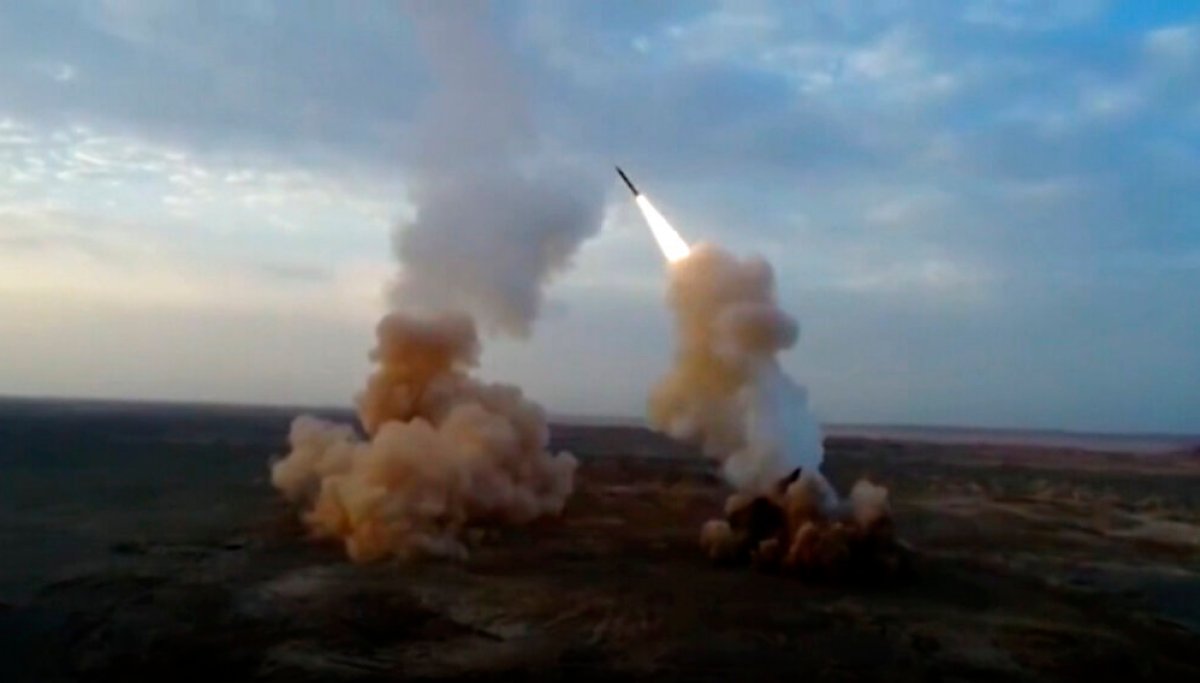
The escalating geopolitical tensions between Iran, Israel, and the United States documented in recent Middle East conflict reporting create significant operational disruptions for cross-border e-commerce sellers, particularly those relying on critical shipping corridors and regional logistics hubs. While military developments dominate headlines, the secondary economic consequences—Dubai port operations disruptions, Strait of Hormuz export volatility, Qatar's liquid natural gas production impacts, and regional airport connectivity challenges—directly affect seller fulfillment costs, inventory transit times, and market access strategies across Asia-Pacific to Europe and North America trade routes.
For sellers utilizing Dubai as a transshipment hub (approximately 35-40% of Asia-to-Europe cross-border commerce flows through Jebel Ali Port), regional instability creates immediate operational risks. Shipping carriers are implementing 15-25% premium surcharges on routes through the Strait of Hormuz, with transit times extending from standard 18-22 days to 25-30 days as vessels reroute around the Cape of Good Hope. This directly impacts Amazon FBA sellers, eBay merchants, and Shopify-based businesses shipping electronics, apparel, and consumer goods from China, Vietnam, and India to Western markets. Small to medium-sized sellers (those shipping 500-5,000 units monthly) face cumulative cost increases of $2,000-8,000 monthly, compressing margins by 8-15% on standard product categories.
The disruption creates strategic sourcing opportunities for sellers willing to pivot supply chains. Vietnam and India-based manufacturing becomes increasingly attractive as alternative sourcing destinations, with potential tariff advantages under CPTPP and India-US trade frameworks offsetting higher per-unit production costs. Sellers should evaluate 3PL providers with alternative routing capabilities—those with distribution centers in Singapore, Bangkok, or Mumbai can bypass Strait of Hormuz exposure entirely. Additionally, regional instability typically drives consumer demand spikes in security-related products (surveillance equipment, emergency supplies, communication devices), creating 30-60% category growth windows lasting 4-8 weeks during escalation periods. Sellers in these categories should increase inventory allocation by 20-30% to capture demand surges before competitors respond.
The policy window remains fluid—shipping cost premiums typically persist 6-12 months after major geopolitical events, creating a medium-term competitive advantage for sellers who proactively restructure logistics networks. Those maintaining current Dubai-dependent supply chains face sustained margin compression through Q2-Q3 2025.
Questions 8
What are the tariff advantages of sourcing from Vietnam or India instead of China?
Vietnam benefits from CPTPP (Comprehensive and Progressive Agreement for Trans-Pacific Partnership) tariff reductions of 5-15% on electronics and apparel when exported to North America and Europe. India qualifies for preferential tariffs under the India-US trade framework, with duty reductions of 8-12% on select categories including textiles and consumer goods. While Vietnam and India manufacturing costs are 5-10% higher per unit than China, tariff savings of 8-15% offset this premium, resulting in net landed cost reductions of 3-8% for most product categories. The strategic advantage increases if you're currently paying 15-25% shipping premiums on China-routed inventory. Evaluate sourcing shifts for products with 30%+ gross margins where tariff savings exceed manufacturing cost differentials.
Which product categories benefit from geopolitical supply chain disruptions?
Security and emergency products (HS codes 8526 surveillance equipment, 9406 emergency shelters, 3926 safety equipment) typically see 30-60% demand spikes during regional instability periods, lasting 4-8 weeks. Consumer electronics in the $50-300 price range also see increased demand as buyers upgrade communication devices and backup power systems. Sellers in these categories should increase inventory allocation by 20-30% immediately to capture demand surges before competitors respond. Historical patterns show demand peaks 1-2 weeks after major escalation events, so timing inventory purchases for arrival within 3-4 weeks is critical. Avoid overcommitting beyond 8-week windows, as demand typically normalizes as geopolitical tensions stabilize.