




Geopolitical Volatility Reshapes E-Commerce Logistics | Tariff Uncertainty & Shipping Cost Surge
- Oil prices exceed $80/barrel amid Iran-Israel conflict; Trump tariff challenges create 30-60 day policy uncertainty window for cross-border sellers



Overview
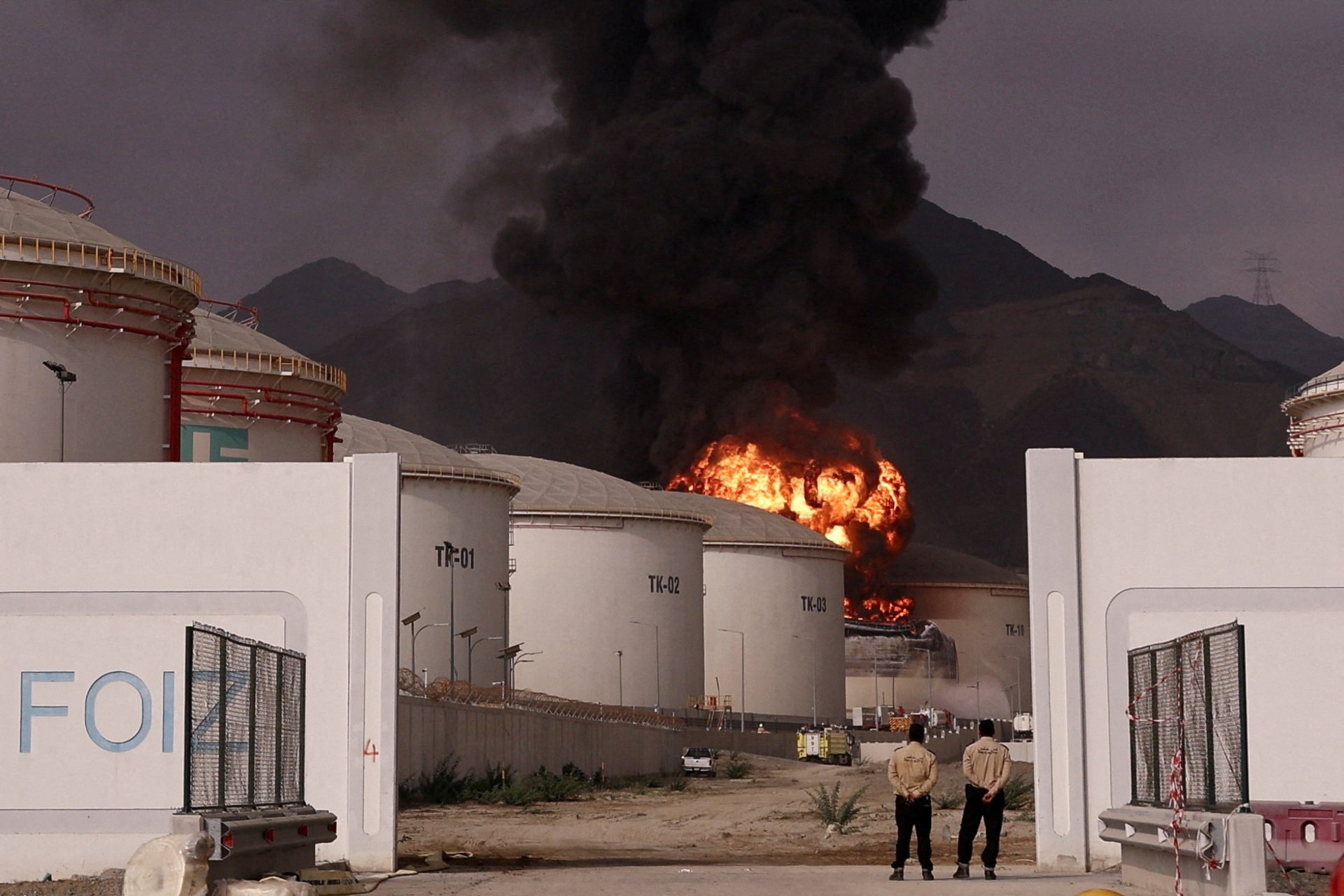
The Iran-Israel conflict entering its seventh day has triggered crude oil prices surging above $80 per barrel, creating immediate supply chain volatility for cross-border e-commerce sellers. This geopolitical escalation intersects with Trump's tariff regime facing legal challenges from New York Attorney General Letitia James and 23 state prosecutors following a Supreme Court decision—creating a dual-pressure environment on logistics costs and import duties. For e-commerce sellers, this represents a critical 30-60 day policy uncertainty window where tariff rates remain contested while fuel surcharges on international shipping are already materializing.
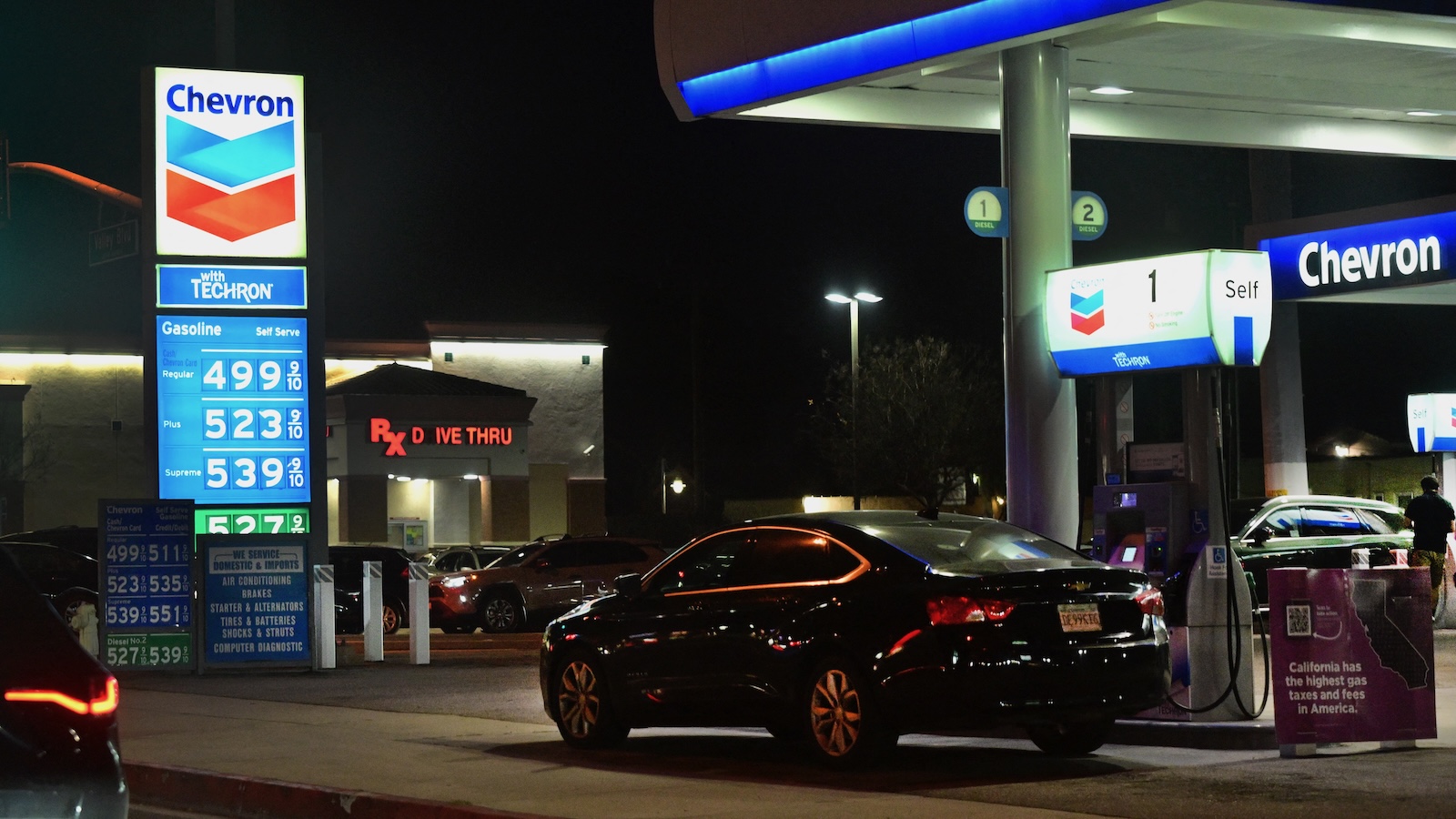
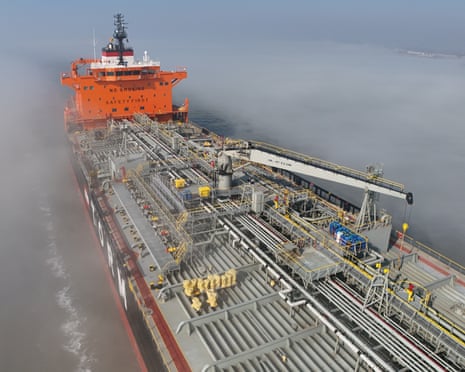
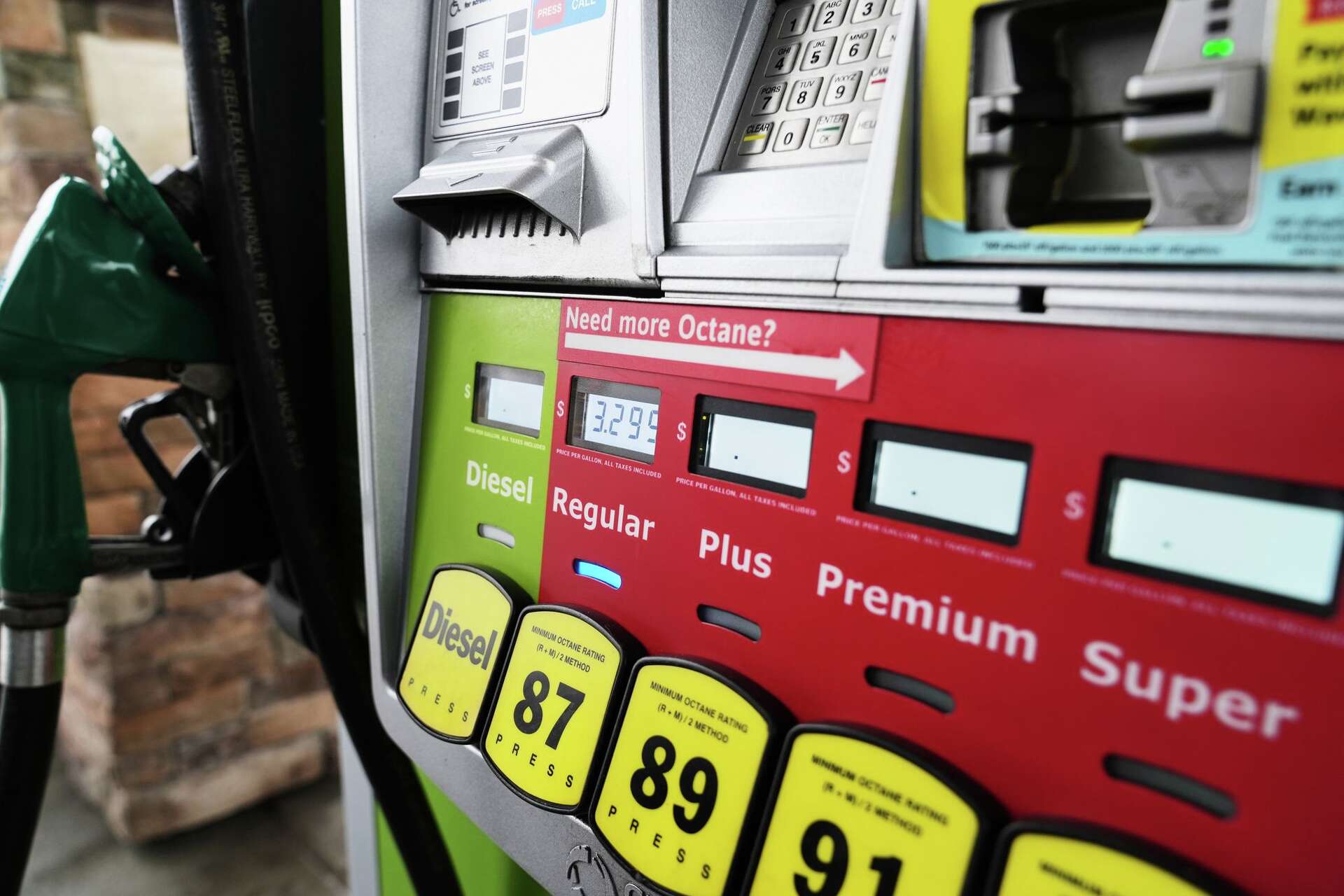
Immediate Logistics Impact: Crude oil volatility directly translates to carrier fuel surcharges on FedEx, UPS, and DHL international shipments. Sellers shipping from Asia to North America typically face 3-5% fuel surcharges at $70-75/barrel; at $80+, expect 5-8% surcharge increases. For a seller shipping 500 units monthly from China to US (average 2kg per unit), this represents $150-300 additional monthly logistics costs. Air freight from Southeast Asia to US West Coast has already increased 12-15% week-over-week, making ocean freight (currently 6-8 week transit) more attractive despite longer lead times.
Tariff Uncertainty Premium: The Supreme Court decision enabling state-level tariff challenges creates a 30-60 day policy window where tariff rates on key categories remain contested. Electronics (HS 8471-8517), apparel (HS 6204-6209), and footwear (HS 6401-6406) face potential retroactive duty adjustments. Smart sellers are front-loading inventory before potential tariff increases take effect, creating temporary demand surge for 3PL warehouse space. This is particularly acute for sellers with inventory in bonded warehouses awaiting tariff clarity—storage costs are rising 8-12% as facilities reach capacity.
Dubai Market Disruption: The article notes wealthy individuals relocating from Dubai due to security concerns following projectile strikes on civilian infrastructure. This signals potential disruption to the luxury goods e-commerce corridor serving Gulf Cooperation Council (GCC) markets. Sellers specializing in luxury apparel, watches, and accessories targeting UAE/Saudi Arabia should anticipate 15-25% demand volatility over the next 60 days as high-net-worth consumers reassess regional purchasing patterns. Conversely, this creates opportunity for sellers to capture displaced demand through targeted advertising in alternative Gulf markets (Bahrain, Oman, Qatar).
Strategic Sourcing Shift Signal: The geopolitical instability reinforces the "China-plus-one" sourcing strategy. Sellers currently dependent on single-source manufacturing from China are accelerating Vietnam, India, and Indonesia sourcing diversification. This creates 4-6 week transition periods where sellers must absorb higher per-unit costs (typically 8-15% premium) while establishing new supplier relationships. Medium-sized sellers (annual revenue $2-10M) are most vulnerable to this transition cost burden.
Questions 8
How long will this policy uncertainty window last?
The 30-60 day window represents the typical timeframe for state-level tariff challenges to be resolved through Supreme Court proceedings or legislative action. During this period, tariff rates on contested categories remain in flux. After 60 days, expect either tariff rate finalization or a new policy framework. Sellers should use this window to: (1) accelerate inventory imports before rates increase, (2) lock in shipping contracts before fuel surcharges stabilize, (3) diversify sourcing to reduce single-country tariff exposure. Set calendar reminders for day 45 and day 60 to reassess tariff status and adjust procurement accordingly.
What is the impact on 3PL warehouse capacity and storage costs?
The article's tariff uncertainty is driving sellers to front-load inventory, creating temporary demand surge for 3PL warehouse space. Storage costs are rising 8-12% as facilities reach capacity constraints. If you use 3PL services, expect rate increases on renewal or renegotiation. Sellers with 30-60 day inventory in bonded warehouses face particular pressure as they wait for tariff clarity. Contact your 3PL provider immediately to lock in current rates for the next 90 days. Consider temporary overflow storage solutions (public warehouses) if your primary 3PL cannot accommodate surge inventory. Budget 10-15% higher storage costs through Q1 2025.