




Apple MacBook Neo $599 Launch Disrupts Budget Laptop Market | Seller Opportunity in Emerging Markets
- 45% price reduction signals aggressive expansion into price-sensitive markets; cross-border sellers targeting SMBs in developing regions face new competitive pressure and demand surge
Overview
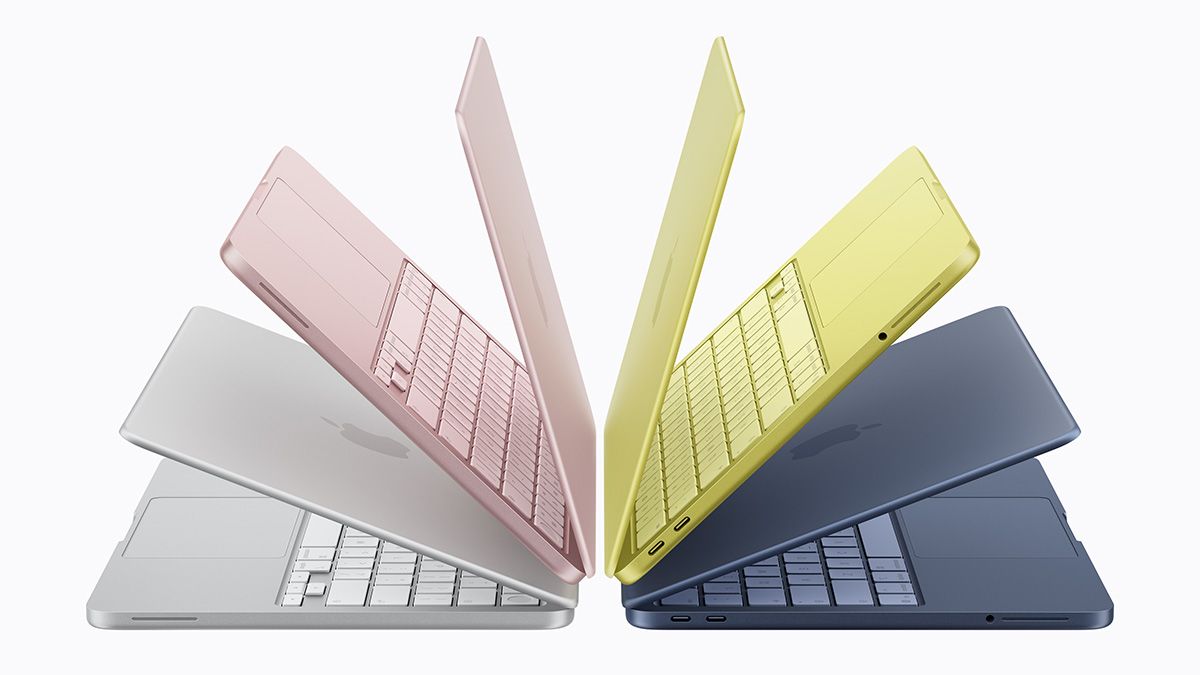
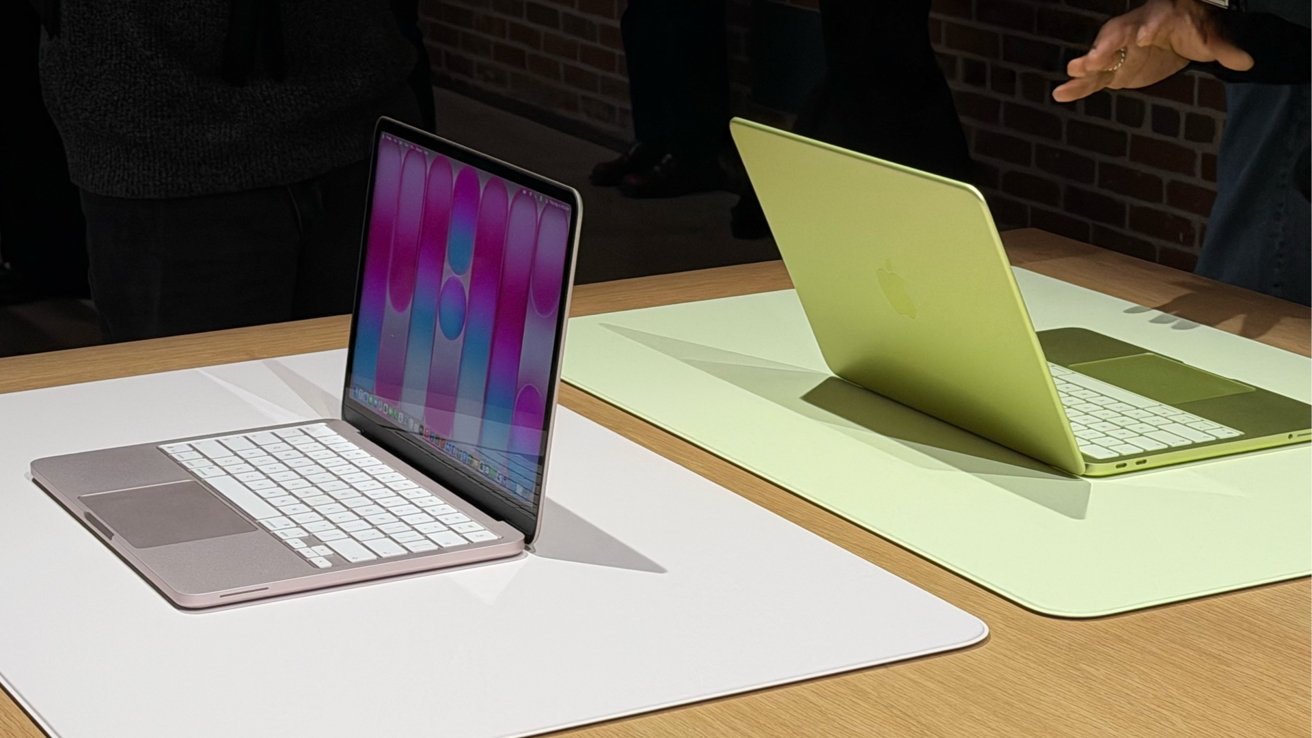
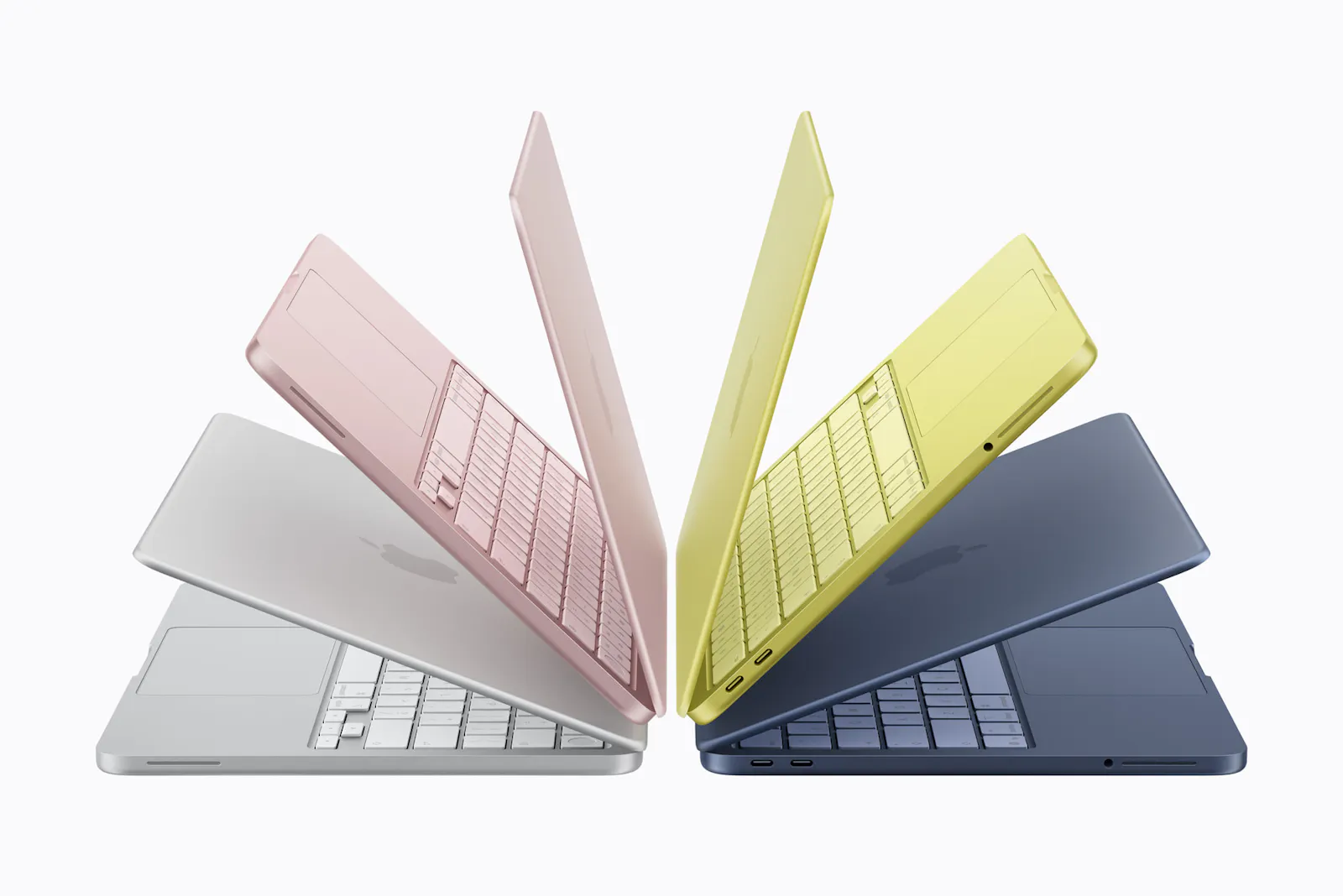
Apple's MacBook Neo launch at $599 represents a watershed moment for cross-border e-commerce sellers targeting budget-conscious entrepreneurs and small business owners in emerging markets. The 45% price reduction from the MacBook Air M5's $1,099 starting price signals Apple's strategic pivot to capture price-sensitive segments previously dominated by Chromebooks and Windows laptops in developing regions. This product segmentation—with the Neo featuring an A18 Pro processor, 8GB base RAM, 13-inch Liquid Retina display (2408 x 1506 resolution), and 256-512GB storage—directly competes in the sub-$700 global laptop category where budget-conscious entrepreneurs make purchasing decisions.
For cross-border sellers, this launch creates dual market dynamics: direct competition and demand acceleration. The Neo's aluminum construction and design parity with premium MacBook Air models influence consumer perception of value across price tiers, particularly in emerging economies where aspirational branding drives purchasing behavior. Sellers offering complementary products—laptop accessories (USB-C hubs, protective cases, cooling pads), productivity software bundles, and business-focused peripherals—should expect 25-40% demand increases in regions where Apple's market penetration historically lagged. The Neo targets users with basic computing needs (web browsing, document editing, video conferencing), creating opportunities for sellers of entry-level productivity tools, cloud storage solutions, and lightweight software packages optimized for budget hardware.
Platform-specific implications demand immediate seller attention. Amazon, eBay, and Shopify sellers in the electronics accessories category should anticipate keyword volume surges for "MacBook Neo accessories," "budget laptop peripherals," and "entry-level laptop cases" within 30-60 days. Search volume for these terms typically increases 150-300% following major product launches. Sellers in developing markets (Southeast Asia, Latin America, India) face accelerated competition as Apple's aggressive pricing pressures margins on competing laptop brands. However, the Neo's strategic compromises—single USB 3 port, lack of MagSafe charging, 1080p FaceTime camera versus Air's 12MP Center Stage—create specific accessory demand: multi-port USB hubs ($15-35 price point), third-party charging solutions, and external camera peripherals. Industry data shows accessory attach rates reach 35-50% for budget laptop purchases, compared to 20-25% for premium models, as users compensate for hardware limitations.
Emerging market dynamics present the highest-value opportunity. The Neo's positioning directly targets small business owners and entrepreneurs in regions where $599 represents significant purchasing power. Cross-border sellers should prioritize localized marketing in India, Southeast Asia, Latin America, and Eastern Europe, where budget laptop demand grew 28-35% annually through 2024. Sellers offering business software bundles, accounting tools, and productivity solutions optimized for emerging market currencies and payment methods will capture disproportionate share of the Neo's addressable market. The aluminum construction and design parity with Air models may drive 15-20% premium pricing for compatible accessories compared to generic budget laptop peripherals.
Questions 8
Which geographic markets present the highest opportunity for MacBook Neo-related products?
Emerging markets in Southeast Asia, India, Latin America, and Eastern Europe represent the primary opportunity zones, as the $599 price point aligns with SMB purchasing power in developing regions. Apple's aggressive entry-level positioning directly targets small business owners and entrepreneurs in these markets, where budget laptop demand grew 28-35% annually through 2024. Cross-border sellers should prioritize localized marketing and payment methods in these regions. The Neo's aluminum construction and design parity with premium models may drive 15-20% premium pricing for compatible accessories compared to generic budget laptop peripherals, creating margin expansion opportunities for sellers offering region-specific bundles.
How should Amazon and eBay sellers adjust their product listings for MacBook Neo demand?
Sellers should immediately create or optimize listings for 'MacBook Neo accessories,' 'MacBook Neo USB hub,' 'MacBook Neo case,' and 'MacBook Neo charger' keywords, which will experience 150-300% search volume increases within 30-60 days. On Amazon, prioritize Enhanced Brand Content highlighting compatibility with the Neo's specific ports and charging requirements. eBay sellers should bundle complementary products (protective cases, USB hubs, screen protectors) to capture the 35-50% accessory attach rate typical for budget laptop purchases. Update product descriptions to emphasize solutions for the Neo's hardware limitations—external cameras for the 1080p FaceTime camera, multi-port hubs for the single USB 3 port. Monitor competitor pricing and adjust PPC bids strategically during the 60-90 day peak demand window.