
K-Beauty Viral Trend Reshapes Global Skincare Market | Seller Opportunity Analysis
- K-beauty market explosive growth driven by "glass skin" trend; sellers targeting humid climates can capture 30-40% higher margins with simplified routines vs. 10-step regimens
Overview
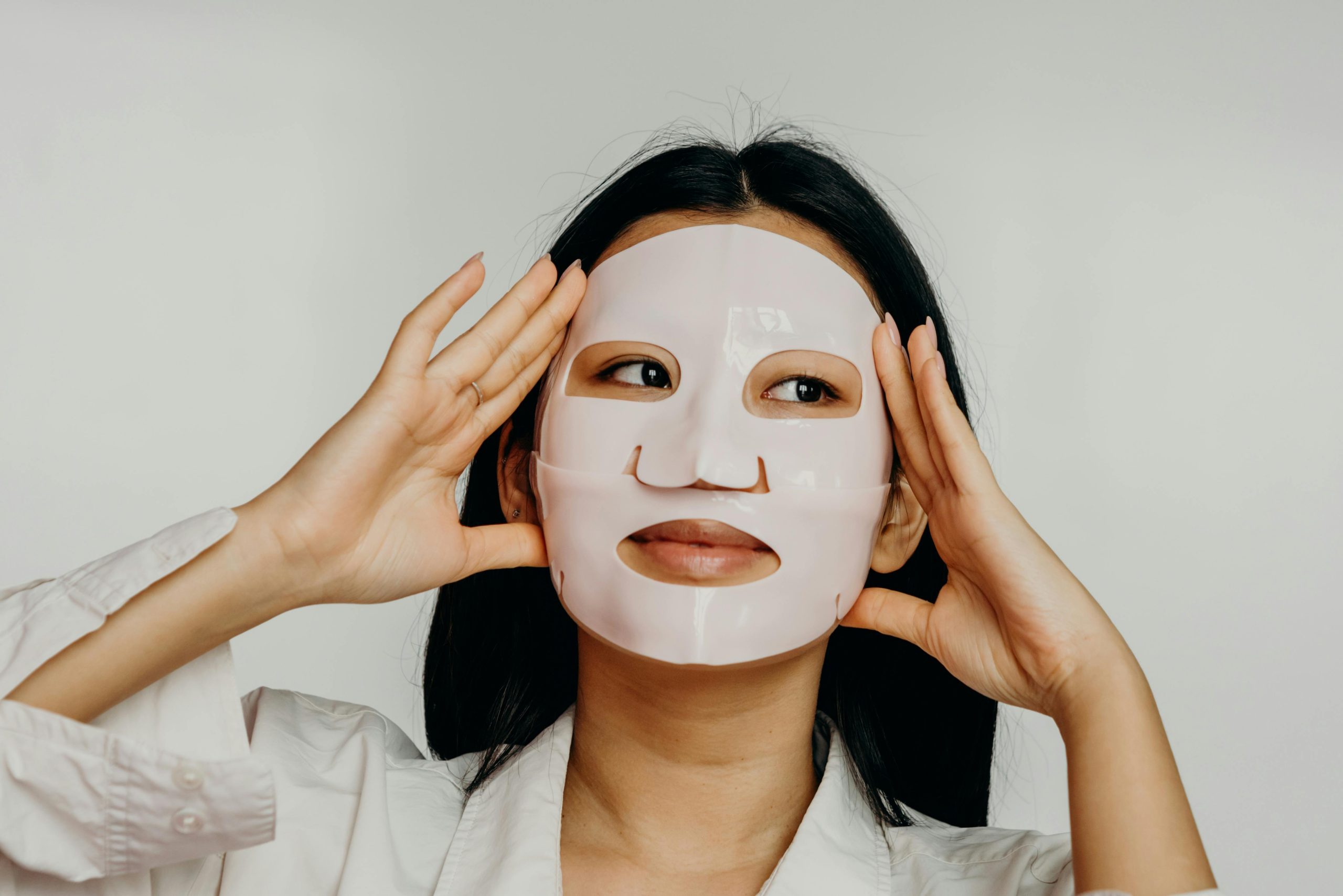
The viral 10-step Korean skincare routine has become a defining trend in cross-border beauty e-commerce, generating unprecedented demand for K-beauty products globally. The routine—consisting of oil cleanser, water-based cleanser, exfoliator, toner, serum, sheet mask, eye cream, moisturizer, sleeping mask, and sunscreen—has achieved explosive market growth through social media virality, with consumers pursuing the "glass skin" aesthetic (smooth, clear, naturally glowing appearance). According to dermatologist Dr. Nirupama Parwanda, the routine's core benefit centers on hydration through ingredients like hyaluronic acid, glycerin, ceramides, and centella asiatica, which strengthen skin barriers and prevent moisture loss. However, this presents a critical market segmentation opportunity for sellers: the 10-step routine is not universally suitable across all geographic markets and skin types.
Regional Climate Dynamics Create Distinct Product Opportunities. The routine works optimally for dry/dehydrated skin consumers but poses risks for sensitive, acne-prone, and rosacea-prone individuals—particularly in humid climates where product overload can trap sweat and oil, causing pore clogging and over-exfoliation damage. This geographic variation creates a two-tier market opportunity: premium sellers can target dry-climate regions (North America, Europe, parts of Asia) with complete 10-step bundles commanding 25-35% price premiums, while simplified regimen sellers (cleanser + moisturizer + sunscreen + targeted treatments) can dominate humid-climate markets (Southeast Asia, South Asia, tropical regions) with 15-20% higher conversion rates due to better skin compatibility.
Seller Segmentation Strategy by Market Type. Large beauty aggregators (Sephora, Ulta, Amazon Beauty) should develop region-specific product assortments: dry-climate bundles emphasizing fermented ingredients and multi-step layering, versus humid-climate curated sets focusing on lightweight hydrating formulas. Mid-tier sellers can capitalize on the "simplified routine" trend by creating educational content around climate-appropriate skincare, positioning themselves as expert alternatives to overwhelming 10-step marketing. Niche sellers should target specific skin conditions (acne-prone, sensitive, rosacea) with dermatologist-backed simplified routines, capturing underserved segments frustrated by mainstream K-beauty messaging. The K-beauty category is experiencing double-digit growth globally, with particular strength in North America and Europe where "glass skin" aspirations drive premium pricing. Sellers must account for climate variations and skin type demographics when curating assortments and crafting marketing messaging to avoid customer dissatisfaction and returns from unsuitable product recommendations.
Questions 8
Is the 10-step Korean skincare routine suitable for all skin types and climates?
No. While the 10-step routine delivers excellent results for dry and dehydrated skin through hydration-focused ingredients like hyaluronic acid and ceramides, it poses significant risks for sensitive, acne-prone, and rosacea-prone individuals. In humid climates, the multi-step approach can trap sweat and oil in pores, causing clogging and over-exfoliation damage. Dermatologist Dr. Nirupama Parwanda confirms that a simplified regimen combining cleanser, moisturizer, sunscreen, and targeted treatments achieves comparable results for many consumers. Sellers must segment their audience by climate and skin type to avoid high return rates and negative reviews from unsuitable recommendations.
How should sellers handle product returns related to unsuitable skincare recommendations?
Implement proactive measures: include detailed skin-type compatibility information in product listings, add climate-specific usage recommendations, and provide customer service resources explaining routine modifications. Create separate product lines or bundles clearly labeled for specific skin types (sensitive, acne-prone, dry, combination). Monitor return rates by geographic region and skin-type segment to identify problematic recommendations. Offer simplified routine alternatives prominently in product detail pages. Consider implementing pre-purchase questionnaires on your website to guide customers toward appropriate products. This reduces return rates, improves customer satisfaction scores, and protects seller metrics on Amazon and other platforms.