



Apple's Strategic Smartphone Pivot Signals Market Recalibration
- Emerging product strategy reveals deeper shifts in smartphone innovation and market expectations























































Overview
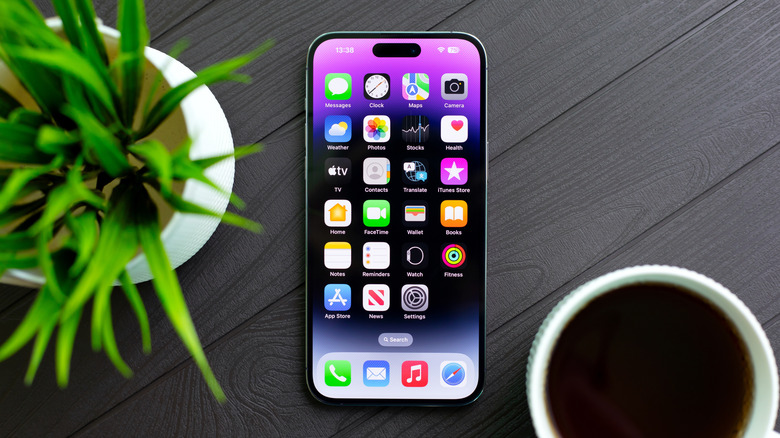
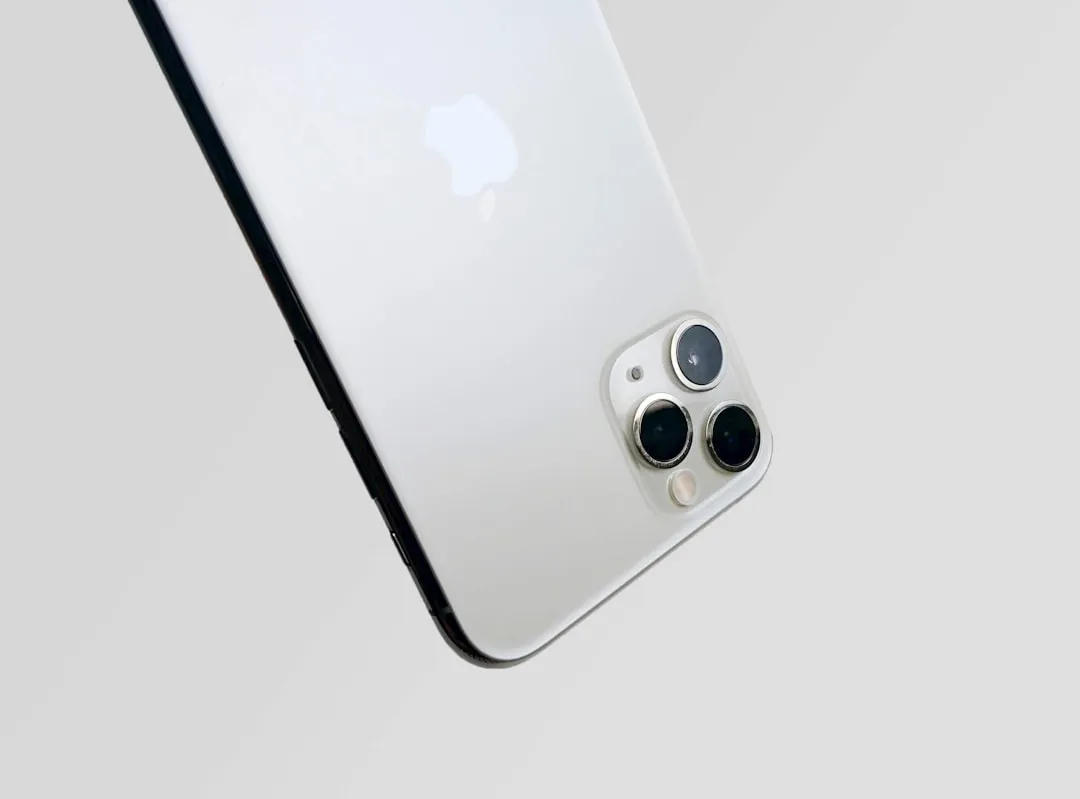
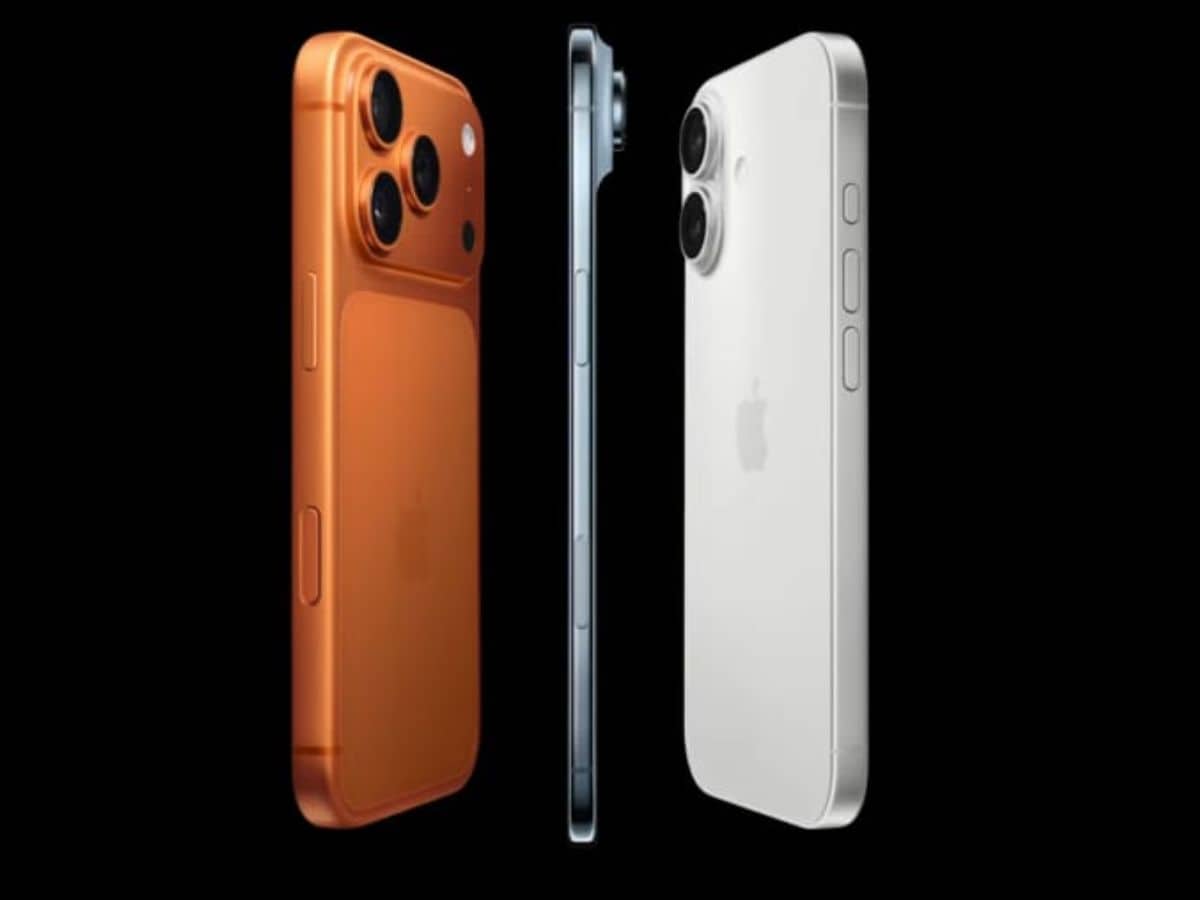
Apple is fundamentally reimagining its smartphone ecosystem, signaling a critical inflection point in mobile technology strategy. The anticipated 2026 lineup—reduced to just three iPhone models—represents more than a simple product adjustment; it's a calculated recalibration of technological innovation and market positioning.
The projected 4.2% decline in iPhone shipments is not merely a sales challenge but a strategic reset. By potentially introducing a foldable iPhone while consolidating its model lineup, Apple is telegraphing a nuanced approach to technological convergence. This move suggests the company is prioritizing quality and differentiation over volume, potentially creating a more focused and premium product experience.
Strategic product consolidation appears to be Apple's response to market saturation and technological complexity. By potentially delaying standard and Air models until 2027, the company is creating strategic breathing room for technological refinement. The Pro models and rumored foldable device indicate a laser focus on breakthrough features rather than incremental updates.
The implications extend beyond mere product numbers. This strategy reveals Apple's recognition of a maturing smartphone market where differentiation requires bold architectural reimagining. The foldable model, in particular, represents a potential paradigm shift—not just a new form factor, but a fundamental rethinking of mobile device interaction and utility.
For technology strategists and investors, this signals a critical pivot: Apple is no longer competing on smartphone volume but on creating transformative user experiences that redefine technological expectations.
Questions 3
Why is Apple reducing its iPhone model lineup?
Apple is strategically consolidating its lineup to focus on high-quality, innovative models like the potential foldable iPhone. This approach allows for more concentrated R&D, potentially creating more differentiated and technologically advanced devices rather than incremental updates across multiple models.
What does the potential foldable iPhone signify?
The foldable iPhone represents Apple's commitment to breakthrough form factors and user experience innovation. It signals the company is exploring new interaction paradigms beyond traditional smartphone designs, potentially reshaping how users perceive and use mobile devices.