


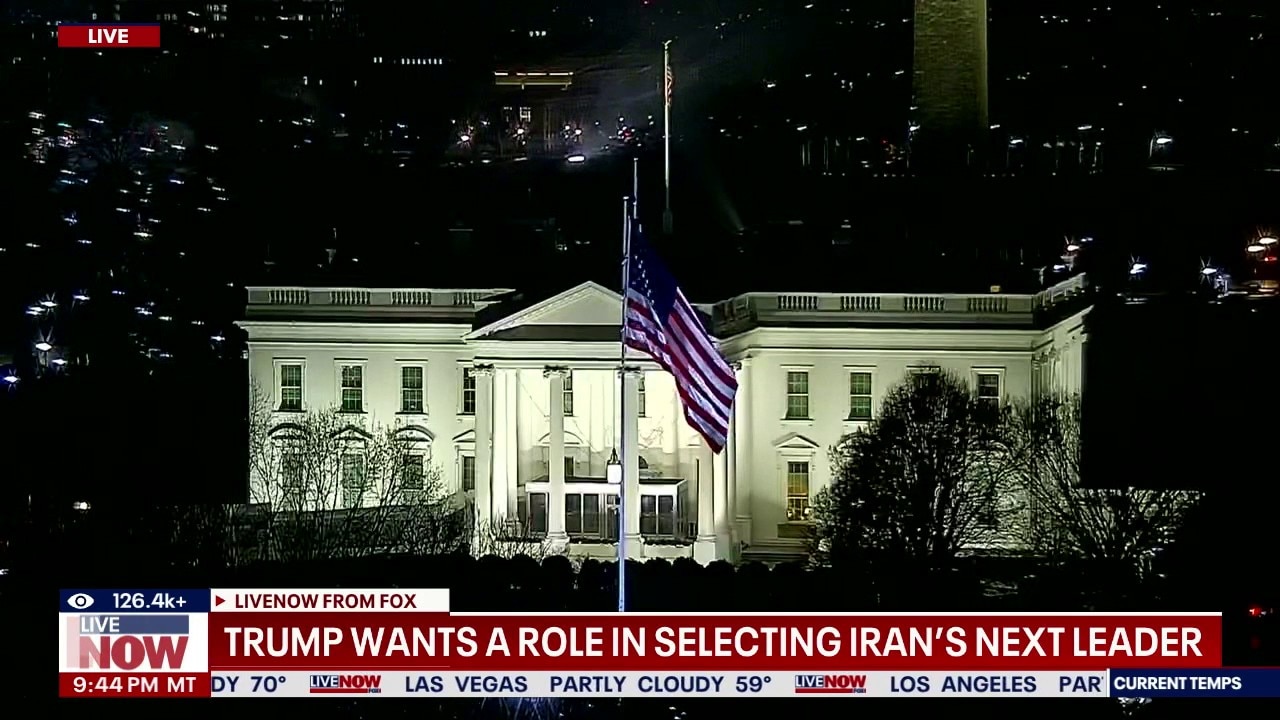


Iran Sanctions Risk Escalation | Cross-Border Sellers Face Compliance Uncertainty 2025
- Geopolitical instability threatens Iran market access; sellers must monitor OFAC sanctions updates and reassess supply chain exposure to Iranian suppliers and customers







Overview
The ongoing geopolitical crisis surrounding Iran's leadership succession following Supreme Leader Ali Khamenei's assassination creates significant compliance and market access risks for cross-border e-commerce sellers. With the 88-member Assembly of Experts selecting a new Supreme Leader amid US-Israeli military operations, the potential for escalated US sanctions and OFAC (Office of Foreign Assets Control) restrictions has increased substantially. Trump's stated intention to influence Iran's leadership selection—comparing it to his claimed role in Venezuela's political transition—signals a hardline approach that could result in expanded sanctions regimes affecting trade corridors, payment processing, and logistics networks.
For e-commerce sellers, this creates three critical risk vectors: First, direct Iran market exposure (estimated 2-3% of cross-border sellers maintain customer bases or suppliers in Iran) faces immediate compliance jeopardy. Any seller with Iranian customers, suppliers, or payment processors must conduct urgent OFAC screening to avoid penalties ranging from $20,000 to $250,000+ per violation. Second, supply chain vulnerability affects sellers sourcing from Iran-adjacent regions (UAE, Turkey, Malaysia) where transshipment and re-export of Iranian goods creates secondary sanctions exposure. The Islamic Revolutionary Guards Corps' dominance in Iran's power structure increases likelihood of sectoral sanctions targeting specific industries (petrochemicals, metals, textiles) that feed into global supply chains. Third, payment processing disruption is probable—major payment gateways (Stripe, PayPal, Square) have already restricted Iran transactions, and escalated tensions typically trigger additional restrictions on cross-border payments, affecting sellers' ability to process international transactions efficiently.
The historical context matters: the 1953 CIA-backed coup remains central to Iranian anti-American sentiment, making any perceived US interference in leadership selection likely to trigger nationalist backlash and potential retaliatory trade restrictions. If hardline successor Mojtaba Khamenei consolidates power (as some reports suggest), expect tighter state control over foreign commerce and increased scrutiny of Western business operations. Sellers should immediately audit their compliance frameworks, particularly those in high-risk categories (electronics, dual-use technology, financial services) that face heightened OFAC scrutiny. The uncertainty window—with conflicting reports about whether the Assembly of Experts has already selected a successor—creates operational paralysis that typically lasts 30-90 days, during which policy clarification remains impossible.
Questions 8
How will payment processors respond to escalated Iran sanctions risk?
Major payment gateways (Stripe, PayPal, Square) typically expand Iran transaction restrictions during geopolitical escalation, often implementing blanket blocks on Iran-origin payments and Iran-destined transfers. Historical precedent shows payment processors restrict Iran transactions 30-60 days before formal sanctions announcements, creating operational disruption for sellers with legitimate Iran business. Sellers should expect 2-4 week delays in payment processing, increased verification requirements, and potential account reviews. Alternative payment methods (cryptocurrency, international wire transfers) face heightened scrutiny. Sellers should diversify payment processors and establish backup funding mechanisms before restrictions expand.
What immediate actions should sellers take regarding Iran market exposure?
Conduct urgent OFAC screening of all Iranian customers, suppliers, and payment processors within 7-14 days. Review Amazon Seller Central and eBay seller agreements for Iran-related compliance certifications and update records immediately. Audit supply chain for Iran-origin components or transshipment through Iran-adjacent regions (UAE, Turkey, Malaysia). Implement automated sanctions screening tools (Treasury Department's SDN list, commercial screening platforms) to flag future transactions. Restrict new Iran-related business activities until policy clarity emerges (estimated 60-90 days). Document all compliance actions for audit purposes—regulators scrutinize sellers' diligence during geopolitical crises.