



NFL Concussion Protocols Expose Critical Player Health Management Challenges
- Emerging athlete safety dynamics reveal complex medical decision-making in professional sports




























Overview
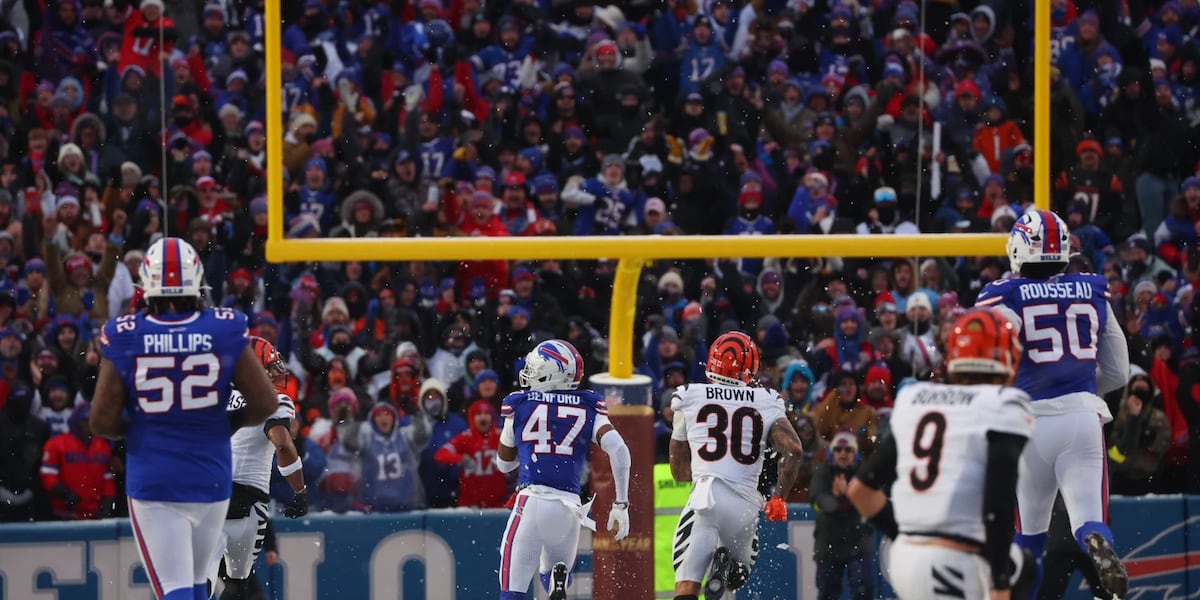
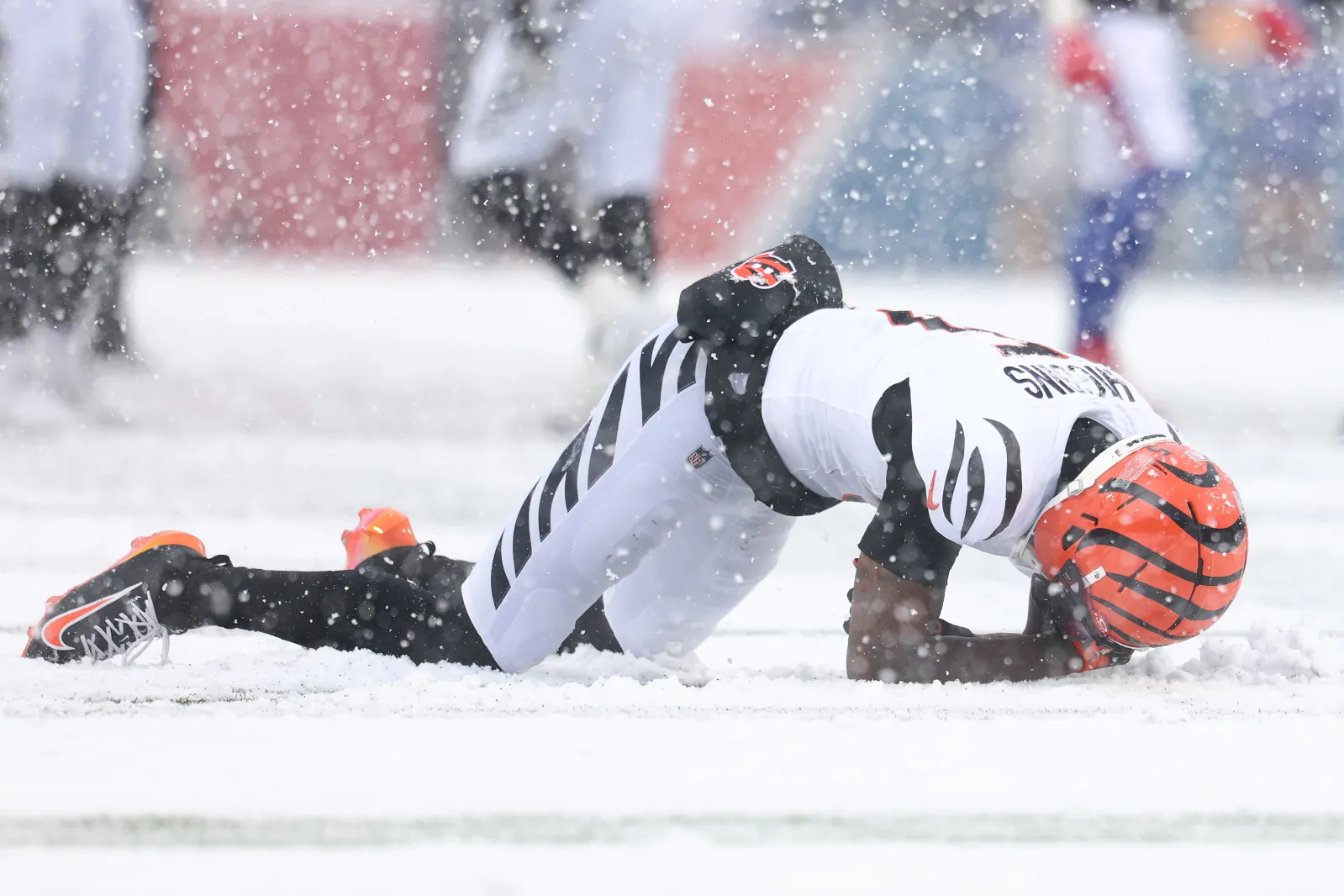
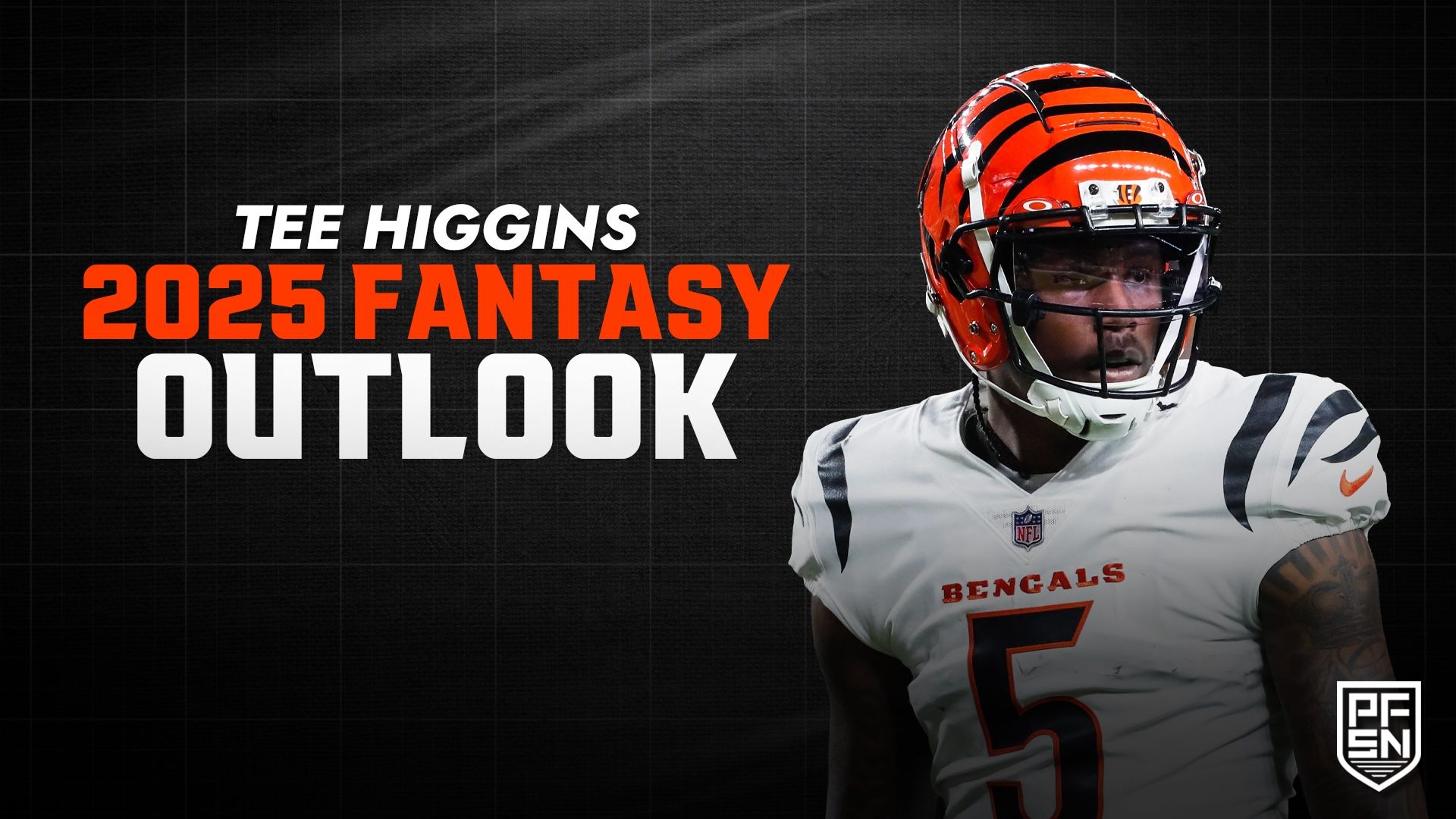
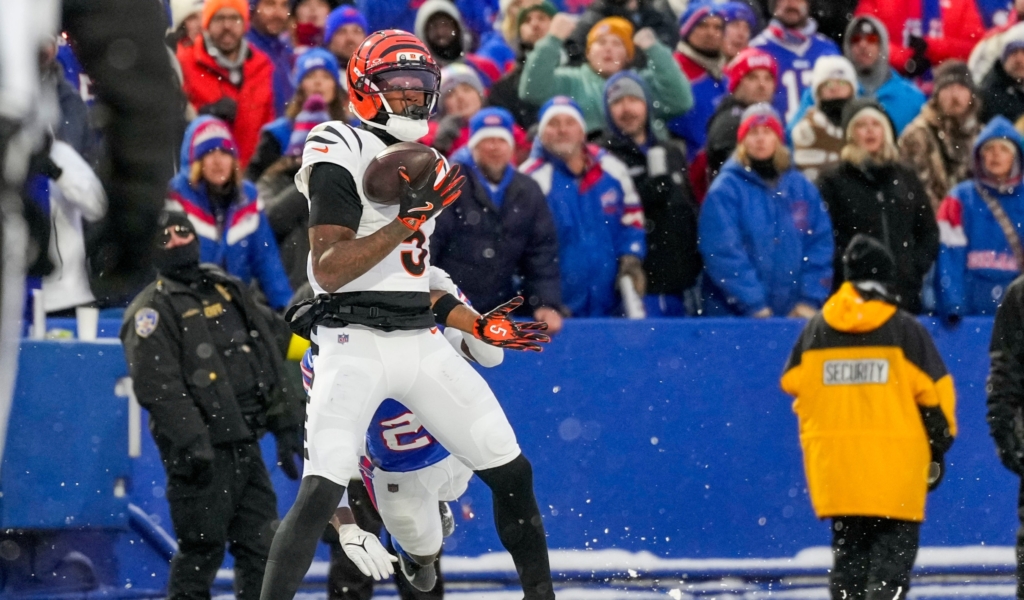
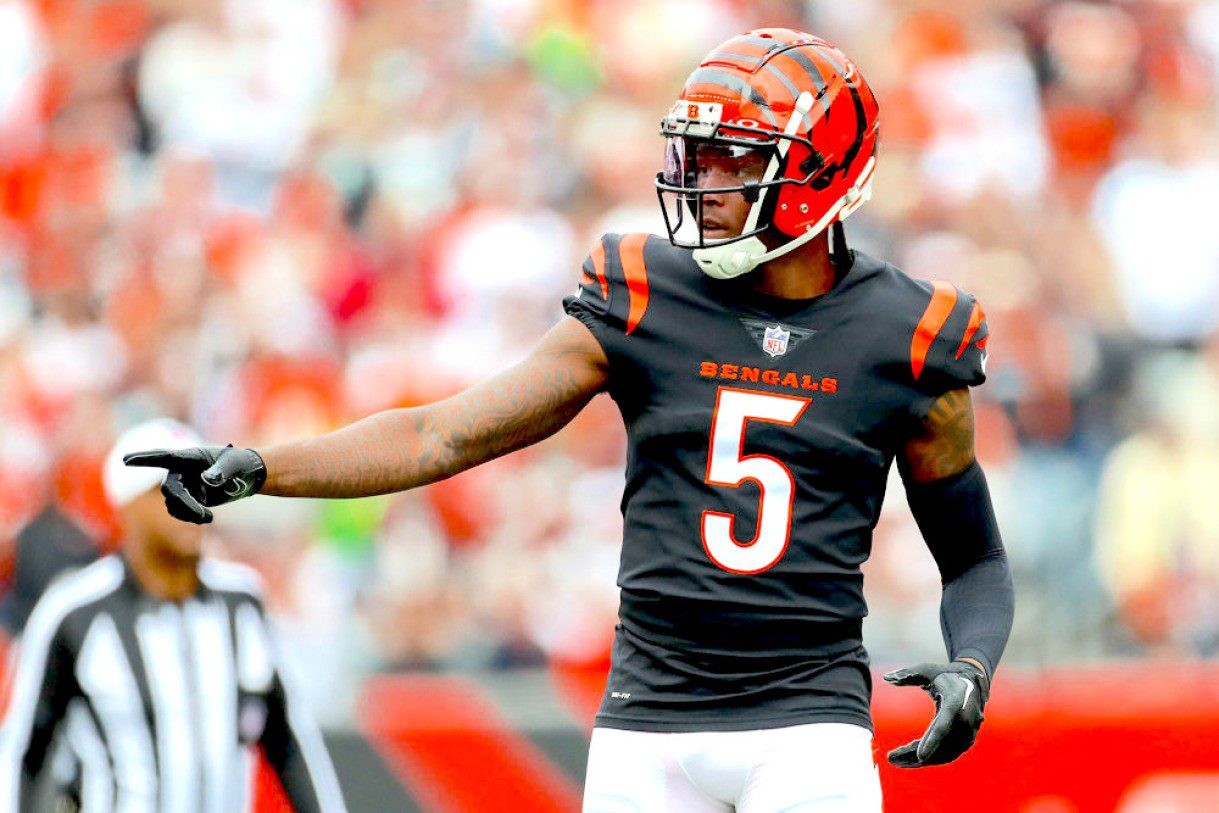
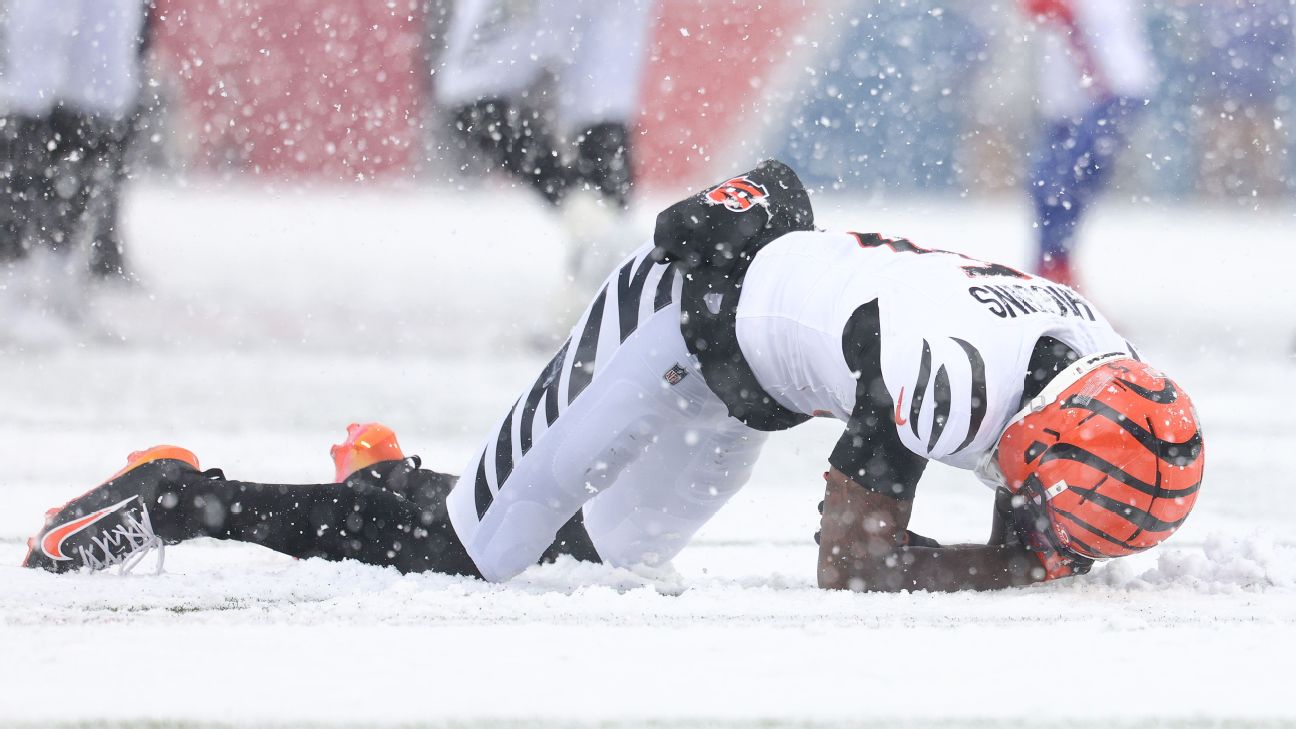
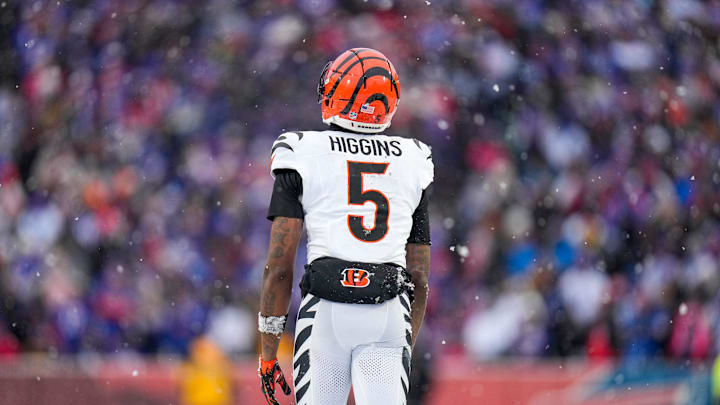
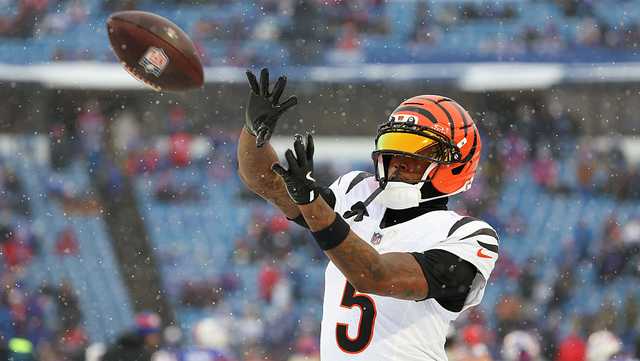
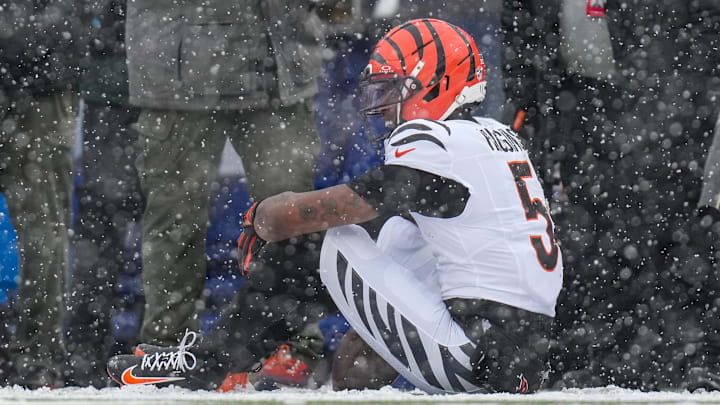
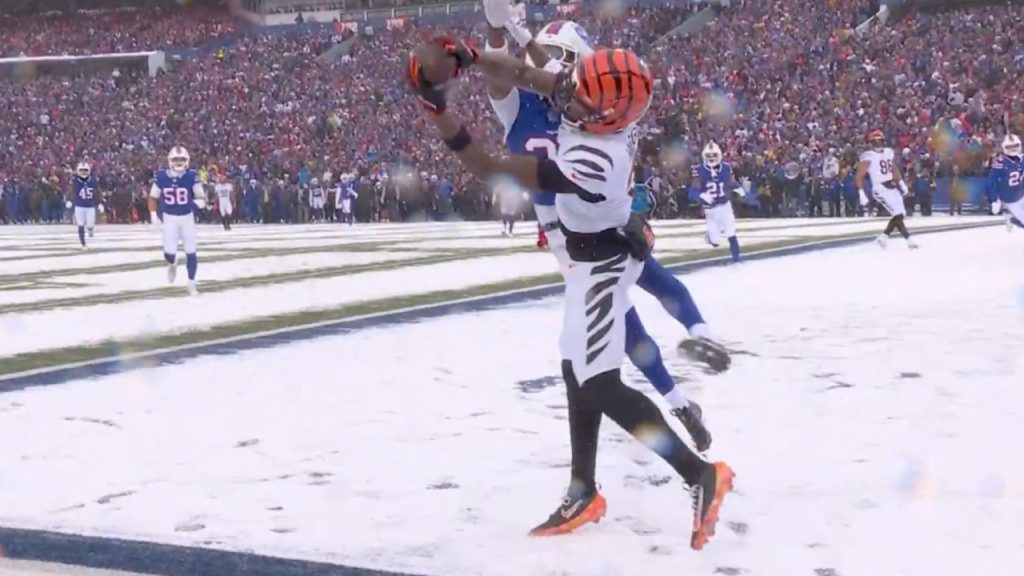
The ongoing saga of Tee Higgins' concussion protocol represents a critical inflection point in professional sports medicine, highlighting the intricate challenges of athlete health management and neurological risk assessment. Despite passing multiple initial concussion evaluations during a game against the Buffalo Bills—where Higgins recorded an impressive six catches for 92 yards and two touchdowns—he was subsequently placed back into the NFL's concussion protocol after reporting post-game symptoms.
Medical uncertainty and athlete performance intersect dramatically in this case. Higgins' situation demonstrates the nuanced nature of brain injury detection, where seemingly successful on-field performance can mask underlying neurological complications. Having previously missed Week 13 due to a concussion, his return and subsequent re-entry into protocol underscores the unpredictable trajectory of head injuries in professional athletics.
Strategic player management emerges as a critical organizational challenge. The Cincinnati Bengals' approach reveals a careful, measured response to potential neurological risks. By prioritizing player safety over immediate competitive advantages, the team signals a broader shift in professional sports towards more comprehensive health monitoring. The team's commitment to updating Higgins' protocol progress during practice demonstrates a systematic, transparent approach to managing athlete health.
The broader implications extend beyond individual athlete experiences. This incident highlights the evolving landscape of sports medicine, where advanced diagnostic protocols, real-time symptom tracking, and proactive medical interventions are becoming increasingly sophisticated. For professional sports organizations, the stakes are higher than ever: balancing competitive performance with long-term athlete well-being requires nuanced, data-driven decision-making.
Ultimately, Higgins' case serves as a microcosm of the complex medical and ethical challenges facing professional sports. It underscores the critical need for robust, adaptive health protocols that prioritize athlete safety while maintaining the competitive integrity of the game.
Questions 3
How are NFL teams managing player health risks?
Teams like the Bengals are adopting more comprehensive, cautious approaches to player health. This includes systematic symptom tracking, transparent protocol management, and prioritizing long-term athlete well-being over immediate competitive advantages.
What are the broader implications of concussion protocols?
Concussion protocols represent a significant evolution in sports medicine, reflecting increased understanding of neurological risks. They demonstrate a shift towards proactive, data-driven health management that balances athlete performance with comprehensive medical oversight.