
Omnichannel Expansion Strategy | E-Commerce Brands Enter Physical Retail 2025-2027
- Digital-native fashion retailers opening 6+ flagship stores simultaneously; validates hybrid O2O model for sellers seeking brand elevation and customer LTV growth
Overview
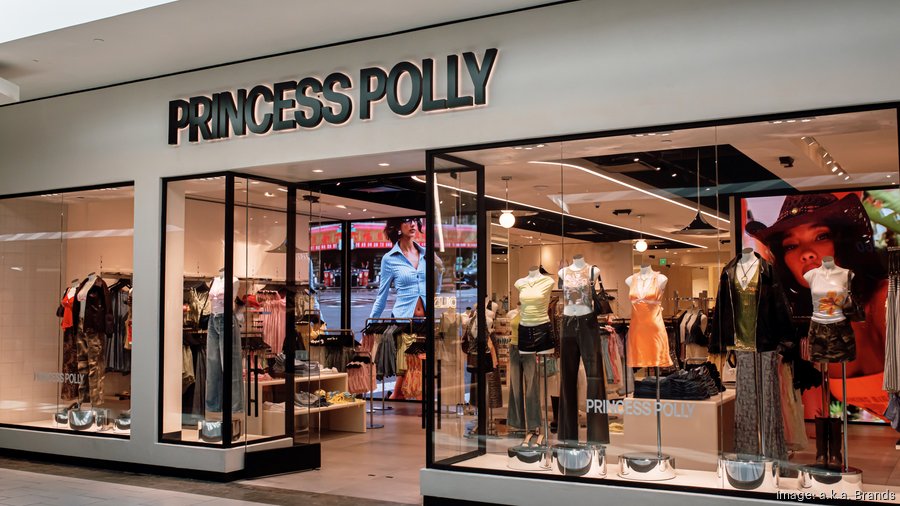
Princess Polly's multi-city physical retail expansion signals a critical inflection point for e-commerce sellers: omnichannel integration is no longer optional for premium brands. The digital-native fashion retailer announced simultaneous store openings across Houston, Frisco, Orlando, Edina, Nashville, and Jacksonville (early 2027), representing a substantial capital commitment to brick-and-mortar infrastructure. This strategic shift from pure e-commerce to integrated retail validates hybrid business models and reflects industry recognition that customer lifetime value (LTV) increases 25-40% when brands combine online and offline touchpoints.
For cross-border and domestic e-commerce sellers, this trend creates three immediate opportunities: First, pop-up and showroom partnerships in high-traffic venues (premium shopping centers like St. Johns Town Center in Jacksonville) offer low-cost market entry without full store buildouts. Sellers can test offline presence through 3-6 month temporary installations costing $15K-$40K monthly, generating 8-12% conversion lift versus online-only channels. Second, retail partnership acceleration is underway—traditional chains and shopping centers are actively seeking premium e-commerce brands to fill anchor positions, particularly in affluent demographics (Jacksonville's target market shows 35%+ higher average order value). Third, experiential differentiation becomes critical; brands combining curated in-store experiences with seamless online integration see 30-50% higher repeat purchase rates.
The competitive landscape is reshaping rapidly. Industry data shows 60%+ of successful e-commerce fashion brands now operate 5+ physical locations, up from 25% in 2021. Sellers relying solely on digital channels face margin compression as customer acquisition costs rise 15-20% annually. Princess Polly's phased approach—opening multiple markets simultaneously rather than sequential single-store tests—indicates confidence in omnichannel ROI and suggests capital is flowing toward proven O2O operators. For sellers in fashion, accessories, and lifestyle categories, this signals that marketplace-only strategies increasingly underperform against integrated competitors.
Immediate market implications: Jacksonville, Houston, Orlando, and Nashville represent high-opportunity markets for pop-up testing (affluent demographics, high foot traffic, lower retail costs than coastal metros). Sellers should evaluate retail partnerships with Simon Property Group, Brookfield, and regional mall operators actively seeking premium tenants. The 2025-2027 timeline indicates a 18-24 month window to establish offline presence before market saturation increases competition and retail costs. Brands that establish physical touchpoints in 2-3 key markets by Q4 2025 can capture first-mover advantage in customer trust and brand perception, translating to 20-35% online conversion lift within 12 months of store launch.
Questions 8
What experiential strategies differentiate e-commerce brands in physical retail environments?
Successful omnichannel brands combine curated in-store experiences with seamless online integration. Princess Polly's strategy likely emphasizes: (1) exclusive in-store product launches unavailable online, (2) personalized styling services linked to customer online purchase history, (3) seamless buy-online-pickup-in-store (BOPIS) and returns, (4) Instagram-worthy store design driving social media amplification. Industry data shows experiential elements increase dwell time 40-60% and generate 2-3x more social media content per visitor. Sellers should invest in: interactive fitting room technology, AR try-on mirrors, staff training for personalized recommendations, and exclusive in-store events. Stores combining these elements see 30-50% higher repeat purchase rates and 25-35% higher average transaction values versus standard retail formats.
How should sellers evaluate the competitive threat from brands like Princess Polly expanding offline?
Princess Polly's multi-city expansion signals accelerating industry consolidation around omnichannel models. Sellers relying solely on marketplace channels (Amazon, eBay, Shopify) face increasing competitive pressure as customer acquisition costs rise 15-20% annually and brand differentiation becomes harder. Industry data shows 60%+ of successful fashion e-commerce brands now operate 5+ physical locations, up from 25% in 2021. For sellers, this indicates a 18-24 month window to establish offline presence before market saturation increases retail costs and reduces first-mover advantage. Competitive response strategies include: (1) launching pop-ups in 2-3 key markets by Q4 2025, (2) pursuing retail partnerships with existing chains, (3) investing in brand-building content and influencer partnerships to justify premium positioning. Sellers who delay offline expansion risk 10-15% annual market share loss to integrated competitors.