
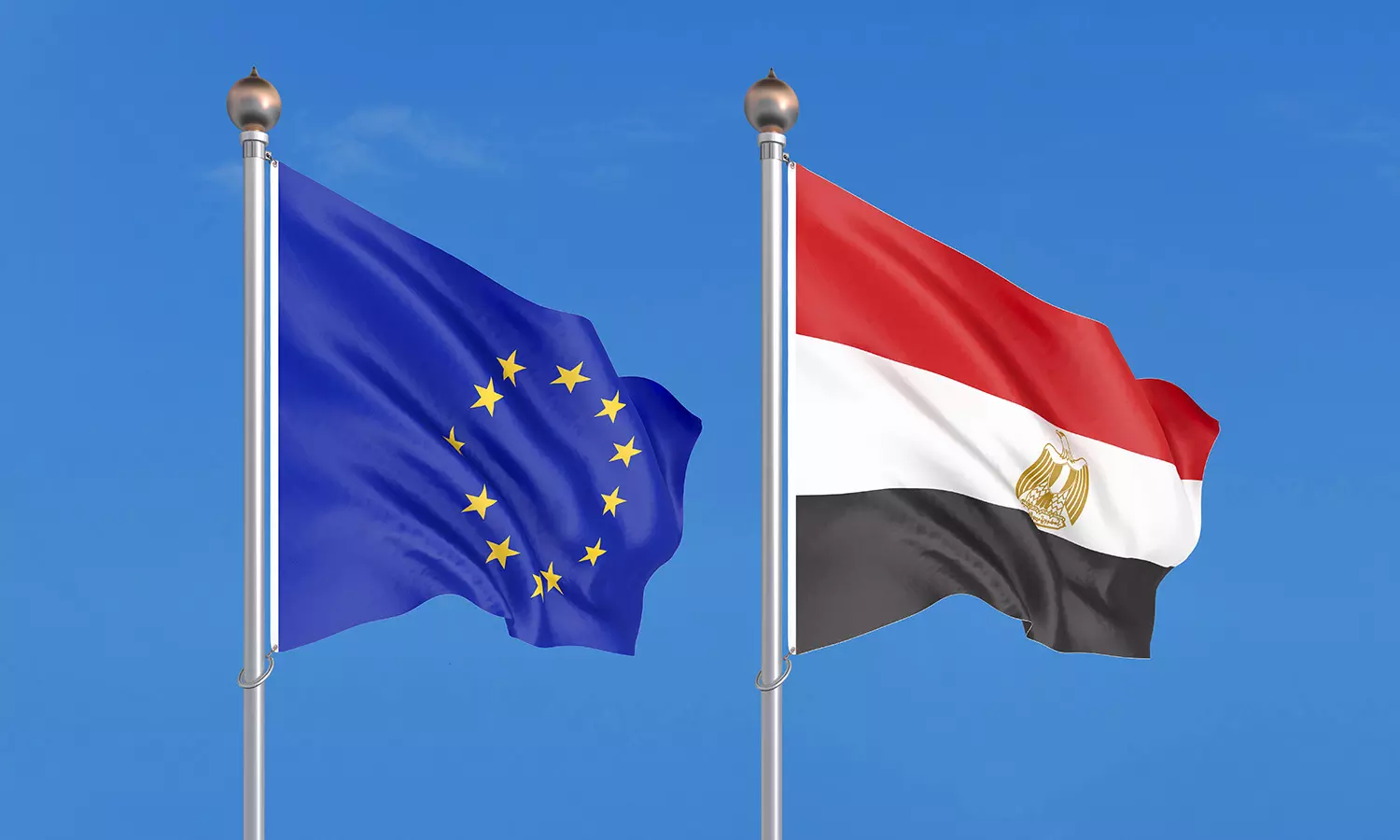
Egypt Emerges as Strategic Logistics Powerhouse Bridging Europe, Africa, and Middle East
- Transformative trade partnerships redefine regional supply chain dynamics for global sellers and investors
Overview
The evolving supply chain landscape is experiencing a pivotal transformation, with Egypt positioning itself as a critical logistics nexus that promises to reshape cross-border trade infrastructure. At the heart of this strategic repositioning is a landmark €7.4 billion partnership with the European Union, signaling a profound shift in regional economic connectivity.
Strategic Logistics Repositioning: Egypt's deliberate approach to becoming a regional transit hub is evidenced by its systematic infrastructure modernization. The country has strategically enhanced its ports, transport corridors, and customs procedures, reducing cross-border movement bottlenecks. This isn't just incremental improvement—it represents a fundamental reimagining of logistics capabilities in the Europe-Africa-Middle East corridor.
Investment and Trade Metrics Reveal Deeper Trends: The trade metrics tell a compelling story of growth and potential. EU-Egypt trade volume has surged from 23 billion in 2014 to 32.5 billion in 2024, with EU investments reaching 27.6 billion in 2022. The 1.8 billion EU-backed Investment Guarantees Mechanism, designed to mobilize up to 5 billion in private sector investments by 2027, underscores the strategic importance of this regional logistics transformation.
Implications for Global Supply Chain Strategies: For cross-border e-commerce sellers and logistics professionals, this development signals a significant opportunity. The enhanced partnerships with Germany, Italy, and Switzerland suggest more streamlined trade processes, reduced barriers, and unprecedented market connectivity. Sellers should pay close attention to emerging logistics routes that leverage Egypt's strategic positioning, potentially offering more cost-effective and efficient supply chain alternatives.
The broader significance extends beyond immediate economic metrics. This partnership represents a structural shift in how regional logistics networks are conceptualized—moving from fragmented national approaches to integrated, collaborative infrastructure development. For forward-thinking businesses, this marks an inflection point in supply chain strategy, offering new pathways for sourcing, distribution, and market expansion.
Questions 3
What investment opportunities exist in Egypt's logistics sector?
The 1.8 billion EU-backed Investment Guarantees Mechanism is designed to mobilize up to 5 billion in private sector investments by 2027. This creates opportunities in port infrastructure, transport technologies, customs modernization, and logistics technology platforms that can leverage Egypt's strategic regional positioning.
What specific logistics improvements are happening in Egypt?
Egypt is modernizing its ports, transport corridors, and customs procedures. This includes reducing cross-border movement bottlenecks, implementing more efficient customs clearance processes, and developing strategic infrastructure that connects Europe, Africa, and the Middle East more seamlessly.