




Strait of Hormuz Disruption Risk | Cross-Border Sellers Face 8-15% Shipping Cost Surge
- Regional instability threatens 20% of global oil supplies; logistics costs expected to rise $200-600/month for sellers shipping 500+ units; energy-dependent categories face margin compression











)

Overview
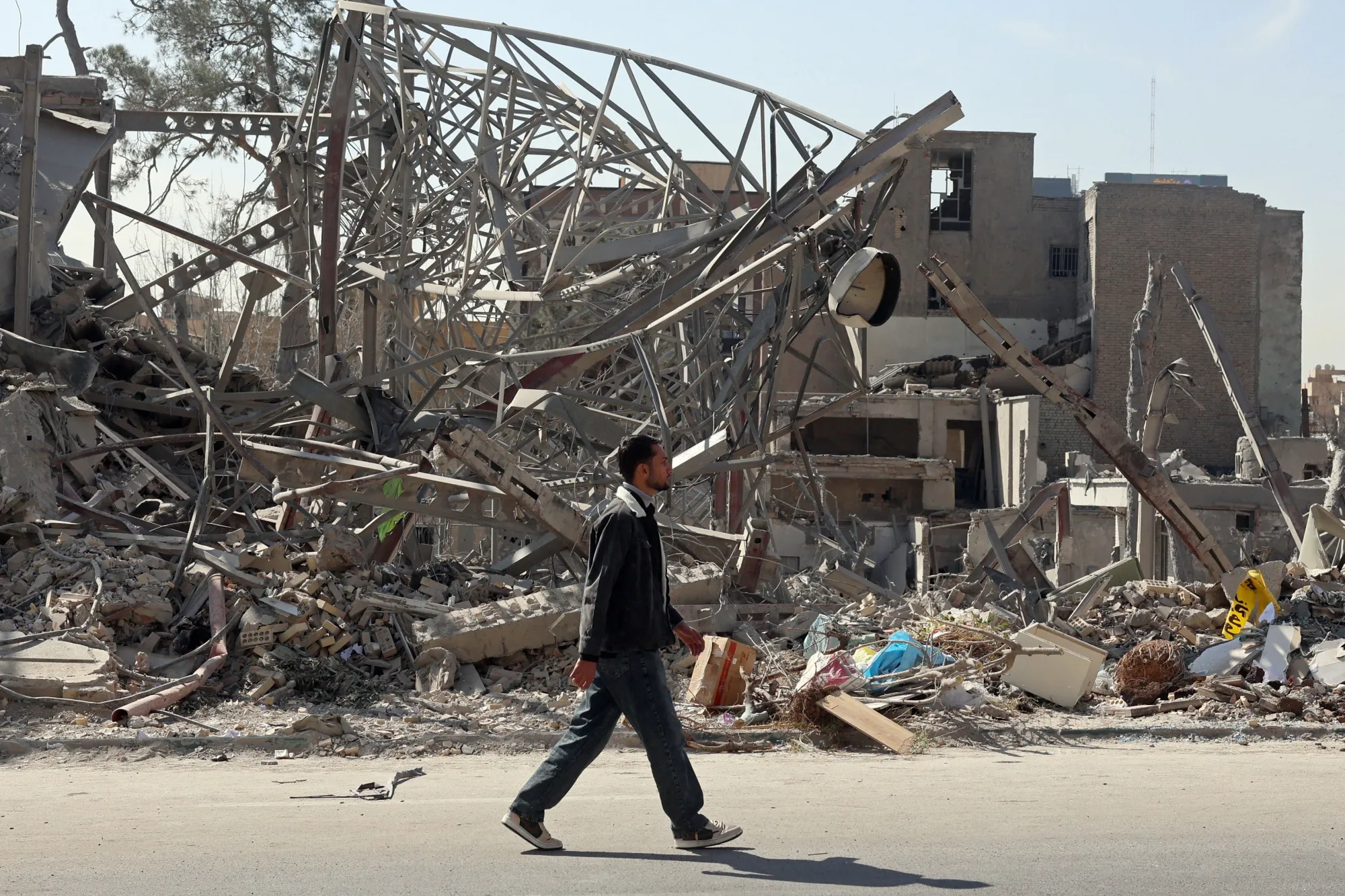
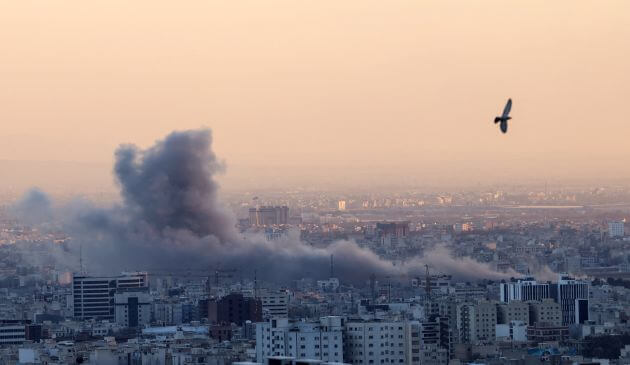
Middle East geopolitical tensions create immediate supply chain vulnerabilities for cross-border e-commerce sellers. The Strait of Hormuz, through which approximately 20% of global oil supplies transit, faces potential disruption risk from regional instability. This critical chokepoint controls energy flows to Asia-Pacific markets and directly impacts shipping costs, fuel surcharges, and logistics pricing for sellers operating on Amazon FBA, eBay, Shopify, and Walmart Marketplace.
Immediate shipping cost implications are quantifiable. Fuel surcharges on international logistics typically increase 8-15% during periods of Middle East instability, translating to $200-600 monthly cost increases for sellers shipping 500+ units internationally. Air freight premiums spike 12-25% when regional uncertainty rises, affecting time-sensitive categories like electronics, fashion, and perishables. Ocean freight rates from Asia to North America and Europe historically increase 15-30% during Strait of Hormuz disruption scenarios, based on 2003 Iraq invasion and 2011 Libya conflict precedents. Sellers relying on just-in-time inventory from China, Vietnam, and India face extended lead times (3-6 weeks additional delay) if shipping routes divert around Africa.
Specific seller segments face differentiated impacts. Small sellers (under $100K annual revenue) with thin margins (5-8%) in commodity categories like electronics accessories, home goods, and apparel face the highest vulnerability—margin compression of 2-4 percentage points could eliminate profitability. Mid-market sellers ($100K-$1M) with diversified sourcing can absorb 1-2% margin impact but must adjust pricing strategies. Large sellers with established 3PL networks and pre-negotiated fuel surcharge caps experience 3-5% cost increases. Energy-intensive categories—electronics, appliances, automotive parts, and temperature-controlled goods—see disproportionate cost increases. Sellers sourcing from Iran-adjacent regions (Iraq, Syria, UAE) face additional customs delays and potential sanctions compliance complications.
Strategic sourcing shifts are already underway. Sellers are diversifying away from China-centric supply chains toward India, Vietnam, and Indonesia to reduce Strait of Hormuz exposure. India's manufacturing capacity in electronics, textiles, and pharmaceuticals offers alternative sourcing with 15-20% lower shipping costs via Indian Ocean routes. Vietnam's proximity to Southeast Asian ports reduces fuel surcharge exposure by 25-35% compared to China sourcing. However, these transitions require 60-90 day lead times and 5-10% higher unit costs initially, creating a 3-6 month profitability dip for sellers making the switch.
Questions 8
How should I adjust inventory strategy during Strait of Hormuz disruption risk?
Reduce inventory holding periods by 20-30% to minimize exposure to extended lead times and carrying costs. Increase inventory turnover velocity—target 8-12 turns annually instead of 4-6. Pre-position inventory in regional fulfillment centers (US, EU, Asia-Pacific) to reduce shipping distances and fuel surcharge exposure. For slow-moving SKUs, reduce safety stock by 30-40% and accept occasional stockouts rather than holding excess inventory. Implement just-in-time ordering for fast-moving items (30-60 day inventory) to reduce working capital tied up in inventory during cost-spike periods.
What customs and compliance risks exist for sellers sourcing from Iran-adjacent regions?
Sellers sourcing from Iraq, Syria, or UAE face additional customs delays (7-14 days) and potential sanctions compliance complications. The U.S. Treasury and EU maintain sanctions lists affecting trade with certain entities. Verify your suppliers' compliance status through OFAC (Office of Foreign Assets Control) screening before placing orders. Avoid direct Iran sourcing entirely—penalties reach $250,000+ per violation. Work with customs brokers experienced in Middle East trade to ensure proper documentation and avoid shipment seizures.