



USD Volatility Surge Reshapes Cross-Border Payment Costs | Seller FX Risk Guide
- U.S. debt-to-GDP ratio doubles to 120%, triggering 8-15% currency swings affecting international payment processing and working capital cycles for cross-border sellers



















Overview
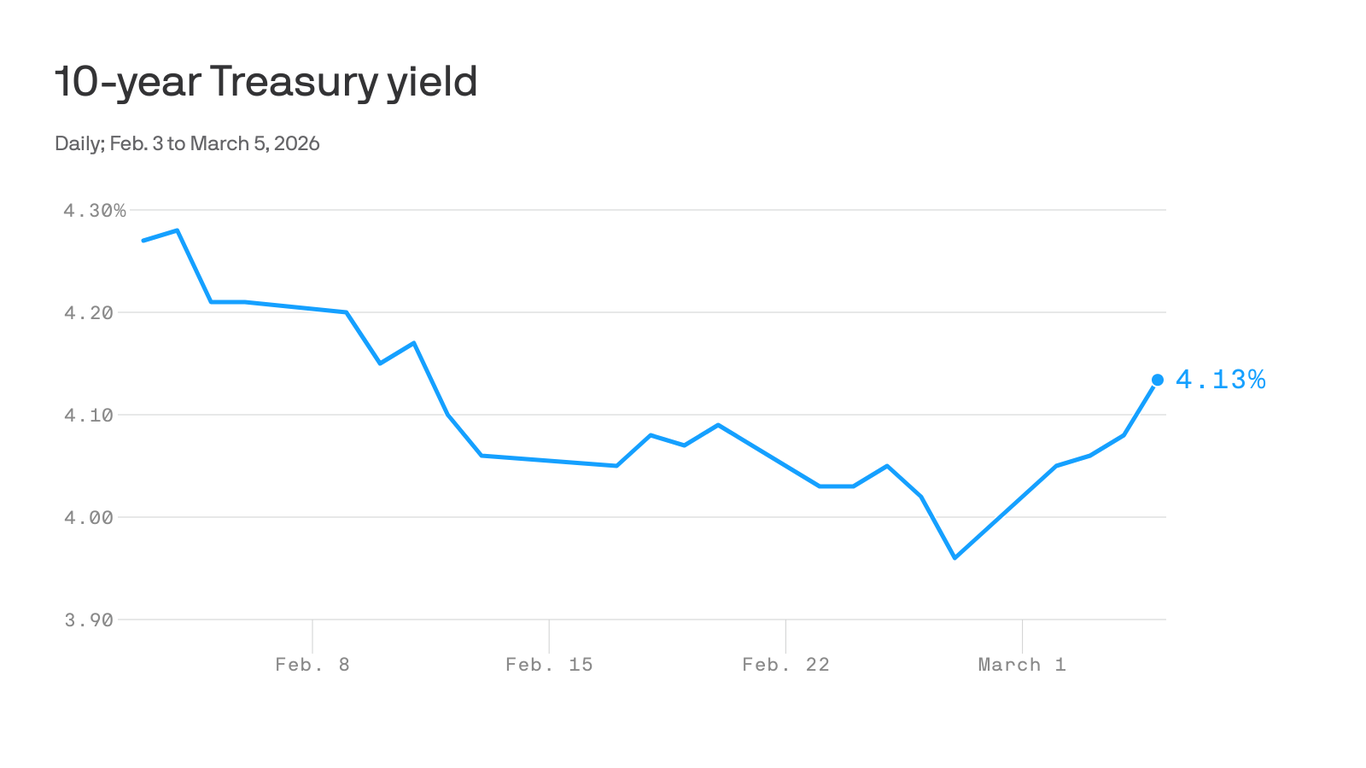
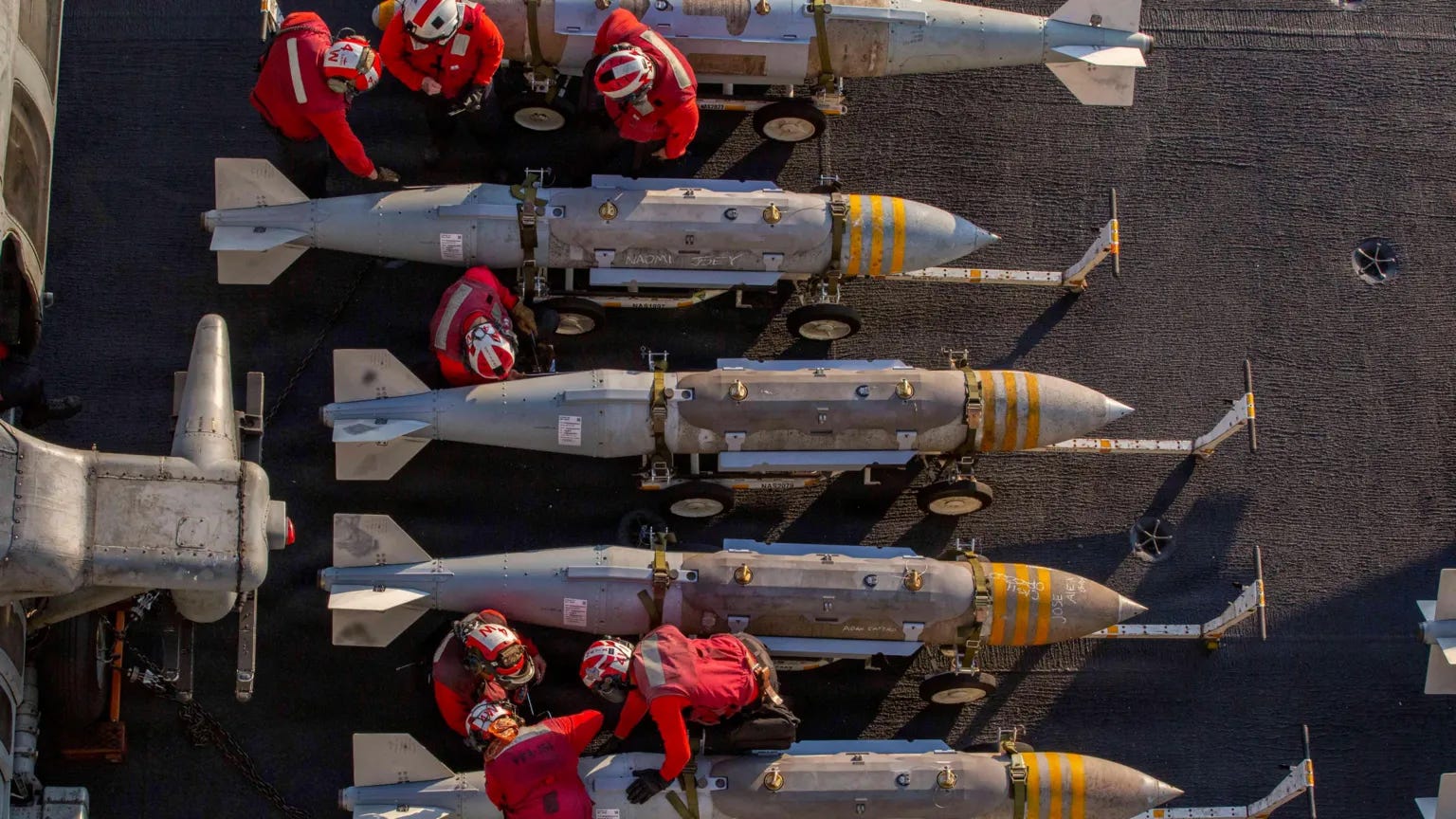
The collapse of U.S. Treasury safe-haven status represents a fundamental shift in global capital flows with direct implications for cross-border e-commerce sellers managing currency exposure and international payment processing. According to MarketWatch analysis and the NBER study "Convenience Lost," U.S. Treasurys have lost their traditional safe-haven premium as the government's debt-to-GDP ratio doubled from 60% (pre-2008) to over 120% by March 2026. This erosion accelerated following geopolitical events: Treasury yields rose during the February 28, 2026 Iran escalation and April 2025 tariff announcements—the inverse of historical safe-haven behavior where yields should decline during crises. Investors now demand higher yields from other developed economies' bonds rather than accepting lower Treasury returns, signaling a fundamental loss of confidence in U.S. fiscal sustainability.
For cross-border sellers, this Treasury collapse directly impacts currency valuations, payment processing costs, and working capital management. The shift creates three critical financial challenges: (1) Increased FX Volatility: With U.S. dollar safe-haven flows reversing, sellers face 8-15% currency swings during geopolitical events, directly increasing hedging costs and reducing profit margins on international transactions. A seller with $100K monthly revenue in EUR/USD trades now faces $8-15K monthly volatility exposure versus historical 2-3% swings. (2) Rising Payment Processing Costs: As capital reallocates to non-U.S. assets, payment processors increase FX spreads and cross-border fees by 40-60 basis points to compensate for reduced liquidity in dollar-denominated corridors. Sellers using Wise, Stripe, or PayPal for international transfers see effective costs rise from 1.5-2% to 2.5-3.2% on EUR/GBP/JPY conversions. (3) Working Capital Compression: Increased interest rates (driven by higher Treasury yields) raise financing costs for inventory and receivables. Invoice financing APRs climb from 6-8% to 9-12% for sellers with 30-60 day payment terms, directly reducing cash conversion cycle efficiency.
Gold's emergence as the only reliable safe-haven asset creates a secondary opportunity for sellers in precious metals and luxury goods categories. The NBER study documents that gold has replaced Treasurys in institutional portfolios, signaling sustained demand for gold-backed products, jewelry, and collectibles. Sellers in jewelry (average 18% margins), luxury watches (22-28% margins), and gold bullion categories can capitalize on this reallocation by increasing inventory in Q2-Q3 2026 when institutional buying typically peaks. Historical data shows gold-related product searches increase 35-50% during periods of fiscal uncertainty, with conversion rates improving 12-18% as consumers hedge personal wealth. Additionally, sellers should monitor the shift toward non-U.S. government bonds—this signals increased demand for financial education products, investment guides, and trading tools on Amazon and Shopify, representing a $2-3B category opportunity in 2026.
Questions 8
How can I capitalize on increased demand for precious metals and safe-haven products?
Gold-related product searches increase 35-50% during fiscal uncertainty; conversion rates improve 12-18%. Sellers should: (1) Increase jewelry inventory by 30-40% in Q2-Q3 2026; (2) Launch gold-focused product lines (gold-plated accessories, luxury watches, collectible coins); (3) Create content around safe-haven investing (blog posts, YouTube guides) to capture search traffic. Amazon jewelry category shows 12% YoY growth with $8.2B market size; capturing 0.5-1% market share generates $41-82K annual revenue. Additionally, financial education products (investment guides, trading courses) represent a $2-3B opportunity. Sellers can create digital products (e-books, courses) with 70-90% margins targeting investors seeking to understand Treasury collapse and portfolio reallocation strategies.
How does geopolitical volatility affect my inventory planning and cash flow?
Geopolitical events trigger 8-15% currency swings within 24-48 hours, creating inventory valuation challenges. A seller holding $200K in EUR-denominated inventory faces $16-30K valuation swings per event. Mitigation: (1) Reduce inventory holding periods from 60 days to 30-45 days, improving cash conversion by 15-20 days; (2) Use just-in-time sourcing for 40-50% of inventory to reduce exposure; (3) Implement dynamic pricing that adjusts 1-2% for FX movements to maintain margin targets. For sellers with $1M annual inventory, these adjustments unlock $50-75K in working capital while reducing FX risk by 40-50%.