



Ocean Freight Costs Surge 30-40% | Sellers Face Critical Shipping Crisis
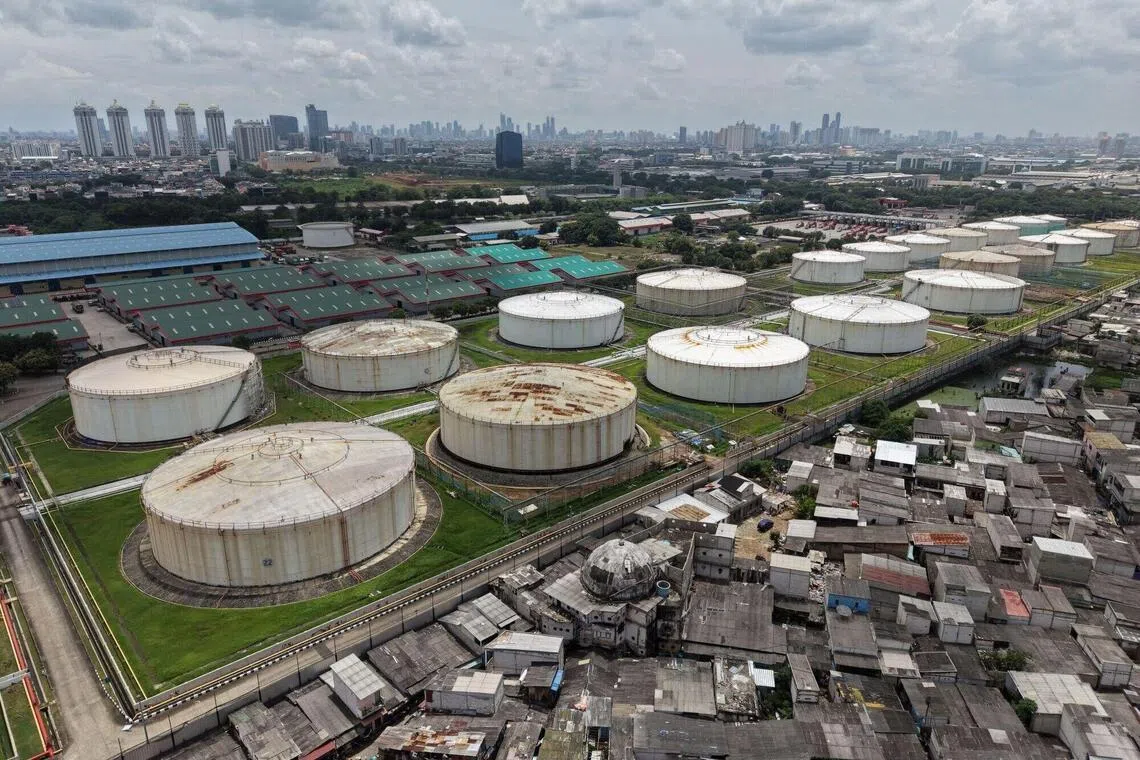
- HSFO prices jump 40%, Strait of Hormuz traffic collapses from 138 to 2 vessels daily, forcing immediate logistics restructuring for cross-border sellers




















Overview
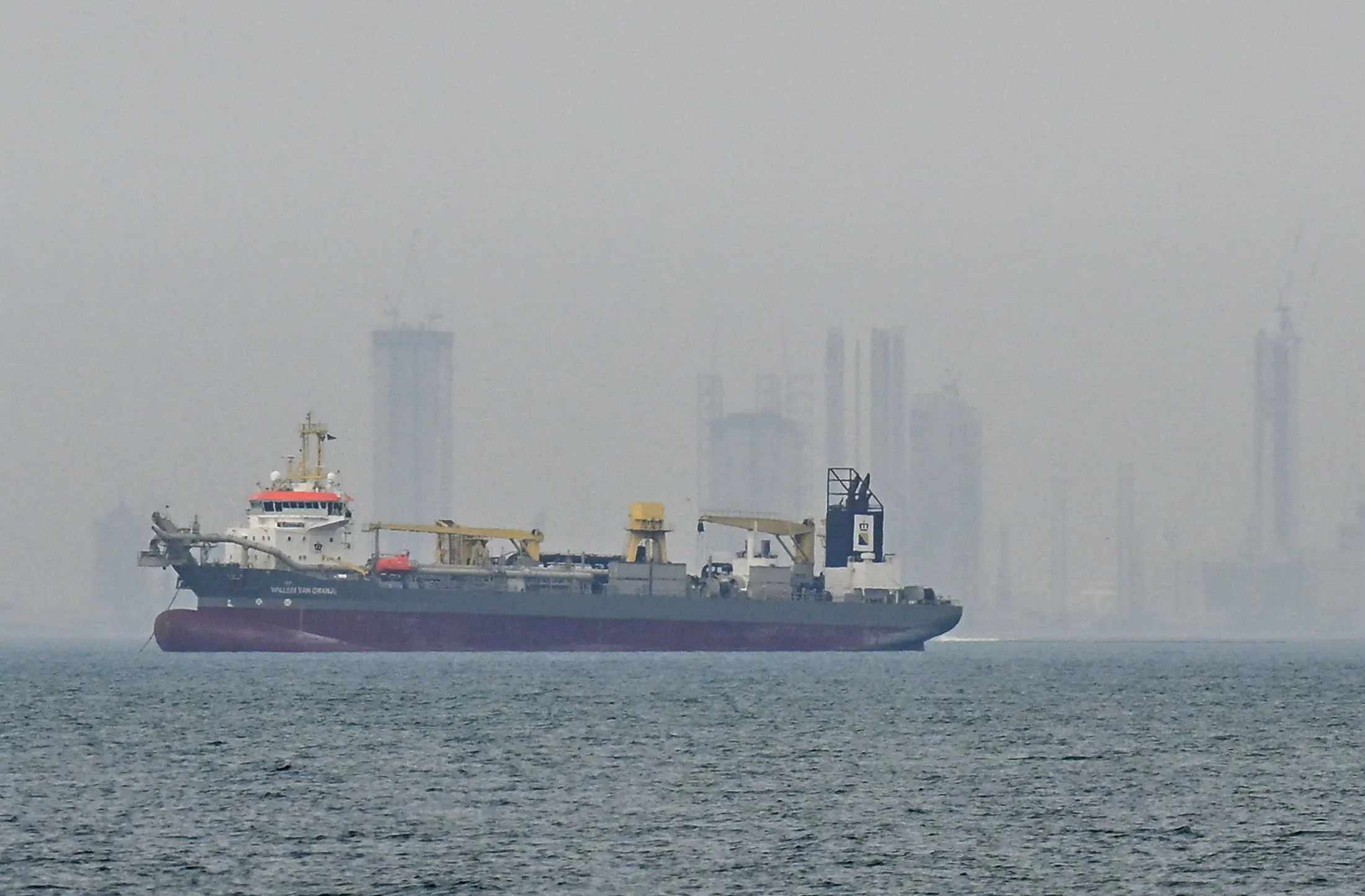
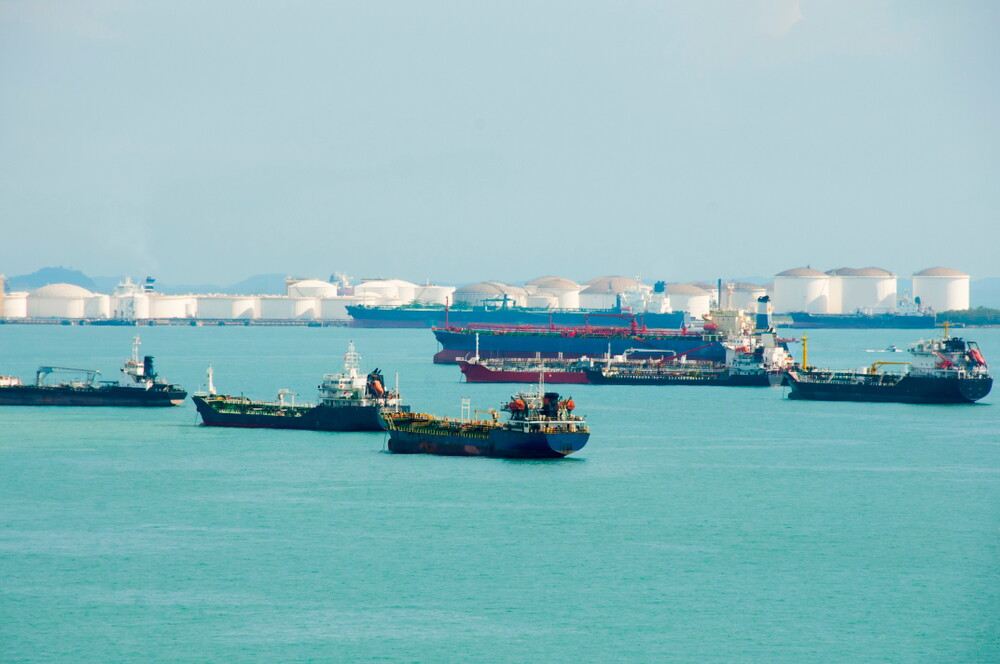
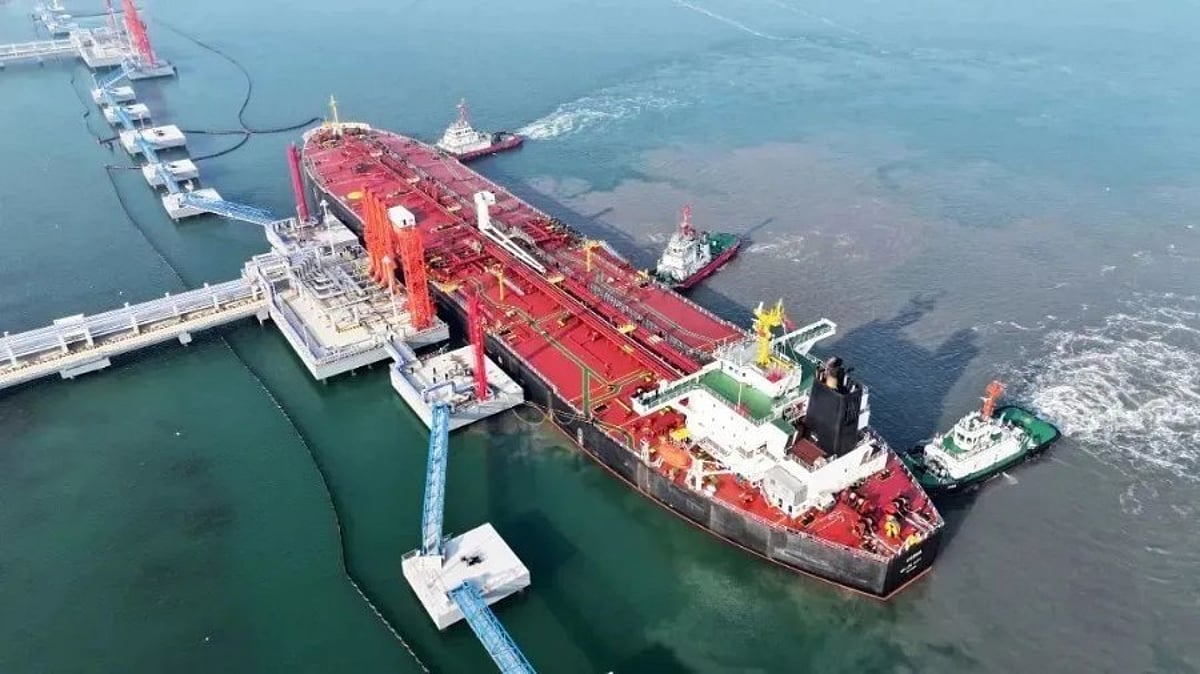
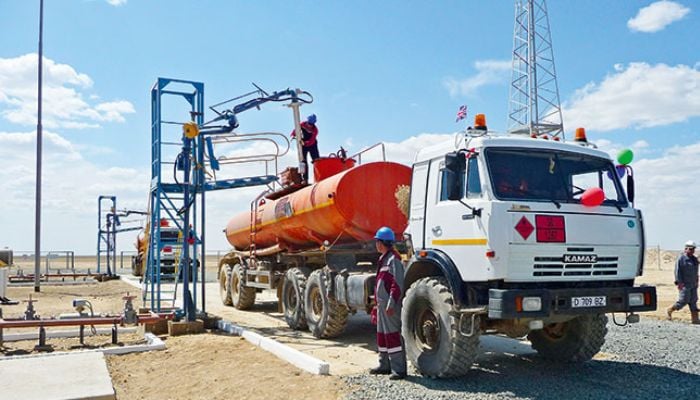
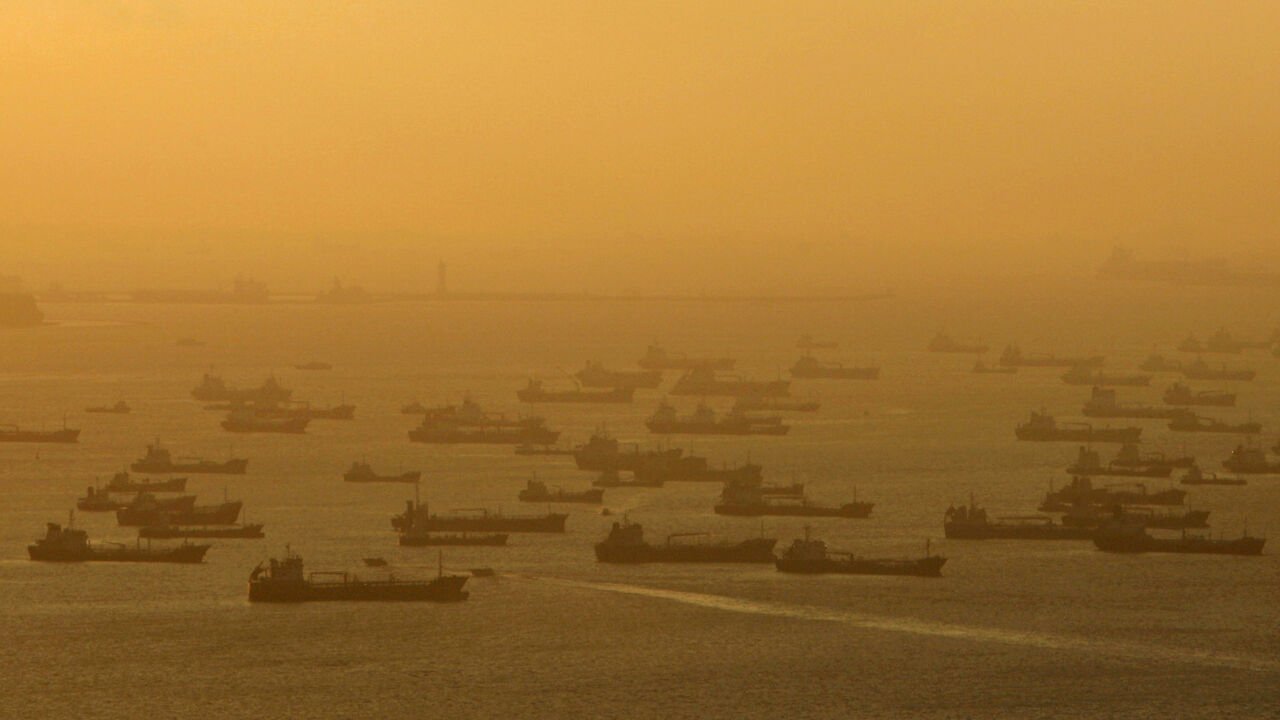
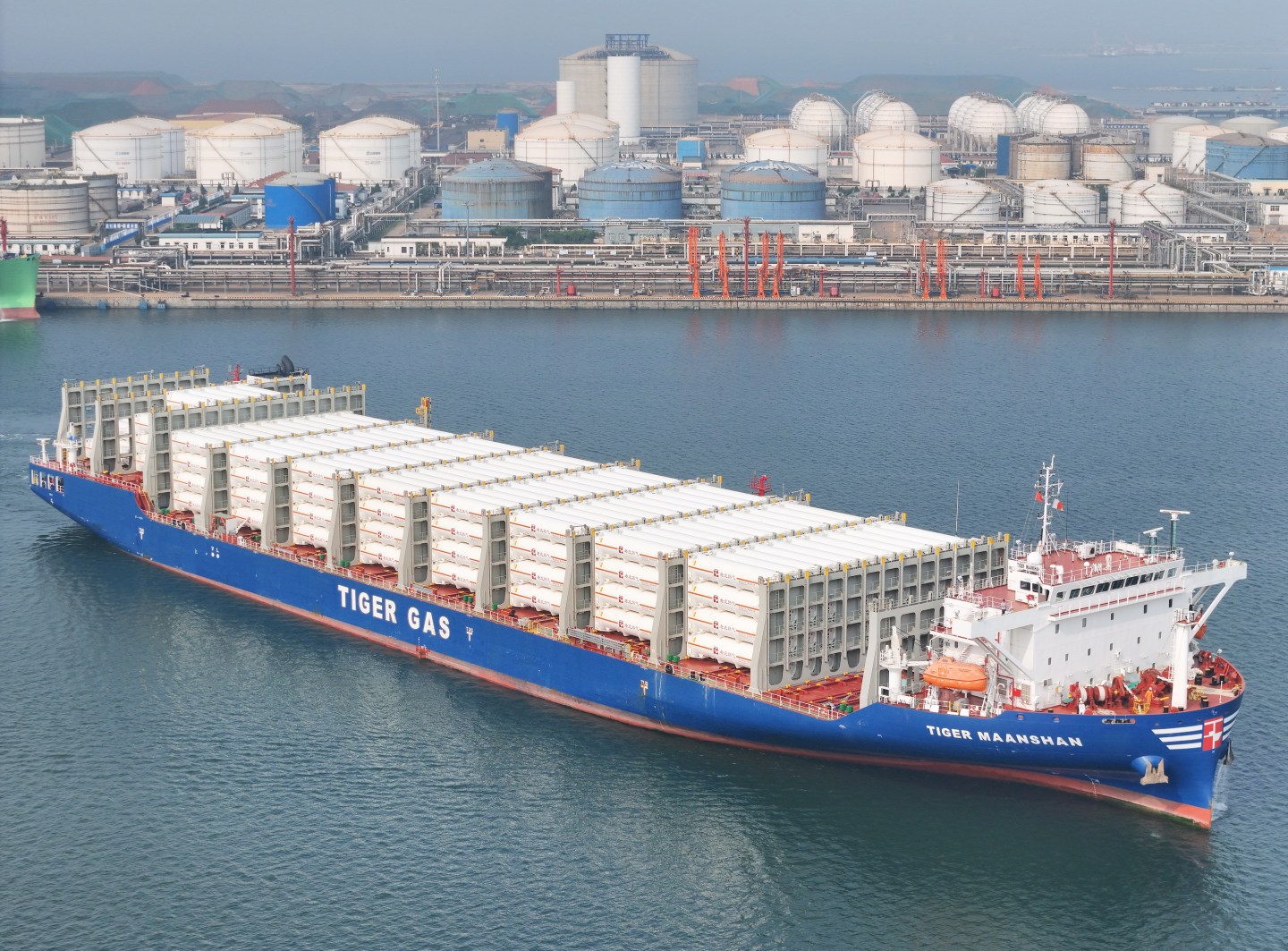
The Middle East conflict has triggered an unprecedented maritime fuel crisis that directly impacts cross-border e-commerce sellers globally. High-sulfur fuel oil (HSFO) prices at Singapore's bunkering hub—the world's largest refueling center—have surged 40% due to disrupted tanker traffic through the Strait of Hormuz, while low-sulfur fuel oil (LSFO) prices have climbed 30% since hostilities began. Daily vessel traffic through this critical waterway has plummeted from 138 ships to just 2, effectively halting 21% of global petroleum trade flows. This supply disruption directly translates to increased bunker fuel surcharges that shipping lines pass directly to sellers, compressing margins on ocean freight shipments by 8-15% depending on route and vessel size.
For sellers utilizing Asian consolidation hubs and ocean freight routes, the cost impact is immediate and severe. Sellers shipping from China, Vietnam, or India to North America or Europe now face fuel surcharges of $0.15-0.35/kg on top of base freight rates, compared to historical $0.08-0.12/kg levels. A standard 20-foot container from Shanghai to Los Angeles—typically costing $1,200-1,500—now carries additional fuel surcharges of $400-600 per shipment. Sellers relying on air freight face even more acute pressure, as aviation fuel represents 25-30% of total air cargo costs. Industry observers warn that sustained high fuel prices could persist for weeks, with major refiners declaring force majeure, further tightening global fuel supplies and preventing price relief.
Strategic inventory and routing decisions must be made immediately. Sellers should prioritize stocking 60-90 days of inventory in North American and European warehouses NOW, before fuel surcharges escalate further and Asian port congestion worsens. Consider shifting 20-30% of inventory from ocean freight to air freight for high-margin, fast-moving SKUs (electronics, apparel, beauty products) where margin compression can be absorbed. Evaluate alternative sourcing from Mexico, Central America, or nearshoring options to reduce Strait of Hormuz dependency. For sellers with existing inventory in Asian ports awaiting shipment, negotiate with freight forwarders for immediate consolidation and departure before surcharges increase further. Monitor daily fuel surcharge announcements from DHL, FedEx, UPS, and major ocean carriers (Maersk, CMA CGM, COSCO) and lock in rates where possible through forward contracts.
Questions 8
Which 3PL providers and fulfillment networks offer the best rates during this crisis?
Evaluate 3PLs with pre-negotiated fuel surcharge caps: Flexport, Agility, and DHL Supply Chain offer fixed fuel surcharge rates through Q2 2025. Amazon FBA remains competitive for high-volume sellers despite 8-12% fee increases, as FBA absorbs some fuel cost increases. Shopify Fulfillment Network offers 15-20% cost savings versus FBA for sellers with 500+ monthly units. Regional 3PLs in Mexico (Logistec, Kuehne+Nagel Mexico) offer 30-40% cost savings for nearshored inventory. Negotiate multi-month contracts NOW to lock in rates before fuel surcharges increase further; spot rates will increase 20-30% within 4-6 weeks.
How should sellers adjust pricing to offset fuel surcharge impacts?
Implement tiered price increases: (1) Electronics/high-margin items: +3-5% to offset fuel surcharges while maintaining competitiveness; (2) Apparel/mid-margin items: +4-6% to preserve 40-50% target margins; (3) Home goods/lower-margin items: +6-8% or consider delisting if margins fall below 20%. Monitor competitor pricing on Amazon and eBay daily—most sellers will raise prices 3-8% within 2-4 weeks. Lock in price increases before competitors do to capture margin recovery. Communicate shipping delays (now 30-40 days versus 25-30 days) in product listings to manage customer expectations and reduce return rates.