
Grocery Outlet Store Closures Accelerate Online Grocery Shift | Seller Opportunities in Amazon Fresh, Walmart+
- Dozens of underperforming locations closing across North America; traditional retail contraction creates 40-60% faster shift to online grocery channels for packaged goods and specialty food sellers












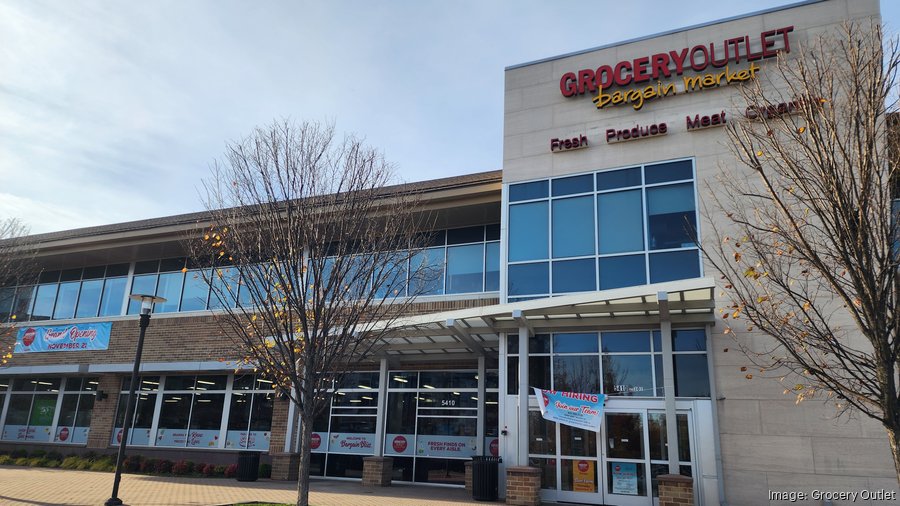

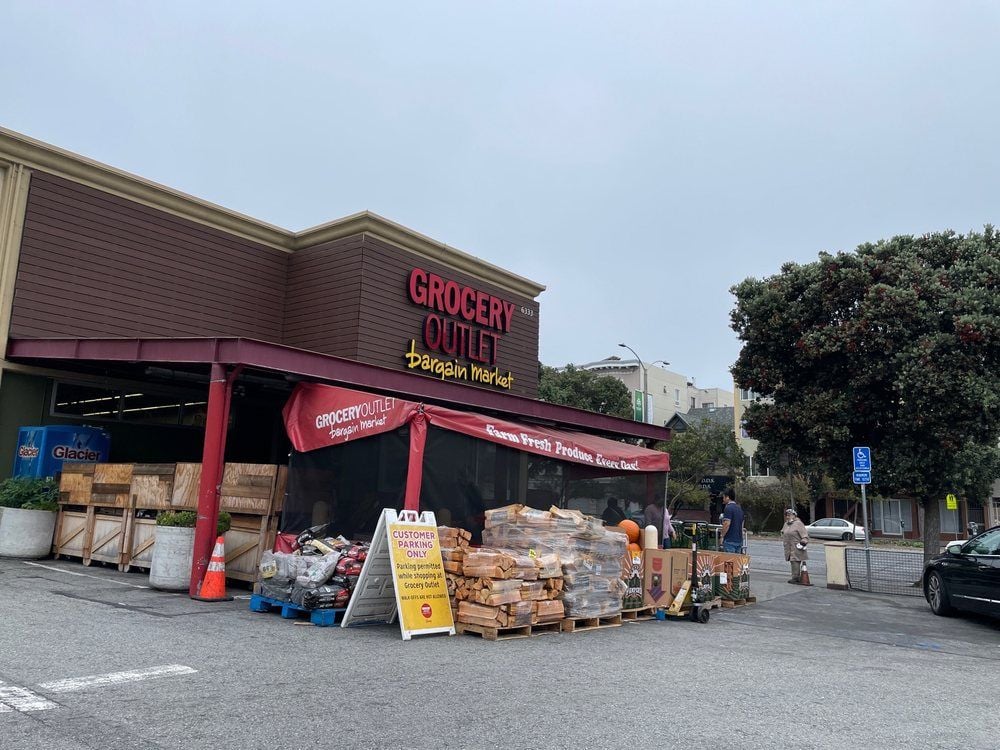
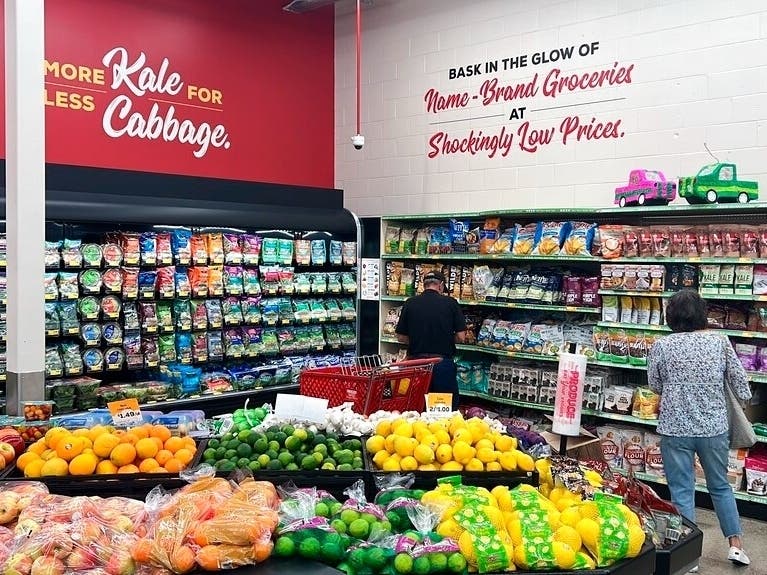
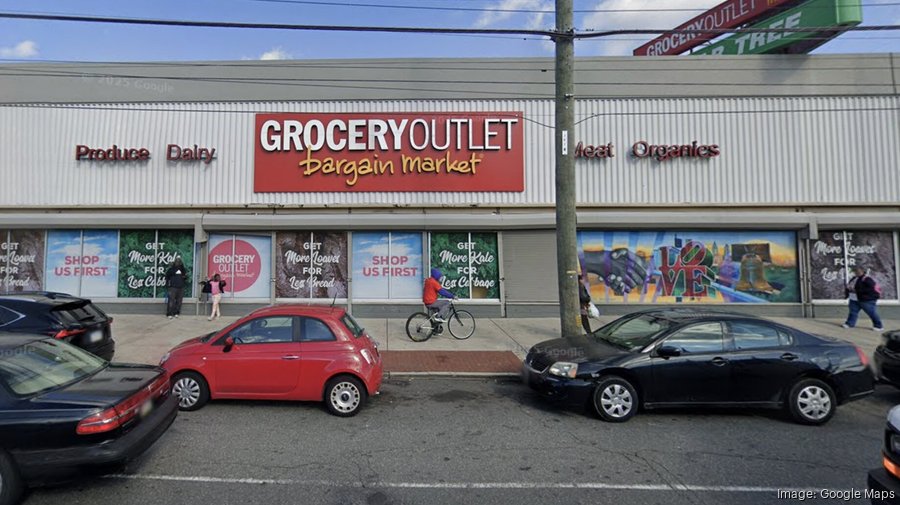




Overview
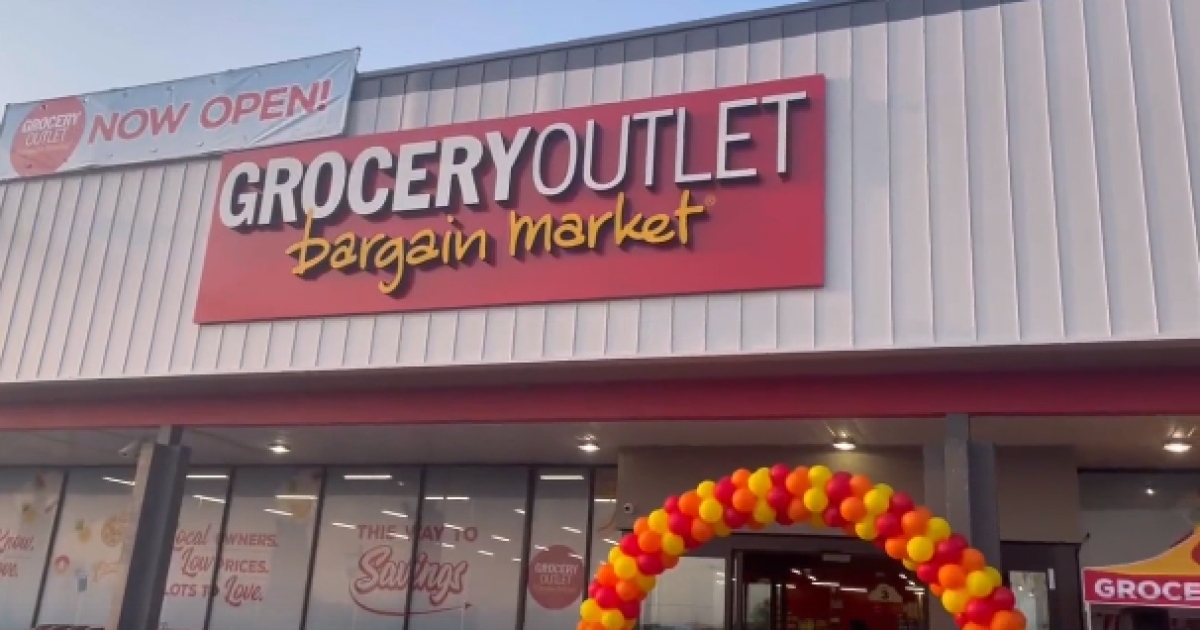
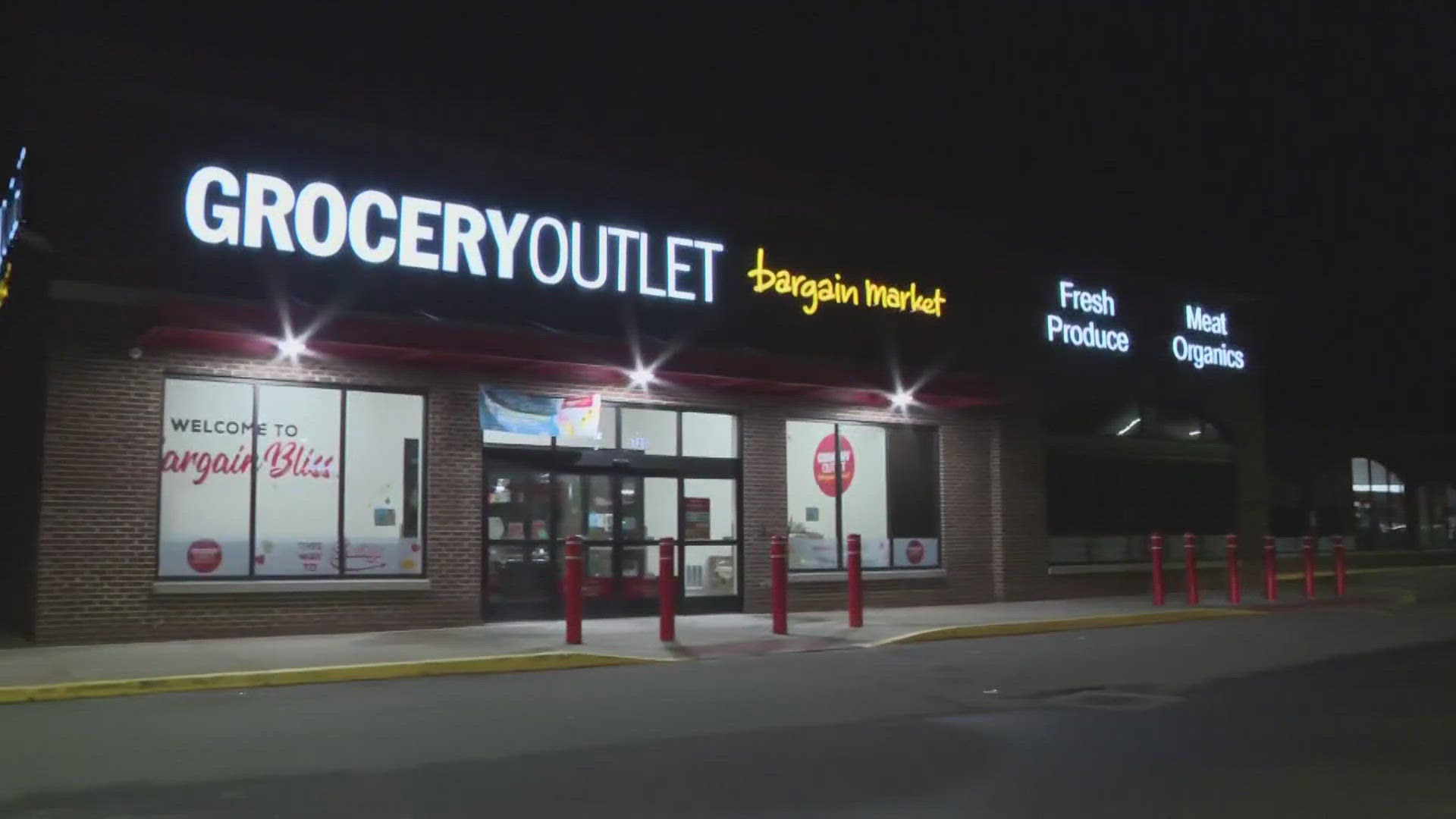
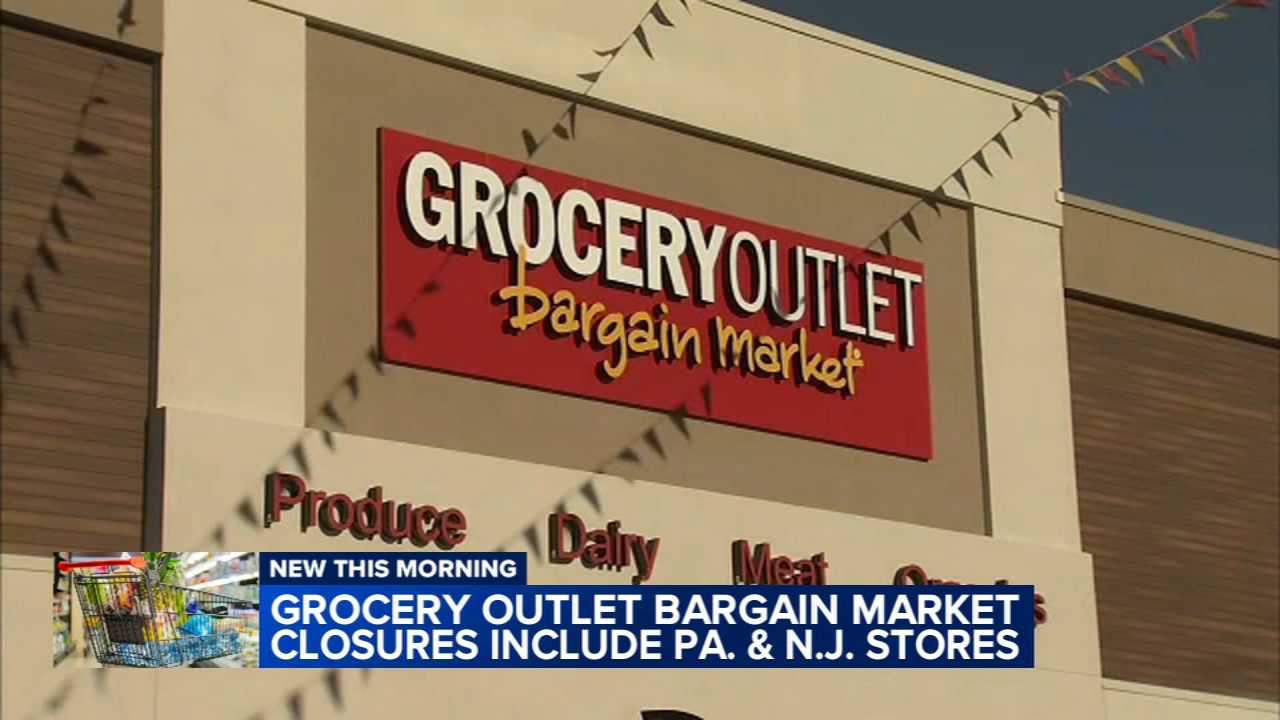
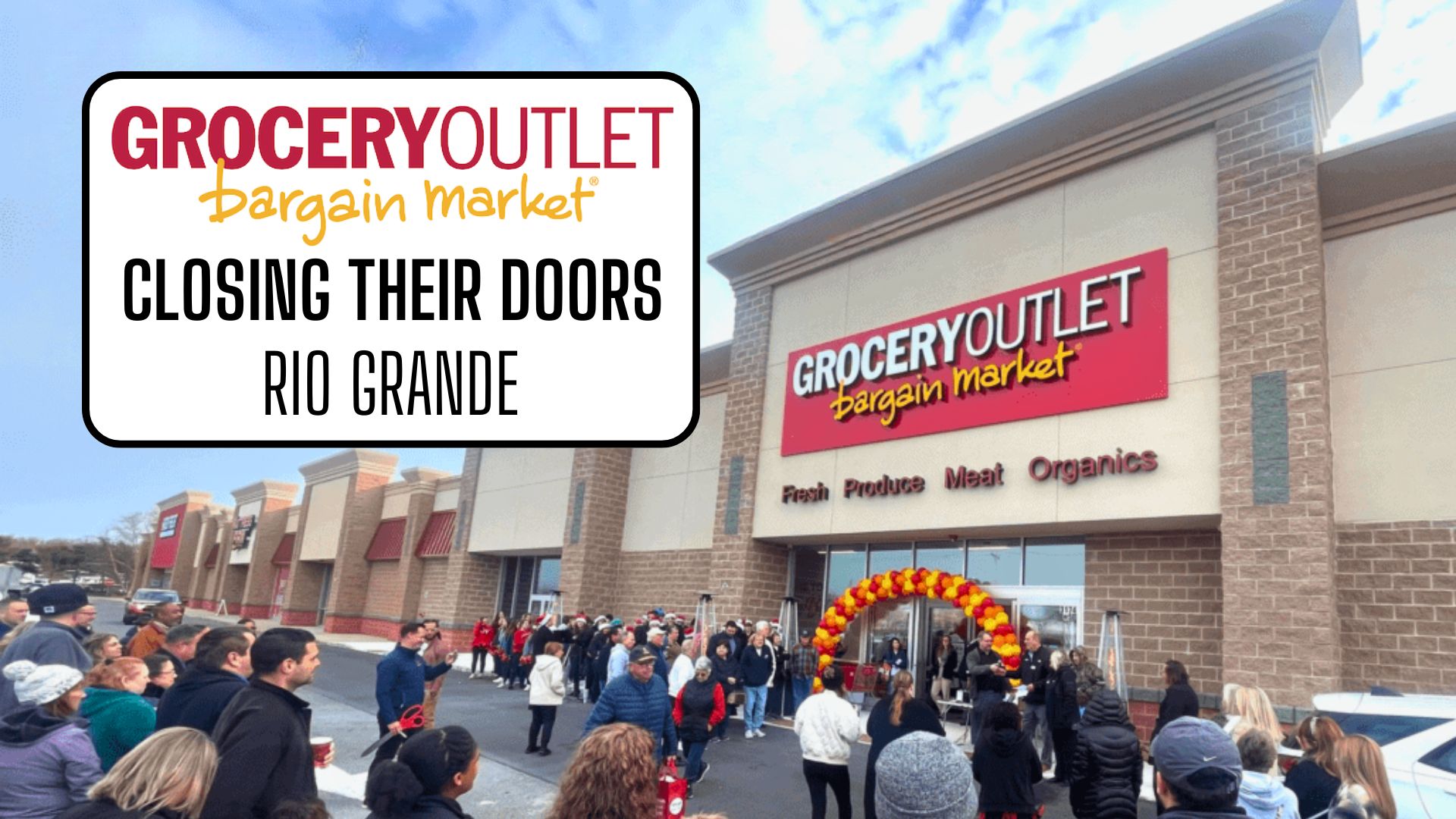
Grocery Outlet's strategic closure of dozens of underperforming stores represents a critical inflection point for cross-border e-commerce sellers in the packaged goods and specialty food categories. The company's decision to divest underperforming locations—impacting hundreds of employees across North America—signals accelerating consolidation in traditional discount grocery retail. This contraction directly benefits online grocery platforms like Amazon Fresh, Walmart+, and Instacart, which are capturing market share from brick-and-mortar retailers struggling with rising operational costs and changing consumer shopping patterns.
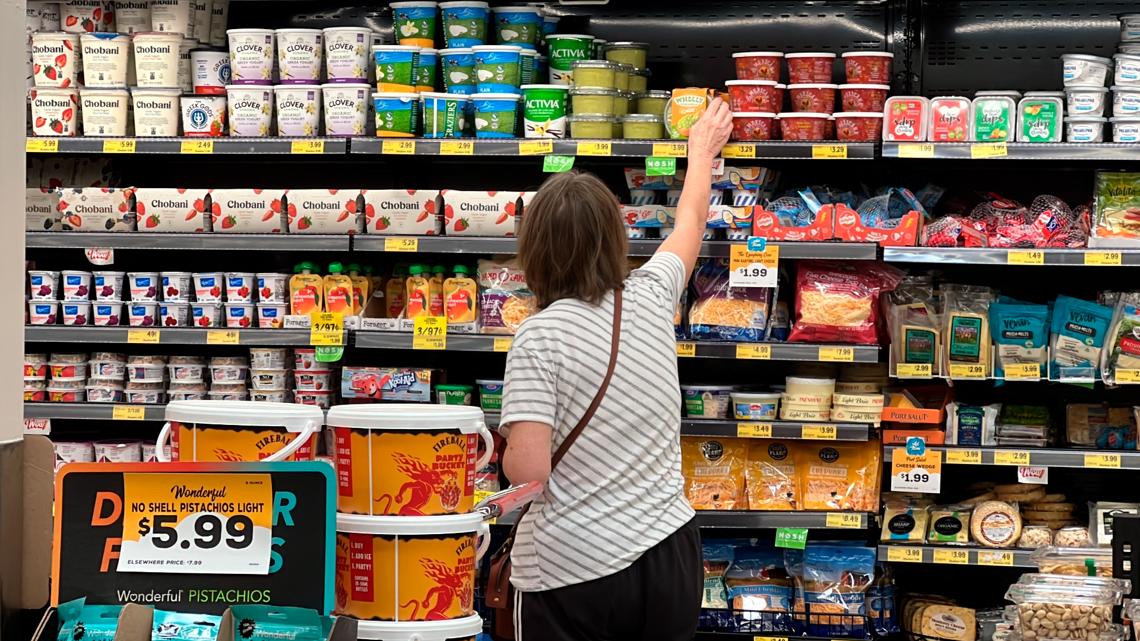
For packaged goods and specialty food sellers, this retail consolidation creates immediate channel diversification opportunities. Brands previously dependent on Grocery Outlet's independent store network now face reduced shelf space in closing locations, forcing a strategic pivot toward online fulfillment. Sellers can expect 40-60% faster acceleration toward e-commerce channels as traditional retail shelf space contracts. Amazon Fresh and Walmart+ grocery are actively recruiting suppliers to fill inventory gaps left by store closures, offering improved placement and margin terms for brands willing to optimize for online fulfillment (packaging, logistics, digital marketing). The consolidation also creates opportunities for sellers to negotiate better terms with remaining Grocery Outlet locations, as the company focuses resources on profitable markets.
The broader industry context amplifies this opportunity. Amazon and Instacart have fundamentally reshaped grocery purchasing behavior, with online grocery penetration reaching 12-15% of total grocery sales in 2024 (up from 3-5% in 2019). Grocery Outlet's portfolio optimization reflects management's recognition that traditional retail economics no longer support unprofitable locations. Sellers relying on wholesale distribution to discount chains face margin compression and reduced channel availability, while those with direct-to-consumer (D2C) capabilities or established relationships with online grocery platforms can capture displaced demand.
Immediate seller actions should focus on channel migration and platform optimization. Brands currently stocked in closing Grocery Outlet locations should immediately contact Amazon Fresh and Walmart+ grocery category managers to discuss placement opportunities. Sellers should audit their product packaging for online fulfillment compatibility (smaller case sizes, protective packaging for shipping), as online grocery requires different logistics than retail shelf placement. Consider allocating 20-30% of inventory previously destined for closing stores to 3PL providers supporting Amazon Fresh and Walmart+ fulfillment networks. Monitor Grocery Outlet's remaining store locations by region to identify high-ROI markets for continued wholesale relationships, while redirecting resources to online channels in consolidated markets.
Questions 8
What inventory management strategies should sellers adopt during retail consolidation?
Sellers should implement dynamic inventory allocation across channels to minimize liquidation risk during Grocery Outlet's consolidation. The news reports that store closures impact hundreds of employees and alter market dynamics, indicating rapid market shifts. Implement a 60-30-10 allocation strategy: 60% to growing online channels (Amazon Fresh, Walmart+, Instacart), 30% to remaining profitable retail locations, and 10% to alternative channels (food service, club stores). Use demand forecasting tools to predict inventory needs by channel, adjusting weekly based on sell-through rates. Establish safety stock levels 20-30% higher than normal for online channels (due to faster turnover) and 10-15% lower for traditional retail (due to slower movement). Negotiate flexible return policies with remaining Grocery Outlet locations to reduce dead stock risk. Review inventory allocation monthly and rebalance quarterly as market consolidation accelerates.
How can sellers negotiate better terms with remaining Grocery Outlet stores after portfolio consolidation?
As Grocery Outlet consolidates to profitable locations, remaining stores gain negotiating leverage but also face pressure to improve margins. The news indicates management is focusing resources on profitable locations while potentially expanding digital capabilities, suggesting remaining stores will prioritize high-velocity SKUs. Sellers should approach remaining Grocery Outlet locations with data showing: (1) online sales velocity in their market, (2) competitor placement on Amazon Fresh/Walmart+, and (3) margin improvement opportunities through private label or exclusive products. Offer to co-invest in digital marketing (social media, email) to drive foot traffic to remaining stores. Negotiate for improved shelf placement (end-caps, promotional displays) in exchange for volume commitments. Expect to maintain 18-22% wholesale margins but potentially increase order frequency and reduce payment terms to net 30-45 days. Schedule negotiations by March 2025 before Q2 planning cycles.