


Strait of Hormuz Disruptions Drive 8-15% Shipping Cost Surge for Cross-Border Sellers
- Iranian military operations threaten 20-30% of global seaborne oil trade; sellers face margin compression and supply chain delays through Q1 2025



Overview
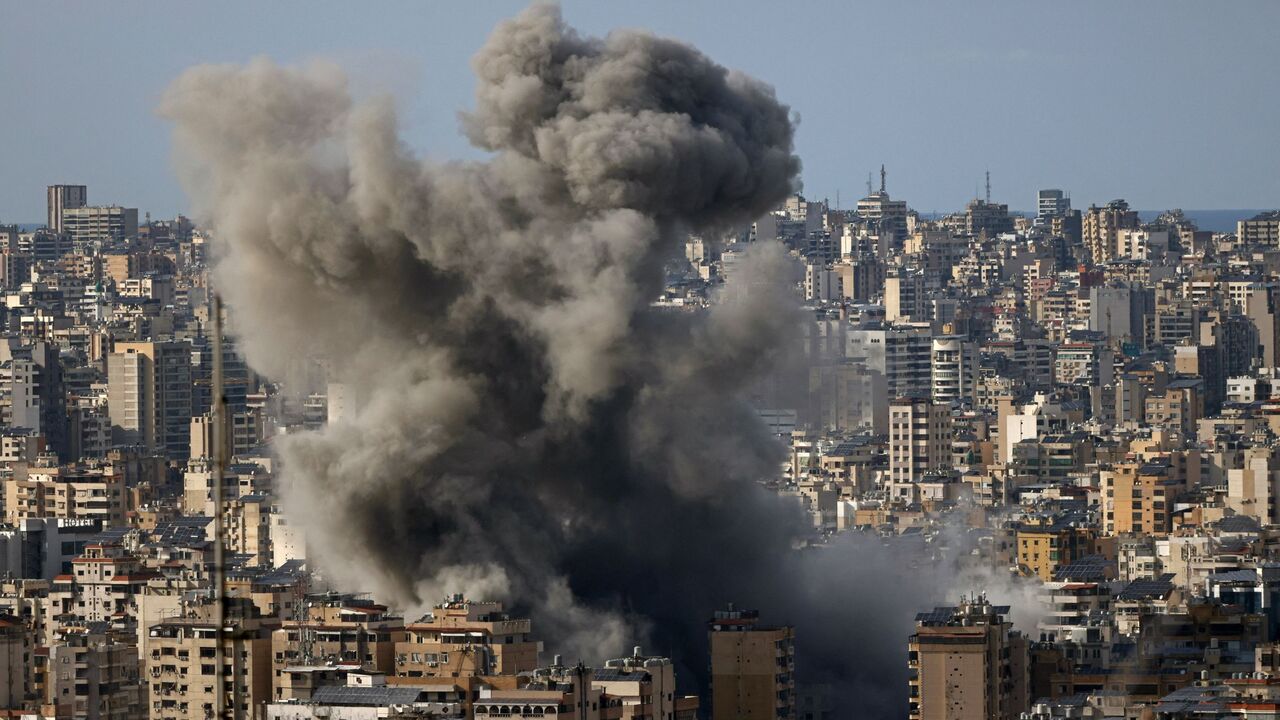
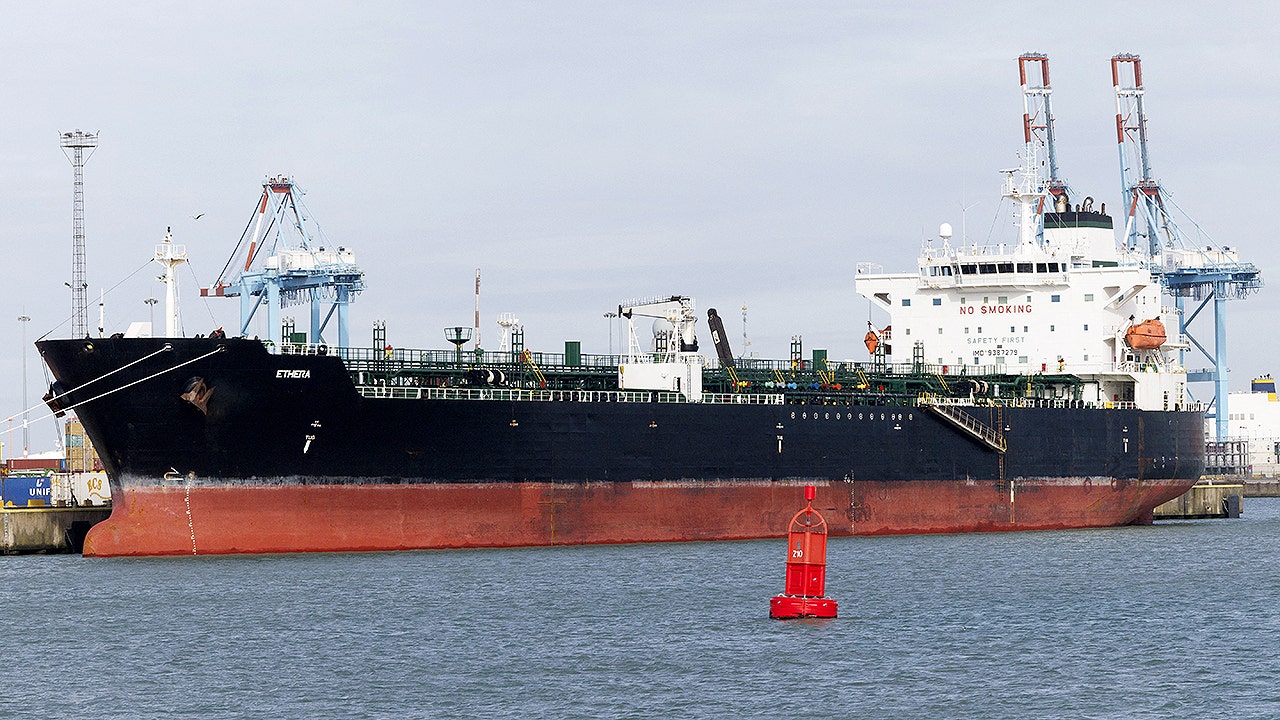
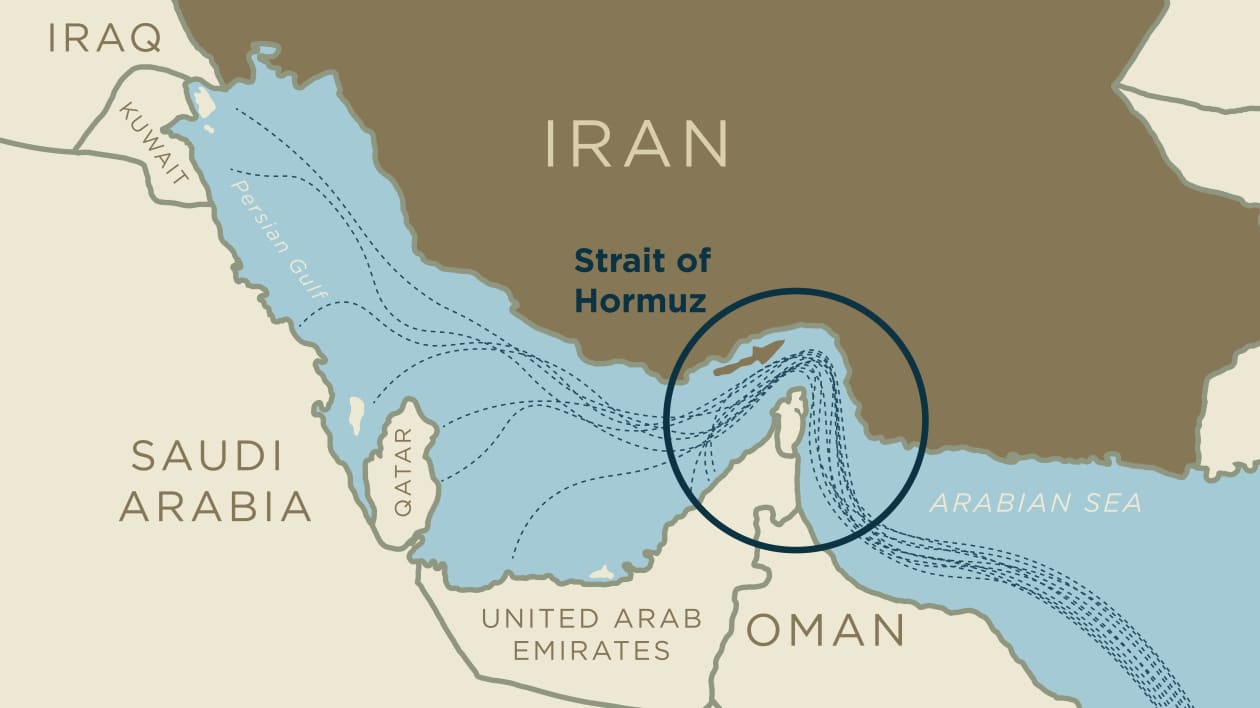
The Strait of Hormuz disruptions triggered by Iranian military strikes against shadow fleet operations represent a critical supply chain risk for cross-border e-commerce sellers. The Strait handles 20-30% of global seaborne oil trade, and recent Iranian military operations targeting shadow tankers have created immediate volatility in maritime shipping costs. For e-commerce sellers relying on sea freight from Asia-Pacific manufacturing hubs to North American and European markets, this geopolitical instability translates directly into increased operational costs and inventory delays.
Energy price volatility cascades directly into freight rate increases affecting all international commerce. Sellers shipping via ocean freight from China, Vietnam, and India—the primary sourcing regions for electronics, apparel, home goods, and consumer products—face 8-15% cost increases on standard container rates. A 40-foot container from Shanghai to Los Angeles typically costs $2,500-3,200; current disruptions are pushing rates toward $2,700-3,680. This impact disproportionately affects sellers with thin margins (5-12% net profit) in categories like small electronics, accessories, and home décor, where shipping represents 15-25% of landed costs. Sellers dependent on just-in-time inventory models face particular risk, as alternative routing through the Suez Canal or around Africa adds 2-4 weeks to transit times and increases costs by 20-30%.
Logistics providers are actively seeking alternative shipping corridors, forcing sellers to choose between higher costs or extended lead times. The uncertainty in maritime routes signals broader geopolitical instability affecting supply chain reliability and insurance costs. Marine insurance premiums for vessels transiting high-risk zones have increased 3-8% in recent weeks. For sellers with monthly inventory replenishment cycles, this creates a critical decision window: absorb increased shipping costs (compressing margins by 2-4%), negotiate longer lead times with suppliers (risking stockouts during peak seasons), or diversify sourcing to alternative countries like India, Indonesia, or Mexico with different shipping corridors.
The competitive advantage shifts toward sellers with diversified supply chains and financial buffers. Large sellers (>$5M annual revenue) with multiple sourcing countries and 3PL partnerships can absorb cost increases and route around disruptions. Mid-market sellers ($500K-5M) face margin compression unless they can pass costs to consumers or optimize inventory velocity. Small sellers (<$500K) with single-source suppliers and limited working capital face the highest risk of stockouts or forced price increases that reduce competitiveness on Amazon, eBay, and Shopify.
Questions 8
How do I protect my Amazon FBA inventory from shipping delays?
Implement a three-tier inventory strategy: (1) Maintain 60-90 days of inventory in FBA warehouses for fast-moving SKUs to buffer against 2-4 week transit delays; (2) Use air freight for critical replenishment needs (costs 3-5x ocean freight but arrives in 5-7 days); (3) Establish relationships with 2-3 alternative 3PL providers in North America and Europe to enable rapid restocking if ocean shipments face delays. Monitor your Amazon IPI (Inventory Performance Index) score—disruptions that cause stockouts can drop IPI below 400, triggering storage restrictions. Calculate the cost-benefit: air freight premium ($800-1,200 per container) versus lost sales from stockouts and FBA penalties.
Should I shift sourcing away from China to avoid Strait of Hormuz risks?
Diversifying sourcing to Vietnam, India, Indonesia, or Mexico reduces exposure to single-route disruptions, but each alternative has trade-offs. Vietnam and India offer similar cost structures to China but use the same Strait of Hormuz routes; however, they provide supply chain redundancy. Mexico and Central America avoid maritime routes entirely but typically have 15-25% higher manufacturing costs and limited product categories. The optimal strategy is 60-70% sourcing from China/Vietnam (cost-efficient) and 30-40% from alternative countries (risk mitigation). This diversification typically increases landed costs by 3-5% but provides supply chain resilience. Implement this shift over 2-3 months to avoid disrupting current inventory cycles.