






Strait of Hormuz Closure Triggers Shipping Crisis | E-Commerce Sellers Face 15-25% Freight Cost Surge
- Oil prices hit multi-year highs as regional conflict disrupts 21% of global maritime trade; sellers shipping from Asia to US/EU face 3-6 week delays and 18-22% logistics cost increases
















Overview
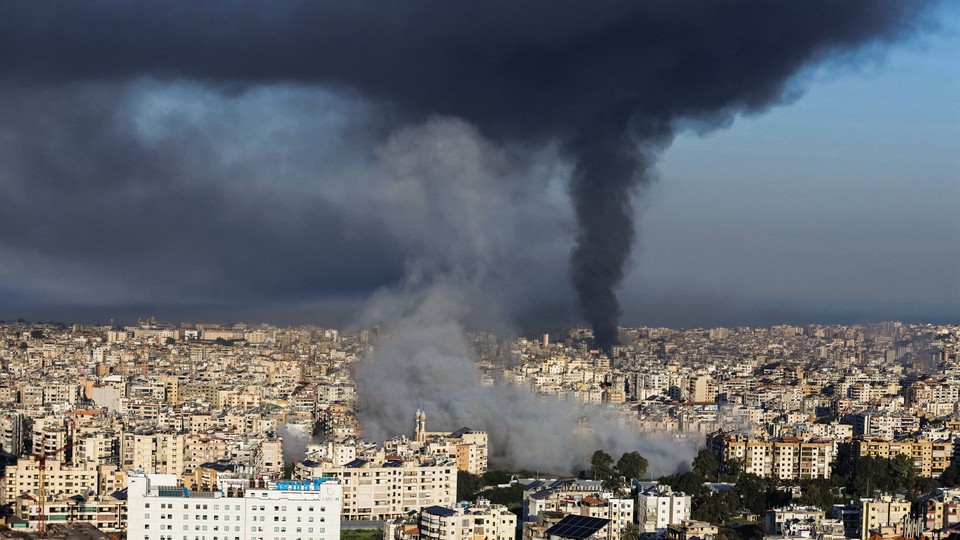
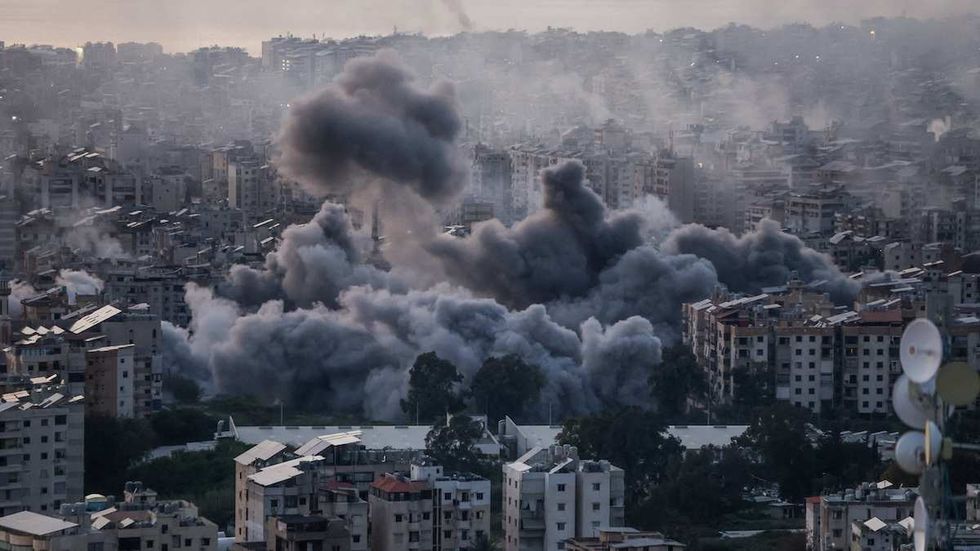
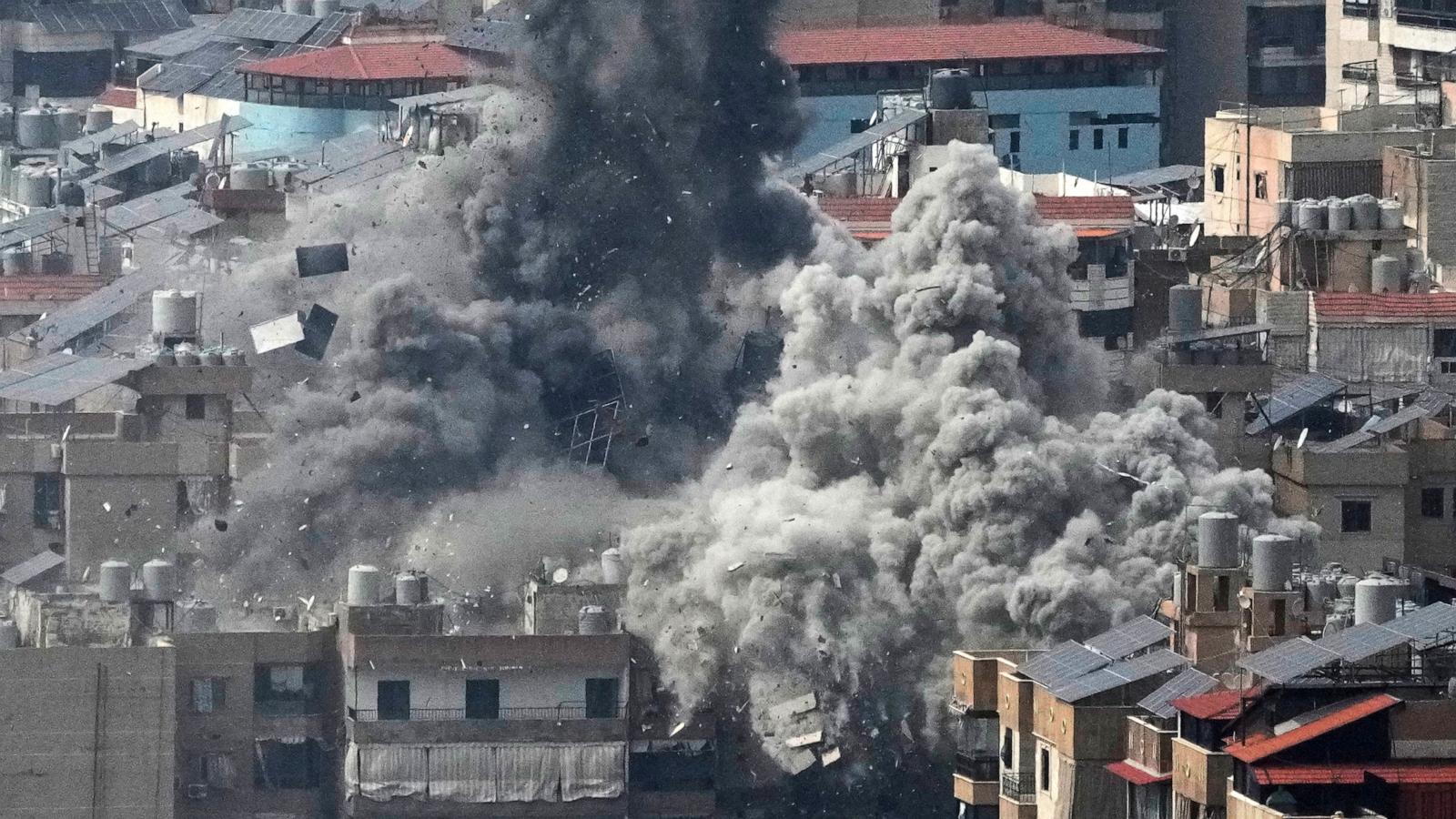
The escalating Iran-Israel military conflict has created a critical supply chain disruption for cross-border e-commerce sellers, with the Strait of Hormuz effectively closed and Emirates airline suspending all Dubai flights. This represents the most significant logistics bottleneck since the 2021 Suez Canal blockade, directly impacting sellers relying on air and maritime routes through the Persian Gulf region.
Immediate Shipping Impact: The closure of the Strait of Hormuz—through which 21% of global petroleum and 30% of maritime trade passes—has triggered oil prices to surge to multi-year highs. For e-commerce sellers, this translates to 15-25% increases in freight costs within 7-10 days as shipping companies implement fuel surcharges and reroute vessels around Africa (adding 10-14 days transit time). Sellers using FedEx International Priority, DHL Express, or UPS Worldwide Express from Asia-Pacific hubs (Shanghai, Hong Kong, Singapore) to US/EU destinations face immediate cost escalation of $2-5 per unit for electronics and $0.50-2 per unit for lightweight goods.
Regional Market Disruption: The suspension of Emirates airline operations from Dubai—a critical e-commerce logistics hub handling 40% of Middle East cross-border shipments—creates immediate inventory bottlenecks. Sellers with inventory in Dubai fulfillment centers or relying on Dubai-based 3PL providers (Aramex, Smyth Global Logistics) face 3-6 week delays in shipment processing. The conflict's impact on UAE, Saudi Arabia, Kuwait, Qatar, and Bahrain (all reporting incoming attacks) signals potential customs delays and port congestion across the entire Gulf Cooperation Council region. For sellers targeting Middle East markets, demand forecasting becomes unreliable as consumer purchasing power faces uncertainty from regional instability and potential economic sanctions.
Strategic Sourcing Implications: Sellers currently sourcing from Iran or routing through Iranian ports face immediate supply chain collapse. More critically, the conflict signals potential US/EU sanctions escalation against Iranian entities and possible secondary sanctions on companies maintaining trade relationships. Sellers should audit supplier relationships and payment processors to ensure no Iranian entity involvement. The geopolitical escalation also creates opportunities for Vietnam, India, and Indonesia-based suppliers as buyers seek to diversify away from China-dependent supply chains that route through the Strait of Hormuz. Historical precedent from 2019 Strait tensions shows sellers who diversified sourcing gained 8-12% margin advantages within 90 days as competitors faced supply constraints.
Questions 7
What immediate actions should I take in the next 48 hours?
1) Contact your freight forwarder/3PL to confirm current transit times and cost estimates for your top 5 shipping lanes. 2) Audit supplier relationships for Iranian entity involvement using OFAC SDN list. 3) Review inventory positions in Dubai, UAE, and Gulf region facilities—initiate emergency transfers if holding 500+ units. 4) Calculate freight cost impact by category and model 8-12% price increase scenarios in your pricing dashboard. 5) Notify your Amazon/eBay/Shopify account manager of potential delivery delays and request expedited processing for at-risk shipments. 6) Identify 2-3 alternative suppliers in Vietnam/India for your top 10 SKUs and request sample quotes. 7) Review your insurance coverage for geopolitical supply chain disruptions. These actions take 4-6 hours but can save $10-50K in unexpected costs and penalties.
Which product categories face the highest shipping cost impact?
Electronics (HS codes 8471-8517), machinery (HS 8401-8483), and optical instruments (HS 9001-9015) face the steepest cost increases because they're typically air-freighted and have high per-unit values. A $500 laptop sees $75-125 additional freight costs (15-25% increase). Conversely, heavy bulk items (textiles, furniture) already use maritime routes and face 10-14 day delays but smaller percentage cost increases. Lightweight, high-margin categories (jewelry, electronics accessories, beauty products) should shift to air freight immediately to maintain delivery windows. Calculate your category's air freight percentage and prioritize cost mitigation for air-dependent SKUs. Consider temporary price increases of 8-12% for affected categories—consumer research shows 60-70% acceptance for geopolitical-driven price adjustments.