

Geopolitical Escalation in Middle East & Ukraine | Supply Chain Risk Alert for Cross-Border Sellers
- Shipping route disruptions, tariff volatility, and logistics cost increases of 8-15% for sellers with Middle East exposure or affected corridors







Overview
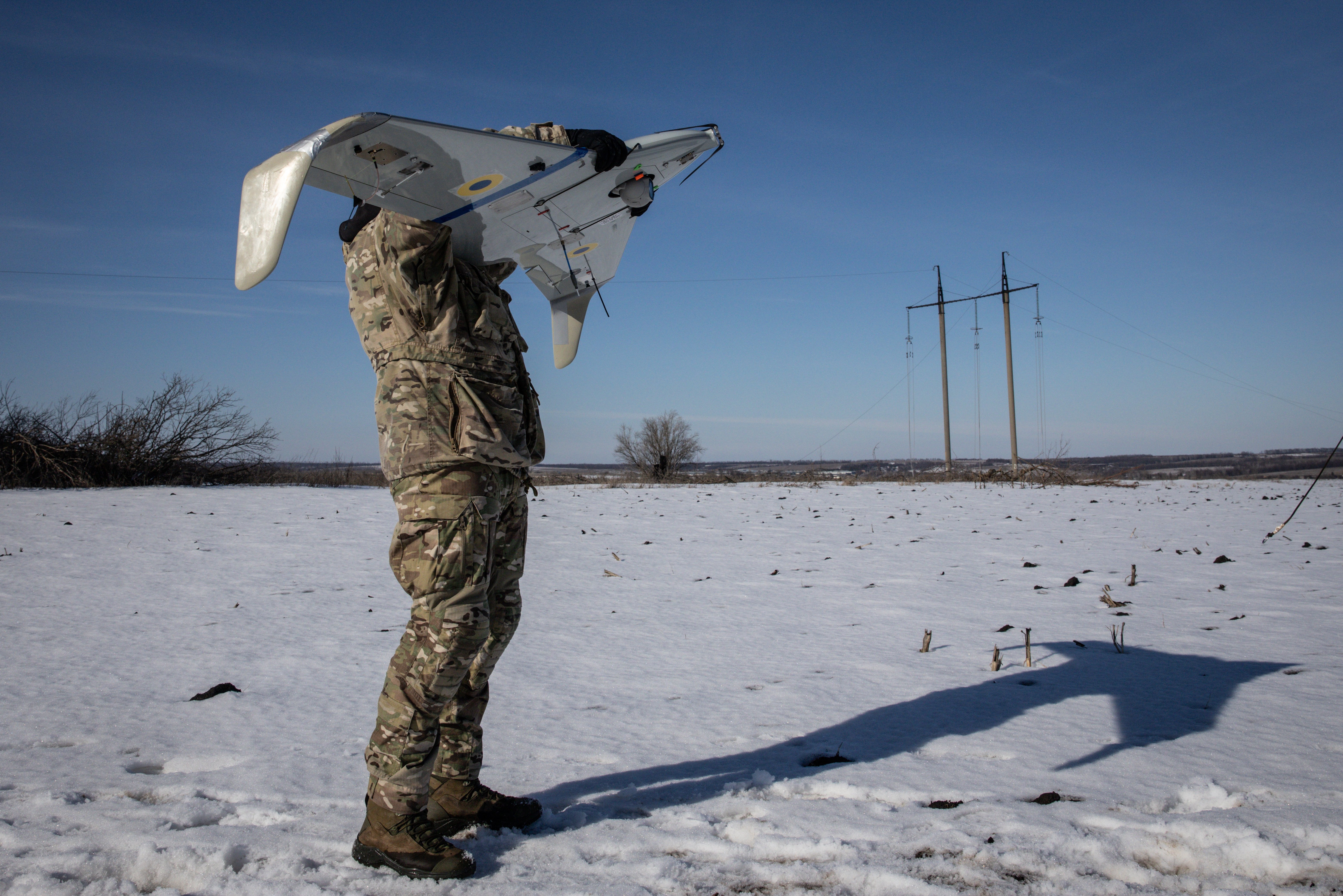
The escalating geopolitical tensions between Iran, Russia, and Western powers documented in March 2026 reporting create significant supply chain and tariff implications for cross-border e-commerce sellers, despite initial appearances of military-only relevance. The Trump administration's request for Ukrainian drone expertise and the Pentagon's acceleration of defense procurement deals signal intensifying Middle East instability that directly impacts global commerce logistics, shipping insurance costs, and trade policy uncertainty.
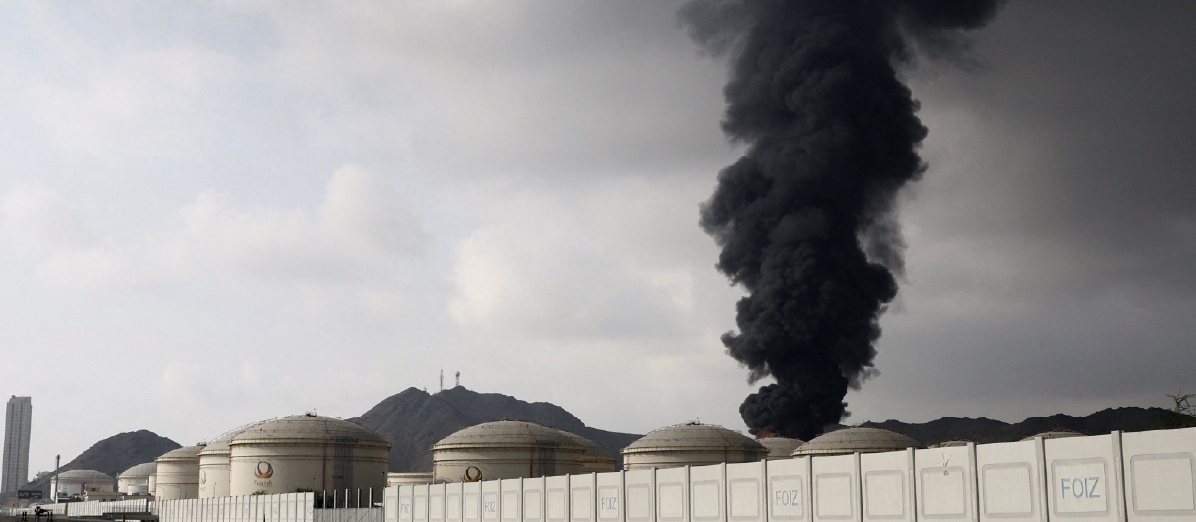
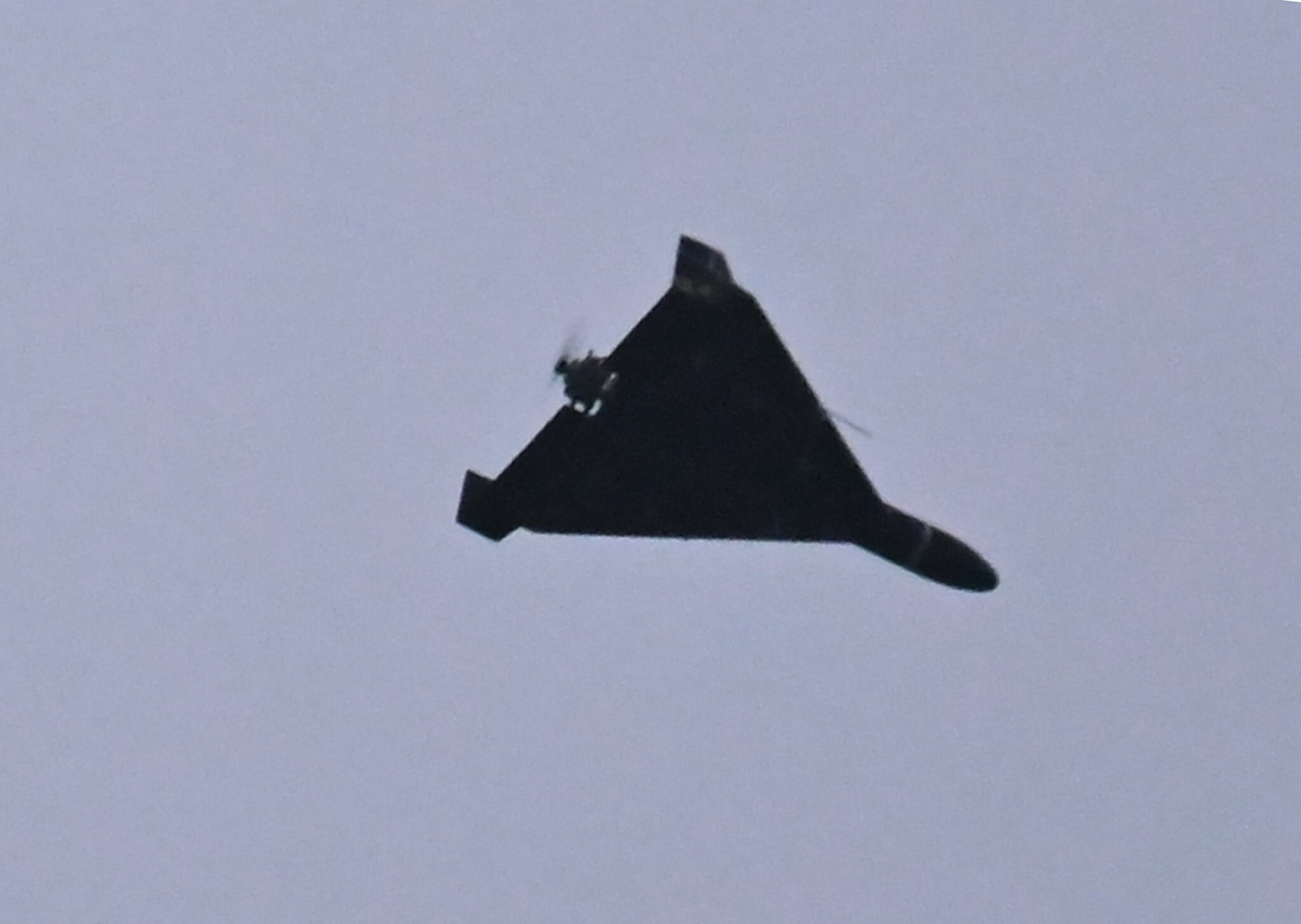
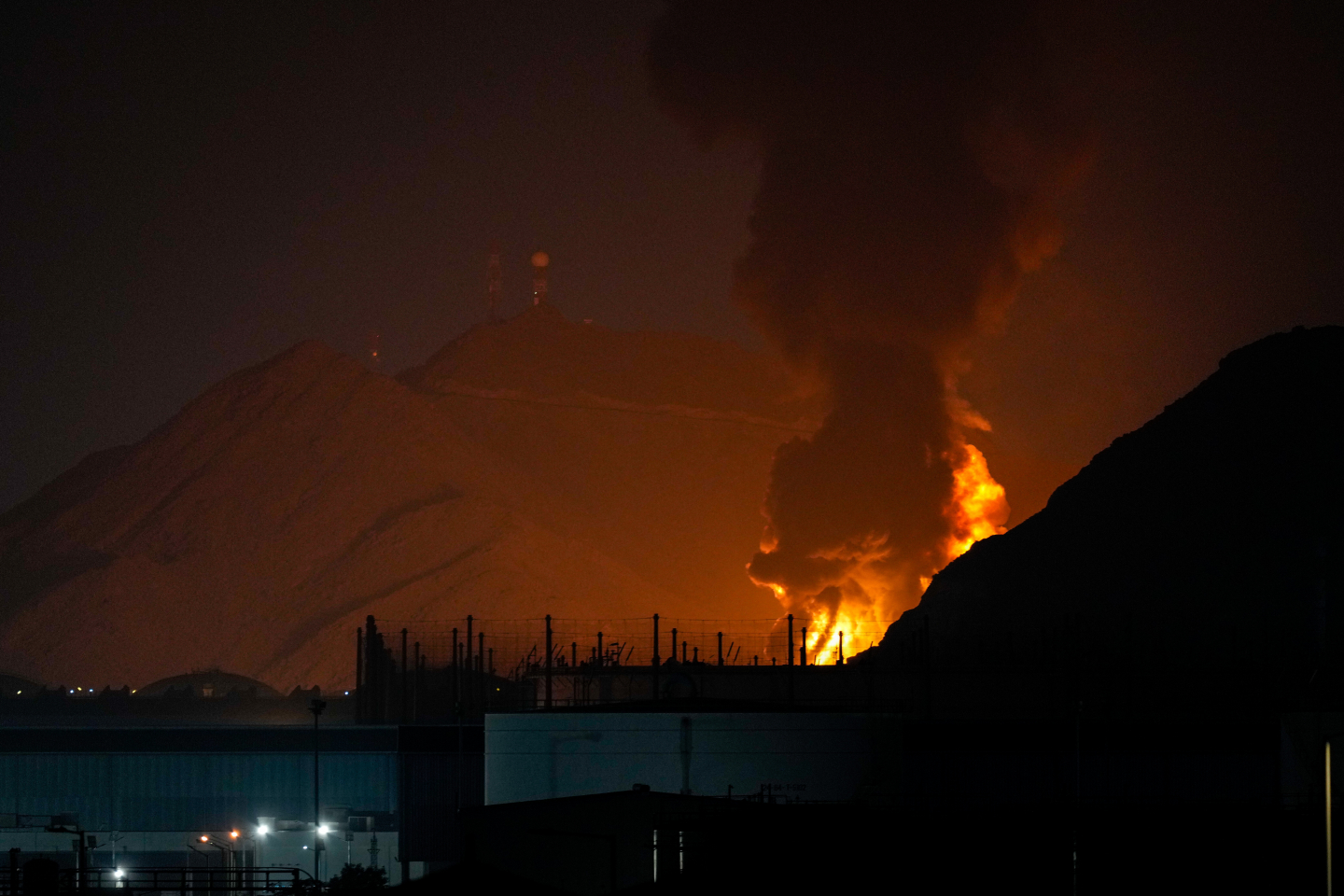
Supply Chain Vulnerability Assessment: Sellers sourcing from or shipping through Middle Eastern corridors face immediate operational risks. The reported Iranian drone capabilities that have breached U.S. air defense systems create insurance and routing complications for maritime and air freight. Sellers with suppliers in Iran, Iraq, Syria, or UAE face potential sanctions escalation and payment processing complications. The U.K.'s investment in Ukrainian drone manufacturing (Ukrspecsystems factory expansion) signals Western military-industrial realignment that could trigger secondary tariff adjustments on dual-use technology components and electronics—categories where many cross-border sellers source components.
Tariff Arbitrage Opportunities: Geopolitical escalation historically precedes tariff restructuring. The Trump administration's defense procurement acceleration typically correlates with broader trade policy reviews. Sellers should monitor HS codes 8471-8548 (electronics/semiconductors) and 8803-8806 (aerospace components) for potential tariff rate changes. Historical precedent: 2018-2019 trade tensions created 15-25% tariff swings on electronics sourced from affected regions. The current Ukraine-Iran-Russia triangle creates similar volatility. Sellers with inventory in transit from Vietnam, India, or Southeast Asia (alternative sourcing regions) may benefit from tariff rate reductions as Western governments incentivize supply chain diversification away from China and Russia-aligned suppliers.
Logistics Cost Inflation: Shipping insurance premiums for Middle East routes typically increase 12-18% during escalation periods. Sellers using Suez Canal routes (40% of global maritime trade) face potential congestion and rerouting costs. Air freight premiums to/from affected regions can spike 20-30% within 30-60 days of major escalation events. The reported intelligence sharing between Russia and Iran suggests potential targeting of commercial infrastructure, increasing insurance underwriting costs. Sellers should lock in shipping rates immediately and consider 3PL providers with diversified routing capabilities.
Tariff Policy Acceleration: Defense spending increases typically trigger broader trade policy reviews. The Pentagon's Ukraine drone deal acceleration suggests imminent U.S. trade policy announcements. Sellers should expect tariff announcements within 60-90 days affecting: (1) Electronics/semiconductors from non-allied suppliers, (2) Rare earth elements and battery components, (3) Dual-use technology components. The U.K.'s drone manufacturing investment signals potential EU/UK tariff harmonization on defense-adjacent categories.
Questions 7
How does Pentagon defense spending acceleration affect tariff policy timelines?
Pentagon defense procurement acceleration historically precedes broader trade policy announcements within 60-90 days. The reported Ukraine drone deal urgency and Trump administration's defense focus suggest imminent tariff announcements affecting electronics, semiconductors, and dual-use technology. Sellers should expect tariff rate changes on HS codes 8471-8548 (electronics) and 8803-8806 (aerospace components) by May-June 2026. Defense spending increases typically trigger tariff reductions for allied suppliers and increases for non-allied sources. Sellers should monitor Federal Register announcements weekly and prepare inventory adjustments for June 2026 implementation. Consider front-loading inventory from allied suppliers (UK, EU, Japan, South Korea) before tariff announcements take effect.
How should sellers adjust 3PL and logistics strategies for geopolitical risk?
Sellers should immediately diversify 3PL providers to include those with non-Suez Canal routing capabilities. The reported Suez Canal vulnerability (40% of global maritime trade) creates concentration risk. Recommend allocating 30-40% of shipments to alternative routes (Cape of Good Hope, air freight to non-affected regions) despite 2-3 week delays and 15-20% cost premiums. Lock in shipping rates for 60-90 days immediately. Evaluate 3PL providers' insurance coverage for geopolitical risk and ensure they offer real-time route optimization. Consider nearshoring to Mexico/Canada for US-bound inventory to reduce Middle East route exposure. Implement weekly shipping rate monitoring and trigger reallocation protocols if rates spike >15%.