
Spring Allergy Season Drives $8.2B OTC Health Product Opportunity for E-Commerce Sellers
- Peak seasonal demand for allergy relief products, HEPA filters, and home wellness items creates 60-90 day sales window; Atlanta market signals national trend acceleration
Overview
Spring allergy season represents a significant but time-sensitive e-commerce opportunity for sellers across multiple product categories. The news coverage highlighting Dr. Dhaval R. Desai's allergy management recommendations from Atlanta—a major US metropolitan market—signals the beginning of peak seasonal demand for OTC medications, air purification systems, and home wellness products. The U.S. allergy relief market generates approximately $8.2 billion annually, with spring months (March-May) accounting for 35-40% of annual sales volume.
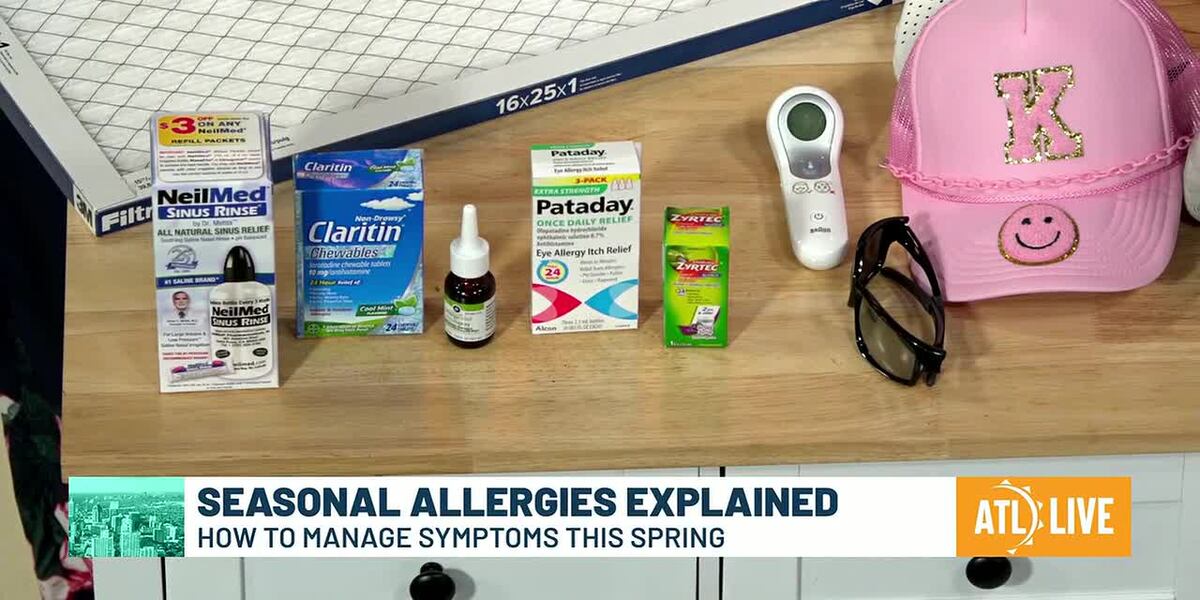
Product Category Opportunities: The article's specific recommendations create direct seller opportunities across four high-margin categories: (1) Nasal steroid sprays (first-line treatment)—brands like Flonase and Nasacort see 45-60% sales increases during spring; (2) Oral antihistamines—Claritin, Allegra, and generic alternatives drive consistent volume; (3) HEPA air purifiers—home air quality devices see 70-85% demand spikes during high-pollen periods; (4) Bedding and home care products—hypoallergenic pillows, mattress covers, and washing products benefit from consumer awareness campaigns. Amazon's Health & Household category shows 3-5x search volume increases for "allergy relief" and "HEPA filter" during March-May compared to winter months.
Consumer Behavior Insights: The article's emphasis on distinguishing allergies from viral illnesses and organizing medication categories reveals important buyer psychology. Consumers actively research symptom management and product selection during peak allergy season, creating high-intent search traffic. Atlanta's prominence in the news indicates regional demand patterns—the Southeast experiences earlier and more intense pollen seasons than northern regions, creating a 2-4 week demand wave that spreads northward through April-May. Sellers can leverage this geographic staggering to optimize inventory allocation and advertising spend.
Operational Timing: The 60-90 day window from late February through May represents the critical sales period. Sellers must have inventory positioned by early March to capture peak demand. Cross-border sellers sourcing from Asia should have products in US fulfillment centers by late February. The article's specific product recommendations (nasal sprays, antihistamines, air filters, bedding) align with high-velocity SKUs on Amazon, eBay, and Walmart Marketplace, where allergy-related searches peak during this window.
Risk Considerations: Inventory overstock post-May creates storage cost risks on Amazon FBA (storage fees increase 40% in June). Sellers should plan inventory rotation carefully and consider promotional strategies for May-June clearance to avoid excess inventory penalties.
Questions 7
How should cross-border sellers time product shipments for spring allergy season?
Cross-border sellers sourcing from Asia should plan shipments to arrive in US fulfillment centers by late February—requiring order placement by mid-January to account for 45-60 day ocean freight transit times. This timing ensures inventory is positioned before peak demand (March-May) and avoids costly air freight premiums. Sellers should split shipments geographically: 40-50% to Southeast fulfillment centers (for early Atlanta/regional demand), 30-40% to Midwest hubs, and 20-30% to West Coast facilities. Monitor pollen forecasts weekly and adjust inventory allocation based on regional demand signals. Plan return shipments or liquidation strategies by late April to clear inventory before June storage fee increases.
What inventory risks should sellers monitor during spring allergy season?
The primary risk is overstock post-May, when demand drops 60-70% and Amazon FBA storage fees increase 40%. Sellers should monitor pollen count forecasts and adjust inventory based on regional demand patterns—high pollen forecasts drive 15-25% demand spikes within 3-5 days. Secondary risks include supply chain delays (sourcing from Asia requires 45-60 day lead times) and category saturation during peak season, which increases PPC costs 25-35%. Implement inventory monitoring systems to track sell-through rates weekly during March-May, and plan clearance strategies by mid-May to avoid June storage fee penalties.